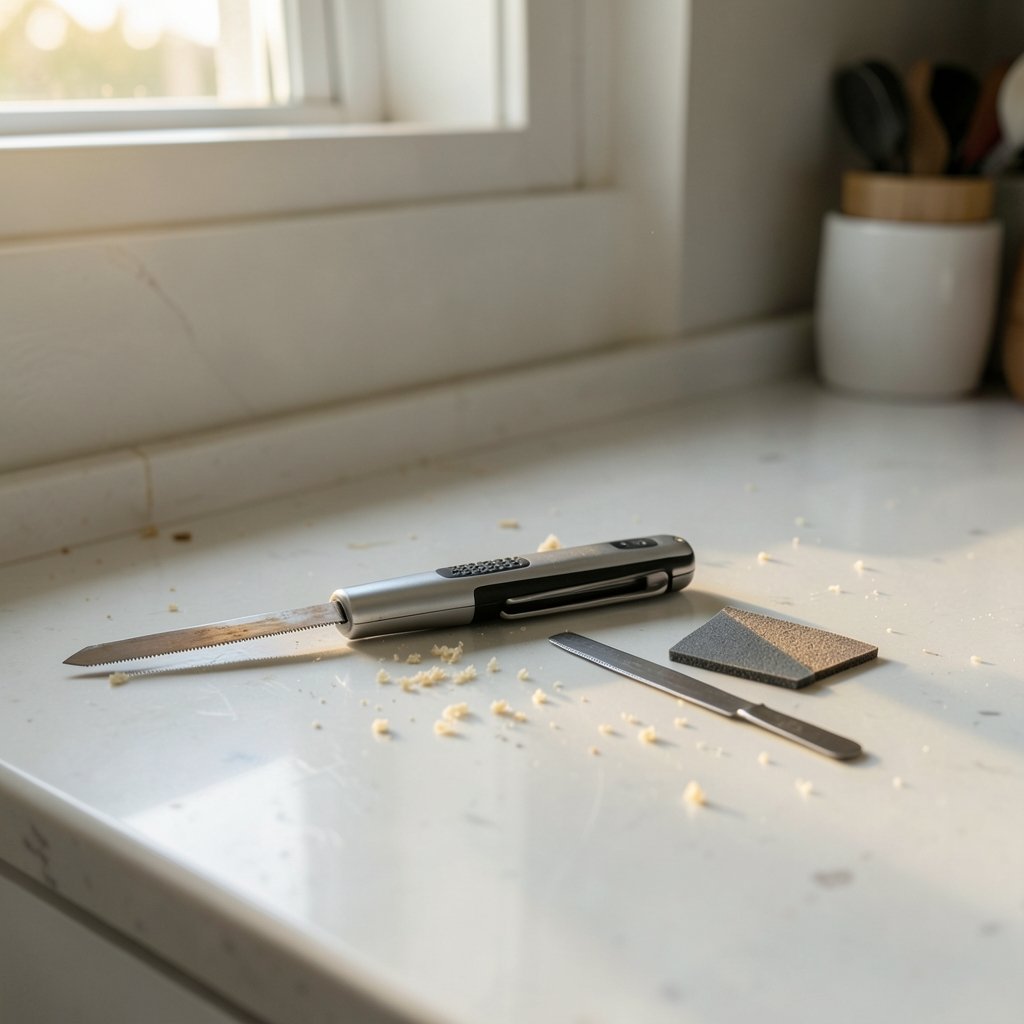
What if the tool that saves your weekend costs less than a decent dinner out? That is the promise of a budget oscillating multi-tool, and for once the promise mostly holds up. These odd-looking power tools wiggle a small blade side to side at terrifying speed instead of spinning it. That tiny arc lets you plunge straight into a wall, flush-cut a door jamb, scrape old adhesive, or sand a corner no other tool can reach.
The catch is that “budget” covers everything from a genuinely clever bargain to a rattling disappointment that eats blades. This guide walks through what actually matters, where cheap tools quietly cost you more, and how to pick a model you will still be glad to own in three years.
What a Budget Oscillating Multi-Tool Actually Is
An oscillating multi-tool (often shortened to OMT) drives an accessory through a fast, shallow arc, usually just a few degrees, at high frequency. Because the blade does not spin, you can rest it flat on a surface and lower it into material with real control. The same body accepts different accessories: a plunge blade for wood, a bi-metal blade for nails, a scraper, a triangular sanding pad.
Budget models keep the price down in predictable ways. They use simpler motors, fewer anti-vibration features, and hex-key blade changes instead of the tool-free levers found on pricier machines. None of that is automatically bad. A cheap OMT that runs at a steady speed with a rigid accessory mount will outwork a fancy one with a sloppy mount every time.
The Price Bands, Roughly
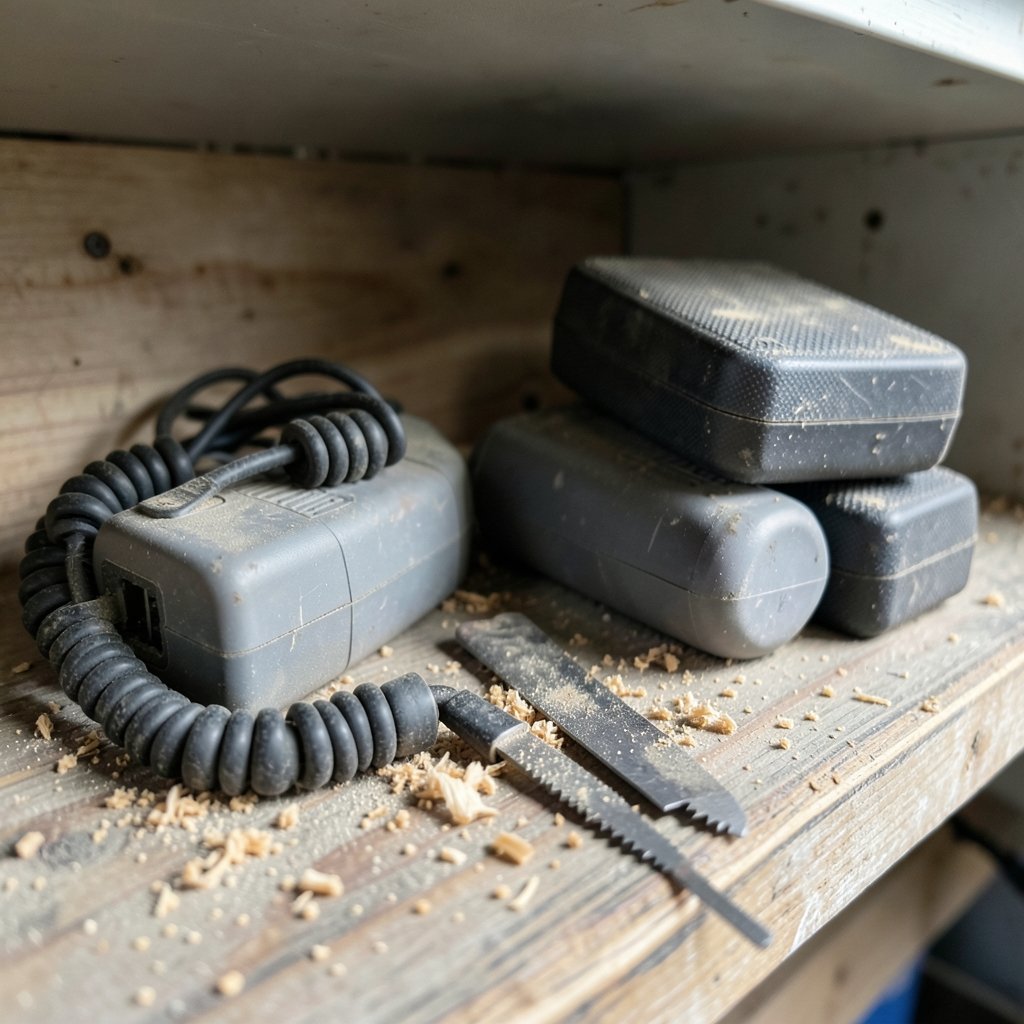
Prices move constantly and vary by country, so treat any figure as a starting point rather than gospel. As a general shape of the market:
| Category | Typical price band | What you get | Main trade-off |
|---|---|---|---|
| Corded budget | Roughly $30 to $80 | Sustained power, no battery cost, usually a kit bag and a few blades | Cord management, more noise and vibration |
| Cordless bare tool | Roughly $50 to $120 | Freedom to move, often part of a battery platform you already own | Battery and charger may cost more than the tool |
| Cordless kit | Higher than bare tool | Tool, battery, charger in one box | Cheapest kits often use small batteries |
The single biggest money question is not the tool price. It is whether you are already inside a battery platform. If you own three batteries for one brand, a bare cordless tool is often the smarter buy. If you own none, a corded model gives you more usable power per dollar and no future battery bill.
Corded or Cordless: The Decision That Matters Most
Corded budget tools generally deliver more sustained power for the money. They also run as long as you need, which matters when you are cutting through a dozen door casings. The cord is annoying, but it is free forever.
Cordless convenience has a hidden cost structure. The tool is cheap; the battery system is not. A budget cordless OMT with a small battery will bog down in hardwood and drain fast under sanding loads. If you go cordless, plan around the batteries you already trust rather than the lowest sticker price.
There is a practical middle path many tradespeople take: a cheap corded OMT lives in the toolbox for dirty jobs like scraping and plunge cuts, while the cordless one handles quick trim work. Two budget tools can cost less than one premium model.
Specs Worth Checking and Specs Worth Ignoring
Oscillation angle
Larger angles, roughly 3 to 4 degrees, cut faster. Smaller angles give more control and cleaner flush cuts. Frustratingly, many budget tools do not publish this number at all. If a listing hides it, assume it is unremarkable.
Oscillations per minute
Budget tools commonly list somewhere around 10,000 to 20,000 OPM, often with variable speed. Variable speed is genuinely useful: low speeds for starting a plunge cut in laminate, high speeds for sanding. A single-speed tool is workable but less forgiving.
Accessory mount
This is where cheap tools quietly get expensive. Blade mounting systems differ, and some budget tools use proprietary or loose “universal” interfaces that need adapters. Adapters flex, blades wander, and you end up buying the expensive brand’s blades anyway. Check what the mount accepts before you buy, and price a three-pack of blades for that system. If the blades cost half the tool, factor that in.
Tool-free blade change
Mid-range and better tools increasingly offer tool-free accessory changes. The cheapest models require a hex key. That is fine for occasional use and genuinely irritating on a job with twenty blade swaps.
What to ignore
Big numbers on the box, glamorous case photos, and accessory counts padded with sandpaper sheets you will never use. A rigid mount and steady speed beat marketing every time.
Where Budget Tools Actually Win
The honest case for a cheap OMT is strong in specific situations.
- Undercutting door jambs for new flooring, where the blade will inevitably kiss concrete or nails.
- Plunge cuts in drywall for outlet boxes and repair patches.
- Scraping old adhesive, caulk, or tile thinset, a job that destroys blades.
- Sanding corners and profiles that no orbital sander can reach.
- One-off projects where the tool may sit for a year afterward.
In each case the tool is doing rough, punishing work where precision matters less than the ability to get into a tight spot. That is exactly the job a budget OMT does well.
Where They Fall Short
Be clear-eyed about the limits. Budget OMTs are loud, and they vibrate hard. Hearing protection is standard practice around power tools, and this category is a good reason to keep plugs in the shop. Eye protection matters too, because blades are sharp and the tool plunges into material by design. Clamp your workpiece; a small offcut held by hand is how fingers get hurt.
Other honest limitations:
- Vibration fatigue. Cheap models lack damping, so long sanding sessions leave your hands buzzing.
- Blade wander. A flexy mount makes flush cuts drift off line.
- Heat. Budget motors run hot under sustained load. Let the tool breathe.
- Accessory lock-in. The cheapest tool can become the most expensive to feed.
A Practical Buying Checklist
Before you click buy, run this sequence. It takes five minutes and saves real money.
- Decide corded or cordless based on batteries you already own, not on the tool price alone.
- Confirm the accessory mount and price a three-pack of blades for that system.
- Check whether speed is variable and whether blade changes need a hex key.
- Look for a rigid accessory mount in reviews; flex is the budget killer.
- Confirm the kit includes at least one wood blade and one scraper.
- Check the return window. Vibration and noise are personal; test it early.
- Budget for hearing and eye protection if you do not already own them.
Common Mistakes That Cost Beginners Money
The most common error is buying the tool and then discovering the blades cost more than the machine. The second is buying cordless without checking whether the battery platform is one you can live with. The third is expecting finish-quality cuts from a budget mount; use the OMT for rough work and a proper saw for visible cuts.
Another frequent mistake is forcing the tool. An OMT cuts by speed and small bites, not by pressure. Pushing hard overheats the motor, dulls blades faster, and makes the cut wander. Let the blade do the work and keep the speed high for wood, lower for plastics and laminates that melt.
People also forget that the same body is a sander. A cheap OMT with a triangular pad is a genuinely useful detail sander, which stretches the value of the purchase considerably.
How This Fits a Wider Toolkit
A budget OMT rarely lives alone. Most buyers are building out a small kit, and the same logic applies across categories: buy the tool that does the job, not the one with the best box art. If you are also sorting out cloud tools for a side business or a home office, the same principle of avoiding lock-in shows up in guides like multi cloud management tools that actually reduce complexity, where rigid ecosystems quietly raise long-term costs. The parallel is real: cheap hardware with expensive consumables is the workshop version of vendor lock-in.
If your projects involve setting up a workspace with multiple devices and locations, the same planning discipline appears in distributed cloud tools actually works multi location. And if you are tracking project spending across tools and materials, cloud budgeting tools that actually stop overspending covers the software side of keeping a budget honest. Budgeting for blades is no different from budgeting for subscriptions: small recurring costs decide whether a cheap purchase stays cheap.
Verdict: Who Should Buy What
Buy a corded budget OMT if you own no batteries, want maximum power per dollar, and plan occasional demolition, scraping, and plunge cuts. It is the safest first purchase.
Buy a cordless bare tool if you already own batteries from a brand you trust and want quick trim work without dragging a cord.
Skip the absolute cheapest model if it uses a proprietary mount with expensive blades. The savings vanish by the third blade pack. A slightly higher budget tier with a standard mount and tool-free changes is usually the better long-term buy.
Conclusion
The best budget oscillating multi-tool is not the one with the lowest price or the biggest accessory count. It is the one with a rigid mount, usable variable speed, and blades you can afford to replace. Get those three things right and a modest tool will handle door jambs, drywall cutouts, scraped adhesive, and corner sanding for years. Get them wrong and you will spend the savings on consumables and frustration. Decide corded or cordless first, check the blade lineup second, and let the sticker price come last. That order of operations is what separates a smart budget buy from a false economy.
Frequently Asked Questions
Is a cheap oscillating multi-tool worth buying?
Yes, for rough work. Plunge cuts in drywall, undercutting jambs, scraping adhesive, and sanding corners are jobs where a budget tool earns its price quickly. The value collapses only if the blade mount is proprietary and blades are expensive.
How much should a budget oscillating multi-tool cost?
Corded budget models commonly sit in the rough range of $30 to $80, while cordless bare tools run roughly $50 to $120 before batteries and chargers. Prices shift often and vary by region, so check current listings rather than trusting any single figure.
Corded or cordless for a first oscillating multi-tool?
Corded, unless you already own batteries for a specific brand. Corded budget tools deliver more sustained power per dollar and have no battery cost. Cordless makes sense when the battery platform already exists in your workshop.
What specs matter most on a budget model?
The accessory mount, variable speed, and oscillation angle matter most. Larger angles cut faster; smaller angles give more control. Many budget tools do not publish the angle, which is a signal to look closely at reviews before buying.
Can a budget multi-tool sand and scrape as well as cut?
Yes. The same body accepts sanding pads and scrapers, which is why the tool is so versatile. Keep speeds lower for scraping and let the tool do the work rather than pushing hard, which overheats budget motors and dulls accessories.
What safety gear do I need with an oscillating multi-tool?
Hearing protection and eye protection are standard. These tools are loud, they vibrate strongly, and blades are sharp by design. Clamp your workpiece securely rather than holding small pieces by hand, and let the blade cool between heavy cuts.