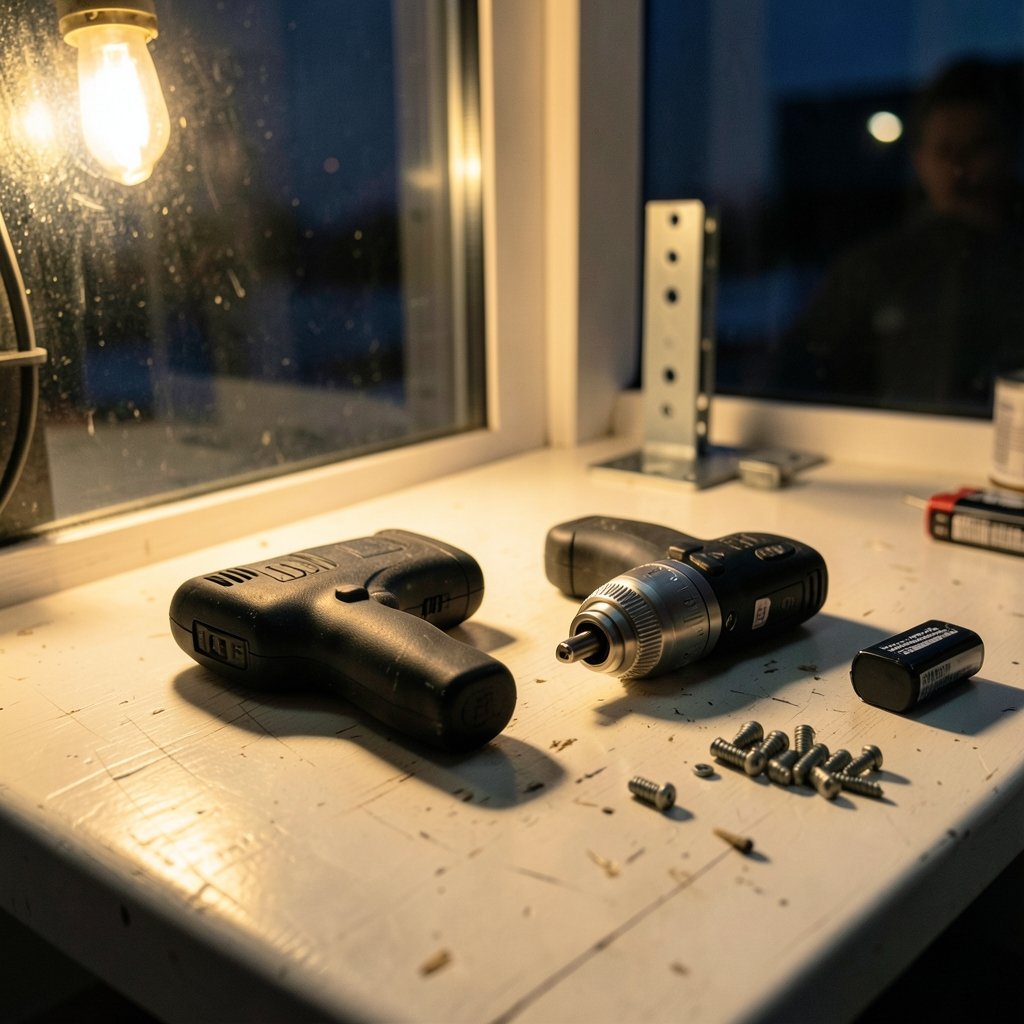
Quick Answer: Are expensive electric screwdrivers worth it?
It depends. Premium electric screwdrivers pay off when you drive screws regularly, work with delicate materials, or need consistent torque, but a mid-priced model usually covers occasional household jobs just fine.
The gap between cheap and expensive models is less about raw power and more about control: electronic clutches, brushless motors, and multi-speed gearboxes. A budget driver can still hang a shelf; it just struggles with repetition and fine work.
Before buying, compare torque figures in newton-metres, clutch settings, battery platform, motor type, warranty terms, and safety certification.
Why the Price Gap Is Bigger Than It Looks
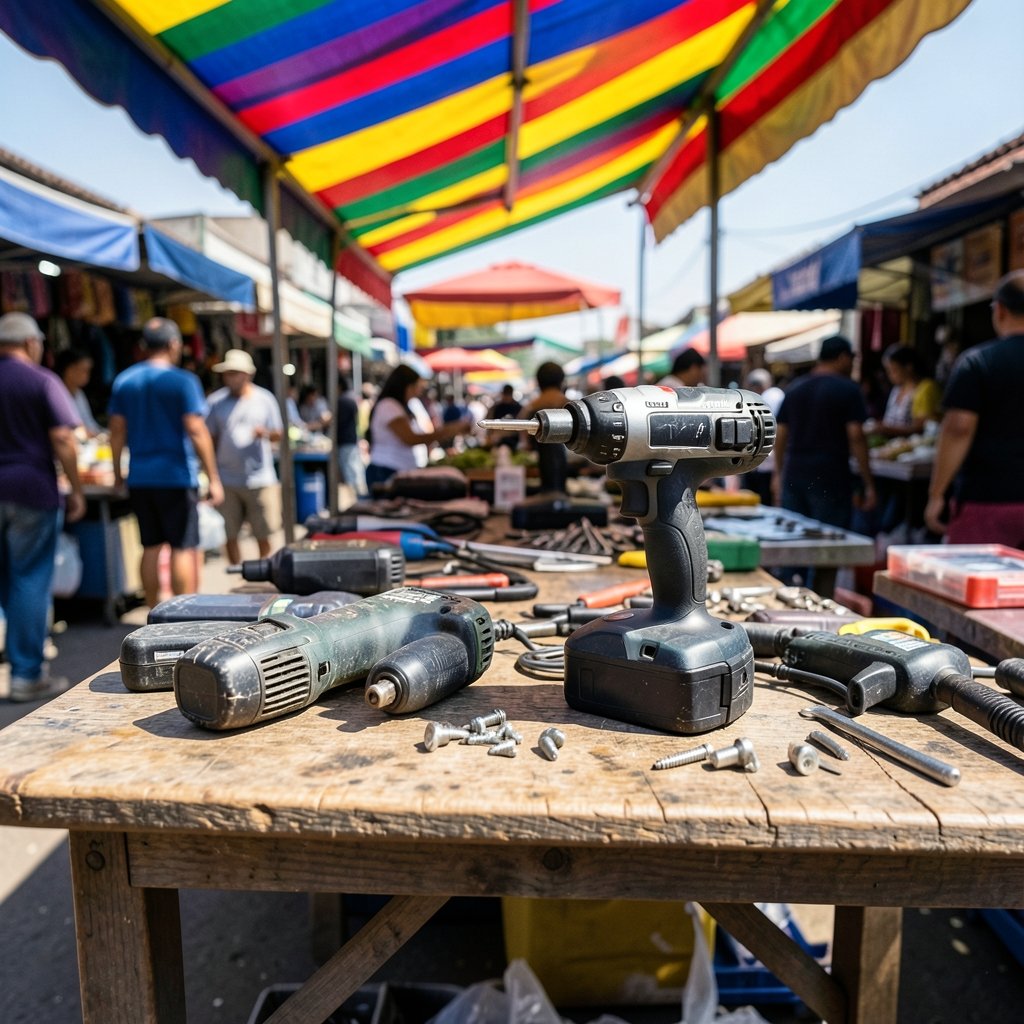
Walk down any tool aisle and you will see cordless screwdrivers priced from about the cost of a takeaway dinner to several times that. The sticker shock makes sense once you realize the purchase includes more than a motor in a plastic shell: you are buying into a system.
Cheap drivers often use brushed motors, a single gear ratio, and a simple on/off trigger. Premium models add brushless motors, adjustable electronic clutches, multiple speed ranges, better batteries, and longer warranties. Each of those features solves a specific problem, and each one costs money.
The real question is whether those problems are your problems. A homeowner who assembles flat-pack furniture twice a year has different needs than someone installing cabinet hardware five days a week. The tool does not know the difference, but your wallet does.
The Features You Are Actually Paying For
Torque control and clutch settings
This is the single biggest practical difference. An adjustable clutch lets you set a threshold where the driver stops turning, which prevents stripped screw heads and split wood. Budget drivers often have one mechanical setting or none at all.
Torque itself is usually listed in newton-metres (Nm), and here is where buyers get tripped up: brands do not report it the same way. Some quote maximum torque, some quote soft-joint torque, and some quote stall torque. Comparing a max-torque figure from one brand against a soft-joint figure from another is apples to oranges. Always check which number you are reading before you assume one tool is stronger.
Brushless versus brushed motors
Brushless motors are generally more efficient and longer-lived than brushed designs because they eliminate the physical brushes that wear down over time. That is an engineering trade-off, not a marketing slogan. If you plan to use a driver hard for years, a brushless motor is often the difference between replacing a tool and keeping it.
Battery platform lock-in
Here is the hidden cost almost nobody mentions at the register: most cordless tools use a brand-specific battery system. Buying an expensive driver often means committing to that brand’s batteries and chargers for years. A cheap driver with a proprietary battery you cannot replace is a false economy; an expensive driver that locks you into a battery platform you do not otherwise use is a different kind of trap.
If you already own tools from one brand, staying in that family usually beats chasing a marginally better spec sheet from a competitor.
Speed ranges and precision
Multi-speed gearboxes matter more than people expect. Low gears give you control for delicate work like driving small screws into softwood or plastic. High gears give you speed for repetitive assembly. A single-speed budget driver forces you to modulate the trigger by feel, which works until it doesn’t.
Where Expensive Models Genuinely Earn Their Price
Daily trade use is the clearest case. Professionals care about durability, serviceability, and consistency, and those are exactly the areas where premium tools pull ahead. A driver that holds torque settings accurately across hundreds of screws saves time and material.
Delicate work is the second case. Cabinet makers, furniture assemblers, and anyone working with veneers or softwoods benefit enormously from fine clutch adjustment. Stripping one screw head in a visible spot can ruin a finished piece.
Long-term ownership is the third. Longer warranties are a concrete, checkable differentiator, though terms vary widely and exclusions, particularly for batteries, are common. Read the fine print before you assume “lifetime” means what you hope it means.
Where Cheap and Mid-Range Drivers Win
Occasional household use does not justify premium pricing. If your driver lives in a drawer and comes out for shelf brackets and toy repairs, the marginal benefit of electronic clutch settings and brushless motors is small. A decent mid-range model will outlive your enthusiasm for the project.
Light-duty tasks also favor simpler tools. Fewer electronics means fewer things to fail. And if you are buying your first driver, spending less leaves budget for good bits, which matter more than most people realize. A premium driver with cheap bits is a waste; a mid-range driver with quality bits is a pleasure.
This same logic of matching spend to actual use shows up in plenty of buying decisions. People weighing subscriptions face similar trade-offs, whether they are asking about Google Drive costs in 2026 and what you actually pay or whether an Xbox Game Pass subscription is worth the real 2025 prices. The pattern is consistent: premium tiers pay off with heavy use and fade with occasional use.
A Side-by-Side Comparison
| Feature | Budget driver | Mid-range driver | Premium driver |
|---|---|---|---|
| Motor type | Brushed | Brushed or brushless | Usually brushless |
| Clutch settings | None or one | Several | Many, finely adjustable |
| Speed ranges | Single | One or two | Two or more |
| Torque reporting | Vague or absent | Listed, inconsistent | Listed, often detailed |
| Battery system | Often proprietary | Brand platform | Brand platform, wide range |
| Warranty | Short | Moderate | Longer, with exclusions |
| Best for | Rare repairs | Most households | Daily and precision work |
The table tells the real story: the jump from budget to mid-range buys you the most practical improvement per dollar. The jump from mid-range to premium buys you durability and precision that only heavy users will notice.
Common Mistakes Buyers Make
The first mistake is comparing torque numbers across brands without checking what kind of torque is being quoted. A number on a box means little if you do not know whether it is maximum or soft-joint torque.
The second is ignoring the battery platform. Buying a driver from a brand you own nothing else from means every future purchase starts over. If you are already invested in a platform, that is usually the deciding factor.
The third is buying more tool than the job requires. A premium driver for twice-yearly furniture assembly is money that could have bought better bits, a second battery, or a proper bit set.
The fourth is skipping safety certification. In the EU, cordless power tools fall under machinery and battery regulations, while in the US, UL listing and consumer safety guidance apply. Certification is not glamorous, but it is checkable, and it matters more than a fancy grip.
The fifth is forgetting that the tool is only half the system. Bits, batteries, and chargers determine how the driver actually performs in your hand.
How to Decide for Your Own Situation
Ask yourself three questions before you buy. How often will you use it? What materials will you drive into? Do you already own batteries from a major brand?
If the answer to the first is “a few times a year,” a mid-range driver is the sensible choice. If it is “most days,” premium features start paying rent. If you work with delicate materials, clutch precision alone can justify the upgrade.
There is a parallel in how people evaluate professional services: the question is rarely “is the premium option better?” but “is it better for this specific workload?” That is the same reasoning behind whether outsourcing data analytics consulting is worth it for a small business or whether outsourcing data engineering makes sense for a small business. Fit beats price tag every time.
Practical Tips That Actually Work
Buy good bits before you buy a better driver. A cheap driver with quality bits outperforms a premium driver with soft, cam-out-prone bits in almost every real scenario.
Test the clutch before you commit to a big project. Drive a few screws into scrap material at different settings and see how the tool behaves. Ten minutes of practice prevents stripped heads later.
Keep one battery charged and one on the charger if you use the driver regularly. Battery anxiety causes rushed, sloppy work.
Store the driver with the bit removed and the battery at moderate charge. This is a small habit that extends battery life.
Check the warranty exclusions in writing. Battery coverage is where most surprises hide.
The Collector’s Corner: A Different Kind of “Worth It”
Not every expensive item is a tool purchase, and not every purchase is about utility. Some people spend serious money on coins, and the logic there is entirely different. If you are curious how that world works, it helps to understand which coins are actually worth money and what drives their value, why certain state quarters hold value while others do not, and how pennies worth money hide in plain sight. The contrast is useful: with tools, value comes from use, while with collectibles, value comes from scarcity and condition.
Conclusion
Expensive electric screwdrivers are worth it for people who use them often, work with delicate materials, or need torque they can trust. For everyone else, a solid mid-range driver with good bits will handle the job and leave money for the things that actually improve results.
The smart move is to match the tool to the task. Check the torque reporting, the clutch settings, the battery platform, the motor type, the warranty terms, and the safety certification. Then buy the driver that fits your real workload, not the one that wins a spec-sheet argument you will never have.
Frequently Asked Questions
Is a brushless motor worth the extra money?
For regular use, yes. Brushless motors are generally more efficient and longer-lived than brushed designs, so the premium tends to pay back over years of use. For occasional household jobs, a brushed motor is perfectly adequate and costs less.
How much torque do I need for household tasks?
Most household tasks, like assembling furniture or hanging brackets, need modest torque. The exact figure matters less than having adjustable clutch settings, which let you stop before you strip a screw head or split softwood. Check whether the quoted number is maximum or soft-joint torque before comparing.
Can a cheap electric screwdriver handle furniture assembly?
Often, yes, with caveats. A budget driver can assemble flat-pack furniture, but it may lack clutch settings that prevent over-driving screws into particle board. If you assemble furniture regularly, a mid-range model with several clutch settings is a worthwhile step up.
Why do torque numbers differ so much between brands?
Brands report torque differently, using maximum, soft-joint, or stall torque figures, and there is no universal standard forcing them to report the same way. That makes cross-brand comparisons unreliable unless you confirm which measurement each brand is quoting.
Should I stay with one battery brand?
Usually, yes. Most cordless tools use brand-specific battery systems, so staying within one platform means your batteries and chargers carry over to future purchases. Buying outside your existing platform is only worth it if the tool itself is clearly better for your work.
Do expensive drivers come with better warranties?
Premium brands commonly offer longer tool warranties than budget lines, but terms vary widely and exclusions, especially for batteries, are common. Read the warranty terms in writing before you buy, and do not assume a longer headline period covers every component.