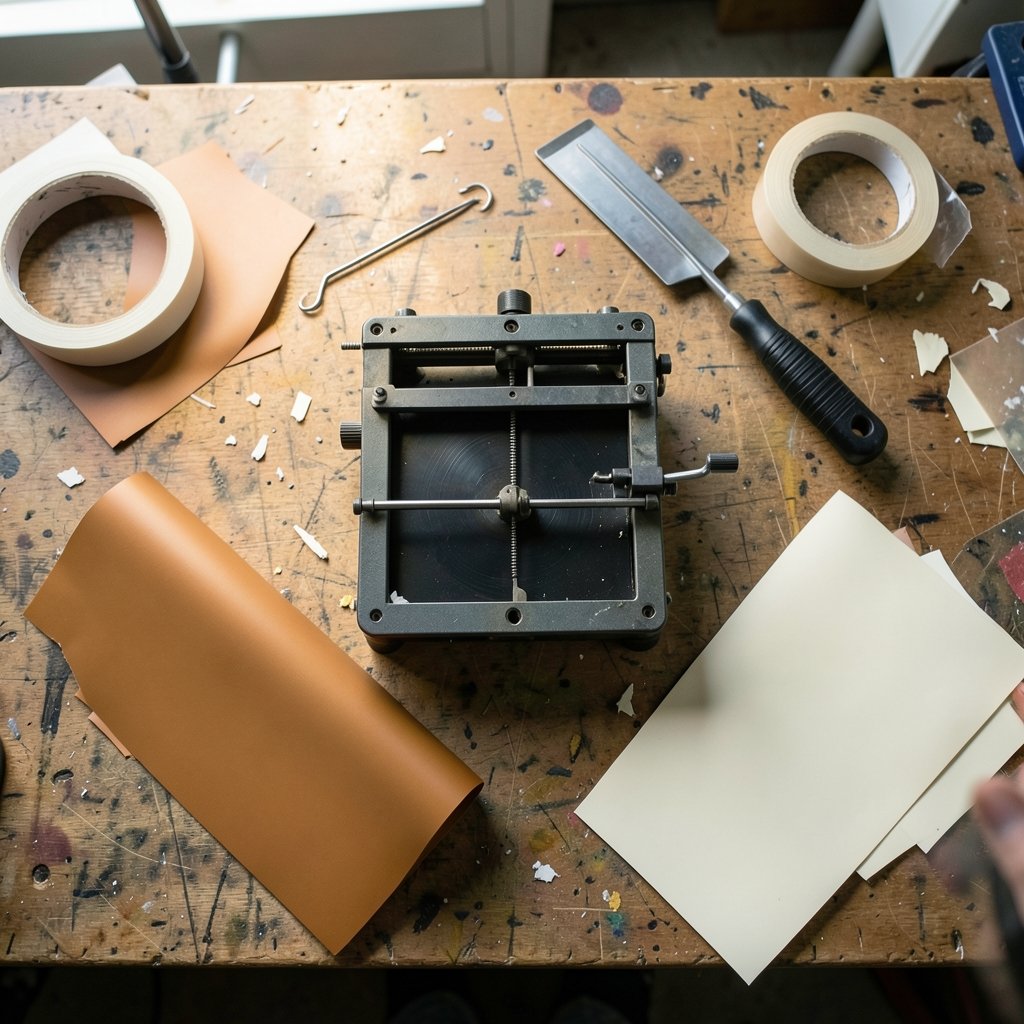
Quick Answer: Are expensive vinyl cutting machines worth it?
It depends. They pay off when you cut daily, work with thick or wide materials, or need registration-mark contour cutting for printed graphics, and they usually waste money for occasional crafters.
Hobby cutters handle vinyl, cardstock, and thin materials well, while professional machines add higher cutting force, wider media support, and longer duty cycles. Some buyers split the difference by starting with a hobby machine and outsourcing production runs until volume justifies an upgrade.
Before deciding, compare cutting force, maximum media width, duty cycle, contour-cutting features, software lock-in and subscriptions, blade and consumable costs, service and parts availability, and resale value.
Why the Price Gap Feels So Wide
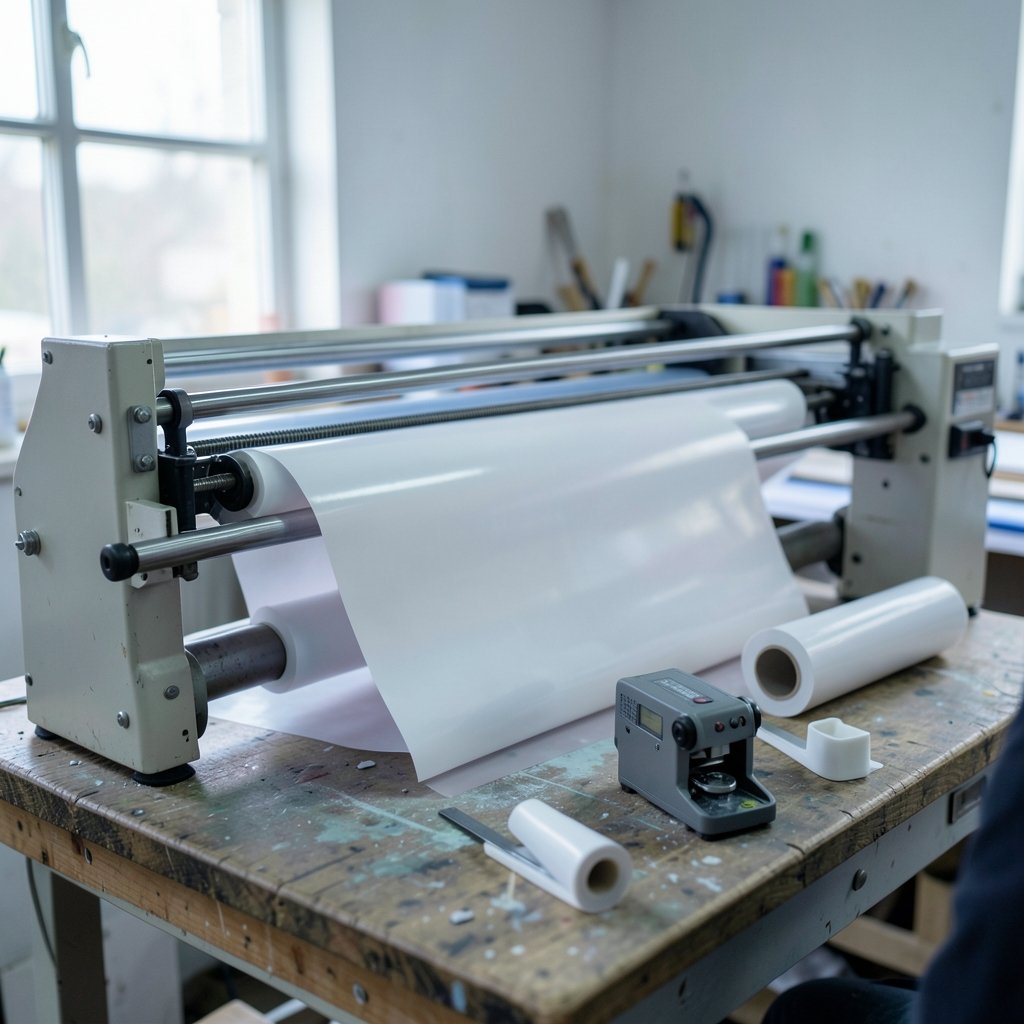
A hobby cutter and a professional cutting plotter can look similar in photos. Both have a carriage, a blade holder, and a feed system. The difference shows up in what happens after hour four of continuous cutting.
Hobby machines are typically built for intermittent use. They cut vinyl, cardstock, and other thin materials well, and they are wonderful for gifts, small Etsy batches, and classroom projects. Professional machines, the kind sold by established plotter brands, are built for continuous duty. They push harder, feed wider media, and hold registration accuracy across long print-and-cut runs.
That engineering gap explains most of the price difference. It does not automatically mean the expensive machine is the right purchase for a given buyer.
What Expensive Machines Actually Do Better
Cutting Force and Material Range
Cutting force is the pressure the blade applies to the material. Thick sign vinyl, reflective film, magnetic sheet, and sandblast stencil all demand more force than a hobby machine can reliably deliver. When a light machine is pushed to its limit, cuts get ragged, blades wear fast, and the job takes repeated passes.
Throughput and Duty Cycle
Duty cycle describes how long a machine can run before it needs a rest. A pro cutter is designed to run all day. A hobby machine that runs all day is being asked to do something it was not built for, and the failure usually shows up as skipped steps, drifting alignment, or a motor that gives out early.
Registration-Mark Contour Cutting
This is the feature that quietly decides the purchase for many small sign shops. Contour cutting uses printed registration marks to align the blade with a printed graphic, so the machine can cut precisely around a printed image. Hobby machines offer limited versions of this workflow. Pro machines treat it as a core function, and the accuracy difference is real on long runs.
Software and File Freedom
Hobby platforms often tie design work to cloud libraries and subscription software. Pro machines typically work with vector software and open file formats, which matters if a shop already runs Adobe Illustrator or receives client-supplied files. Subscription terms change, so check current terms rather than relying on what a friend paid last year.
Service, Parts, and Resale
Pro vendors usually maintain service networks and parts channels. Hobby machines tend to be replaced rather than repaired. Resale value also tends to hold up better on established pro brands, though this varies by market and condition, and nobody should treat it as a guarantee. (State quarters worth money which ones actually hold value)
The Comparison at a Glance
| Factor | Hobby cutter | Professional cutter |
|---|---|---|
| Typical price band | Roughly a few hundred dollars | Roughly $1,500 to $5,000+ for desktop units |
| Best materials | Vinyl, cardstock, thin films | Thick vinyl, reflective film, stencil, wider media |
| Duty cycle | Intermittent use | Continuous production |
| Contour cutting | Limited | Core feature with registration marks |
| Software | Often subscription-based | Vector software, open formats |
| Repair path | Usually replace | Service network and parts |
| Resale | Modest | Generally stronger for established brands |
Those price bands are approximate and move quickly. Anyone quoting a figure should check a dated retailer or manufacturer page on the day of purchase, not a forum post from three years ago.
When the Expensive Machine Pays for Itself
The break-even math is simpler than most buyers expect. It comes down to volume and material, not brand prestige.
A machine pays back through speed, fewer failed jobs, and less material waste. If a shop cuts daily, runs sign vinyl or thick materials, and handles print-and-cut work, the pro machine’s advantages compound. One ruined reflective film job can cost more than a month of the price difference.
For occasional craft work or small-batch personal projects, a hobby machine usually wins on cost. It cuts the same vinyl. It just needs more patience and gentler materials.
A useful middle path: start with a hobby machine, track how often it hits its limits, and outsource overflow production. That approach mirrors what small businesses do in other technical areas, where the question of whether outsourcing machine learning consulting is worth it for a small operation often comes down to volume rather than capability. The same logic applies to a cutter sitting idle five days a week.
Common Mistakes Buyers Make
Buying on price alone. The cheapest pro-tier machine with no local service can cost more over three years than a mid-tier unit with a responsive dealer.
Ignoring the consumables. Blades, blade holders, and cutting strips are recurring costs on both tiers. Pro blades cost more but last longer under heavy use. Budget for them before signing anything.
Forgetting the software bill. A subscription that costs a few dollars a month is easy to dismiss at purchase and annoying by year three. Add it up over the machine’s expected life.
Overbuying width. A wide-format unit that mostly cuts 12-inch decals wastes floor space and money. Match media width to the actual job mix.
Skipping the test cut. Always cut a sample of the real material on the real machine before buying. Spec sheets describe ideal conditions.
Assuming resale is a safety net. Resale helps, but it is not a plan. Markets shift and condition matters.
Where the Money Actually Goes
A buyer comparing a hobby cutter to a pro plotter is really comparing five cost lines: the machine, the software, the consumables, the labor, and the downtime.
Labor is the one people underestimate. A hobby machine that needs three passes and manual re-alignment on a 50-piece order turns a one-hour job into an afternoon. At any reasonable hourly rate, that gap closes the price difference faster than most spreadsheets predict.
Downtime is the other hidden line. A pro machine with a service contract gets fixed in days. A hobby machine that fails mid-order gets replaced, and the order waits. For a business with deadlines, that risk has a price even if it never appears on an invoice.
This pattern shows up far beyond cutting machines. People ask the same question about whether outsourcing data analytics consulting is worth it for a small company, and the answer usually hinges on whether the work is steady enough to justify the fixed cost. A vinyl cutter is no different. Steady work justifies the tool. Sporadic work justifies renting the capability instead.
A Practical Decision Framework
- Estimate monthly cutting hours honestly, using the last three months of real jobs rather than ambition.
- List the materials actually used, including the thickest and widest item.
- Note whether any job requires print-and-cut with registration marks.
- Total the software subscription over three years.
- Price the consumables for a typical month.
- Ask what a failed order costs in refunds and reputation.
- Compare the three-year total for each tier against the revenue the machine supports.
If the pro tier wins on that math, buy it with service included. If it loses, buy the hobby machine and revisit in a year. Buyers who run this exercise often find the answer was never about the machine at all. It was about volume. (Die cutting machine it cuts who its buy)
The same discipline applies to other equipment purchases. A buyer weighing a die cutting machine and who it is actually for faces the same questions about duty cycle and material range. And someone comparing subscription tools, such as whether ChatGPT Plus is worth it in 2026, learns quickly that recurring costs deserve the same scrutiny as the sticker price.
Buying Used: A Realistic Option
Used pro machines can cut the entry price substantially, and for a buyer with basic mechanical confidence, they are often the smartest route into the pro tier.
Three checks matter most. First, ask for a cut sample on the material the buyer intends to use. Second, confirm parts availability for that model, since discontinued models can strand a buyer. Third, verify the software still works with current operating systems, because older cutters sometimes depend on drivers that no longer ship.
A used machine with no service history is a gamble. A used machine from a sign shop upgrading its line, with maintenance records, is a different proposition entirely.
Conclusion
Expensive vinyl cutting machines are worth it for buyers who cut often, cut thick or wide materials, or need accurate print-and-cut work. They are usually a poor fit for occasional crafters who mainly cut thin vinyl and cardstock.
The honest test is not the price tag. It is the job mix. Count the hours, list the materials, add the subscriptions and consumables, and price the downtime. If the numbers show steady production, a professional cutter earns its keep through speed and reliability. If they show a hobby-sized workload, a modest machine plus selective outsourcing will do the job for years.
Frequently Asked Questions
How much cutting force do I need for standard sign vinyl?
Standard sign vinyl cuts at relatively low force, and most hobby machines handle it. The force question becomes urgent with reflective film, magnetic sheet, sandblast stencil, and thick specialty films. Check the material’s recommended settings and confirm the machine’s maximum force exceeds them with headroom.
Can a hobby cutter handle print-and-cut work?
It can handle limited versions of it, but accuracy and repeatability are the weak points on long runs. Professional machines treat registration-mark contour cutting as a core workflow. If printed decals or labels are a regular part of the job, this feature alone often justifies the upgrade.
Do professional cutters really last longer?
They are built for continuous duty, which is a different design goal than intermittent hobby use. A pro machine run daily is doing what it was designed for. A hobby machine run daily is being pushed past its intended cycle. Service networks and parts availability also extend useful life at the pro tier.
Is a subscription required to use a vinyl cutting machine?
Not universally. Hobby platforms often tie design features and cloud libraries to subscription plans, while pro machines typically work with vector software and open file formats. Subscription terms change, so confirm current terms before buying rather than relying on older reviews.
What is a realistic budget for a first professional machine?
Desktop professional cutters have historically landed in the low thousands of dollars, with wide-format production units costing considerably more. Add software, blades, cutting strips, and a service margin. Prices move fast, so verify against a dated retailer or manufacturer listing on the day of purchase.
Does resale value make an expensive machine a safer buy?
It helps, and established pro brands tend to hold value better than hobby machines, but resale should never be the deciding factor. Condition, market timing, and model age all affect what a used unit fetches. Treat resale as a bonus, not a plan.