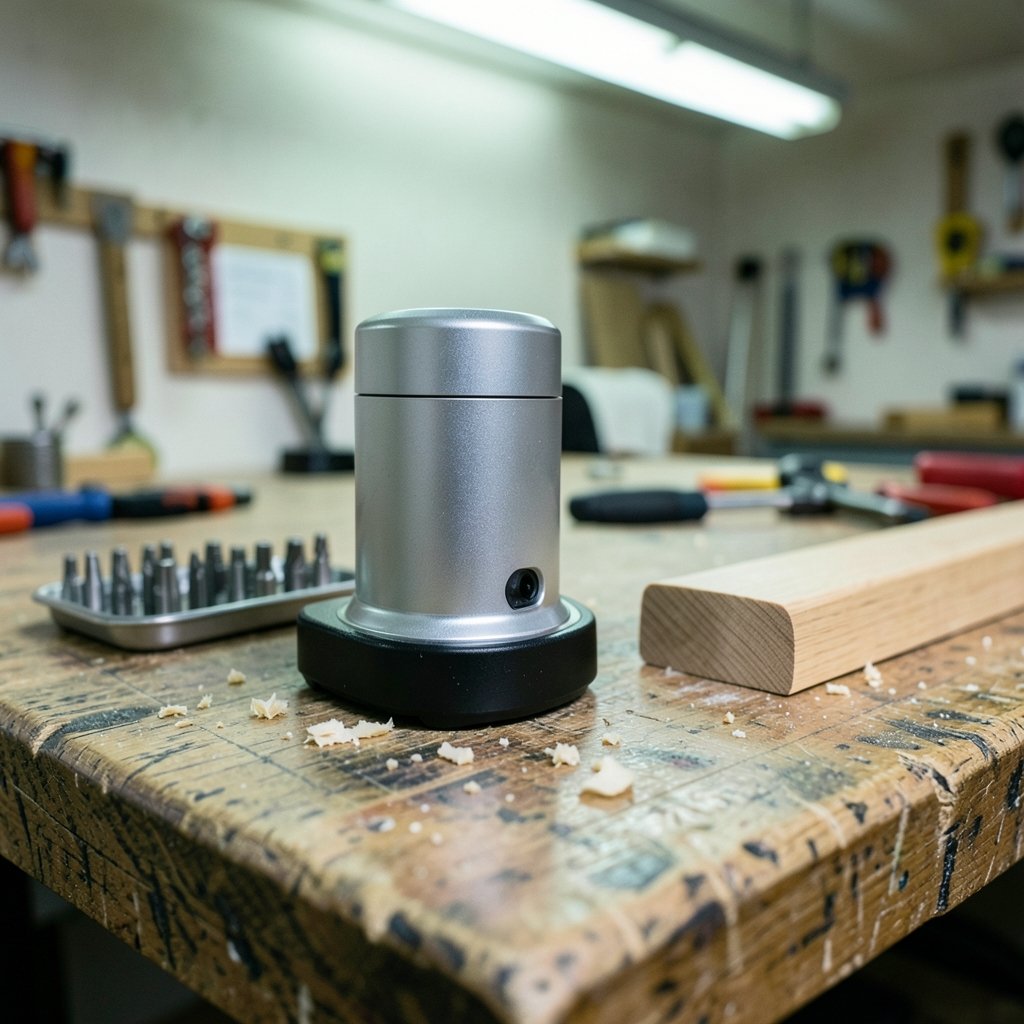
What if the tool that transforms your woodworking the most costs less than a decent set of clamps? That is the promise of a router, and it is why so many woodworkers go shopping for one early. The problem is that “budget” routers are a crowded, confusing category. Some are genuinely great value. Others cut corners in ways you only notice after the return window closes. This guide walks through what separates a smart buy from a false economy, so you can spend less without spending twice.
Why the Router Is the Best Value Tool in a Small Shop
A router does the work of several machines. It cuts dados and rabbets, shapes edges, trims laminate, plunges mortises, and with a jig it can flatten slabs or cut perfect circles. For a hobbyist with limited space, that versatility matters more than raw horsepower.
The catch is that routers come in wildly different sizes, and the cheapest ones are not always the right ones. A trim router and a full-size plunge router both say “router” on the box, but they do different jobs. Buying the wrong class to save money is the most common budget mistake. Before comparing models, decide what you actually need the tool to do.
The Three Budget Router Classes Explained

Most affordable routers fall into one of three groups. Understanding them prevents the classic mistake of buying a trim router to raise panels or a big plunge router to round over picture frames.
| Class | Typical power | Best for | Watch out for |
|---|---|---|---|
| Trim router | Around 1 HP or less | Edge profiles, small bits, laminate, light trimming | Limited bit size, less stable on deep cuts |
| Fixed-base router | Roughly 1.5 to 2.5 HP | Table mounting, edge work, dadoes | Bit changes can be awkward without above-table access |
| Plunge router | Roughly 1.5 to 2.5 HP | Mortises, stopped cuts, variable depth work | Heavier, often pricier, more complex to set up |
A trim router is the budget hero for many beginners, but it is not a substitute for a full-size machine. If you can only buy one router and you plan to build furniture, a mid-size fixed-base or plunge model will serve you longer. If you mostly do small projects and trim work, a trim router stretches every dollar.
Collets, Bits, and the 1/4 vs 1/2 Inch Decision
The collet is the collar that grips the bit shank. Most budget routers use a 1/4-inch collet, while larger routers often accept 1/2-inch shank bits. This is not a trivial detail.
Half-inch shanks are stiffer, run smoother, and handle larger-diameter bits with less chatter. Quarter-inch bits are fine for small profiles and light cuts, but a big panel-raising bit on a 1/4-inch shank is asking for vibration and poor finishes. If a budget router offers both collet sizes, that flexibility is worth paying a little more for.
Also check what comes in the box. Many budget routers ship with a single collet and no reducer, so confirm the included sizes before you buy. Bits are sold separately, and a starter set of decent 1/4-inch bits will often cost as much as a trim router itself. Budget for that.
Variable Speed, Soft Start, and Electronic Feedback
These three features separate entry-level routers from mid-range ones, and they matter more than most shoppers realize.
Variable speed lets you slow the bit for large-diameter cutters and some materials. Spinning a big bit at full speed generates heat and burn marks. If you plan to use raised-panel bits or work with plastics, variable speed is close to essential.
Soft start ramps the motor up gradually instead of lurching to full speed. It sounds minor until you use a router without it. Electronic feedback (sometimes called constant speed) keeps the RPM steady under load, so the cut stays clean when the bit meets resistance.
The cheapest routers often lack all three. That does not make them bad, but it does limit what they can safely and cleanly do. Know which features you are giving up and whether you will miss them.
Fixed-Base vs Plunge: Which Budget Router Earns Its Place
A fixed-base router holds the motor at one depth. You set depth, lock it, and cut. It is simple, stable, and ideal for table mounting. Many fixed-base kits include a plunge base, which is the best of both worlds if the budget stretches.
A plunge router lets you lower the bit into the work while the motor runs. That makes it the right tool for mortises, stopped grooves, and any cut that starts and ends in the middle of a board. Plunge routers are heavier and usually cost more, but they are more versatile for joinery.
For a first router on a tight budget, a fixed-base model with a plunge base included is often the smartest buy. If you find a plunge-only router at a good price and you do mostly joinery, that works too. Match the tool to your projects, not to the spec sheet.
What Budget Routers Cut Corners On
Every budget tool saves money somewhere. Knowing where helps you judge whether the savings are acceptable. Common trade-offs include:
- Plastic or thin metal base plates that flex under load or wear quickly
- No dust collection port, which means chips everywhere and poorer visibility
- Missing edge guide or template guide bushings in the box
- Coarse depth adjustment that makes fine tuning frustrating
- Short power cords and no case
- Limited or no warranty support in some regions
None of these is automatically a dealbreaker. A flexing base is a real problem, though, because it affects cut quality directly. A missing edge guide is easy to fix with an aftermarket one. Weigh each trade-off against how you will actually use the tool.
Safety Standards Worth Checking
Routers spin sharp cutters at high speed, so safety is not optional. In the United States, hand-held electric motor-operated tools, including routers, fall under the UL 62841 series of standards. In Europe, the equivalent family is EN 62841. These standards cover things like guarding, electrical safety, and markings.
A budget router that carries a recognized safety certification is a safer bet than one with no clear marking. It also signals that the manufacturer took the product seriously enough to test it. Check the label and the manual before you commit.
Beyond certification, practice matters. Feed direction, bit sharpness, and secure workholding prevent most router accidents. Climb cutting, where the bit pulls the router toward the work, is a technique for experienced users only. For everyone else, feed against the rotation and keep both hands on the handles.
Setting Up a Budget Router So It Performs Like a Better One
A cheap router set up well will outperform an expensive one set up badly. These steps make the biggest difference:
- Mount it in a table if you can. A router table turns a modest fixed-base router into a precise, repeatable tool. Many budget routers accept standard table plates.
- Upgrade the base plate. A flat, rigid aftermarket base reduces flex and improves accuracy for very little money.
- Use sharp, quality bits. Dull bits force you to push harder, which causes burning and kickback. Buy fewer, better bits.
- Take lighter passes. Two or three shallow passes beat one deep cut every time, especially on a lower-powered motor.
- Add dust collection. Even a shop vacuum adapter taped to the base improves visibility and keeps the cut cooler.
If you are building out a whole budget workshop, it helps to compare how other gear fits the same spending plan. Guides like which budget gaming chairs worth buying without regret show the same principle: spend where it affects daily use, save where it does not. The same logic applies to routers, clamps, and benches.
Matching a Router to Your Project List
The best budget router is the one that fits the work you actually do. Here is a practical way to decide.
If your projects are small boxes, picture frames, edge profiles, and light trim, a trim router covers most of it. It is light, easy to control one-handed, and cheap enough that you can add a second router later without regret.
If you build furniture, cabinets, or anything with joinery, a mid-size fixed-base or plunge router is the better anchor for your shop. It handles bigger bits, mounts in a table, and grows with your skills.
If you want one tool to do everything, look for a combo kit with both fixed and plunge bases. That flexibility usually costs less than buying two separate routers, and it covers nearly every task a hobbyist faces.
For anyone assembling a broader budget kit, it is worth seeing how other purchases compare. Articles like best gaming laptops under 1000 actually fits budget and which budget gaming routers worth buying 2026 use the same framework of matching spend to real use. The tool category changes; the decision process does not. If you are also planning a workspace upgrade, ideas like small kitchen remodeling ideas budget smart upgrades that show how small, targeted spending beats big, unfocused purchases.
Common Mistakes Budget Router Buyers Make
The same errors show up again and again. Avoiding them saves money and frustration.
Buying on horsepower alone. A 2.5 HP router with a sloppy base and no variable speed is less useful than a well-built 1.75 HP model. Power is not the whole story.
Skipping the bit budget. New buyers often spend everything on the router and then buy the cheapest bit set available. Dull, poorly balanced bits ruin finishes and stress the motor.
Ignoring the table option. Many budget routers are far more capable in a table than handheld. If you have space, plan for a table from the start.
Overlooking ergonomics. A heavy router with awkward handles tires you out and reduces control. Handle it before buying if you can, or read closely about weight and grip.
Forgetting about service and parts. Cheap routers with no parts availability become disposable. A brand with a real warranty and available collets and bases is worth a small premium.
If spreadsheets help you plan tool purchases, a simple template keeps the spending honest. Resources like best free budget templates that actually work real life can help you track what you have spent and what is left for bits and jigs.
When Spending a Little More Pays Off
Budget does not mean cheapest. A few upgrades reliably justify a higher price:
- Both collet sizes for bit flexibility
- Variable speed for large bits and specialty materials
- A metal base that stays flat
- A plunge base included in the kit
- A recognized safety certification and clear manual
Each of these affects daily use. If a router costs 20 percent more but includes all five, it is usually the better buy. The cheapest option is only a bargain if it does the job without workarounds.
Conclusion
The best budget woodworking router is not the one with the lowest price tag. It is the one that matches your projects, holds a bit securely, and lets you cut accurately without fighting the tool. Decide on the class first, check the collet sizes and speed controls, and budget for decent bits from day one. Set the router up properly, take light passes, and add a table when you can. Do that, and a modestly priced router will handle everything from edge profiles to joinery for years. Spend where it changes the cut, save where it does not, and let the work decide whether the tool was worth it.
FAQ
What is the best budget router for a beginner?
A trim router or a mid-size fixed-base model with a plunge base included is the safest starting point. Trim routers are cheap, light, and easy to control. Fixed-base kits cover more tasks and mount in a table. Match the choice to your project list rather than buying the absolute cheapest option.
Do I need a 1/2-inch collet on a budget router?
Not always, but it helps. Half-inch shanks handle larger bits with less vibration. If you plan to use raised-panel or big profiling bits, look for a router that accepts both 1/4-inch and 1/2-inch shanks. For small bits and light work, a 1/4-inch collet is fine.
Is variable speed worth paying extra for?
Yes, if you use large-diameter bits or cut plastics and other specialty materials. Variable speed lets you slow the bit to reduce heat and burning. If you only use small bits in softwood, you can skip it, but it is one of the most useful upgrades on a budget router.
Can a cheap router be mounted in a table?
Most fixed-base routers can be mounted in a table, and many budget models accept standard table plates. A table transforms a modest router into a precise, repeatable tool. Check the base dimensions and plate compatibility before buying, and consider an aftermarket base plate for better flatness.
What safety certification should I look for?
In the United States, look for the UL 62841 series marking on hand-held electric tools, including routers. In Europe, the equivalent is the EN 62841 family. A recognized certification shows the tool was tested to safety standards. Always read the manual and follow safe feeding and workholding practices.
How much should I budget for router bits?
Plan for a bit set that costs a meaningful fraction of the router price. A few sharp, well-balanced bits outperform a large set of cheap ones. Start with the profiles your projects need, such as round-over, straight, and chamfer bits, and add more as your work grows.