
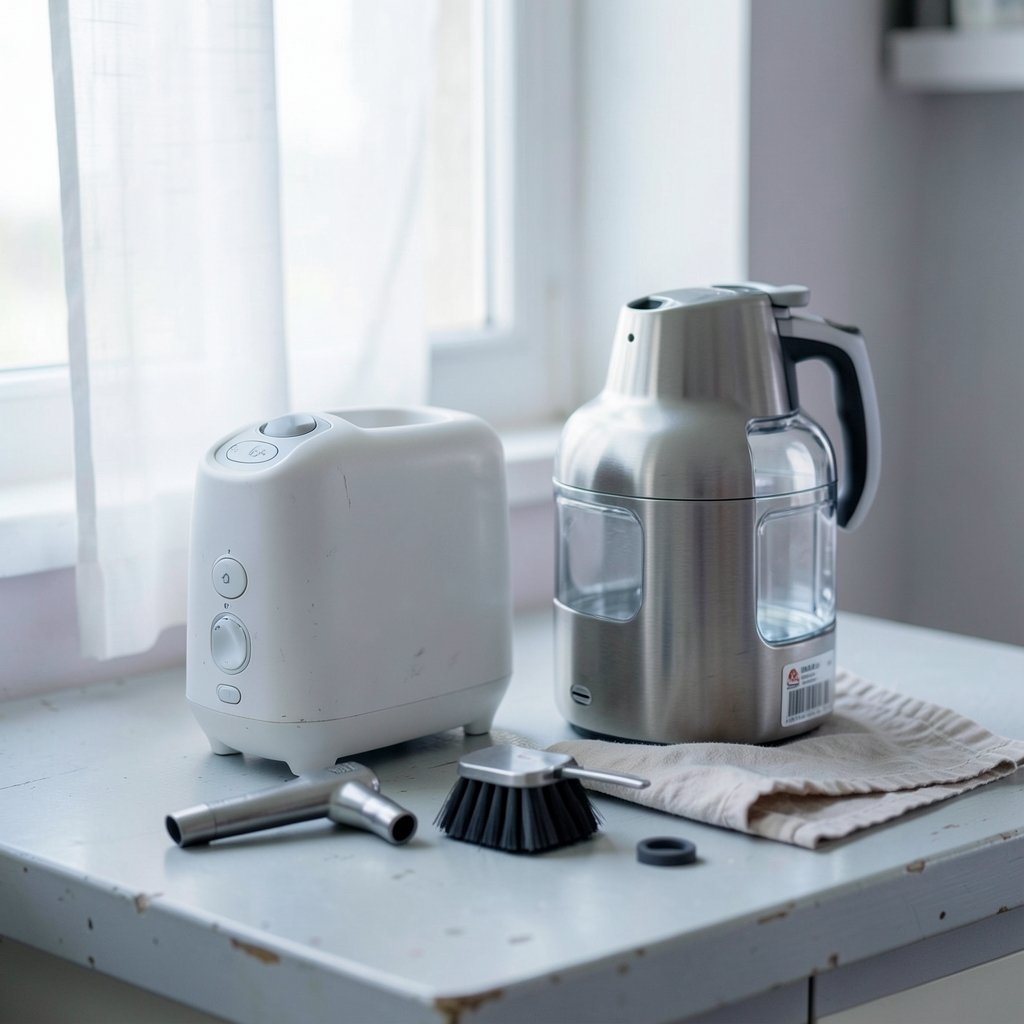
Quick Answer: Are expensive handheld steam cleaners worth it?
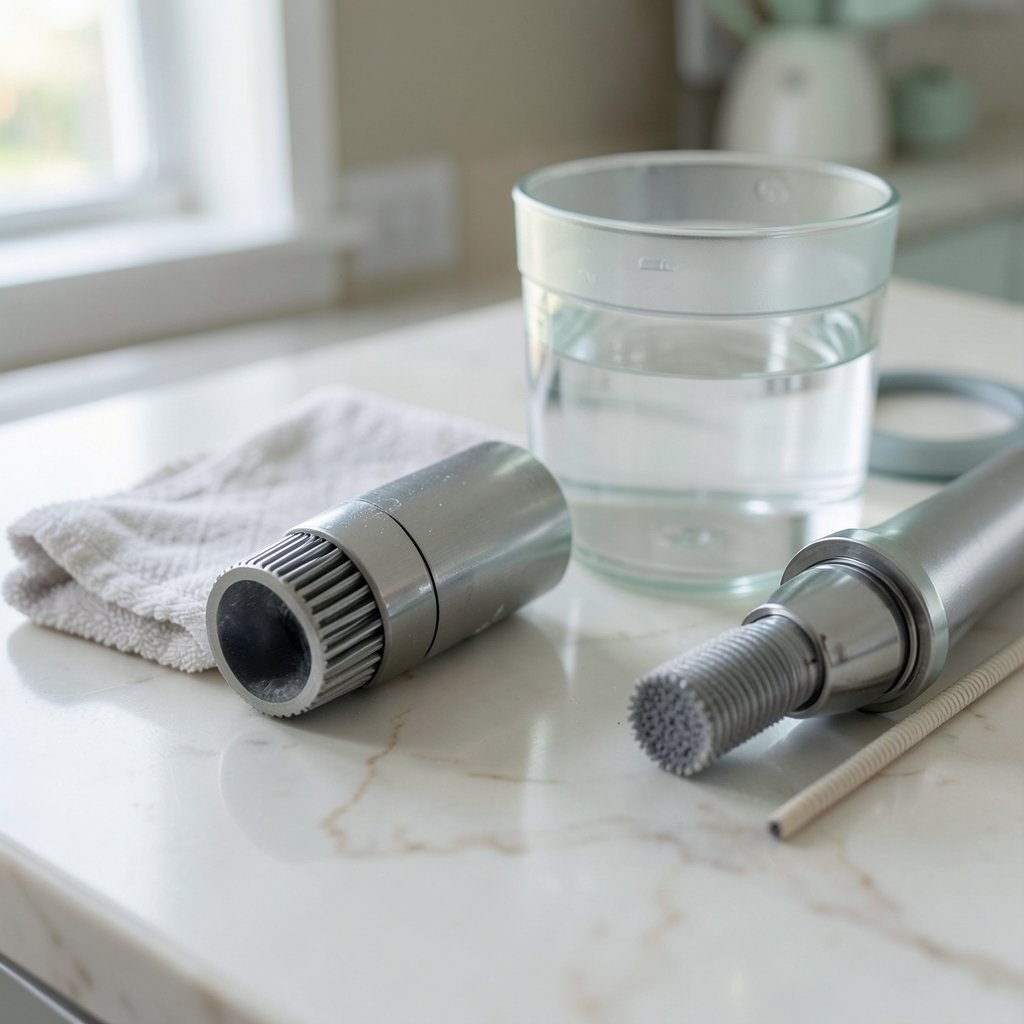
It depends. Premium handheld steam cleaners make sense if you clean often, want spare parts and a real warranty, and value faster heat-up and steadier steam; for light, occasional jobs a mid-range unit usually does the same work for less.
The gap between a $60 unit and a $200 one is rarely about raw cleaning power. It is about build quality, repairability, tank design, and how long the thing lasts before scale or a failed pump ends its life.
Before buying, compare nozzle temperature and heat-up time, tank size and refill design, descaling and filtration, warranty length and spare-part availability, safety certification, weight in hand, and the true cost of replacement parts.
A quick walk through any home-goods aisle, or a scroll through any marketplace, throws up the same spread: tiny handheld steam cleaners for the price of a takeaway meal, and premium models that cost more than a decent vacuum. Both promise to blast grease off a stovetop and freshen a sofa. So what is the extra money actually buying, and when does it stop being a smart upgrade and start being a status purchase?
The honest answer is that expensive handheld steam cleaners are worth it for some households and a waste for others, and the dividing line has almost nothing to do with the number on the price tag. It comes down to how often the tool leaves the cupboard, how hard the water is where you live, and whether you plan to keep the thing for five years or five months.
What you are actually paying for when the price climbs
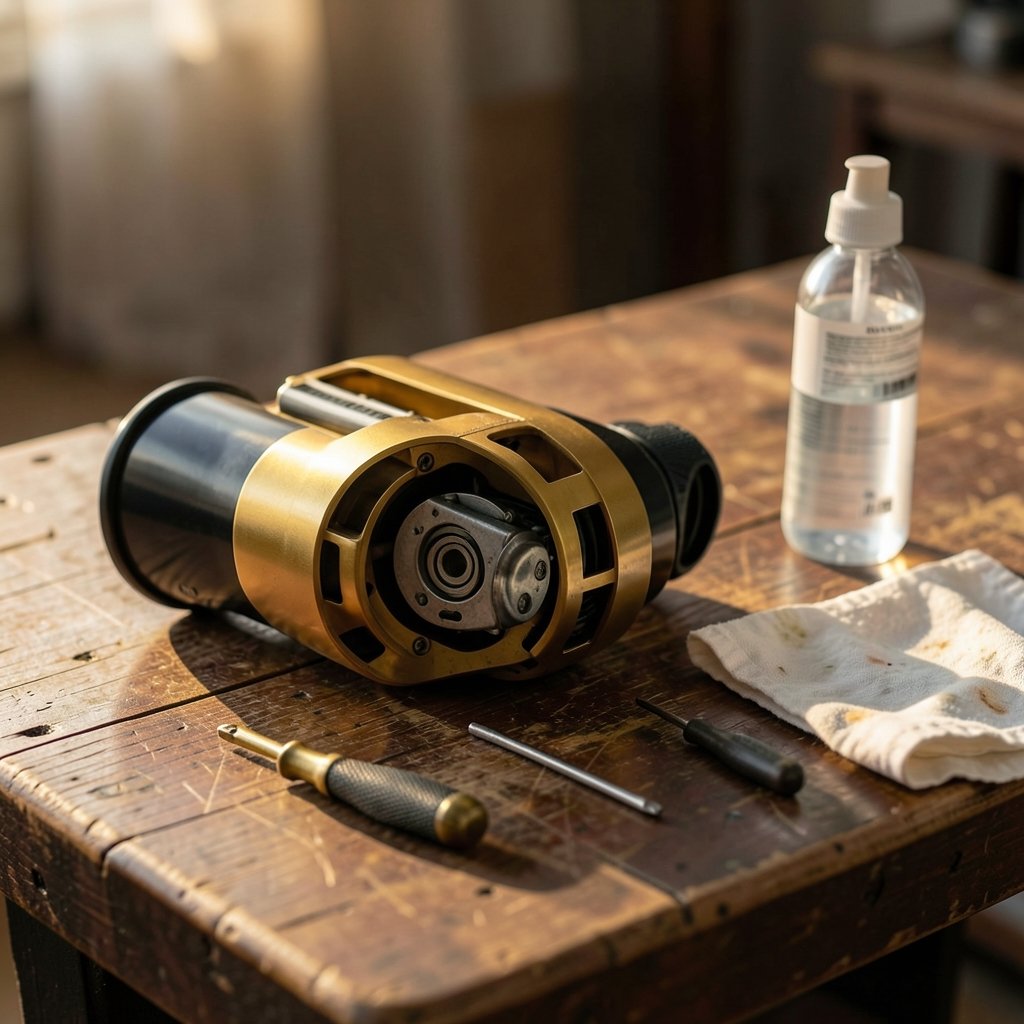

Strip away the marketing and a steam cleaner is a simple machine: a heating element, a pump, a tank, a thermostat, and a nozzle. The physics do not change when the price does. What changes is the quality of each part and how thoughtfully they are put together.
Cheap units often use thinner plastics, sealed housings that cannot be opened, and heating elements that scale up quickly. Premium units tend to offer removable or refillable tanks, better filtration, descaling indicators, and metal where it matters. That is the real difference, and it shows up over months of use rather than in the first five minutes.
Temperature and steam quality
Many handheld steam cleaners produce steam somewhere in the rough range of 100 to 150 °C at the nozzle, but that steam cools fast the moment it meets a surface. What matters for cleaning and for any germ-killing claim is sustained surface temperature and contact time, not the headline number on the box. A pricier unit may hold a steadier output, which helps, but price alone does not guarantee a hotter or more effective clean. Public-health guidance treats steam as a cleaning method first; disinfection claims depend on temperature, dwell time, and the surface itself, so any “kills 99.9% of germs” badge deserves a look at the manufacturer’s actual test conditions.
Build, repairability, and parts
This is where expensive models most often justify themselves. Premium brands more often offer multi-year warranties and sell spare parts, while budget units are frequently sealed and non-repairable. If a $50 cleaner’s pump dies in year two, you buy another one. If a $200 cleaner’s pump dies, you may be able to order a replacement. For heavy users, that single difference can pay for the premium.
Safety certification is a baseline, not a bonus
Handheld steam cleaners sold as consumer appliances fall under recognized safety standards, such as UL 60335-2-79-type requirements in the US and the EN 60335 series in the EU. Certification matters, but it is a floor, not a differentiator. A cheap certified unit is not automatically less safe than an expensive certified one. Do not let a certification badge alone talk you into a higher price.
The hidden cost nobody mentions: your water
Here is the failure mode that catches almost everyone, and it hits cheap and expensive models alike: hard-water scale. Units without good filtration or a regular descaling routine clog, lose pressure, and eventually stop steaming properly. Premium models more often include removable tanks and descaling indicators that make the routine easier, but they are not immune.
Practical habits that actually work:
- Use filtered or distilled water if your tap water is hard.
- Empty the tank after every use rather than leaving water sitting in it.
- Descale on the schedule the manual gives, not when performance drops.
- Never add vinegar or home descaling mixtures unless the manufacturer explicitly allows it, since some heating elements and seals do not tolerate acid.
A common mistake is blaming the machine for weak steam when the real culprit is a scaled element after six months of unfiltered tap water. Before you conclude a cleaner is bad, check the water and the descaling history.
Running costs are small, so the purchase price dominates
It is easy to assume a steam cleaner will show up on the energy bill. In practice, handheld units typically draw around 1,000 to 1,500 W and use only a few hundred milliliters of water per tank, so running costs stay low relative to what you paid for the device. That means the financial case for or against an expensive model rests almost entirely on the upfront price and how long the unit lasts, not on electricity or water. If you want to estimate it yourself, the standard method for appliance energy use is straightforward: wattage times hours of use, converted to your local rate.
When expensive handheld steam cleaners are worth it
For some people, the premium pays back quickly. Consider the expensive route if most of these apply:
- You clean several times a week, not once a season.
- You tackle grout, upholstery, car interiors, or bathroom tile regularly.
- Your water is hard and you want a unit designed to be descaled easily.
- You value a multi-year warranty and the ability to buy spare parts.
- You want faster heat-up and steadier steam for longer sessions.
In those cases, durability and parts availability matter far more than headline features, and a repairable unit often outlasts two or three disposable ones.
When a mid-range model is the smarter buy
For occasional light cleaning, a mid-range unit often does everything you need. If you mainly want to freshen a mattress, blast a stovetop, or steam a few tiles now and then, the premium features rarely earn their keep. The same logic applies across the handheld world: matching the tool to daily habits matters more than chasing the top spec. That is the thinking behind guides like Ayn thor vs steam deck choosing right handheld daily play, and it holds for cleaning gear too.
A sensible middle path is to buy a well-reviewed mid-range cleaner, treat your water properly, and replace it when it genuinely fails. You will usually spend less over five years than someone who buys a premium unit and never descales it.
A realistic comparison of what each tier gives you
| Factor | Budget unit | Mid-range unit | Premium unit |
|---|---|---|---|
| Typical price band | Lowest | Moderate | Highest |
| Heat-up speed | Slower, variable | Reasonable | Usually fastest |
| Tank design | Often fixed | Sometimes removable | Often removable, easy refill |
| Descaling support | Minimal | Basic | Indicators and guidance |
| Warranty | Short | Standard | Often multi-year |
| Spare parts | Rarely available | Sometimes | More often available |
| Best for | Rare, light jobs | Regular light-to-medium use | Frequent, heavy use |
The table is a pattern, not a rule. Individual models break it in both directions, which is why checking the specific unit beats trusting the tier.
How to judge a premium price before you pay it
Before handing over extra money, run a short checklist. Ask what the warranty actually covers and for how long, whether spare parts and replacement tanks are sold, and whether the manual explains descaling clearly. Check the weight in your hand, since a heavy unit that claims to be portable can become tiring on a ladder. Confirm the tank is removable if refilling mid-job matters to you.
Then examine the claims closely. If the premium rests on “sanitising” language, consumer-protection law gives buyers recourse against deceptive advertising, and misleading claims are regulated in both the US and the UK. A premium price should buy measurable durability and support, rather than confident wording on the box alone.
Common mistakes that make any steam cleaner feel like a waste
The most frequent regret is buying too much machine for too little use. A premium cleaner that sits in a cupboard for eleven months is worse value than a cheap one used weekly. The second is skipping maintenance, which quietly kills performance regardless of price. The third is expecting steam to replace scrubbing entirely; it loosens grime, but contact time and a wipe still do real work.
A fourth mistake is ignoring ergonomics. Long sessions with a heavy unit and a stiff trigger wear out your hand fast. Try before you buy if you can, or at least read enough reviews to understand how the trigger and balance feel in real use. The same principle of matching hardware to real habits shows up in broader buying guides, such as which budget gaming handhelds are worth buying in 2026, where the cheapest option is rarely the best and the priciest is rarely necessary.
Where the “worth it” question gets murky
Two things make a clean verdict hard. First, manufacturer sanitising claims are often based on test conditions that differ from your kitchen, so independent comparisons are scarce. Second, there is no reliable public dataset comparing durability across price tiers, which means much of the premium-versus-budget debate rests on design observation rather than hard numbers. That is not a reason to avoid premium units; it is a reason to weigh warranty and parts availability, which you can verify, over vague performance claims you cannot.
If you enjoy comparing how different devices earn their price, the same balanced logic appears in pieces like Steam deck worth buying beginners everyday use and Steam deck vs rog ally x which handheld pc fits you play. The lesson transfers neatly: the right buy depends on how you will actually use it.
Conclusion
Expensive handheld steam cleaners are worth it when the machine will work hard, when your water is hard, and when a warranty and spare parts mean you keep it for years instead of replacing it. They are poor value when the tool comes out twice a year and sits idle the rest of the time. The price tag tells you very little on its own. What tells you everything is your cleaning routine, your water quality, and whether you will actually maintain the unit. Buy for the way you clean, descale on schedule, and the right model, whatever it costs, will earn its place in the cupboard.
Frequently Asked Questions
Do expensive steam cleaners clean better than cheap ones?
Not necessarily in raw cleaning power. The gap is usually in build quality, steadier steam output, easier descaling, warranty length, and spare-part availability. A well-maintained mid-range unit can clean just as well as a premium one on a single job; the premium tends to win over years of heavy use.
How long should a handheld steam cleaner last?
It varies widely by model and maintenance. Units that are descaled regularly and fed filtered water generally outlast neglected ones, and repairable models with available parts can be kept running far longer than sealed budget units. There is no reliable public dataset on average lifespan, so warranty length is the most concrete guide.
Is distilled water really necessary in a steam cleaner?
It is strongly advisable if your tap water is hard. Minerals in hard water form scale on the heating element, which reduces pressure and can eventually clog the unit. Filtered water is a reasonable middle ground; check your manual, since some manufacturers specify distilled only.
Can a handheld steam cleaner disinfect surfaces?
Steam is primarily a cleaning method. Any disinfection effect depends on sustained surface temperature and contact time, and handheld units vary widely in both. Treat “kills 99.9% of germs” claims cautiously and check the manufacturer’s stated test conditions rather than assuming the badge applies to your kitchen.
Are premium steam cleaners cheaper to run?
Running costs are modest across the board. Handheld units typically draw around 1,000 to 1,500 W and use small water volumes, so electricity and water costs stay low relative to the purchase price. The real financial difference between tiers is upfront cost and how long the device lasts.
What should I check first before paying a premium price?
Check the warranty terms and length, whether spare parts and tanks are sold, how easy descaling is, whether the tank is removable, and how the unit feels in your hand. If those boxes are ticked and you clean often, the premium is easier to justify than any headline feature.



