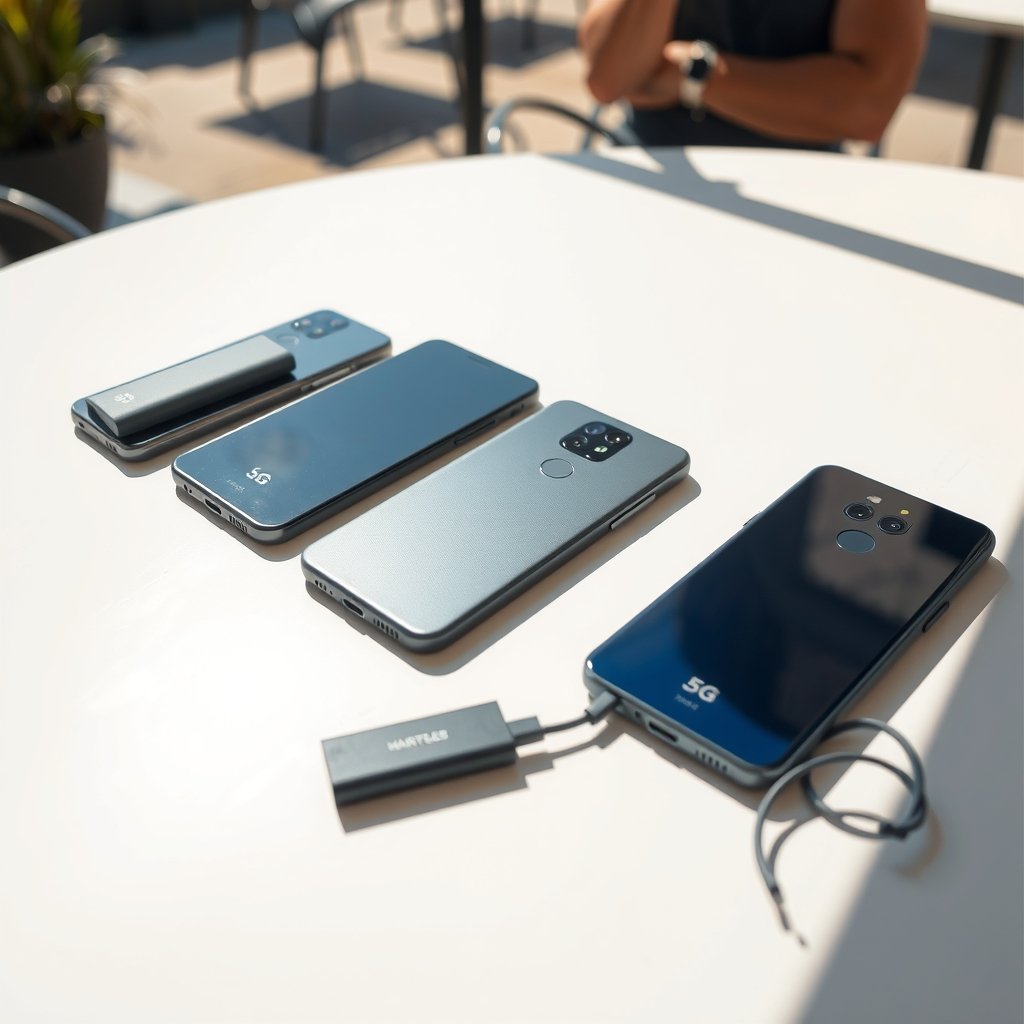
What if the phone you buy in 2027 could still feel fast in 2032? That is the real promise behind the 16GB RAM and 512GB storage combo. It is no longer just a spec-sheet flex. It is a practical way to skip a couple of upgrade cycles.
The catch is that not every phone with those numbers is worth your money. Some pair big memory with a weak chip. Others bury the 512GB model behind a regional launch or a premium price. This guide breaks down which kinds of 5G phones actually deliver, what to check before you buy, and where the traps hide.
Why 16GB RAM and 512GB Storage Became the 2027 Sweet Spot
Memory and storage have quietly become the new battleground. Mid-range phones now ship with battery capacities that would have looked absurd a few years ago. Reporting on China’s early 2027 phone wave highlighted models with 16GB of RAM and 512GB of storage paired with batteries above 8000mAh, marketed as smooth enough to last until 2031. That is a big shift. Big memory is no longer reserved for flagship tiers.
The logic is simple. Apps are heavier. Cameras shoot bigger files. System updates run longer. A phone with 16GB of RAM keeps more apps alive in the background, and 512GB of storage means you stop deleting photos to make room for a game update.
There is a real-world catch, though. RAM size alone does not make a phone fast. A well-tuned 12GB phone can beat a poorly optimized 16GB one. If you want the deeper technical picture on how memory size changes gaming and multitasking behavior, this breakdown of 16gb vs 32gb ram gaming where 32gb helps where it doesnt explains where extra memory actually pays off and where it is wasted.
What Actually Separates a Good 2027 5G Phone From a Bad One
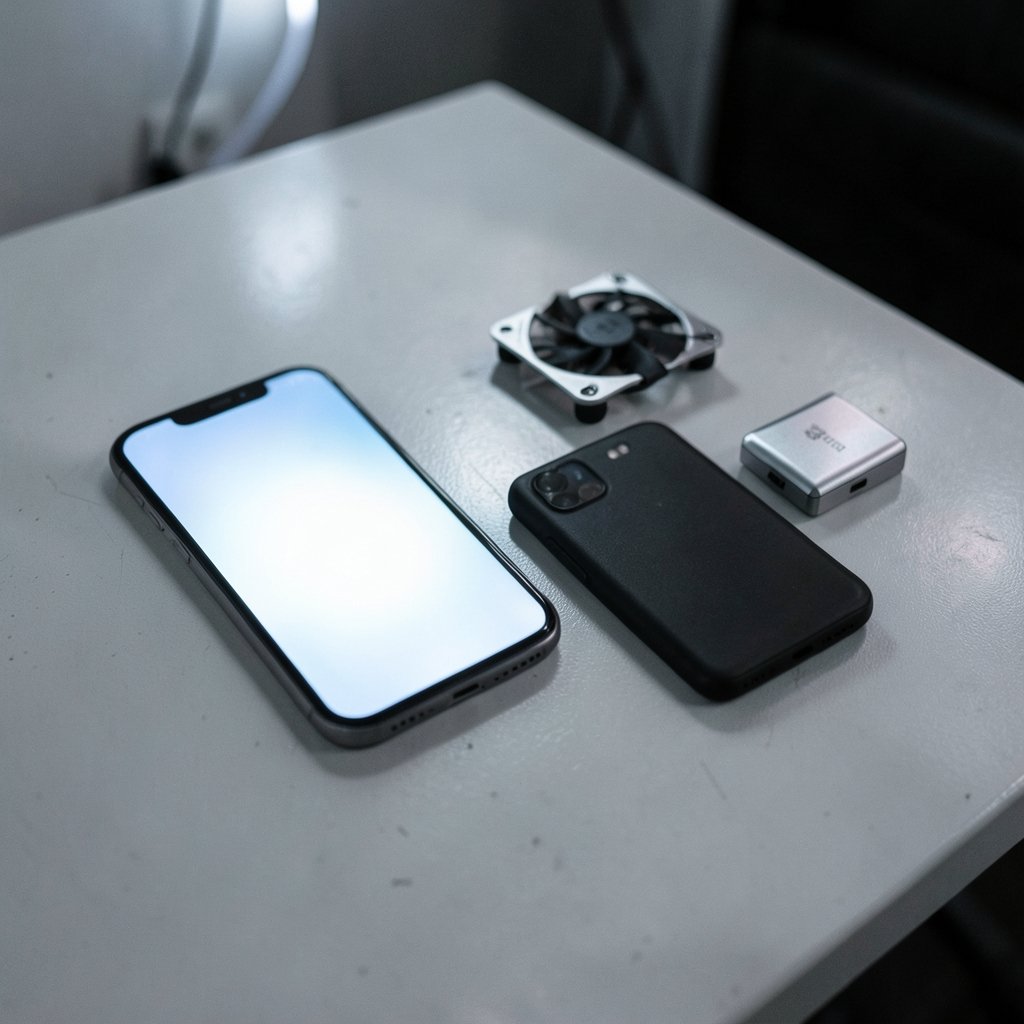
Shopping by spec sheet is the most common mistake buyers make. Two phones can both say “16GB + 512GB” and feel completely different in your hand after a month. Here is what matters more than the headline numbers.
The chipset decides everything
A flagship-grade processor keeps the phone responsive for years. A mid-tier chip with the same RAM will start to show its age sooner, especially under heat. Look for a current-generation flagship or near-flagship chip rather than an older one rebadged with more memory.
Storage speed as well as storage size
512GB of slow storage feels worse than 256GB of fast storage. Fast internal memory makes app installs, camera bursts, and file transfers quicker. Most brands do not advertise this clearly, so check reviews that test real transfer speeds.
Display quality and refresh rate
High refresh rate panels are now standard across price tiers. A 120Hz or 144Hz AMOLED screen makes scrolling feel smoother and reduces eye strain. Brightness matters just as much. Peak brightness figures above 2000 nits show up on mid-range models now, which helps a lot in direct sunlight.
Battery and charging
Big batteries are the quiet hero of this generation. Phones with 7000mAh to 10000mAh cells are appearing at prices that would have seemed impossible before. Fast charging speeds of 80W to 100W are common on the better models.
Software support length
This is the spec nobody puts on a billboard, but it decides whether your phone is still secure in 2031. Check how many years of OS and security updates the brand promises before you commit.
The Phone Categories Worth Considering
The 2027 market splits into a few clear buckets. Each suits a different kind of buyer.
| Category | What You Get | Best For | Watch Out For |
|---|---|---|---|
| Flagship | Top chip, best cameras, longest updates | Buyers who keep phones 4-5 years | Highest price, heaviest |
| Gaming-focused | Big battery, cooling fan, high refresh screen | Heavy gamers | Bulky, camera often average |
| Value mid-range | 16GB/512GB at low price, huge battery | Budget-conscious power users | Slower updates, weaker cameras |
| Camera-first | Large sensors, optical zoom | Photographers | Often pricier per spec |
Gaming phones deserve a special mention. Some 2027 models pair a top-tier Snapdragon chip with a 10000mAh battery and an internal cooling fan. That combination is genuinely useful if you play demanding titles for hours. The trade-off is size and weight, plus cameras that rarely match a flagship.
Camera-first phones go the other way. A 1-inch sensor and a long optical zoom can cost more than raw memory ever will. If photography is your priority, spend there first and treat 512GB as a nice bonus.
Motorola, Xiaomi, and the Brands Leading the Pack
A few names keep showing up in the 16GB/512GB conversation.
Motorola has pushed hard into high-memory configurations. Listings for its premium models show 16GB of RAM and 512GB of storage paired with a 6.8-inch AMOLED display, a Snapdragon 8 Gen 5 chip, and IP69 water and dust resistance. That IP69 rating matters. It is tougher than the more common IP68 and means the phone survives high-pressure water jets as well as a dunk.
Xiaomi sits at the camera-focused end. Its Ultra-tier phones combine 16GB of RAM with 512GB of storage and a Leica-branded camera system, including a 1-inch main sensor and a mechanical optical zoom lens. These are premium devices, and pricing reflects that.
Samsung anchors the flagship conversation with its Ultra line. The Galaxy S26 Ultra has been described as arguably the best Android phone you can buy right now, with the S27 Ultra looming on the horizon. That timing matters. If a new Ultra is close, waiting can either get you the newer phone or a discount on the outgoing one.
Nubia and Realme have carved out a value niche. Flagship chips, large batteries, and 16GB/512GB configurations at prices well below the big brands. The catch is usually shorter software support and thinner retail networks.
The Timing Question: Buy Now or Wait?
This is the hardest part of any 2027 purchase. New models land constantly, and prices slide after launch.
A useful rule: if you need a phone today, buy the best current model that fits your budget. If you can wait three to six months, prices on outgoing flagships usually drop meaningfully. Reporting on flagship price cuts noted that some phones fall soon after launch while others hold steady for months.
The risk of waiting is that you keep waiting. There is always a newer phone coming. Set a deadline for yourself and stick to it.
For anyone cross-shopping other vehicle and tech purchases this season, the same patience logic applies to deals like Ram truck lease deals, where timing the deal matters as much as picking the product.
Practical Buying Tips That Save Regret Later
Here is what actually works when you are standing in a store or clicking checkout.
- Confirm the exact model number. Brands sell the same name with different memory in different regions. The 512GB version may not be available where you live.
- Check the chipset generation. A newer mid-tier chip often beats an older flagship chip on efficiency and update support.
- Read the update policy. Four years of updates is decent. Seven is excellent. Anything under three is a warning sign.
- Test the display outdoors. Brightness claims on paper do not always match reality.
- Check charging speed and brick inclusion. Some phones ship without a charger.
- Verify 5G band support for your carrier. This is easy to overlook and annoying to discover later.
A common mistake is buying the biggest storage tier when a 256GB model plus cloud storage would have been cheaper. Only pay for 512GB if you genuinely shoot lots of video, keep large games installed, or plan to keep the phone for five years. For most heavy users, though, 512GB is the tier that removes storage anxiety entirely.
How to Judge Whether a Phone Will Really Last Until 2032
Longevity comes down to three things: chip headroom, battery health, and software support.
Chip headroom means buying slightly more performance than you need today. A phone that feels fast now but is already near its limit will feel slow in two years. Battery health depends on charging habits and cell quality. Software support is the one you can verify before buying.
If you want to see how brands handle long-term commitments in other product categories, the way automakers confirm features ahead of launch is a useful comparison. The same “confirmed versus rumored” discipline applies to phones, as this look at the 2027 ram 1500 srt trx whats actually confirmed whats still shows. Apply that skepticism to leaked phone specs too. For buyers weighing a truck alongside a phone upgrade, the 2027 ram trx whats confirmed whats rumored buyers should piece follows the same approach.
Conclusion
The best 5G phone with 16GB of RAM and 512GB of storage in 2027 is not the one with the biggest numbers on the box. It is the one with a current-generation chip, a bright high-refresh display, a battery that lasts, and a software promise long enough to justify the price. Motorola, Xiaomi, Samsung, and the value-focused brands all offer compelling options, but each makes trade-offs you need to understand before you buy.
Buy for the phone you will need in 2030, not the one that looks best in a launch video. Check the chipset, confirm the update policy, and match the storage tier to how you actually use your phone. Do that, and the 16GB/512GB combo becomes one of the smartest tech purchases you can make this cycle.
FAQ
Is 16GB of RAM overkill on a phone in 2027?
For most people, yes, but not useless. Heavy multitaskers, gamers, and anyone who keeps a phone for five years will notice the difference. Light users can save money with 12GB and put the savings toward better cameras or a longer update promise.
Do I really need 512GB of storage?
Only if you shoot a lot of high-resolution video, keep several large games installed, or plan to keep the phone for many years. Otherwise a 256GB model plus cloud backup is usually cheaper and just as practical.
Which chipset should I look for in a 2027 5G phone?
Look for a current-generation flagship or near-flagship chip from Qualcomm, MediaTek, or Samsung. The exact name matters less than the generation. A newer mid-tier chip often outperforms an older flagship chip on efficiency and long-term support.
How long should a 16GB/512GB phone last?
With a good chip and a strong update policy, five years of comfortable use is realistic. Battery health and software support are the real limits, not RAM or storage. Check the brand’s promised update window before buying.
Is IP69 better than IP68?
Yes, in one specific way. IP69 means the phone survives high-pressure, high-temperature water jets. IP68 covers longer immersion in still water. A phone rated IP69 is generally tougher against cleaning and outdoor abuse, though both ratings protect against dust.
Should I wait for the next flagship before buying?
Only if a launch is genuinely close and you can afford to wait. Otherwise, buy the best current model that fits your budget. Prices on outgoing flagships usually drop after a successor arrives, so waiting can pay off, but endless waiting means never buying.
Final Word on Value
Set a firm budget and stick to it. A well-chosen 16GB/512GB phone at a mid-range price will serve most people better than a flagship bought on impulse. Prioritize the update policy, the chipset generation, and battery capacity, then let design and brand preference break the tie. That order keeps you focused on what actually lasts.