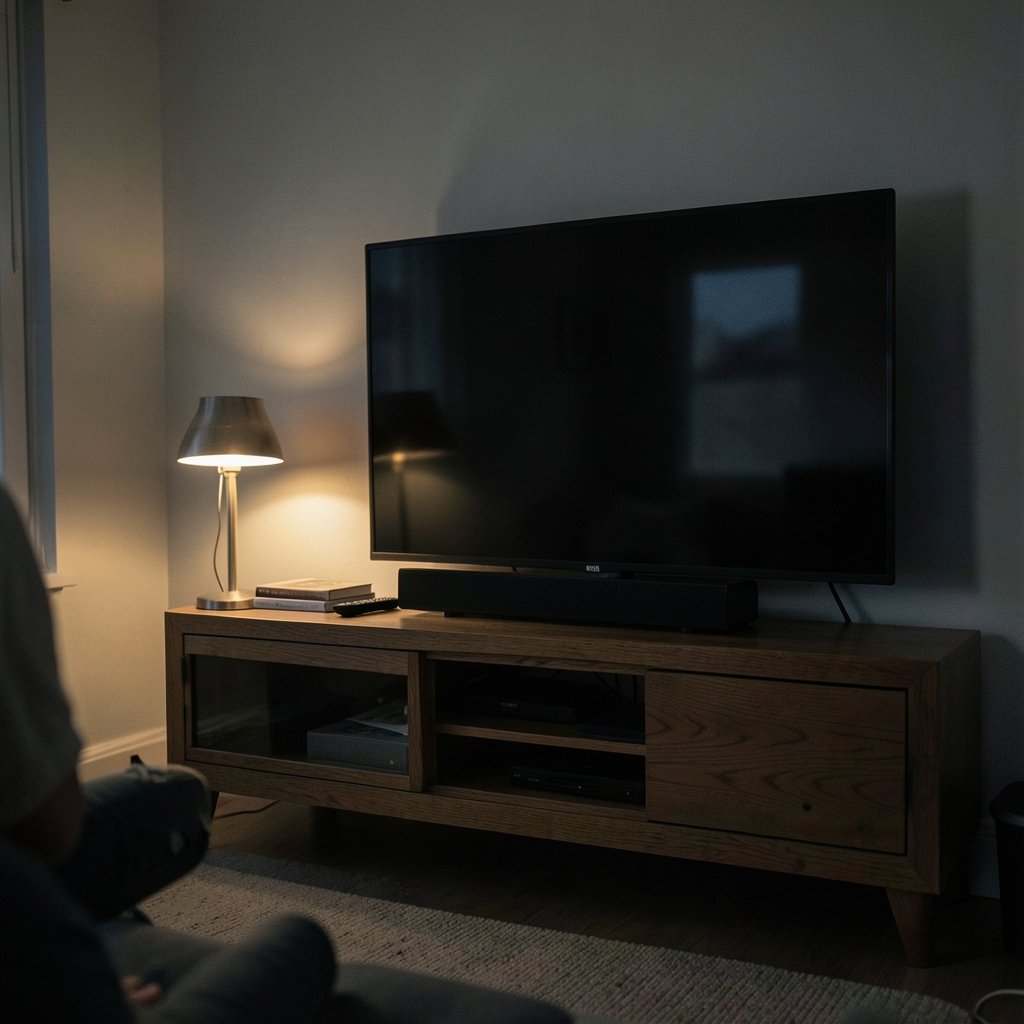
What if the biggest upgrade to your TV sound came from the smallest box in the room? That is the promise of the compact soundbar, and in 2027 it is finally a promise most models keep. Slim bars now squeeze real dialogue clarity, wireless streaming, and even height effects into cabinets barely wider than a laptop.
The catch is that “compact” means different things to different brands. Some bars are short but deep. Some are thin but need a subwoofer. A few trade bass for size and hope you won’t notice. This roundup sorts the realistic options by room, budget, and the way you actually watch TV, so the shortlist does the hard work for you.
Comparison table: compact soundbars worth shortlisting
| Model | Best for | Standout feature | Real limitation | Listed price |
|---|---|---|---|---|
| Yamaha SR-B30A | Standalone simplicity | Eight-driver array, no sub needed | Bass stays modest | Under $400 tier |
| Bose TV Speaker (2nd Gen) | Dialogue clarity | Dedicated dialogue mode | Limited low-end punch | Not stated |
| Sonos Ray | Sonos households | AirPlay 2, Spotify Connect | Optical only, no Atmos | Not stated |
| Samsung HW-B750F | TV integration | Syncs with Samsung TVs | Brand-locked perks | Under $400 tier |
| Yamaha B200A | Small rooms on a budget | 23.6-inch cabinet, built-in bass | Won’t fill a big lounge | Not stated |
| Sonos Beam Ultra | Mixed music and film | Nine drivers, up-firing Atmos | Costs more than the Ray | Not stated |
| Bluesound Pulse Cinema Mini | Music-first listeners | Audiophile tuning in a thin bar | Premium price, modest scale | 999 euro |
Prices above come from published listings and reviews. Where a source did not state a figure, the table says so rather than guessing.
Yamaha SR-B30A: the standalone bar that needs nothing else

Most budget bars push you toward a separate subwoofer within a month. The Yamaha SR-B30A is built to avoid that second purchase. It packs a set of eight drivers into a single cabinet, which is why it earns the standalone pick in budget roundups.
Who it suits: renters, bedroom setups, and anyone who refuses to find floor space for a sub. It handles news, sitcoms, and sports without straining, and setup is about as plug-and-play as this category gets.
The limitation is honest: eight small drivers move less air than a dedicated sub. Explosions will thump politely, not shake the sofa. If cinematic bass is the goal, keep reading.
Bose TV Speaker (2nd Gen): the dialogue fix
Here is a pattern worth knowing before you buy anything. Most people who complain that their TV sounds bad are not missing bass. They are missing consonants. Modern dramas whisper, mumble, and bury conversation under music, and a bar tuned for clarity fixes more evenings than a bar tuned for boom.
The Bose TV Speaker (2nd Gen) is the dialogue specialist of this group. A dedicated dialogue mode lifts vocals, and the compact form factor slides under almost any television. Bluetooth streaming and HDMI ARC plus optical inputs cover the basics.
The trade-off: it is a clarity tool, not a home theater. Bass is thin, and there is no Dolby Atmos processing. Buy it to hear every line. Don’t buy it to feel every explosion.
Sonos Ray: the small bar for people already in the Sonos app
If there is already a Sonos speaker in the kitchen, the Sonos Ray is the least friction you can add to a second room. It streams over Wi-Fi, supports AirPlay 2 and Spotify Connect, and can grow into a surround setup with additional Sonos gear later.
Two limits matter. First, the Ray uses an optical connection rather than HDMI ARC or eARC, so you lose some TV-control conveniences and audio-format flexibility. Second, there is no Dolby Atmos support. It also expects an infrared-compatible TV remote for the intended optical setup, which is worth checking before checkout.
For dialogue-focused TV and music in a small room, that trade is often fine. For a brand-new TV with eARC and Atmos ambitions, it is the wrong bar.
Samsung HW-B750F: the path of least resistance for Samsung TVs
Own a Samsung television? The Samsung HW-B750F is the pick for TV integration in budget roundups, and the reason is boring but real: one remote, fewer menus, fewer handshake headaches. It sits in the under-$400 tier alongside the Yamaha and Bose options.
What it does well is disappear into the TV experience. Input switching, volume, and power all behave the way you expect, which sounds trivial until you have spent a week troubleshooting a bar that won’t wake with the screen.
The limitation is the mirror image of that strength. The best integration perks are reserved for Samsung TVs, so owners of other brands get a decent bar without the magic.
Yamaha B200A: the genuinely small cabinet
Some shelves simply cannot host a 36-inch bar. The Yamaha B200A answers that with a 23.6-inch cabinet, built-in bass, and eARC support, which makes it the compact choice for small rooms and value in expert roundups.
Think of it as the bedroom and study specialist. It fits beneath a monitor, on a narrow media console, or beside a projector screen where a full-width bar would overhang. eARC means modern TVs can pass higher-quality audio with a single cable.
The catch is physics. A cabinet that small cannot pressurize a large living room, and it will not match a 2.1 system for weight. In the room it was designed for, though, it is hard to beat.
Sonos Beam Ultra: the compact Atmos option
Want height channels without a full-size Arc? The Sonos Beam Ultra is the smaller, lower-entry alternative to the Arc Ultra, with nine drivers that include physical up-firing speakers. Sonos rates it at 7.1.2 for Dolby Atmos, and the height and streaming channels serve both films and music.
It also carries Wi-Fi, Bluetooth 5.3, AirPlay 2, and app-based streaming without the TV switched on, plus Trueplay room tuning that adapts the sound to your space. For a compact stand with mixed music and movie use, that combination is genuinely hard to argue with.
The honest limitation: it gives up scale and bass next to the bigger Arc Ultra. It is the better fit for a small room, not a substitute for a large one.
Bluesound Pulse Cinema Mini: the thin bar built for music first
One more option deserves a place for a specific buyer. The Bluesound Pulse Cinema Mini is a thin bar tuned for music, and reviewers describe it as the best slim soundbar for that job. It is expandable with other Bluesound speakers, though those add-ons are pricey too.
It carries a 999 euro list price and sells through specialist audio shops. Reviewers are candid that it costs more than many full-size bars while not quite matching their performance, and that it may be slightly large for truly tiny setups. If albums matter as much as movies, it earns the money. If not, the Beam Ultra or Ray is the smarter spend.
How to choose without overthinking it
After the shortlist, the decision usually comes down to four checks. Do them in this order and most of the confusion disappears.
- Measure the gap under your TV and the width of your console. A bar that overhangs looks wrong forever.
- Check your TV’s ports. HDMI eARC provides the best format support. Optical works but limits what the bar can receive.
- Decide whether a subwoofer is allowed. If floor space is banned, favor bars with built-in bass like the SR-B30A or B200A.
- Match the bar to the room. A 23-inch cabinet in a huge lounge will disappoint. A full Atmos bar in a bedroom is wasted money.
Two mistakes show up again and again in practice. The first is buying for the spec sheet instead of the room: people pay for Atmos height channels, then mount the bar inside a shelf where the up-firing drivers bounce sound into a plank. The second is skipping the dialogue test. Before buying, play a quiet drama scene on your current setup, then imagine paying for a bar that doesn’t fix exactly that problem.
A practical tip that costs nothing: bring a tape measure to the store, or measure twice at home. Cabinet width, cabinet depth, and the height of your TV’s bottom edge decide more purchases than any review score. And if you are also planning a bigger tech refresh, it helps to see how other 2027 product cycles are shaping up, from what buyers can realistically expect from the Toyota Tacoma 2027 to the unsettled slots in the 2027 movie release calendar. Neither changes your soundbar choice, but both reward the same habit: check what is confirmed before you commit.
What about Atmos, Bluetooth, and HDMI in a small bar?
Three names appear on nearly every compact soundbar box in 2027: Dolby Atmos, Bluetooth, and HDMI. They are not equally important at this size.
Dolby Atmos adds height and object placement, and it works best when a bar has real up-firing drivers, as the Beam Ultra does. In a bar without them, Atmos decoding is mostly marketing. Bluetooth is the everyday convenience: phone playlists, podcasts, and quick streams, and Bluetooth 5.3 is the newer version to look for. HDMI eARC matters most for TV audio because it carries higher-quality formats over one cable, while optical remains a reliable fallback for older sets.
A compact bar with eARC and honest dialogue tuning beats an Atmos-labeled bar without either. Prioritize in that order.
Conclusion: the right small bar is the one that fits your room
The best compact soundbar in 2027 is not the one with the longest feature list. It is the one that fits under your screen, matches your ports, and fixes the problem you actually have. Choose the Yamaha SR-B30A if you want one box and no subwoofer. Pick the Bose TV Speaker if mumbled dialogue is the enemy. Stay with Sonos if you are already in the ecosystem, and step up to the Beam Ultra only if Atmos and music streaming justify the extra spend. Measure first, test with a quiet scene, and the shortlist above will do the rest.
FAQ
What is the best compact soundbar overall in 2027?
There is no single winner, because the category splits by room and budget. The Yamaha SR-B30A is the strongest standalone pick under the $400 tier, the Bose TV Speaker (2nd Gen) leads on dialogue clarity, and the Sonos Beam Ultra is the compact choice if you want Dolby Atmos with up-firing drivers. Match the bar to your space rather than chasing one universal winner.
Do I need a subwoofer with a compact soundbar?
Not necessarily. Bars with built-in bass, like the Yamaha SR-B30A and the 23.6-inch Yamaha B200A, are designed to work alone. The trade is low-end weight: small cabinets move less air, so explosions will not have the same impact as a 2.1 system. If floor space is tight, accept the compromise and prioritize dialogue clarity instead.
Is Dolby Atmos worth it on a small soundbar?
Only when the bar has physical up-firing speakers, as the Sonos Beam Ultra does with its nine-driver array. Without those drivers, Atmos decoding adds little in a compact cabinet. HDMI eARC support and good dialogue tuning will improve daily viewing more than an Atmos logo on the box.
Does a compact soundbar work with an older TV?
Yes, but check the ports first. Many compact bars, including the Sonos Ray, rely on an optical connection, which works well with older televisions. The Ray also expects an infrared-compatible TV remote for its intended optical setup. Newer TVs with HDMI eARC can pass higher-quality audio over a single cable, so confirm what your set offers before buying.
How wide should a compact soundbar be for a small room?
Wide enough to anchor the screen, narrow enough not to overhang the console. The Yamaha B200A uses a 23.6-inch cabinet for tight spaces, while most full-size bars run considerably wider. Measure the gap under your TV and the console width, and leave a little breathing room so the bar does not look crammed into place.
Can a compact soundbar replace a full home theater system?
For most small rooms, yes. A single bar removes the receiver, the speaker stands, and the cable runs, and models like the Bluesound Pulse Cinema Mini show how much musical quality fits in a thin cabinet. What you give up is scale and deep bass. If you want reference-level impact, a component system still wins; for everyday TV and streaming, a compact bar is the practical answer.