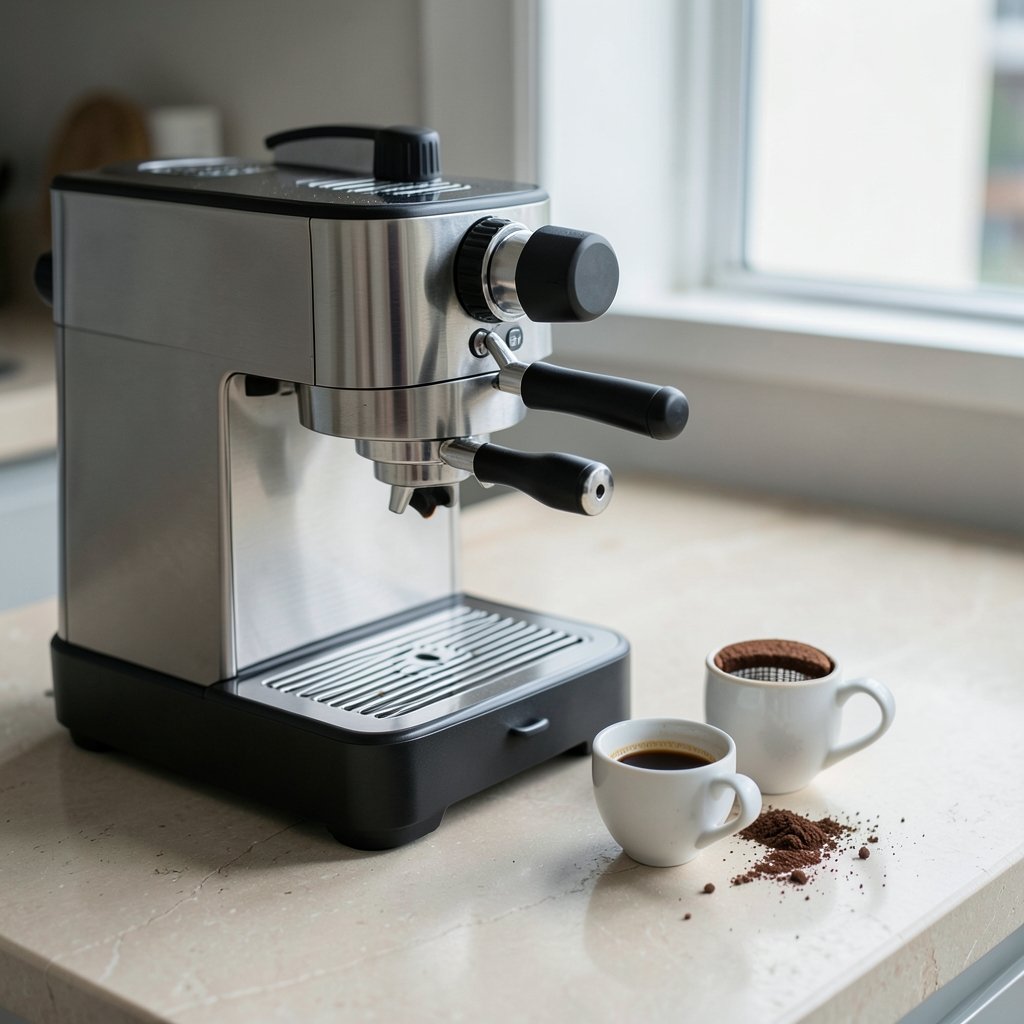
Can you really get café-quality espresso for less than the price of a month of daily lattes? Yes, and the proof is sitting on kitchen counters everywhere. The sub-$500 category used to be a graveyard of weak pumps and wild temperature swings, but that has changed. Several machines in this price range now pull shots that would have passed as prosumer-grade five years ago.
The catch is that not every machine under $500 is worth your money, and the wrong pick will have you fighting channeling, cold shots, and a steam wand that sputters. This roundup covers six specific machines worth considering, who each one suits, and where each one falls short. Prices come from published reviews and can shift with sales, so confirm the current number before you buy.
Quick Comparison: Best Espresso Machines Under $500
| Machine | Best for | Portafilter | Price (as published) | Main trade-off |
|---|---|---|---|---|
| Gaggia Classic Pro | Buyers who want to upgrade over time | 58mm | $449 | Manual steam wand, learning curve |
| Breville Bambino Plus | Fast, easy daily espresso | 54mm | Under $500 | Small portafilter limits basket upgrades |
| Solis Barista Perfetta | Beginners who want PID control | Not stated | Under $500 | Thermoblock needs a warm-up pause |
| De’Longhi Stilosa (EC260) | Tight budgets with room for a grinder | Not stated | Around $230 | Plastic parts wear over years |
| Philips 3200 LatteGo | One-touch milk drinks, no technique | N/A (super-automatic) | Under $500 | Less control over the shot |
| Gevi 20 Bar Compact | Small counters and value hunters | Not stated | Entry-level | Single boiler, no simultaneous steaming |
1. Gaggia Classic Pro: The Benchmark Everyone Else Chases
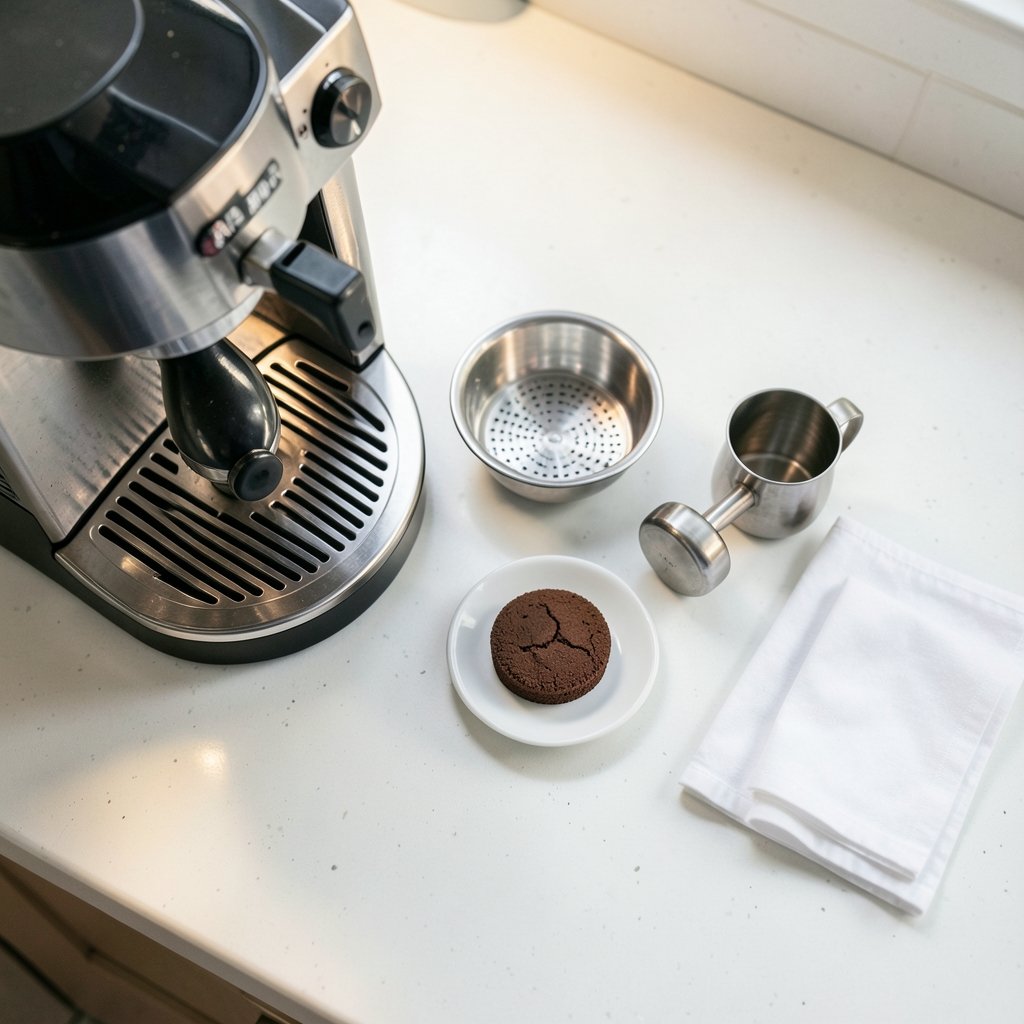
If you ask experienced home baristas which sub-$500 machine to buy, the Gaggia Classic Pro is usually the first name out of their mouths. At $449, it sits near the top of the budget but earns it with hardware you normally see on much pricier machines.
The headline feature is a commercial-grade three-way solenoid valve. That valve does two things: it stops drips the moment you cut the shot, and it releases pressure so the puck comes out dry instead of as a soupy mess. Cleanup gets easier, and your counter stays cleaner.
The second big deal is the 58mm portafilter. That is the commercial and prosumer standard, so you can buy upgraded baskets, bottomless portafilters, and precision tampers from a large selection of accessories. Most budget machines use odd sizes that keep you from using those parts.
It also has a genuinely stable single boiler and a manual steam wand. The wand is the machine’s real limitation: there is no automatic milk texturing, so you will spend a few weeks learning to steam. For anyone who wants to grow into the hobby, that is a feature, not a bug. For someone who wants a latte with zero effort at 6 a.m., it is friction.
Who it suits: tinkerers, upgraders, and anyone who wants a machine that can grow with them. Who should skip it: households that want push-button milk.
2. Breville Bambino Plus: Three-Second Heat-Up and Automatic Microfoam
The Bambino Plus is the machine that converted a lot of people from café regulars to home baristas. Its ThermoJet heating system reaches brewing temperature in about three seconds, which changes the whole morning routine. No standing around waiting for a boiler. Machine on, grind, pull, done.
It delivers consistent 9-bar extraction pressure and includes an automatic steam wand that produces surprisingly good microfoam for beginners. That wand is the reason this machine appears on so many shortlists. You can also steam manually if you want to practice, so it does not cap your skills.
The limitation is the 54mm portafilter. It is smaller than the commercial standard, which means fewer basket and accessory upgrades than the Gaggia. The Bambino also ships without a grinder, and a machine at this level deserves a real burr grinder. Budget for that separately.
Who it suits: busy professionals who want espresso in under five minutes from machine-on to first sip, and people in small apartments or offices with limited counter space. Who should skip it: anyone who wants the range of accessories built for 58mm machines.
If you are still weighing formats, a broader look at the best home espresso machine options can help you decide between manual and automatic before you commit. (Best espresso machine for home)
3. Solis Barista Perfetta: PID Temperature Control for Beginners
Temperature stability is the quiet hero of good espresso, and the Solis Barista Perfetta brings PID temperature control to the budget tier. PID is the best method for hitting accurate, precise brewing temperatures, and it is rare at this price.
The Perfetta uses a thermoblock heating element, as do most domestic espresso machines under $500. Thermoblocks heat up very fast, reaching brewing temperature in as little as 40 seconds. Professional machines use a boiler instead, but a thermoblock has real advantages for home users: less waiting, less energy, and a smaller footprint.
Here is the practical tip that matters: in testing, letting the machine sit for about five minutes after the first warm-up improved temperature stability and produced excellent espresso. That is a small habit change with a big payoff. Pull a throwaway shot or just wait while you grind.
The Perfetta is compact and elegant, built for espresso beginners and experts alike, with enough easy-to-use features that even novices can produce tasty results. Its limitation is that it is not a heavy-duty workhorse for back-to-back entertaining, and it does not match the Gaggia’s commercial-style valve and portafilter setup.
Who it suits: beginners who want forgiving temperature control without spending prosumer money. Who should skip it: large households pulling a dozen drinks in a row.
4. De’Longhi Stilosa: The Budget Pick That Leaves Room for a Grinder
At around $230, the De’Longhi Stilosa changes the math entirely. The Classic Signature pulls a satisfying shot, has a manual steam wand for lattes, and leaves plenty of room in the budget for a proper grinder. On a budget setup, that is exactly where the money should go.
This is the pick if you want a trusted name without spending near the cap. De’Longhi’s long track record shows in the build and consistency, and the manual steam wand lets you practice latte art. Spend the savings on a burr grinder and fresh beans, and you will out-drink a $450 machine paired with pre-ground coffee.
The honest limitation: durability over years of heavy use is the main weakness reported in reviews. Plastic components are more prone to wear than metal, and the pump may need service after three to four years of daily use. For moderate use of two to three drinks per day, the machine will last longer. De’Longhi’s customer service is widely praised and replacement parts are readily available, so the machine is repairable rather than disposable.
Who it suits: first-time buyers who want maximum budget left for a grinder. Who should skip it: heavy users who want metal build and a pressure gauge.
5. Philips 3200 LatteGo: One-Touch Lattes Without Any Technique
Not everyone wants to learn puck prep. The Philips 3200 LatteGo is a super-automatic that grinds, brews, and froths at the push of a button, and it fits under the $500 ceiling.
What the 3200 puts in the box is a two-part LatteGo carafe with no tubes to clean, a ceramic grinder, five drinks, and AquaClean water filtration for descaling. The model is the EP3241/54. The carafe design is the star: no internal tubes means no hidden milk residue, which is the usual cleaning headache with automatic frothers.
The trade-off is control. A super-automatic gives you less say over dose, grind, and extraction, so you will not be dialing in single-origin shots. It does the thing a super-automatic exists to do: beans in, milk drink out, no technique required. That is precisely what neither the Bambino Plus nor anything cheaper can offer without a separate grinder purchase.
Who it suits: households that want one-touch cappuccinos and easy cleanup. Who should skip it: anyone who wants to dial in espresso shot by shot.
6. Gevi 20 Bar Compact: Best Value for Small Counters
The Gevi 20 Bar Compact earns its place by skipping almost nothing important. It packs a 20-bar pump with a 1350 W boiler, low-pressure pre-infusion to reduce channeling, and a temperature monitor with a readout. For a first machine, that is a respectable spec sheet.
The stainless steel design is compact, which matters in small kitchens, and there is a hot water function for Americanos. Owners are largely satisfied at this price point and frequently compare the stainless build and the temperature display favorably against rivals.
The limitations are real. It runs a single boiler, so no simultaneous brewing and steaming, and the listed weight is heavy for its compact size. Brand documentation and support are limited compared with the established names. Buy it as a value-first starter, not as a long-term platform.
Who it suits: small apartments, offices, and buyers who want pre-infusion and a pressure readout on a tight budget. Who should skip it: anyone who needs strong brand support.
How to Choose Without Wasting Money
Now that you have a shortlist, here is how to pick between them.
- Decide whether you want a grinder in the budget. A $230 machine plus a $150 grinder beats a $450 machine fed pre-ground coffee almost every time. If the budget is fixed at $500 total, the De’Longhi route wins.
- Check the portafilter size. A 58mm portafilter opens up commercial baskets and accessories. A 54mm limits upgrades. If you plan to tinker, this single spec decides it.
- Look for PID or stable temperature control. The Perfetta’s PID controller is the best method for accurate brewing temperatures, and it is the difference between repeatable shots and guesswork.
- Avoid steam-pressure “espresso makers.” Very low-cost machines often brew with steam pressure from the boiler instead of a pump, which produces a lower-quality shot. A real pump-driven machine with a portafilter and steam wand is the floor.
- Match the machine to your milk habits. Automatic frothing (Bambino Plus, Philips) versus manual (Gaggia, De’Longhi) is the biggest daily-experience decision you will make.
- Plan for maintenance. Descale on schedule, backflush if the machine has a solenoid valve, and use fresh beans. A well-kept budget machine outperforms a neglected expensive one.
One more practical note: if you are setting up a coffee corner near plumbing or appliances, treat the surrounding gear with the same care. Even small leaks deserve attention, and a guide on where to place a water leak sensor under washing machine is a useful reference for protecting the space around your setup.
Conclusion
The best espresso machine under $500 depends less on the spec sheet than on how you drink coffee. Want to learn the craft and upgrade over time? The Gaggia Classic Pro at $449 is the benchmark, with its commercial valve and 58mm portafilter. Want speed and automatic microfoam? The Breville Bambino Plus heats in three seconds and steams for you. Want temperature control on a beginner-friendly machine? The Solis Barista Perfetta delivers PID precision. Want the most budget left for a grinder? The De’Longhi Stilosa at around $230 is the smart spend. Want zero technique? The Philips 3200 LatteGo pours one-touch lattes. Want value in a small footprint? The Gevi 20 Bar Compact covers the basics.
Pick the one that matches your mornings, buy good beans, and practice. The machine matters, but the grinder and the beans matter just as much.
FAQ
Can you get a good espresso machine for under $500?
Yes. At that price you can get a real pump-driven machine with a portafilter and a steam wand, and plenty of great home baristas started on exactly that. Several machines in this range now offer PID temperature control, proper pre-infusion, and build quality that would have been unthinkable at this price a few years ago.
Is a 58mm or 54mm portafilter better?
A 58mm portafilter matches the commercial and prosumer standard, which lets you use a wide range of upgraded baskets and bottomless portafilters. A 54mm portafilter, like the one on the Bambino Plus, works fine but limits your upgrade options. If tinkering matters to you, choose 58mm.
Do I need a separate grinder with a budget espresso machine?
In most cases, yes. The Breville Bambino Plus and the Gaggia Classic Pro ship without a grinder, and a machine at this level deserves a real burr grinder. If your total budget is $500, consider a cheaper machine like the De’Longhi Stilosa and put the savings toward the grinder.
How long does a budget espresso machine last?
It depends on use. For the De’Longhi Stilosa, reviews report that plastic components are more prone to wear than metal and the pump may need service after three to four years of daily use. For moderate use of two to three drinks per day, the machine will last longer, and replacement parts are readily available.
What is PID temperature control and why does it matter?
PID is an electronic controller that holds the brewing temperature steady instead of letting it swing. It is the best method for achieving accurate, precise brewing temperatures, and it is the difference between repeatable shots and guesswork. The Solis Barista Perfetta includes PID control at a budget price.
Are super-automatic machines like the Philips 3200 worth it under $500?
They are worth it if you want one-touch milk drinks with no technique required. The Philips 3200 LatteGo includes a ceramic grinder, five drinks, and a two-part carafe with no tubes to clean. The trade-off is less control over dose, grind, and extraction, so it suits convenience seekers more than dial-in enthusiasts.