What would you do if water started bubbling up in your basement floor drain on a Sunday night? Most homeowners freeze, then reach for a phone. Sewer line repair is one of those jobs that feels mysterious until you understand the basics. Once you do, the quotes stop sounding like random numbers and the sales pitches get a lot easier to spot.
This guide walks through what actually fails underground, how modern repair methods work, when digging is unavoidable, and the practical mistakes that cost people thousands. It focuses on the decisions a homeowner or property manager has to make, not on pipe theory.
What Counts as a Sewer Line Repair?
A sewer line is the pipe that carries wastewater from a building to the municipal main or, in rural areas, to a septic tank. Sewer line repair means restoring that pipe’s ability to carry waste without leaking, backing up, or collapsing. That can be as small as sealing one cracked joint or as large as lining hundreds of feet of pipe.
The line is split into two parts. The building sewer (also called the lateral) runs from the house to the property line or the main. The main is owned by the utility. Most repair calls involve the lateral, which means most repair bills land on the property owner.
Typical defects that trigger a repair include:
- Cracks and fractures in clay, cast iron, or concrete pipe
- Leaking or offset joints where sections have shifted
- Root intrusion at joint gaps
- Corrosion, especially in older cast iron and in pipes carrying hydrogen sulfide
- Bellies, or low spots where waste sits and solids settle
- Collapsed sections, often from age combined with heavy vehicle loads above
The Warning Signs Most People Miss
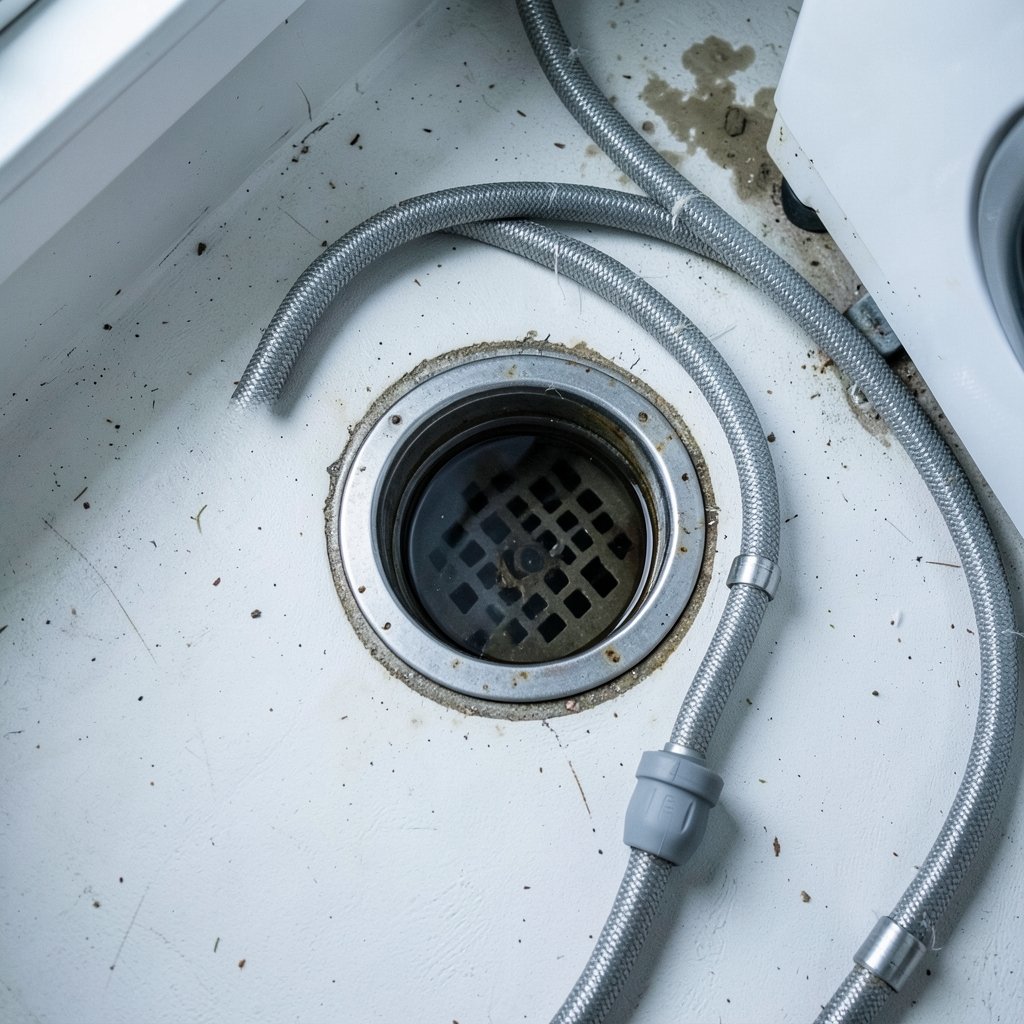
Sewer problems rarely appear out of nowhere. They announce themselves quietly first. Slow drains in multiple fixtures at once are a classic early signal, because a single clogged sink is local while a slow tub, toilet, and laundry drain together point to the main line. Gurgling sounds from toilets after running a washing machine belong in the same category.
Outdoors, look for unusually lush patches of grass or soft, sunken spots along the pipe route. Indoors, a sewer smell that lingers in the basement or a floor drain that backs up when the washer empties are strong hints. Multiple backups in a short window mean the line should be scoped, not snaked again.
One habit that saves real money: if a plumber snakes the same line more than twice in a year, ask for a camera inspection instead of another snake. A camera shows whether the recurring clog is grease, roots, or a broken pipe. Repeating the same fix on a structural problem is the single most common way people waste money before a real repair.
Camera Inspection Comes First, Always
No reputable repair should be quoted without a video inspection. A camera pushed through the line shows the pipe material, the defect type, its location, and the condition of the surrounding sections. That footage determines whether a spot repair, a full lining, or excavation makes sense.
Ask to see the footage and ask for the defect’s distance from the access point. Reputable contractors mark the spot on the ground or record the footage for the homeowner. If a company refuses to share video or quotes a full replacement without showing you anything, that is a reason to get a second opinion. The same instinct applies to any trade: knowing the price and the process before work starts is what separates a fair deal from a bad one, whether you are dealing with a sewer or a laptop repair quote where the diagnosis should always come before the estimate.
Trenchless Repair Methods Explained
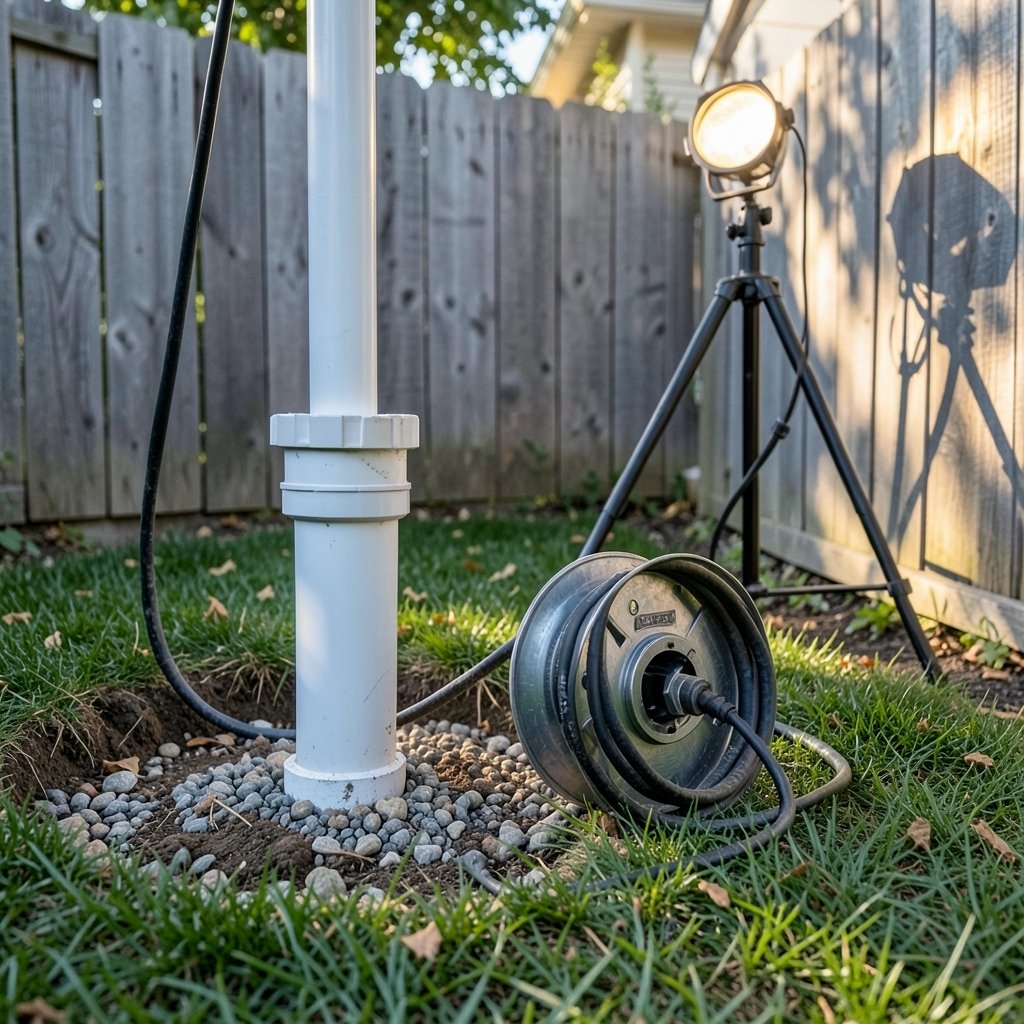
Trenchless technology changed sewer repair more than any other development in the past few decades. Instead of cutting a long trench through a yard, driveway, or mature tree line, crews work through small access points. As one industry overview puts it, the trenchless method involves digging two small access points rather than turning a lawn into a construction zone.
Here is how the main methods compare.
| Method | Best For | How It Works | Main Limitation |
|---|---|---|---|
| Cured-in-place pipe (CIPP) lining | Long runs of cracked or corroded pipe | A resin-saturated liner is inserted, inflated against the pipe wall, and cured into a new pipe with no joints | Pipe must be mostly intact and properly cleaned first |
| Short liner / spot repair | One localized crack, joint, or break | A short resin-impregnated patch is fitted precisely over the damaged section | Does not fix widespread deterioration |
| Pipe bursting | Badly deteriorated or undersized pipe | A bursting head pulls new pipe through the old one, breaking it outward | Needs access pits at both ends |
| Robotic repair | Hard-to-reach or large-diameter pipe | A robot applies a localized patch or sealant from inside | Limited to specific defect types |
| Spray coating | Corrosion protection | A protective coating is sprayed on the pipe interior | Supplementary, not structural in every case |
CIPP lining is the workhorse. A textile tube saturated with synthetic resin is inserted into the damaged pipeline and cured on site, forming a new pipe inside the old one. Because the finished liner has no joints, root intrusion is greatly reduced, which is why utilities favor it for long-term rehabilitation.
Short liners handle localized damage without excavation or pipe replacement. Modern resin formulations cure faster and bond better to damp surfaces than older versions, which matters because sewer pipe is never truly dry. For a single crack in an otherwise sound line, a short liner is often the least invasive and least expensive structural fix.
When Digging Is the Only Answer
Trenchless is not magic. Excavation still wins in several situations:
- The pipe has collapsed or lost its shape, so a liner has nothing to bond to
- There are multiple severe defects spread along the run
- The line is badly misaligned or has a deep belly that traps solids
- Access pits cannot be placed because of structures, utilities, or property lines
In those cases, open-cut replacement is honest work, not an upsell. A contractor who recommends digging should be able to point to the camera footage and explain exactly why lining will not hold. If the explanation is vague, get another opinion.
What Drives the Cost
Repair prices vary enormously by region, pipe depth, length, access, and method. Rather than quoting a single national number, it helps to know the cost drivers so a quote can be judged on its logic.
- Length of the repair. Spot repairs cost far less than lining a full run.
- Depth and access. A pipe four feet down is a different job from one under a finished driveway or a mature oak.
- Pipe material and condition. Collapsed clay is more work than a cracked cast iron joint.
- Permits and inspections. Many municipalities require permits for sewer work, and some require post-repair camera verification.
- Restoration. Patching a lawn is cheap; replacing a concrete driveway or patio is not.
The same logic applies across home repairs: the visible part is rarely the expensive part. Anyone comparing quotes on a major household job should apply the same skepticism they would to a garage door repair quote, where springs, cables, and labor are itemized separately and a suspiciously low bid usually hides a shortcut. For sewer work, ask for a line-item quote covering inspection, repair method, permits, and restoration.
If a repair is genuinely large, some homeowners weigh financing options. That decision deserves its own careful look, and comparing a home equity loan against a line of credit is worth doing before signing anything at the kitchen table with a contractor waiting.
Choosing a Contractor Without Getting Burned
A few practical rules separate good outcomes from horror stories.
- Verify licensing and insurance. Sewer work usually requires a plumbing license and sometimes a separate contractor registration.
- Get the camera footage in writing. The quote should reference the defect location and method.
- Ask what happens if the liner fails. Reputable installers warranty their work, often for years.
- Never accept a same-day “emergency” full replacement pitch without a second opinion, unless raw sewage is actively entering the home.
- Confirm who pulls the permit. The contractor should, and the permit should be in the property owner’s name.
One more practical tip: keep a simple maintenance habit. Avoiding grease down the drain, using drain screens, and flushing the line professionally every couple of years on older pipes costs little and delays the big bill. Root-heavy properties benefit from periodic root treatment as a preventive measure rather than waiting for a backup.
Conclusion
Sewer line repair comes down to diagnosis before decision. A camera inspection reveals what is actually wrong, trenchless methods handle most localized and moderate damage without tearing up a yard, and excavation remains the right call for collapsed or badly misaligned pipe. The homeowners who come out ahead are the ones who ask for footage, compare line-item quotes, verify licensing, and refuse to authorize major work on a verbal promise. Understand the pipe under the lawn, and the repair stops being a mystery.
Frequently Asked Questions
How long does a sewer line repair take?
A spot repair or short liner often finishes in a single day. Full CIPP lining of a residential lateral typically takes one to two days including cleaning and curing. Open-cut replacement usually runs several days to a week depending on length, depth, and restoration work.
Can I use my plumbing during a trenchless repair?
Usually not during the active work window, because the line must be clean and dry for the liner to bond. Most crews schedule the work so the home has water and drainage back the same day. Plan for a few hours without normal use.
Does homeowners insurance cover sewer line repair?
Standard policies often exclude underground pipe damage, though many insurers offer an optional sewer or service line endorsement. Coverage usually depends on the cause: sudden damage may be treated differently from long-term deterioration or root intrusion. Read the policy language or ask the insurer directly before assuming anything.
How do I know if I need a repair or just a cleaning?
Recurring clogs, multiple slow drains, and gurgling fixtures point to a structural problem that cleaning alone will not fix. A camera inspection answers the question definitively. If the pipe is sound and the clog is grease or debris, cleaning is enough. If there are cracks, offsets, or roots entering at joints, repair is the real fix.
Is trenchless repair as durable as replacing the pipe?
A properly installed CIPP liner forms a new pipe with no joints inside the old one and is designed as a long-term structural repair, often rated for decades. Its performance depends on correct cleaning, sizing, and curing. For collapsed or severely deformed pipe, full replacement remains the more reliable choice.
What should I do first when sewage backs up into the house?
Stop using water immediately, keep people and pets away from the affected area, and call a licensed plumber. If the backup is in multiple fixtures, the blockage is likely in the main line. Avoid chemical drain cleaners, which rarely clear main line blockages and can damage older pipe. Document the damage with photos for insurance purposes before cleanup.