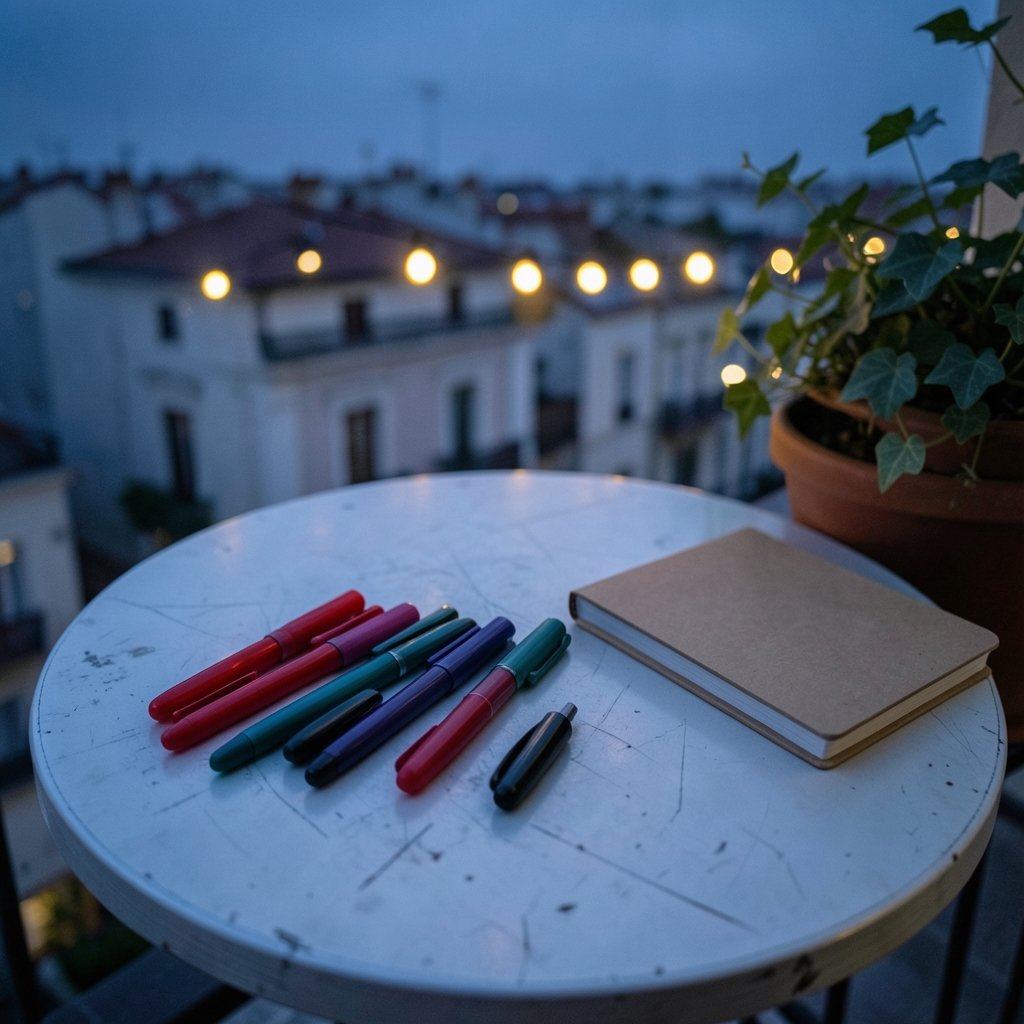
What if the single cheapest upgrade to your handwriting isn’t a new notebook or a fancy planner, but a pen that costs less than a sandwich? Gel pens get recommended constantly, yet most buyers still end up with a scratchy, blotchy stick that skips on curves and smears three seconds after the page closes. The fix isn’t a secret. It’s knowing which specific models earn their place in a pencil case, and why. (Coffee maker overflows filter basket it happens fix it)
This roundup names the pens worth buying, explains who each one suits, and flags the one real weakness of each. No vague “it depends” answers.
Quick Comparison of the Top Picks
| Pen | Best for | Tip sizes | Standout strength | Watch out for |
|---|---|---|---|---|
| Pentel EnerGel RTX | Left-handers and fast note-takers | Standard range | Fast-drying, bright ink | Body feels plain for the price |
| Pilot G2 | Heavy daily writing and signing | 0.3 mm to 1.0 mm bold | Reliable, refillable, never leaks | Wet ink on glossy paper |
| Pilot Juice / Juice+ | Students and exam writing | Fine to medium | Smooth, award-winning flow | Harder to find in some stores |
| Uni-ball One P | Pocket carry and small bags | 0.38 mm and 0.5 mm | Thick, comfortable grip in a tiny body | Wire clip bends if forced |
| Zebra Sarasa / Pitan | Notebook users who lose pens | Standard | Great ink plus a magnetic holder | Holder is the whole point |
| Kaweco Sport Gel Roller | Pocket pens with character | 0.7 mm refill | Octagonal cap, premium feel | Needs a clip bought separately |
| Pilot FriXion | Planners and temporary notes | Various | Erasable, quick-dry behavior | Not for documents you keep |
Pentel EnerGel RTX: The Best Choice for Left-Handed Writers
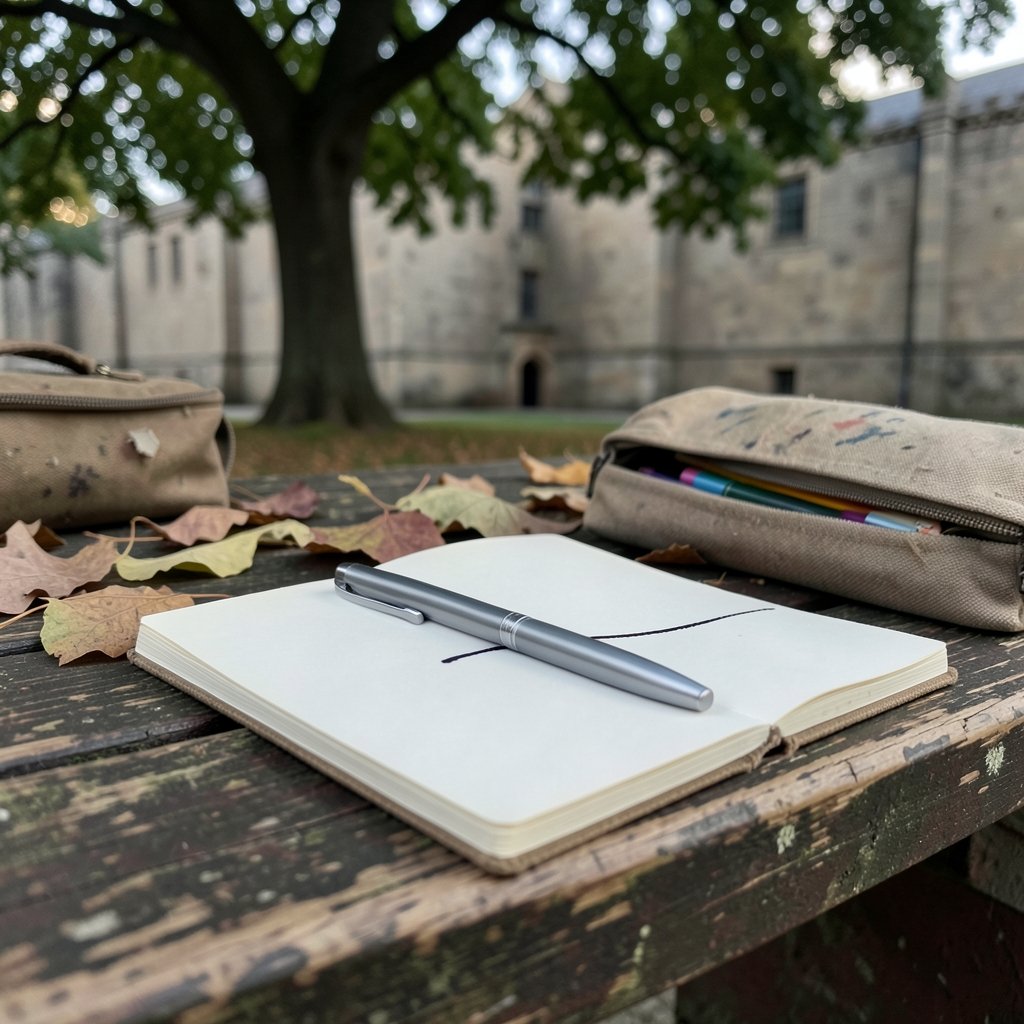
If a pen could be designed around one problem, this is the one built around smearing. Gel ink is wetter than ballpoint ink, so it takes longer to dry, which is exactly why left-handers drag their palm through fresh lines. Pentel’s answer is a fast-drying formula that the company says eliminates smears for both left- and right-handed writers.
The EnerGel RTX also picked up an “Eternally Dependable Gel Pen” nod in the 2025 JetPens Stationery Awards, where limited-edition off-black shades like Bordeaux Black, Indigo Black, and Olive Black were singled out for adding personality without shouting. That’s a fair summary of the pen’s personality: it doesn’t look special, it just works.
Who it suits: lefties, students scribbling lecture notes, anyone who closes a notebook immediately after writing.
The limitation: the barrel is functional rather than beautiful. If you want a pen that looks as good as it writes, look further down this list.
Pilot G2: The Workhorse That Earns Its Reputation
Ask a room of heavy writers what’s in their bag and the G2 comes up again and again. One long-time reviewer with tens of thousands of ratings behind the product described it as “the best gel pen ever,” praising the rubber grip, the retractable design, the pocket clip, and the fact that it has never leaked like other brands have.
The range is the real argument. The same pen comes in 0.3 mm fine for editing printed drafts and pocket diaries, all the way up to 1.0 mm bold for note-taking on a legal pad and signing documents. That’s one familiar body covering almost every job.
Who it suits: office workers, people who sign things, anyone who wants one pen family for everything.
The limitation: bold tips lay down a lot of ink. On glossy or coated paper, give it a moment before you turn the page.
Pilot Juice and Juice+: The Student Favorite
Japanese makers have spent decades refining gel ink, and the Juice line is where that shows. The Pilot Juice Plus Gel Ballpoint won in the ballpoint pen category at a stationery awards event, and reviewers consistently describe the line as precise and smooth. The appeal is consistency: ink goes down evenly without blobbing, and fine tips genuinely write at their stated size.
For exam season, that matters more than aesthetics. A pen that skips mid-sentence costs concentration. A pen that blobs ruins a form.
Who it suits: students, exam takers, people with small handwriting who live in 0.38 mm territory.
The limitation: availability. Big-box stores may not stock it, so buying a few at once beats hunting for a single replacement.
If you’re assembling a full study kit, it’s worth pairing a pen you trust with other small purchases that punch above their price, the same logic behind guides to the best gel pens and other everyday tools that quietly make or break a workday.
Uni-ball One P: The Pocket Pen That Actually Feels Good
Pocket pens usually sacrifice comfort. The One P goes the other way: despite its petite size, it has a thick body that’s comfortable to hold and a wire clip that opens wide enough to grab a pocket or notebook cover. It comes in 0.38 mm and 0.5 mm, so fine-line fans aren’t left out.
Who it suits: commuters, people who carry a notebook but not a bag, anyone tired of full-size pens poking through linings.
The limitation: that wide-opening wire clip is flexible by design. Force it onto thick fabric and it will bend back out of shape.
Zebra Sarasa and the Pitan Holder: For People Who Lose Pens
Zebra’s Sarasa ink has a loyal following, and the Pitan takes the same ink and solves a different problem: never having a pen when you open your notebook. The set includes a holder that slides onto a notebook cover. To remove the pen, you grab the loop attached to the top push button; when you’re done, it clicks back into place. It won a “You’ll Always Have a Pen” award for exactly that trick.
Who it suits: journalers, bullet-journal users, students who misplace pens constantly.
The limitation: the holder is the product. If you don’t want hardware on your notebook cover, buy the plain Sarasa instead.
Kaweco Sport Gel Roller: The Pocket Pen With Character
The Sport is often called the perfect pocket pen, and the Gel Roller version keeps the formula. A long octagonal cap unscrews and covers most of the barrel when capped, and it extends the overall length for comfortable writing sessions. The included 0.7 mm black refill is smooth and bright, and the body comes in metal versions like the AL Sport and Steel Sport plus lightweight plastic Frosted, Skyline, and Classic Sport finishes.
Who it suits: people who want a pen that feels like an object, not a disposable.
The limitation: the clip is sold separately. Without one, it rolls and it won’t stay in a shirt pocket.
Pilot FriXion: The Erasable Option Worth Knowing
FriXion earns a place here for one reason: it offers quick-dry behavior and erases cleanly, which makes it genuinely useful in planners where plans change. It isn’t a document pen. Use it for drafts, schedules, and anything you expect to revise.
Who it suits: planner users, list-makers, anyone who writes in pencil but wants gel smoothness.
The limitation: don’t sign anything permanent with it.
How to Choose Without Overthinking It
Three features decide most of the experience. Work through them in order.
- Tip size. 0.5 mm is the everyday standard. 0.38 mm suits small handwriting and planners. 0.7 mm feels smoother and bolder for general writing. Anything at 0.3 mm or below is for very fine work and can feel slow when coloring large areas.
- Drying time. Gel ink is wetter than ballpoint, so drying matters if you’re left-handed or close your notebook right after writing. Fast-drying formulas are the single biggest quality-of-life upgrade available.
- Ink flow. A good gel pen starts on the first stroke, doesn’t skip on curves, and doesn’t leave blobs at the end of a line. That consistency is what separates Japanese-made gel pens from the bargain bin.
Match the tip to the job, not to your ego. A planner user may love an ultra-fine 0.38 mm, but someone writing pages of notes is usually happier with a 0.7 mm. A broad tip in a cramped form field makes notes look crowded.
Common Mistakes Buyers Make
Buying one pen instead of a pack. Gel pens run out at the worst moment. If a model works for you, buy three.
Chasing the finest tip available. Very fine tips feel precise for a signature and tiring for a paragraph. Fine tips also lay down less ink, which some writers read as scratchy.
Ignoring the paper. The same pen behaves differently on cheap copy paper and coated notebook stock. If a pen smears, test it on the paper you actually use before blaming the ink.
Skipping refills. The Pilot G2 and Kaweco Sport both take refills, which keeps a good body in service for years. That’s cheaper and less wasteful than replacing whole pens.
Assuming price equals performance. A premium body feels lovely, but the writing experience comes from the refill. Spend on ink first, materials second.
The same principle applies far beyond stationery. People agonize over whether a premium tool is worth it, and the honest answer usually comes down to how often you’ll use it, whether it’s a vinyl cutting machine for a weekend craft or a pen you’ll hold for two hours a day.
Conclusion
The best gel pen isn’t the most expensive one on the shelf. It’s the one whose tip size matches your handwriting, whose ink dries before your hand crosses it, and whose body you don’t mind holding for an hour. For most people, that means the Pentel EnerGel RTX if smearing is the enemy, the Pilot G2 if reliability and range matter most, or a Japanese fine-liner like the Pilot Juice if precision is the priority. Pocket carriers should look at the Uni-ball One P or the Kaweco Sport; notebook users who lose pens should look at the Zebra Pitan.
Pick one, use it for a week, and let the paper tell you whether you got it right.
Frequently Asked Questions
What is the best gel pen for left-handed writers?
The Pentel EnerGel RTX is the strongest pick because its ink is formulated to dry fast enough to avoid smearing for left-handed and right-handed writers alike. Pair it with smooth, less absorbent paper and avoid resting your palm flat on fresh lines.
Are gel pens better than ballpoint pens?
They’re different tools. Gel ink is water-based and lays down more vivid, opaque color with a smoother feel, but it dries more slowly than ballpoint ink. Ballpoints win on longevity and cheap paper; gel pens win on writing experience and color.
What tip size should I choose for everyday writing?
0.5 mm is the everyday standard for most handwriting. Choose 0.38 mm if your writing is small or you fill in planners, and 0.7 mm if you want a smoother, bolder line for pages of notes. Ultra-fine tips below 0.3 mm suit very detailed work but feel slow for long sessions.
Do gel pens smudge on glossy paper?
Yes, more than on absorbent paper. Gel ink sits on the surface of coated stock and takes longer to set, so bold tips can transfer if you close a notebook immediately. Fast-drying formulas reduce the risk, but give any gel pen a moment on glossy pages.
Can I refill gel pens instead of replacing them?
Many models take refills, including the Pilot G2 and the Kaweco Sport Gel Roller, which uses a 0.7 mm black refill. Refilling keeps a body you like in service and costs less over time than buying new pens repeatedly.
Why do so many top-rated gel pens come from Japan?
Japanese manufacturers have refined gel ink over decades, and the results show in even ink flow, tips that write at their stated size, and barrels that feel considered rather than incidental. That consistency is why Japanese gel pens dominate recommendation lists year after year.