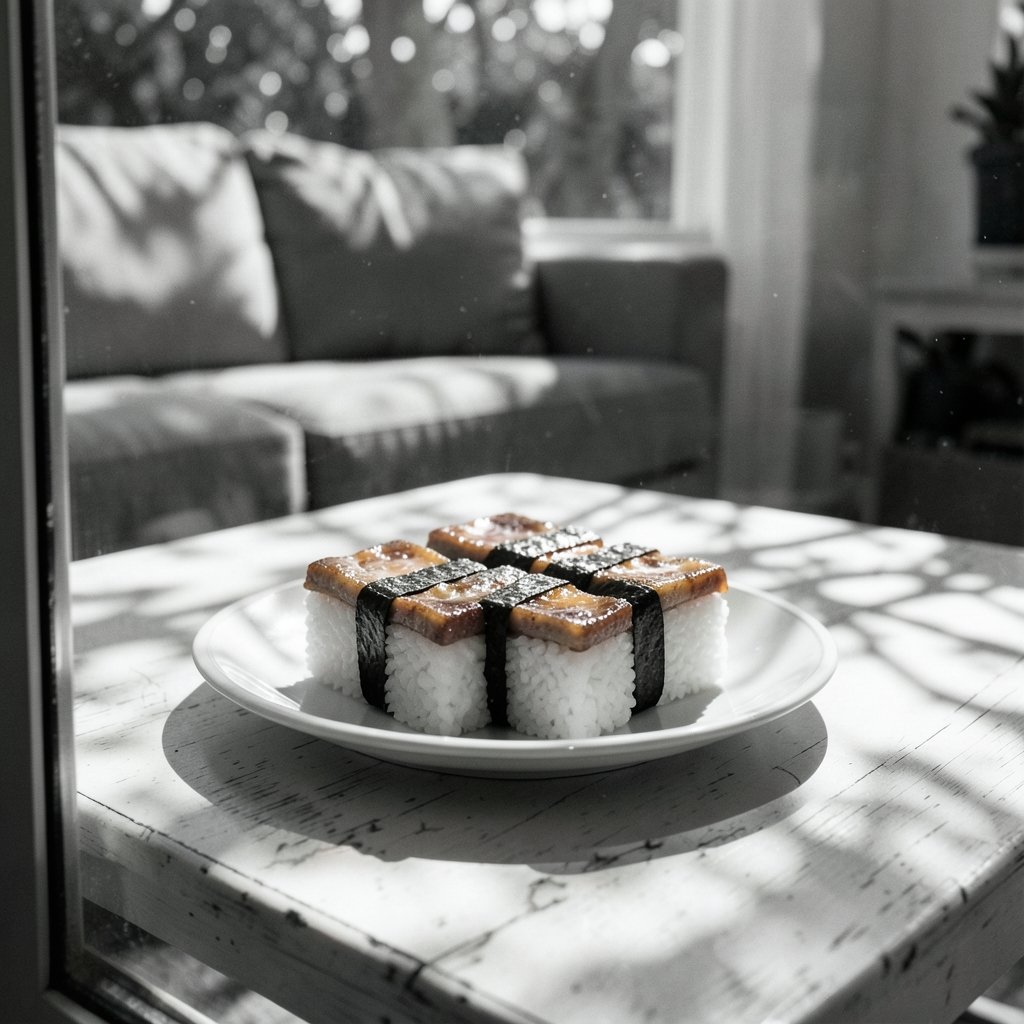
What if the best snack in Hawaii came out of a can? That’s the strange truth behind Spam musubi, a simple block of rice topped with a glazed slice of canned meat and wrapped in seaweed. It shows up at gas stations, soccer games, potlucks, and beach days across the islands. And it’s easy to make at home, even if you’ve never shaped a rice ball in your life.
This guide walks through a reliable Spam musubi recipe, the tools that actually help, the mistakes that turn out gummy or greasy musubi, and the variations people argue about. By the end, you’ll know why this humble snack has such a devoted following.
What Is Spam Musubi, Exactly?
Spam musubi is a Hawaiian-Japanese fusion food. It’s built from a block of seasoned short-grain rice, a slice of pan-fried Spam, a sprinkle of furikake, and a band of nori holding it all together. The word musubi comes from the Japanese omusubi, or rice ball. The snack takes that familiar form and swaps in Spam, a canned pork product that became a staple in Hawaii during and after World War II. (Block spam calls android practical step by step guide)
The exact origin is debated. Some trace it to Japanese internment camps during the war. Others credit a local Japanese-American woman, Barbara Funamura, who wanted to fit Spam into the familiar shape of an onigiri. Either way, the snack is now one of the most popular foods in Hawaii, sold everywhere from 7-Eleven to mom-and-pop okazuya shops.
The flavor profile is what keeps people coming back. Salty, savory meat meets slightly sweet and tangy rice, with a little crunch from furikake and a briny bite from the seaweed. It’s portable, filling, and cheap to make.
What You Need Before You Start

The ingredient list is short. The equipment list is even shorter, though a couple of tools make life easier.
Core Ingredients
| Ingredient | Amount | Notes |
|---|---|---|
| Short-grain rice (calrose or sushi rice) | 2 cups uncooked | Sticky enough to hold shape |
| Water | 2 cups | Equal parts rice to water works well |
| Spam | 1 can (12 oz) | Low-sodium works fine |
| Nori | 4–5 sheets, halved | Toasted seaweed |
| Furikake | 2–4 tbsp | Optional but recommended |
| Soy sauce | 3–5 tbsp | For the glaze |
| Sugar | 1–2 tbsp | Balances the salt |
| Mirin or rice vinegar | 1 tbsp | Adds tang |
| Neutral oil | 1 tsp | For frying |
Helpful Tools
A musubi mold (a rectangular press) is the single most useful purchase. Without one, you can line a clean Spam can with plastic wrap and use it as a mold, which is exactly what many home cooks do. A rice cooker takes the guesswork out of the rice. A sharp knife and a cutting board round things out.
One practical tip: keep a small bowl of water nearby. Wet your fingers and the mold before pressing rice. Dry rice sticks to everything and makes a mess of the shape.
Step-by-Step Spam Musubi Recipe
This method makes 8 to 10 pieces and takes about 40 minutes total, most of which is rice cooking time you don’t have to watch.
Step 1: Cook the Rice
Rinse the rice under cold water until the water runs mostly clear. This removes surface starch that would otherwise make the rice gummy. Cook it in a rice cooker or on the stove with equal parts rice and water. A common mistake is using the full package ratio, which can leave the rice too wet for shaping. Slightly drier rice holds its block shape better.
Once cooked, let the rice steam covered for 10 minutes off the heat. If you like, fold in a little rice vinegar, sugar, and salt for a sushi-style seasoning. This is optional. Many Hawaiian recipes skip it and rely on the salty glaze for flavor.
Step 2: Slice and Fry the Spam
Open the can and tip the Spam out in one block. Slice it into 8 even pieces. Cutting the block in half, then each half in half again twice, gives you consistent slices without measuring.
Heat a teaspoon of oil in a skillet over medium heat. Fry the slices for 2 to 3 minutes per side until they’re golden and slightly crispy at the edges. Don’t rush this. A little browning adds texture that plain canned meat lacks.
Step 3: Make the Glaze
In a small bowl, whisk together soy sauce, sugar, and mirin or rice vinegar. Some versions add oyster sauce or grated ginger for depth. Pour the mixture into the hot skillet after the Spam is browned and let it bubble for 30 to 60 seconds, turning the slices to coat. The sauce should thicken into a sticky glaze. Pull the pan off the heat before it burns, because sugar goes from caramelized to bitter fast. (Soft sugar cookie recipe that stays soft days)
Step 4: Shape the Rice
Lay a strip of nori, shiny side down, on a cutting board. Place the mold across the middle. Fill it about one inch deep with warm rice and press down firmly and evenly with the press. Sprinkle furikake over the top. Lift the mold away carefully.
If you’re using the Spam can method, line the empty can with plastic wrap, pack in the rice, and lift it out by the plastic.
Step 5: Assemble and Wrap
Set a glazed Spam slice on top of the rice block. Bring the nori up around the sides and press it against the rice so it sticks. Wet the seam of the nori slightly if it won’t stay put. Flip the musubi seam-side down and let it rest for a minute.
Step 6: Serve or Store
Eat it warm, or wrap each piece tightly in plastic and refrigerate. Spam musubi keeps for about a day in the fridge. Nori softens over time, so if you want that crisp bite, wrap the seaweed just before eating.
Common Mistakes That Ruin Spam Musubi
Most failed batches come down to a handful of fixable problems.
Wet, mushy rice. Overwatering or skipping the rinse leads to rice that won’t hold shape. Use equal parts rice and water and rinse well.
Rice that falls apart. Under-pressing is the culprit. Press firmly, but not so hard that the grains turn into paste.
Burnt glaze. Sugar burns quickly. Add the sauce only after the Spam is browned, and keep the heat moderate.
Soggy nori. Wrapping too far ahead lets moisture from the rice soften the seaweed. Wrap close to serving time, or accept a softer texture.
Too salty. Regular Spam plus full-strength soy sauce can overwhelm. Use low-sodium Spam or cut back on the soy sauce.
Variations Worth Trying
The basic recipe is a template, and everyone in Hawaii seems to have a version.
A ginger-soy glaze adds grated fresh ginger for a sharper bite. A macadamia nut version mixes toasted, crushed nuts into the rice for richness and crunch. Some cooks add a thin layer of scrambled egg under the Spam, turning it into a breakfast musubi. Others swap the Spam for hot dogs, which is a real thing at island gatherings. (Remove iphone calendar virus fixing calendar spam fast)
Spicy versions brush the Spam with sriracha mayo or chili sauce. Teriyaki-style glazes lean sweeter. And if you want to skip the shaping entirely, you can press the rice into a small bowl and treat it as a rice bowl topped with glazed Spam and a torn sheet of nori.
Tips for Making It Ahead
Spam musubi is a strong candidate for meal prep, with one caveat about the seaweed. Cook the rice, fry and glaze the Spam, and store the components separately in the fridge for up to three days. Assemble fresh each morning. If you must assemble ahead, wrap tightly in plastic and keep chilled, then accept that the nori will be tender rather than crisp.
For lunchboxes, wrap each piece individually so they don’t stick together. A small packet of furikake on the side lets eaters add crunch right before eating.
Why This Snack Has Such a Following
Part of the appeal is cost. A can of Spam and two cups of rice feed several people for very little money. Part of it is convenience. It’s a complete snack in one hand, no plate or fork required. And part of it is cultural. In Hawaii, Spam musubi is tied to family gatherings, fundraisers, and after-school snacks in a way that’s hard to explain to outsiders.
The recipe also rewards practice. The first batch might look lumpy. By the third, the rice blocks come out square and even, and the glaze hits the right balance of sweet and salty. It’s forgiving food.
Conclusion
Spam musubi proves that great food doesn’t need fancy ingredients. Short-grain rice, a can of Spam, a splash of soy sauce and sugar, and a sheet of nori are enough to make something people crave. The technique matters more than the shopping list: rinse the rice, press it firmly, brown the meat properly, and wrap close to serving time.
Start with the basic recipe, then adjust. Add ginger, egg, or a spicier glaze once you’ve got the shape down. Whether it’s a quick lunch or a party snack, this Hawaiian classic earns its reputation one block at a time.
Frequently Asked Questions
What kind of rice works best for Spam musubi?
Short-grain rice, such as calrose or sushi rice, is the standard choice. Its higher starch content makes the grains cling together, which is exactly what holds a musubi block in shape. Long-grain rice like jasmine tends to fall apart when pressed. Rinse the rice well before cooking to remove excess surface starch.
Can I make Spam musubi without a mold?
Yes. A clean, empty Spam can works as a substitute. Line it with plastic wrap, pack the rice inside, press down with the back of a spoon, and lift the block out using the plastic. Wet your hands and the can first so the rice doesn’t stick. The result is slightly less uniform than a dedicated mold but tastes the same.
How long does Spam musubi last?
Assembled musubi keeps for about a day in the refrigerator when wrapped tightly. The rice firms up when cold, so many people let it sit at room temperature for a few minutes before eating. For longer storage, keep the rice, glazed Spam, and nori separate and assemble fresh, which keeps components good for up to three days.
Is Spam musubi served hot or cold?
Both are common. Freshly made musubi is warm, with crispy Spam and soft rice. Store-bought versions are often eaten at room temperature or chilled, which is part of why they’re popular as grab-and-go food. The flavor holds up either way, though the nori loses its crispness once chilled and wrapped.
What is furikake, and can I skip it?
Furikake is a Japanese rice seasoning made from dried seaweed, sesame seeds, sugar, and salt, sometimes with dried fish or egg. It adds a savory crunch that balances the soft rice and meat. It’s optional, and the musubi still works without it, but a sprinkle makes a noticeable difference in texture and flavor.
Can I use low-sodium Spam?
Yes, and many cooks prefer it. Regular Spam is already salty, and the soy-based glaze adds more. Low-sodium Spam gives you more control over the final seasoning, especially if you’re feeding kids or watching salt intake. Taste the glaze before pouring it over the meat and adjust the soy sauce amount to your preference.