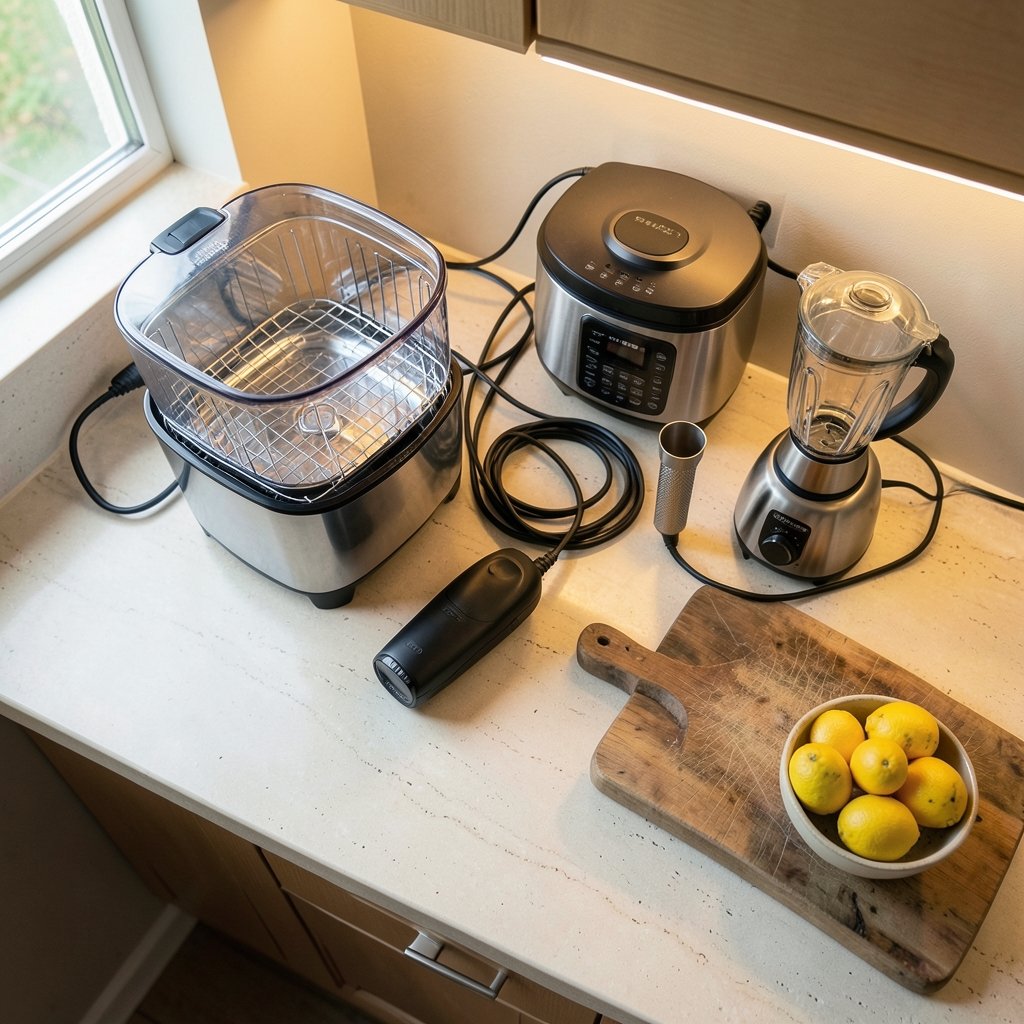
How much of your counter is currently covered by gadgets you haven’t touched in a month? If the answer makes you wince, you’re in good company. Counter space has become the scarcest resource in the modern kitchen, and every new appliance has to fight for its patch of real estate. The good news: a handful of 2027’s most talked-about tools genuinely pull their weight, replacing two or three older items and getting used several times a week instead of once a season.
This roundup skips the novelty junk and focuses on ten specific picks worth clearing space for. Each entry covers who it suits, what it does well, where it falls short, and what it costs when pricing is publicly listed. Prices shift constantly, so treat any figure here as a starting point and confirm it on the official product page before buying.
The Shortlist at a Glance
| Gadget | Best For | Standout Strength | Main Limitation |
|---|---|---|---|
| Glass-basket air fryer | Visual cooks who hate guessing | Watch food cook without opening the basket | Bulky footprint |
| Multi-function countertop oven | Small kitchens replacing a full oven | Bakes, air fries, roasts, toasts, steams | Premium price |
| 8-inch chef’s knife | Everyone, every day | One blade replaces a crowded block | Needs regular honing |
| Electric pressure cooker | Bean, stew, and stock lovers | Cuts long braises to a fraction of the time | Learning curve on release methods |
| High-power blender | Smoothie and soup households | Consistent texture, fewer second attempts | Loud at top speed |
| Digital kitchen scale | Bakers and portion planners | Repeatable results, less waste | Useless if you never bake |
| Microplane-style zester | Citrus, garlic, hard cheese | Tiny storage, huge flavor payoff | Blades dull with heavy use |
| Cast iron skillet | Sear and oven-to-table cooks | Near-indestructible, multi-surface | Heavy and needs seasoning care |
| Collapsible colander | Small apartments | Folds flat after use | Less rigid when full |
| Magnetic spice rack | Renters with wall space | Frees drawer and counter area | Magnet strength varies |
1. Glass-Basket Air Fryer
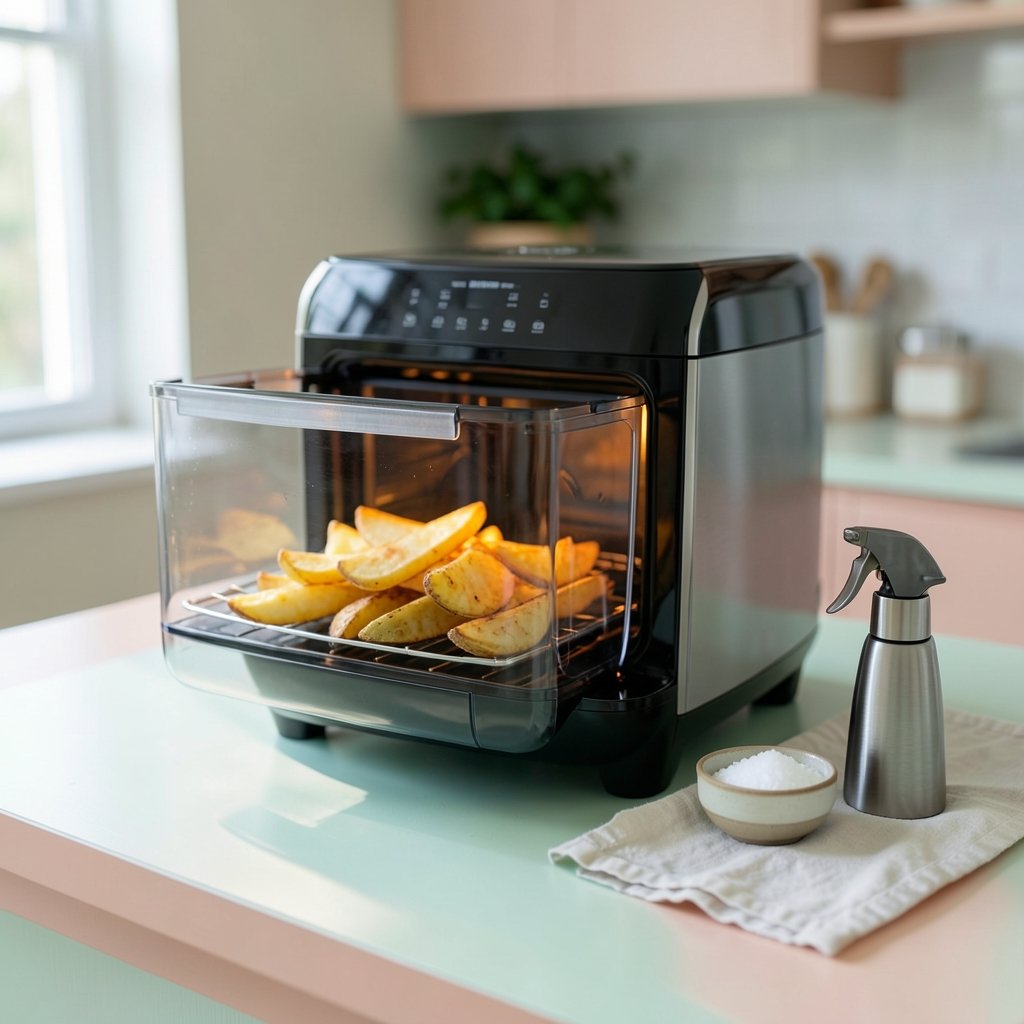
Who it suits: Anyone who has burned a batch of fries because they couldn’t see what was happening inside a closed basket.
Glass-basket air fryers were among the most innovative countertop appliances recognized in 2027 kitchen awards, and the appeal is obvious: you watch the food brown in real time instead of yanking the drawer open and letting heat escape. For people who cook by sight rather than by timer, that transparency changes the whole experience.
What it does well: It air fries, roasts, and reheats with far less oil than a skillet, and the visible window means fewer ruined batches. Cleanup is usually simpler than a multi-part oven.
The limitation: Glass adds weight and bulk. Measure your counter depth before ordering, because these units tend to be wider than basket-style models.
Price: Varies by brand and capacity; check current listings rather than trusting a figure from an older review.
2. Multi-Function Countertop Oven
Who it suits: Small-apartment dwellers, single-portion cooks, and anyone who resents preheating a full-size oven for one salmon fillet.
These compact boxes bake, air fry, roast, toast, and steam. Steam infusion keeps food moist inside while the exterior crisps, which is why they’ve become a genuine replacement for a second oven rather than a novelty.
What it does well: It heats fast and handles multiple cooking methods, so it can retire both a toaster and a small air fryer. In a studio or galley kitchen, that consolidation is the entire point.
The limitation: Capacity. A whole chicken or a large sheet-pan dinner won’t fit, and premium models cost more than buying two basic appliances separately.
Price: Premium tier. Confirm on the manufacturer’s page.
3. One Good 8-Inch Chef’s Knife
Who it suits: Literally every home cook, including those who already own a knife block.
A single well-made 8-inch chef’s knife handles onions, herbs, carrots, chicken, and citrus with less fuss than five specialized tools, according to 2027 kitchen buying guidance. Forged or well-made stamped steel with a comfortable handle matters more than a trendy finish, and stainless steel is the easiest option for most cooks because it needs less upkeep than high-carbon steel.
What it does well: It replaces a drawer full of dull, single-purpose blades. Regular honing and occasional sharpening keep it working, and a sharp knife is safer than a dull one because it doesn’t slip.
The limitation: It still takes counter or block space unless you store it on a magnetic strip. And it demands maintenance, which many people skip.
Price: Wide range. Mid-tier stainless is the sweet spot for most households.
4. Electric Pressure Cooker
Who it suits: Bean, stew, braise, and stock cooks who want weeknight results without babysitting a pot.
The multi-function pressure cooker earns its reputation week after week because it compresses hours into minutes. Braised meats, dried beans, and stock that once ate an afternoon now fit into a normal evening.
What it does well: It’s a slow cooker, rice cooker, steamer, and sauté pan in one housing, which is exactly the kind of multitasking that justifies permanent counter placement.
The limitation: The learning curve is real. Natural versus quick release changes texture, and beginners often end up with mushy vegetables until they adjust timing.
Price: Around $99 for the classic seven-in-one model in recent listings. Verify current pricing.
5. High-Power Blender
Who it suits: Smoothie households, soup makers, and anyone tired of gritty results.
A blender only earns counter space if it’s strong enough that you stop dreading it. Weak models leave chunks, forcing a second pass and doubling the cleanup. A high-power model gets texture right the first time.
What it does well: It crushes ice, blends hot soups (with a vented lid), and makes nut butters and dressings. Consistency is the whole value proposition.
The limitation: Noise. Top-speed blending is genuinely loud, and the base is heavy enough that lifting it daily gets old.
Price: Mid to high, depending on wattage and jar material.
6. Digital Kitchen Scale
Who it suits: Bakers, meal-preppers, and anyone following recipes that list grams.
Chef-approved kitchen equipment lists consistently include a digital scale alongside the knife and cast iron skillet. Volume measuring cups are inconsistent; weight is not. Once you bake by weight, you stop wondering why the same recipe turns out differently each time.
What it does well: It’s small, cheap, and improves repeatability across coffee, baking, and portion control. It also cuts waste because you stop over-portioning.
The limitation: It’s useless if you never bake or follow measured recipes. Buy it only if the behavior exists.
Price: Budget-friendly, typically under $30.
7. Microplane-Style Zester
Who it suits: Citrus lovers, garlic users, and hard-cheese finishers.
This is the smallest item on the list and possibly the highest return per square inch. It zests citrus, grates garlic into paste, and showers parmesan over pasta in seconds.
What it does well: It stores in a drawer, costs little, and replaces a box grater for fine work. Professional-style kitchen equipment lists name it repeatedly for a reason.
The limitation: The fine blades dull with heavy use, and it isn’t a substitute for a coarse grater when you need volume.
Price: Budget-friendly.
8. Cast Iron Skillet
Who it suits: Searchers, oven-to-table cooks, and anyone who wants one pan that does everything.
Cast iron earns its spot because it moves from stovetop to oven, holds heat like nothing else, and improves with age. It’s also the pan that survives being handed down.
The limitation: Weight and care. It’s heavy, and seasoning takes attention, especially if you cook acidic sauces often.
Price: Surprisingly affordable for a lifetime tool.
If you’re building out a workspace around these picks, our guide to desk accessories that earn their space applies the same logic to the home office.
9. Collapsible Colander
Who it suits: Small-apartment and galley-kitchen cooks.
Space-saving kitchen gadget roundups keep returning to collapsible colanders because they solve a specific problem: a rigid colander is always too big for the sink and never gets moved. A folding version stores flat and pulls double duty for rinsing and draining.
What it does well: It reclaims cabinet space and handles pasta, produce, and canning jobs.
The limitation: Less rigidity when full. A loaded collapsible colander can flex, so support it with both hands.
Price: Budget-friendly.
10. Magnetic Spice Rack
Who it suits: Renters, tiny kitchens, and anyone whose spice drawer is a mixed pile.
Magnetic spice racks mount on the side of a fridge or a metal strip and pull double duty as storage and display. They free drawer and counter area without drilling into tile, which matters if you rent.
What it does well: It puts spices within arm’s reach while cooking and eliminates the dig-through-the-drawer ritual.
The limitation: Magnet strength varies widely between brands, and heavy glass jars can slide on weak models. Check the rated hold weight before committing.
Price: Budget-friendly.
How to Choose Without Over-Buying
The pattern across every list of tools that earn their place is the same: versatility beats novelty. Single-use gadgets like avocado slicers and onion holders rarely survive the first month. If a tool can’t do at least two jobs, it probably doesn’t deserve permanent counter space.
A practical order of operations:
- Pick the three tasks you do most often each week.
- Choose one tool per task that also covers a secondary job.
- Store everything else in a drawer, not on the counter.
- Wait two weeks before buying anything else. If you didn’t miss it, you didn’t need it.
Drawer and cabinet logic matters too. Match storage depth to function: shallow tops for utensils, medium for prep bowls, deep bottoms for pots. Organize each drawer into a task zone so you never dig through a mixed pile. Pull-out shelves next to the range keep cooking tools within reach, and vertical inserts squeeze extra items into dead corner space.
One more practical tip: measure before you buy, not after. Counter depth, cabinet height, and outlet placement kill more purchases than bad reviews do. And if you’re shopping for a gift rather than yourself, the same rules apply to Christmas gadgets that earn their place under the tree — usefulness first, novelty never.
Conclusion
The ten gadgets here share one trait: they get used. A glass-basket air fryer you can see through, a countertop oven that replaces two appliances, one sharp knife, and a scale that fixes inconsistent baking all earn their footprint because they change how often and how well you cook. Everything else is solving a problem you don’t actually have.
Clear the counter, keep the multitaskers, and let the single-use tools live in a drawer where they can think about what they’ve done. For readers who want the same discipline applied to the rest of the home, our roundup of electric appliances that actually earn their place follows the identical test: does it work hard enough to stay plugged in?
FAQ
How do I know if a kitchen gadget will actually earn its counter space?
Ask whether it replaces at least two tools or handles a task you do weekly. If it only does one narrow job and you cook that dish monthly, it belongs in a drawer. Versatility and frequency are the only two tests that matter.
Are glass-basket air fryers better than closed-basket models?
They’re better for cooks who judge doneness by sight, since you can watch food brown without opening the basket and losing heat. Closed baskets are usually lighter and take less counter depth. Neither is universally superior; it depends on how you cook.
What is the single most useful kitchen tool to buy first?
An 8-inch chef’s knife. It covers onions, herbs, vegetables, chicken, and citrus, which is more daily prep than any appliance on this list. Add a digital scale second if you bake.
Do multi-function countertop ovens really replace a full-size oven?
For small households and single portions, often yes. They bake, air fry, roast, toast, and steam in one box and preheat faster. They can’t fit a whole chicken or a large sheet-pan dinner, so they work best as a complement in family kitchens.
How much counter space should appliances take up in total?
A workable rule is to leave at least half your primary prep counter clear. If appliances cover more than that, rotate the least-used one into a cabinet and bring it out only when needed.
Are collapsible and magnetic gadgets durable enough for daily use?
Collapsible colanders flex under heavy loads, so support them with both hands. Magnetic racks vary widely in hold strength, so check the rated weight and avoid heavy glass jars on weaker strips. Both are solid budget picks when matched to realistic use.