What if the smartest money in home robotics went to a machine that does one boring job brilliantly instead of a humanoid that folds laundry in a demo video? That is the question buyers face heading into 2027, when a wave of single-purpose robots is shipping alongside flashier multi-task machines that still lean on remote human help. The answer is less glamorous than the keynote reels, and far more useful.
Why single-task robots beat generalists for most homes
The pitch for a general-purpose home robot is easy to sell. One machine that vacuums, folds, tidies, and chats sounds like the end of chores. The reality in late 2026 is messier. Home humanoids like the 1X NEO are the only ones with open reservations, and they handle hard chores with a human teleoperator behind the scenes. Deliveries have slipped into 2027. That is a pioneer’s bet, not an appliance.
Single-task robots sit on the other side of the line. They do exactly what they promise, work from day one, and cost a fraction of a humanoid. A robot vacuum does not need to understand your kitchen to clean your kitchen. A companion bot does not need arms to keep a grandparent company.
There is a second reason to favor narrow machines. Maintenance math is brutal on complex robots. One practical guide to 2027 home robots puts annual upkeep at roughly 5% of the purchase price, and warns that complex multi-task units succeed at only about 30% to 40% of tasks in messy real-world settings. Buy a robot for the job it nails, not the job it attempts.
The one-task categories that earn their price in 2027
Not every single-task robot is worth owning. Some are toys, some are vaporware, and some are genuinely great. Here is how the categories sort out.
Robot vacuums and mops: the safest buy
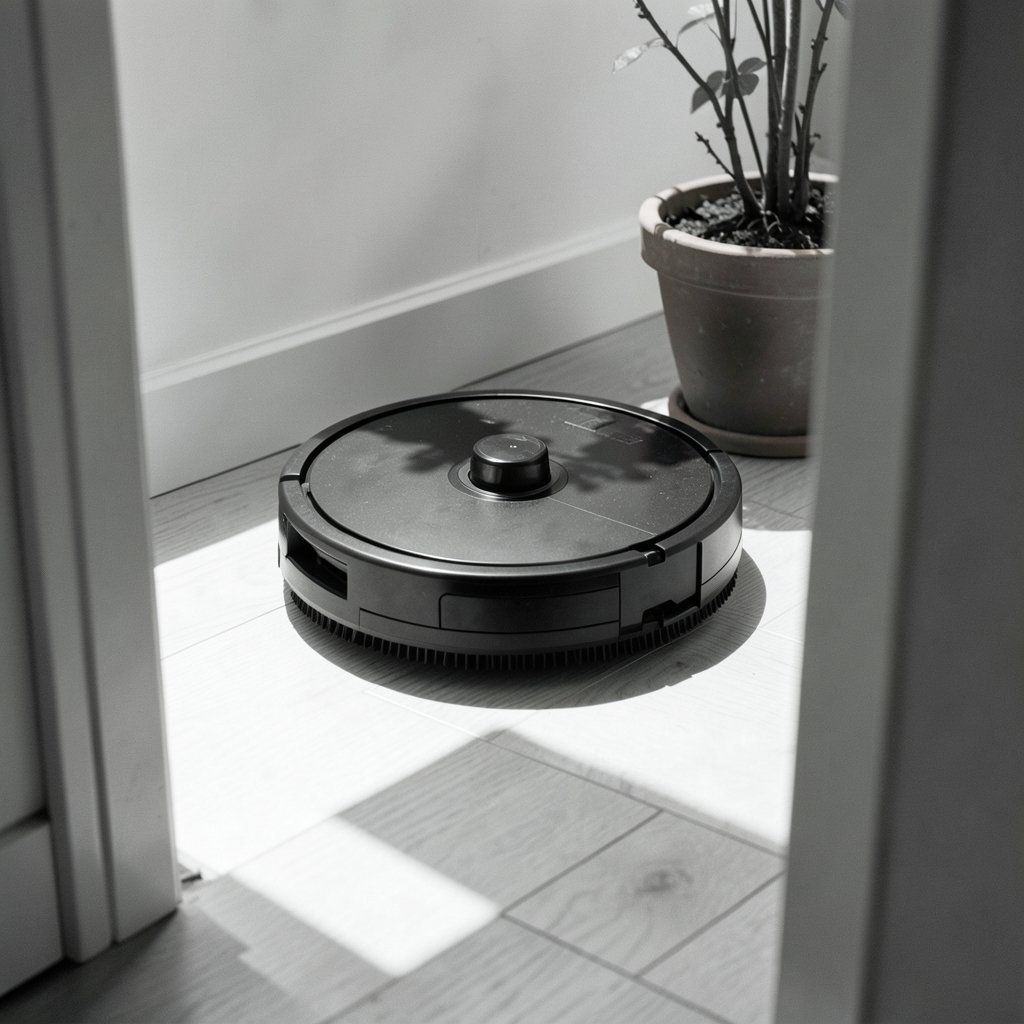
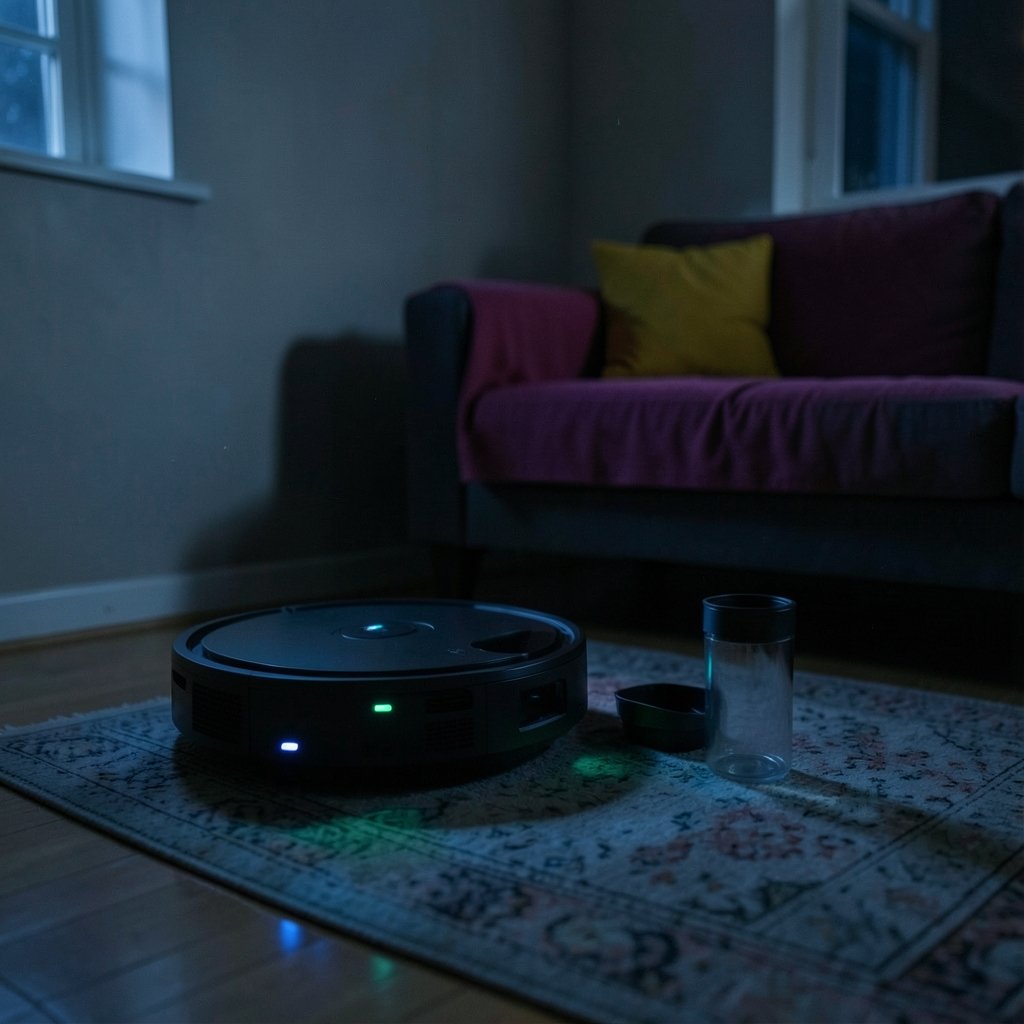
This is the category where your money buys a finished product. CES 2027 honored 25 products across smart home and home appliances, and five of them were robots. The only one you could buy immediately was iRobot’s Roomba Max 875 Combo, listed at $1,199.99 on the company’s US store, with 35,000 Pa of suction and a skirt that seals against carpet.
Cheaper options do the core job well too. A 2027 buying guide highlights the Tikom G8000 Max for buyers who want a long listed runtime and a bigger onboard dustbin without a self-emptying dock, citing a 450 ml dustbin, a separate 300 ml water tank, and up to 150 minutes of battery life. Budget picks from Chinese makers cluster between roughly 3,000 and 5,000 yuan, with features like hot-water mop washing and dual mechanical arms for corners.
Practical tip: prioritize laser navigation and 3D obstacle avoidance over suction numbers. A robot that maps your home cleanly and avoids cables will outperform a stronger one that gets stuck under the sofa. And leave room for the dock, because self-emptying and self-washing stations take real floor space.
Companionship and elder care: small, cheap, genuinely helpful
This is the quiet winner of the category. Small companion robots like Loona at $499, EMO at $279, and aibo at $2,899 do exactly what they promise, which does not include mopping. In China, a small elder-care unit called Changjingmao sells for about 1,249 yuan and handles video calls and medication reminders.
For families with an older parent living alone, that is a real job done by a real product at a price that does not sting. It will not lift anyone out of a chair. It will check in, remind, and connect. Set expectations there and the device earns its place.
Laundry folding and tidying: promising, not proven
CES 2027 honored X Square Robot’s Quanta X1 Pro, a wheeled dual-arm robot that folds clothes, makes beds, and clears tables at working heights from 0 to 1.6 meters. In China it was bookable as a cleaning service at 148 yuan for three hours, roughly $21. That is a fascinating business model, but it is not a consumer purchase yet.
Treat folding robots as a watch-list item. The hardware exists. The reliability at home, at a price normal households accept, does not.
Yard and outdoor robots: the sleeper pick
Yarbo’s M Series won CES recognition as a modular yard robot with lidar navigation that swaps between mowing, edging, snow clearing, and towing. Kickstarter pricing started at $2,199. If you have a large lawn or a long driveway and hate the seasonal gear shuffle, this is a single-task robot doing several seasonal jobs on one chassis. It is niche, but for the right property it is the most labor saved per dollar on this list.
Humanoids and multi-task machines: rent the dream, don’t buy it
The 1X NEO runs about $20,000 or $499 a month, and its deliveries are slipping into 2027. Chinese multi-task units like the Zhiyuan GO-1 sit at 40,000 to 50,000 yuan and are described as being in a mass-production validation phase. A folding-and-dishwashing robot in a validation phase is a research project with a price tag.
One consumer roadmap advises discounting every announced release date by a year or more, citing the Samsung Ballie precedent of a product announced in 2020 and still not sold. It also suggests pricing a robot against the labor it replaces. For most manipulation-heavy machines, that math does not favor the robot.
A quick comparison table
| Category | Example and price | What it does well | Main catch |
|---|---|---|---|
| Robot vacuum and mop | Roomba Max 875 Combo, $1,199.99 | Deep cleaning with self-wash dock | Needs floor space and upkeep budget |
| Budget vacuum | Tikom G8000 Max | Long runtime, big dustbin, no dock | Manual tank refills |
| Companion and elder care | Loona $499, EMO $279, Changjingmao ~1,249 yuan | Check-ins, reminders, interaction | No physical help |
| Laundry folding | Quanta X1 Pro, service pricing | Folding, bed making, tidying | Not a home product yet |
| Yard robot | Yarbo M Series, from $2,199 | Mowing, snow, towing modules | Niche fit, higher entry price |
| Home humanoid | 1X NEO, ~$20,000 or $499/mo | Chores with remote help | Cost, delays, limited autonomy |
How to choose without wasting money
The buying process matters as much as the product. A few rules cut through the noise.
- Name the single chore you hate most. That is your category.
- Check whether the product ships today and has independent reviews; pre-order pages alone are not enough.
- Budget roughly 5% of the purchase price per year for maintenance and consumables.
- Confirm the robot fits your space, including the dock footprint.
- Verify the return window before you commit, because home layouts vary wildly.
Common mistakes show up again and again. People buy on suction specs and ignore navigation. They buy a humanoid on a keynote promise and wait years. They forget that a self-emptying dock needs clearance and power. They skip the maintenance budget and then resent the filter costs. Avoid those four traps and you are ahead of most buyers.
It also helps to think about the wider home tech picture. A robot vacuum is only one piece of a connected home, and the same year brings meaningful changes elsewhere, from the projector-versus-TV debate covered in this look at projectors vs TVs in 2027 to the security upgrades in these passkey, password, and 2FA comparisons. If your robot vacuum will run on a schedule while you are out, locking down the account that controls it is not optional.
What the 2027 roadmap really looks like
Forecasts for the year point in one direction: capable single-task machines get better and cheaper, while generalists stay expensive and limited. One Spanish-language outlook describes 2027 as the year technologies shown at CES and IFA start becoming products you can actually buy, with robot arms on vacuums entering a second, more capable and slightly cheaper generation, stair-climbing models arriving for pioneers, and home humanoids seeing only limited deliveries.
That matches what the award lists show. The honored robots that ship are cleaners and yard machines. The honored robots that do not ship yet are the ones with arms and legs. The gap between those two groups is the whole story of the category.
There is also a software angle worth watching. General-purpose robot foundation models are being built to power many different robot bodies, which means today’s single-task vacuum could gain new skills through updates rather than new hardware. That is a reason to buy a machine with a strong software track record rather than strong specs alone.
For a broader sense of where the year’s hardware is heading, the best of 2027 awards breakdown shows how single winners shake out across categories, and the roundup of most anticipated games of late 2027 is a reminder that entertainment hardware and home hardware are competing for the same disposable income.
Conclusion
The best home robot for one useful task in 2027 is not the most impressive machine on a stage. It is the one that shows up, does its job, and does not need a human standing by. That means a robot vacuum with solid navigation, a small companion bot for check-ins and reminders, or a modular yard machine if you have the lawn to justify it. Humanoids and folding robots are worth watching, but not yet worth buying at consumer prices. Pick the chore you resent most, buy the machine that owns it completely, and let the generalists mature for a few more years. Your floors will be clean long before your laundry folds itself.
FAQ
What is the best home robot to buy in 2027?
For most households, a robot vacuum and mop is the safest buy because it ships today, works immediately, and costs far less than a humanoid. The Roomba Max 875 Combo at $1,199.99 is a current flagship example, and budget models deliver strong core cleaning for much less.
Are home humanoid robots worth buying in 2027?
For almost everyone, no. The 1X NEO costs about $20,000 or $499 a month, relies on remote human help for hard chores, and has seen deliveries slip into 2027. It is a pioneer’s purchase, not a practical appliance.
How much should I budget for robot maintenance?
Plan on roughly 5% of the purchase price each year for upkeep, filters, brushes, and consumables. Complex robots with arms and sensors cost more to maintain, which is one more reason single-task machines are the safer financial bet.
Do companion robots actually help older adults?
They help with connection, not physical care. Small units handle video calls and medication reminders at prices around 1,249 yuan, while companion bots like Loona at $499 and EMO at $279 offer interaction and presence. They complement family check-ins rather than replace them.
Can a robot really fold my laundry yet?
Not as a home appliance. The Quanta X1 Pro can fold clothes, make beds, and tidy tables, but it has been offered as a booked service in China rather than a consumer product. Treat folding robots as a watch-list item for now.
What features matter most on a robot vacuum?
Navigation and obstacle avoidance matter more than raw suction. Laser mapping plus 3D avoidance keeps a robot from getting stuck, and a self-washing dock saves real time. Check dock footprint and runtime before you buy.
The smartest purchase in 2027 is often the one you would not show off. A $300 vacuum that runs every morning and never needs rescuing beats a $20,000 humanoid that folds one shirt before asking for help. Buy for the chore, not the demo.