The best kids headphones for school 2027 are volume-limited, tough enough to survive a school bag, and clear enough that a teacher can hear every word on a call. That combination matters more than sound quality alone, because school headphones are a learning tool first and a music accessory second. Our short answer is the Puro Sound Labs BT2200 Plus for most families, with the JLab JBuddies Studio as the best wired pair for classrooms and the BuddyPhones Explore+ as the best choice for younger children.
Key takeaways
- A volume limit of 85 dB is the single most important feature: it protects hearing even when a child turns the volume all the way up.
- Wired headphones suit classrooms best, because there is no battery to charge and no pairing to go wrong.
- A clear microphone matters as much as sound quality for online lessons, reading apps and language practice.
- Check current price before buying, as kids’ headphones are frequently discounted and bundled for back to school.
What makes headphones good for school
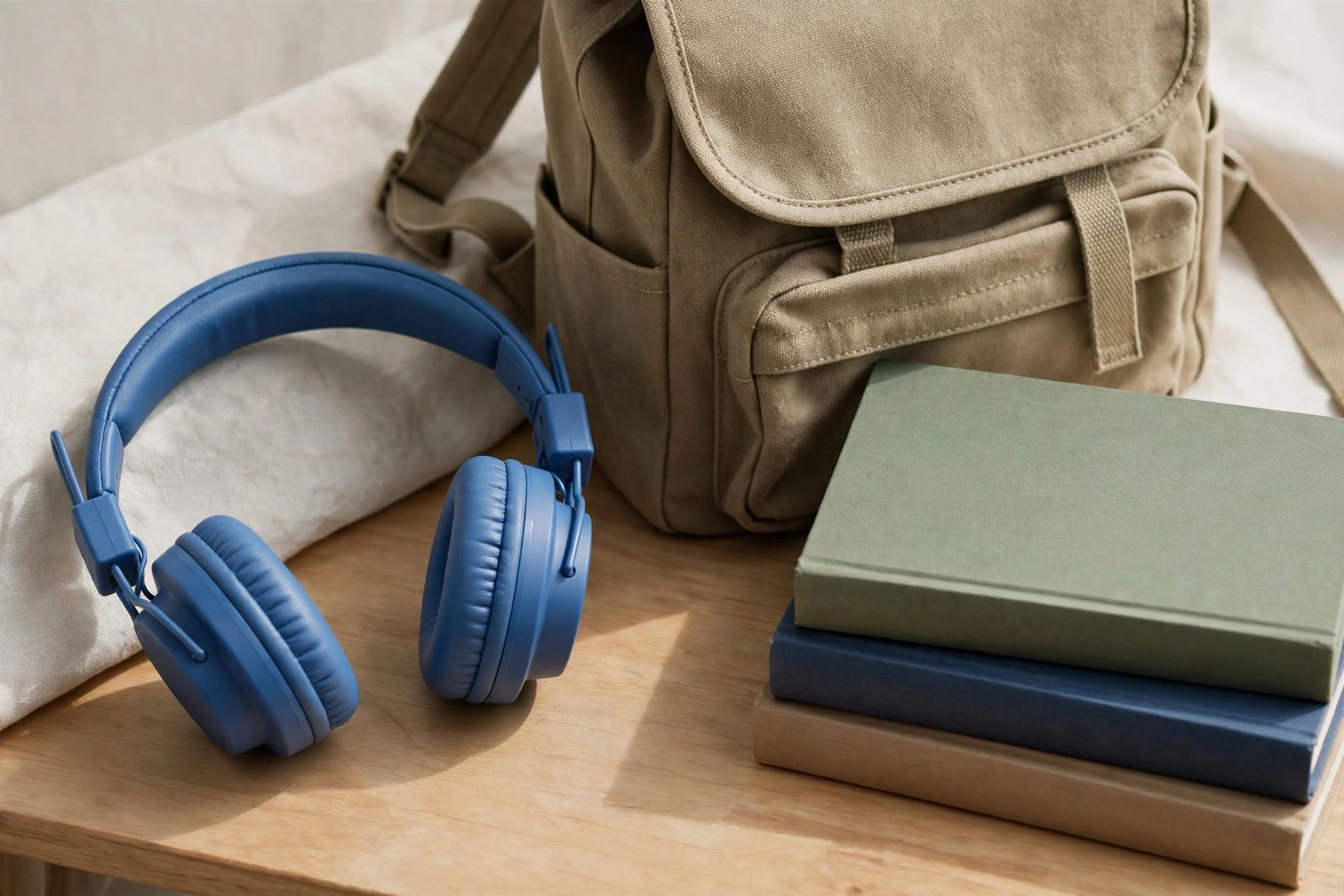
School headphones live a harder life than adult headphones: stuffed into bags, dropped on floors, shared between children and worn for hours. The pairs that last are built for that reality, with flexible headbands, thick cables and ear cushions that wipe clean.
Volume limiting is the feature that separates real kids’ headphones from adult headphones in a smaller size. Most dedicated kids’ models cap sound at 85 dB, a level widely recommended for children’s listening, and the best ones enforce that limit in the headphones themselves rather than relying on a setting on the device. A software limit on a tablet can be changed, bypassed or lost when the headphones move to a different device. A hardware limit travels with the headphones.
The microphone is the second feature parents overlook: online lessons, reading apps and language practice all depend on the teacher hearing the child clearly, and a built-in microphone with a simple call button is enough for most schoolwork. Fit matters too, because adult headphones slide down on smaller heads, so kids’ models use shorter headbands, smaller ear cups and lighter materials. Finally, think about connection: wired headphones work with any school device and need no charging, while wireless pairs are tidier but need charging every night. Many of the best school pairs offer both.
The best kids headphones for school in 2027
Puro Sound Labs BT2200 Plus — the best overall for school
Best for: most school-age children who need one pair for lessons, homework and travel.
The Puro BT2200 Plus is the most recommended kids’ headphone in this guide for a simple reason: it gets the fundamentals right. Volume is limited to 85 dB in both Bluetooth and wired modes, and the limit cannot be bypassed by turning up the source device. That is the protection parents actually want, rather than a limit that only works on one device or one setting.
Sound quality is noticeably better than most kids’ headphones, with clear vocals and enough bass to make music enjoyable. The headphones work wirelessly via Bluetooth or wired with the included cable, so a flat battery never means a missed lesson. Battery life is rated at around 20 hours. The trade-off is price: the BT2200 Plus usually costs more than budget kids’ headphones, so check current price before buying. For older children moving towards a first phone, our guide to the best first phones for kids covers the next step.
JLab JBuddies Studio — the best wired headphones for the classroom
Best for: classrooms and younger children who need a simple, affordable wired pair.
The JLab JBuddies Studio are wired, foldable over-ear headphones designed for children from around four years old. They cap volume at 85 dB, fold flat for storage in a desk or bag, and come in bright colours that children actually want to wear. Because they are wired, there is nothing to charge, nothing to pair and nothing to go wrong on a Monday morning.
Sound is clear and balanced for spoken lessons, audiobooks and learning apps, and the built-in microphone works well for reading practice and video calls. The headphones are light enough for all-day wear, and teachers often prefer wired pairs like these because they work with shared classroom tablets without any setup.
JLab JBuddies Pro Wireless — the best budget wireless pair
Best for: families who want wireless convenience at a budget price.
The JLab JBuddies Pro Wireless are the budget wireless pick in the JLab range, with a volume limiter that parents can set to 85 dB or 95 dB. Check that the lower 85 dB setting is selected before the first use, because the higher setting exists for older children and noisier environments. The headphones connect over Bluetooth, include a cable for wired use when the battery runs out, and come with a two-year warranty, which is generous at this price.
They are light, foldable and comfortable, and the microphone is clear enough for online lessons and calls. Battery life covers several school days between charges. For a child who commutes to secondary school by bus or train, our guide to the best headphones for commuting compares options with stronger noise isolation.
ONANOFF BuddyPhones Explore+ — the best for younger children
Best for: children aged three to six, and for classrooms where headphones are shared.
The BuddyPhones Explore+ are built for the youngest school children. They are wired, fold flat, and come in bright colours with stickers children can use to personalise the ear cups. The volume is limited to 85 dB, and the headphones include a daisy-chain feature that lets up to four children share audio from a single device, which teachers use for group listening and story time.
Durability is a genuine strength: the headband is flexible, the ear cushions are soft, and the whole pair is designed to be dropped, bent and stuffed into a bag without breaking. The wired design and younger styling mean older children will outgrow them, but for a child starting school they are one of the safest choices available.
Belkin SoundForm Mini — the best wireless pair for everyday school use
Best for: everyday wireless use at school and at home, with long battery life.
The Belkin SoundForm Mini are wireless over-ear headphones for children, with an 85 dB volume limit, a built-in microphone and battery life rated at around 30 hours. That battery life is the standout feature: a single charge can last a full school week or more, which removes the nightly charging chore that causes so many wireless headphones to be left dead in a bag.
They are light and comfortable, with simple on-ear controls that younger children can manage without help. The microphone is clear enough for school calls, and the headphones can also be used wired when the battery runs out. For older children who also need headphones for calls, our guide to the best earbuds for phone calls covers options with stronger microphones.
Best kids headphones for school: comparison table
| Headphones | Volume limit | Connection | Battery | Best for |
|---|---|---|---|---|
| Puro BT2200 Plus | 85 dB | Bluetooth + wired | Around 20 hours | Best overall |
| JLab JBuddies Studio | 85 dB | Wired | No battery needed | Classrooms |
| JLab JBuddies Pro Wireless | 85 dB or 95 dB | Bluetooth + wired | Several school days | Budget wireless |
| BuddyPhones Explore+ | 85 dB | Wired | No battery needed | Younger children |
| Belkin SoundForm Mini | 85 dB | Bluetooth + wired | Around 30 hours | Everyday wireless |
Table: the best kids headphones for school compared on volume limit, connection and battery. Always check the volume setting before first use.
Use this table to match the pair to your child’s age: younger children should start wired, while older children who can manage charging will get more from the Puro BT2200 Plus or the Belkin SoundForm Mini.
A checklist for choosing kids headphones for school
- Check the volume limit first: look for a hardware limit of 85 dB that works across devices, not just a software setting.
- Choose wired for classrooms: no battery, no pairing, and compatible with shared school devices.
- Test the microphone: make a video call before term starts and ask the other person how clear your child sounds.
- Check the age range and fit: the headband should sit comfortably without sliding down or pressing on the ears.
- Look for durability: flexible headbands, fold-flat hinges and replaceable cables survive school bags.
The headphones that fit, limit volume properly and survive the school bag will always beat the pair with the flashiest design.

Frequently asked questions
What volume limit should kids headphones have for school?
Look for a limit of 85 dB, which is the level most hearing guidance treats as safe for children’s everyday listening. The limit should be built into the headphones so it applies on any device, and you should check it is set to 85 dB before first use, as some models offer a higher setting for older children.
Are wired or wireless headphones better for school?
Wired headphones are better for classrooms, because they need no charging and work with any school device. Wireless headphones suit home use, travel and older children who can manage charging. Many of the best school pairs offer both.
Do kids need noise cancelling headphones for school?
Most children do not need active noise cancelling for school. A good seal from over-ear cushions blocks enough background noise for lessons, and full noise cancelling can make it harder for a child to hear a teacher’s instructions. Save noise cancelling for flights and very noisy environments.
How long should kids wear headphones at school?
Keep listening sessions reasonable and encourage breaks. Follow the school’s guidance on screen time, keep the volume at or below the 85 dB limit, and make sure your child can still hear instructions around them. If a child complains of ear pain, ringing or muffled hearing, stop use and speak to a doctor.
What age are kids headphones suitable for?
Most kids’ headphones are designed for ages three to twelve. Check the recommended age range and, more importantly, the fit: the headband should adjust small enough for your child, and the ear cups should cover the ears without pressing hard.
The bottom line
The best kids headphones for school in 2027 are the Puro Sound Labs BT2200 Plus for most families, with the JLab JBuddies Studio as the best wired classroom pair and the BuddyPhones Explore+ as the best choice for younger children. Your next step is simple: pick the pair that matches your child’s age from the table above, check that the volume limit is set to 85 dB, and let your child try them on before the first day of school.
Safety note: volume-limited headphones reduce risk but do not remove it. Keep listening time reasonable, keep the volume at or below the 85 dB limit, and supervise younger children during use. Encourage regular breaks, make sure your child can hear instructions and surroundings, and follow your school’s rules on headphone and screen use. If your child reports ear pain, ringing or muffled hearing, stop use and seek medical advice.