The best microSD cards for cameras 2027 has to offer are the ones that keep up with your camera instead of slowing it down. A slow card can stall burst shooting, stop 4K video mid-clip, or make a drone lose footage, and the difference between a good card and a poor one is often only a few pounds. For most camera owners, the SanDisk Extreme Pro microSD is the best all-round choice, the Samsung Pro Plus is the best value option, and the Lexar Professional 1066x is the best choice for demanding 4K video.
The right card depends on your camera and how you shoot. A drone and an action camera need fast, sustained write speeds for video, while a mirrorless camera used mainly for stills can work well with a more modest card. Capacity matters too: 4K video fills storage quickly, so a card that is too small will force you to swap cards in the middle of a shoot. This guide explains the speed ratings that actually matter, compares the leading cards, and helps you choose the right capacity for your camera.
We focus on cards from established brands with clear speed ratings and reliable warranties, because a memory card is the one part of your kit where a failure means lost work. We have avoided unbranded cards and vague speed claims, because a fake or slow card can cost you a shoot.
Key takeaways
- SanDisk Extreme Pro is the best all-round microSD card for most cameras.
- Samsung Pro Plus offers strong speed and reliability for less money.
- Lexar Professional 1066x suits demanding 4K video and high-bitrate recording.
- For 4K video, look for V30 as a minimum, and V60 or V90 for the highest bitrates.
- Choose 128GB as a starting point for video, and 256GB for drones, action cameras and long shoots.
MicroSD speed ratings explained simply
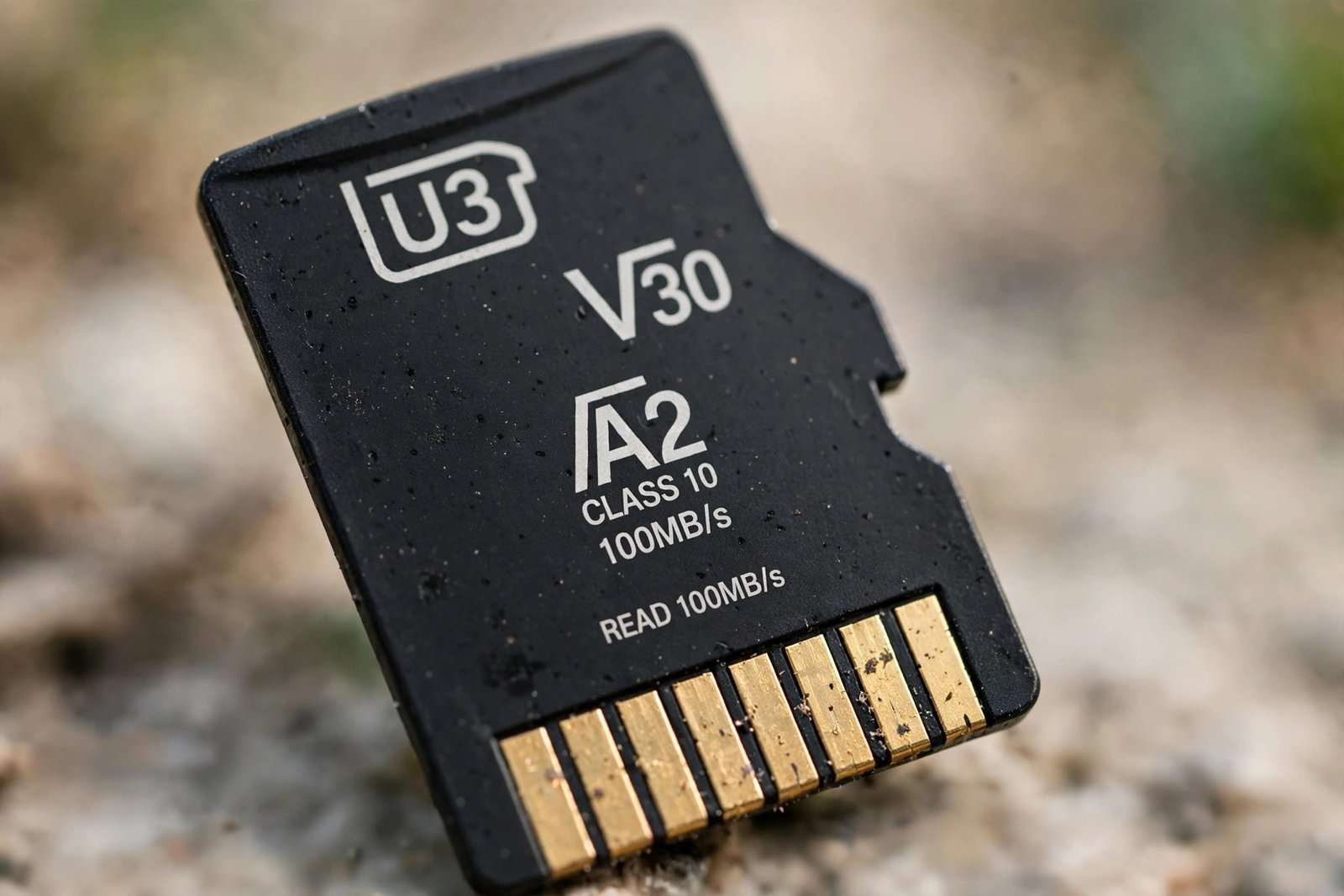
MicroSD speed ratings look confusing, but only a few matter for cameras. The first is the Video Speed Class, shown as V10, V30, V60 or V90. The number is the minimum sustained write speed in megabytes per second, so V30 guarantees at least 30MB/s and V90 guarantees at least 90MB/s. For 4K video, V30 is the usual minimum, while cameras that record at very high bitrates need V60 or V90. If your camera manual names a Video Speed Class, follow it.
The second rating is the UHS Speed Class, shown as U1 or U3. U3 means a minimum write speed of 30MB/s and is the standard for 4K video. U1, at 10MB/s, is only suitable for Full HD video and stills. The third rating is the Application Performance Class, shown as A1 or A2, which measures random read and write speeds for apps on phones and tablets. It matters little for cameras, so do not pay extra for A2 if you only use the card in a camera.
The bus interface matters too. UHS-I cards are the most common and work in almost every camera, drone and action camera. UHS-II cards are faster, but they need a UHS-II slot to reach their full speed, and many cameras, drones and action cameras only have UHS-I slots. A UHS-II card will still work in a UHS-I slot, but it will run at UHS-I speed, so check your camera before you pay for speed you cannot use.
Advertised speeds are also worth reading carefully. A card may advertise a read speed of 200MB/s, but its write speed — the speed that matters when your camera saves photos and video — is often much lower. Look for the write speed on the manufacturer’s specification page, and treat the large number on the front of the packaging as a read speed unless it clearly says otherwise.
The best microSD cards for cameras in 2027
SanDisk Extreme Pro microSD — the best all-round microSD card
Best for: most camera owners who want fast, reliable performance for photos and 4K video.
The SanDisk Extreme Pro microSD is the safest choice for most cameras, drones and action cameras. It carries a V30 rating and U3 classification, with manufacturer-rated read speeds up to 200MB/s and write speeds up to 140MB/s on its fastest models, which is enough for 4K video, burst stills and high-resolution photos. It is available from 64GB to 1TB, with 128GB and 256GB the most useful capacities for camera work.
SanDisk also offers a rescue service for data recovery on many of its cards, which is a useful safety net if a card is damaged. The card is built to resist water, shock, temperature extremes and X-rays, which suits travel and outdoor shooting. If you want one card that works well in almost any camera, start here. Check current price before buying, as prices vary by capacity and retailer. Photographers pairing a card with a new camera should also read our best cameras for travel photography guide.
Samsung Pro Plus microSD — the best value microSD card
Best for: photographers and drone owners who want strong performance for less money.
The Samsung Pro Plus microSD offers a strong balance of speed, reliability and price. It carries a V30 rating and U3 classification, with manufacturer-rated read speeds up to 200MB/s and write speeds up to 130MB/s on its fastest models. That is enough for 4K video on most cameras and drones, and for burst shooting on mirrorless cameras that use microSD.
Samsung builds its own memory and controllers, which helps consistency, and the card carries a long warranty and resistance to water, temperature, drops and magnets. It is available from 128GB to 1TB, and the 256GB version is the best value for most video shooters. If you need several cards for a trip, the Pro Plus lets you buy two for close to the price of one premium card, which is a sensible way to spread risk.
Lexar Professional 1066x microSD — the best microSD card for demanding video
Best for: videographers who record high-bitrate 4K video and need sustained write speed.
The Lexar Professional 1066x microSD is built for video work. It carries a V30 rating and U3 classification, with manufacturer-rated read speeds up to 160MB/s and write speeds up to 120MB/s, and it is designed to sustain those speeds during long recordings. That consistency matters more than peak speed for video, because a card that slows down mid-clip can cause dropped frames or a stopped recording.
Lexar also includes recovery software with many of its cards, which can help if files are accidentally deleted. The card is available from 64GB to 1TB, and 256GB or 512GB suits long video shoots. It is a strong choice for action cameras, drones and mirrorless cameras that record at high bitrates. Action camera owners can compare cameras in our GoPro vs DJI action camera guide.
SanDisk Extreme microSD — the best budget microSD card that is still fast enough
Best for: casual photographers and anyone who needs a reliable spare card.
The standard SanDisk Extreme microSD sits one step below the Extreme Pro, but it is still fast enough for most camera work. It carries a V30 rating and U3 classification, with manufacturer-rated read speeds up to 190MB/s and write speeds up to 130MB/s on its fastest models, which covers 4K video and burst stills on most cameras. The main difference from the Pro is lower sustained write speed under heavy load, which only matters for the most demanding video.
For everyday photography, family video and drone flights, the Extreme is a sensible saving. It is available from 32GB to 1TB, and the 128GB version is good value as a main card or a spare. If you shoot high-bitrate video professionally, choose the Pro instead. For a tougher phone to pair with outdoor shooting, read our best rugged phones guide.
Best microSD cards for cameras in 2027: comparison table
| Card | Best for | Video Speed Class | Read speed (rated) | Write speed (rated) | Capacities |
|---|---|---|---|---|---|
| SanDisk Extreme Pro | Most cameras | V30 | Up to 200MB/s | Up to 140MB/s | 64GB to 1TB |
| Samsung Pro Plus | Value | V30 | Up to 200MB/s | Up to 130MB/s | 128GB to 1TB |
| Lexar Professional 1066x | Demanding video | V30 | Up to 160MB/s | Up to 120MB/s | 64GB to 1TB |
| SanDisk Extreme | Budget, spares | V30 | Up to 190MB/s | Up to 130MB/s | 32GB to 1TB |
Table: the best microSD cards for cameras in 2027 compared on Video Speed Class, rated speeds and capacity range. Rated speeds vary by capacity; check the manufacturer’s listing for the size you buy.
A practical checklist for choosing a microSD card
- Check your camera manual first: follow its Video Speed Class and capacity guidance before you buy.
- Choose V30 as a minimum for 4K video: V10 and U1 cards are not enough for most 4K recording.
- Match the bus to your camera: UHS-II cards only reach full speed in UHS-II slots, so check before you pay extra.
- Buy the right capacity: 128GB for a day of video, 256GB for long shoots, and several cards rather than one huge card.
- Buy from a reputable retailer: fake cards are common on marketplaces, and a fake card can lose your footage.
- Format the card in the camera: this sets the right file system and reduces errors.
- Test before an important shoot: record a full clip at your usual settings and check it plays back cleanly.
Frequently asked questions
What is the best microSD card for a GoPro or DJI action camera?
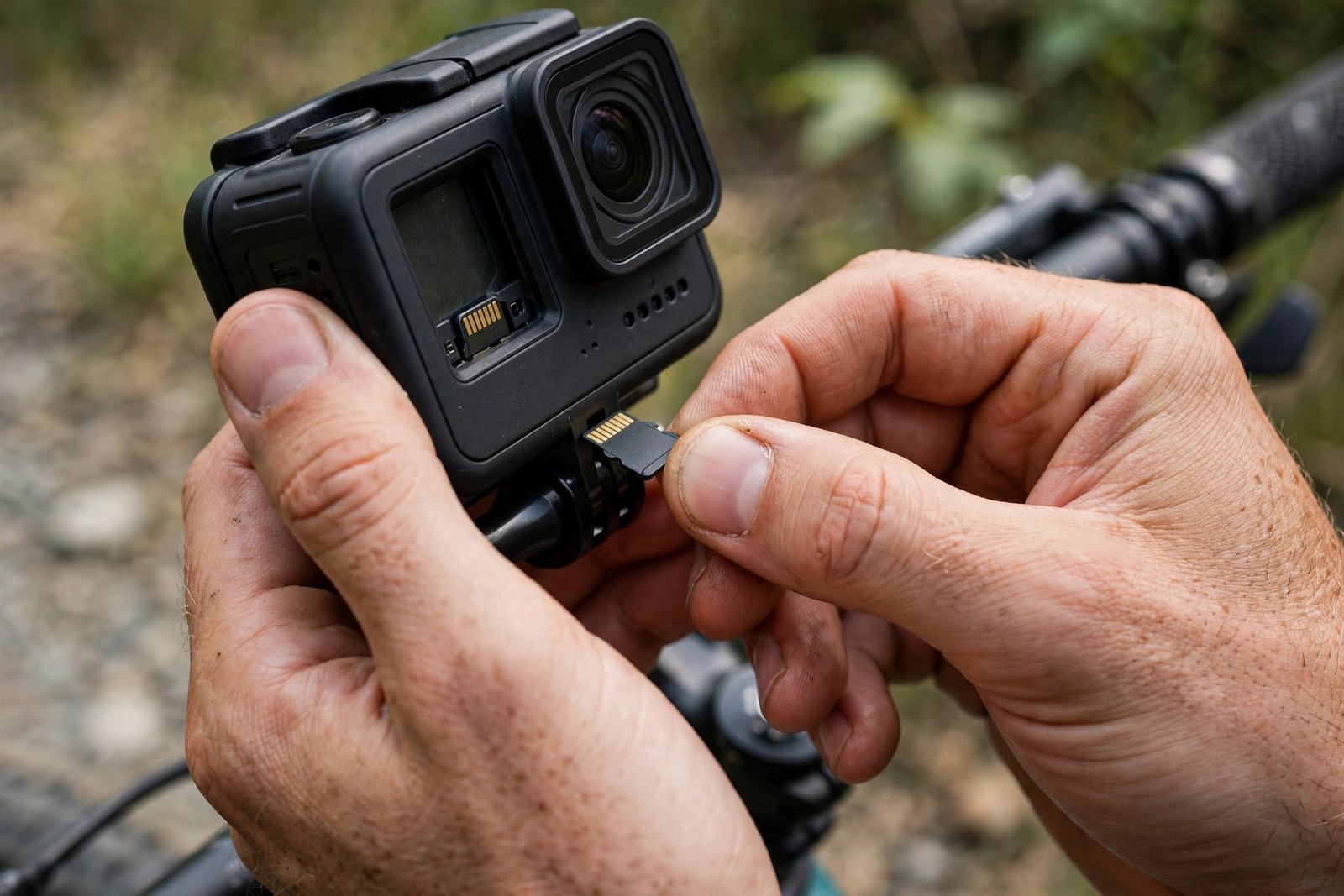
The SanDisk Extreme Pro and Samsung Pro Plus are both strong choices for action cameras, because they carry V30 ratings and fast sustained write speeds for 4K video. Check your camera manual first, as some models name specific cards or speed classes.
What is the best microSD card for a drone?
The Samsung Pro Plus suits most drones, because it combines V30 speed with durability and good value. Choose 128GB or 256GB for a full day of flying, and carry a spare card.
Do I need V60 or V90 for 4K video?
Most 4K video needs only V30, which guarantees 30MB/s sustained write speed. V60 and V90 are needed for very high-bitrate recording, such as 4K at high frame rates or professional codecs. Check your camera manual for its minimum requirement.
Can I use a microSD card in a full-size SD slot?
Yes, with an adapter, but the adapter can slow the card or cause connection problems. If your camera uses full-size SD cards, buy a full-size SD card instead of a microSD card with an adapter.
The verdict
The best microSD card for most cameras in 2027 is the SanDisk Extreme Pro, because it combines V30 speed, fast write performance and wide availability in the capacities camera owners actually need. The Samsung Pro Plus is the best value choice if you want similar performance for less, and the Lexar Professional 1066x is the best choice for demanding video work where sustained speed matters. The standard SanDisk Extreme is a sensible budget or spare card.
Whichever card you choose, match it to your camera’s speed requirement, buy from a reputable retailer, and test it before an important shoot. A memory card is a small purchase, but it holds work that cannot be retaken. Start by checking your camera manual, then choose the card that meets its V rating, and keep a spare in your bag.