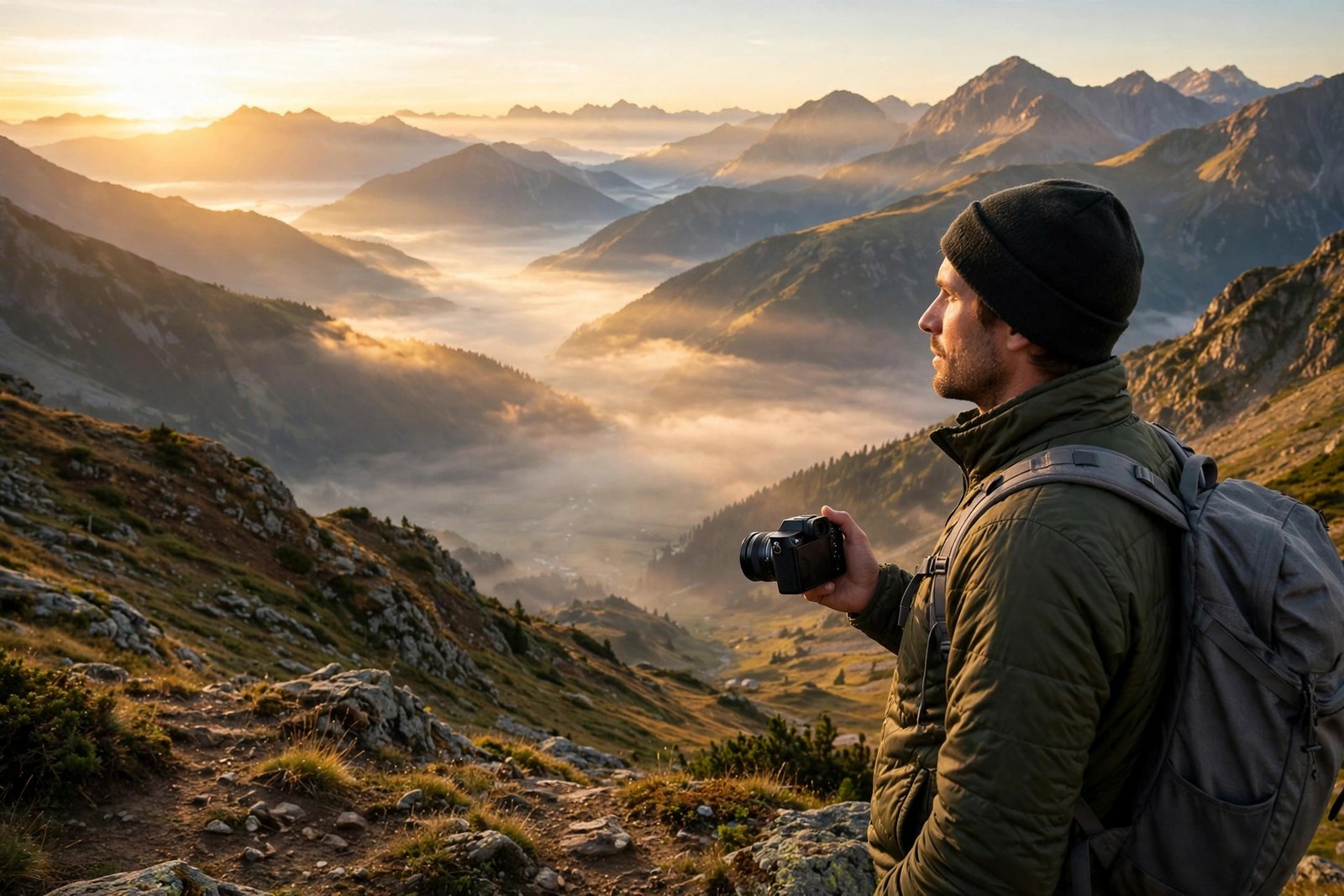
The best cameras for travel photography in 2027 are the ones you will actually carry all day, every day of a trip. A superb camera left in the hotel room takes no photographs at all, while a smaller camera in your hand captures the street, the meal and the view you would otherwise have missed. The central question is simple: which camera gives you noticeably better photographs than your phone, without becoming a burden?
Our short answer is that a compact APS-C mirrorless camera suits most travellers, a fixed-lens compact suits those who want the lightest possible kit, and a rugged all-in-one suits beach, boat and mountain trips. If you want the best balance of image quality and portability, start with a small mirrorless camera and one versatile zoom lens. If you want to travel with a single pocketable camera, start with a premium compact.
This guide compares the leading travel cameras on size and weight, image quality, lens flexibility, battery life, weather sealing and ease of use.
Key takeaways
- The best travel camera is the one you carry all day, so size and weight matter as much as image quality.
- A compact APS-C mirrorless camera with one versatile zoom suits most travellers.
- A fixed-lens compact is the lightest way to get a large sensor and a fast lens in your pocket.
- Weather sealing, battery life and a tilting screen matter more on a trip than headline specifications.
- Bring spare batteries and memory cards; charging opportunities are not always where you expect them.
How to choose a travel camera in 2027
Start with size, because it decides whether the camera travels with you or stays behind. A camera that fits in a jacket pocket or a small day bag will be with you at dinner, on the evening walk and at the viewpoint at dawn. A larger camera with several lenses needs a dedicated bag, and on a long day that bag starts to feel like a commitment rather than a pleasure.
Sensor size is a useful shorthand, but it is not the whole story. Larger sensors generally produce cleaner photographs in low light and more pleasing background blur, yet a smaller sensor in a camera you carry everywhere will beat a larger sensor in a camera you leave behind. Lens choice matters just as much: a single versatile zoom covering a wide to short telephoto range handles most travel scenes without a lens change.
Finally, consider how you will share photographs. Built-in Wi-Fi and a reliable companion app make it easy to move images to your phone for editing and sharing. A camera that makes this awkward will leave your photographs sitting on a memory card until you get home.
The best cameras for travel photography in 2027
Sony A6700 — the best all-round travel camera
Best for: travellers who want strong image quality, fast autofocus and a compact body in one camera.
The Sony A6700 is our leading all-round pick because it balances the qualities that matter on a trip. Its APS-C sensor produces detailed, clean images in good light and holds up well in dim interiors and evening streets. Autofocus is fast and reliable, tracking people and animals with confidence, which helps when your subject will not wait for you to compose the shot. In-body stabilisation steadies handheld shots at slow shutter speeds, useful in museums, churches and restaurants where a tripod is not welcome.
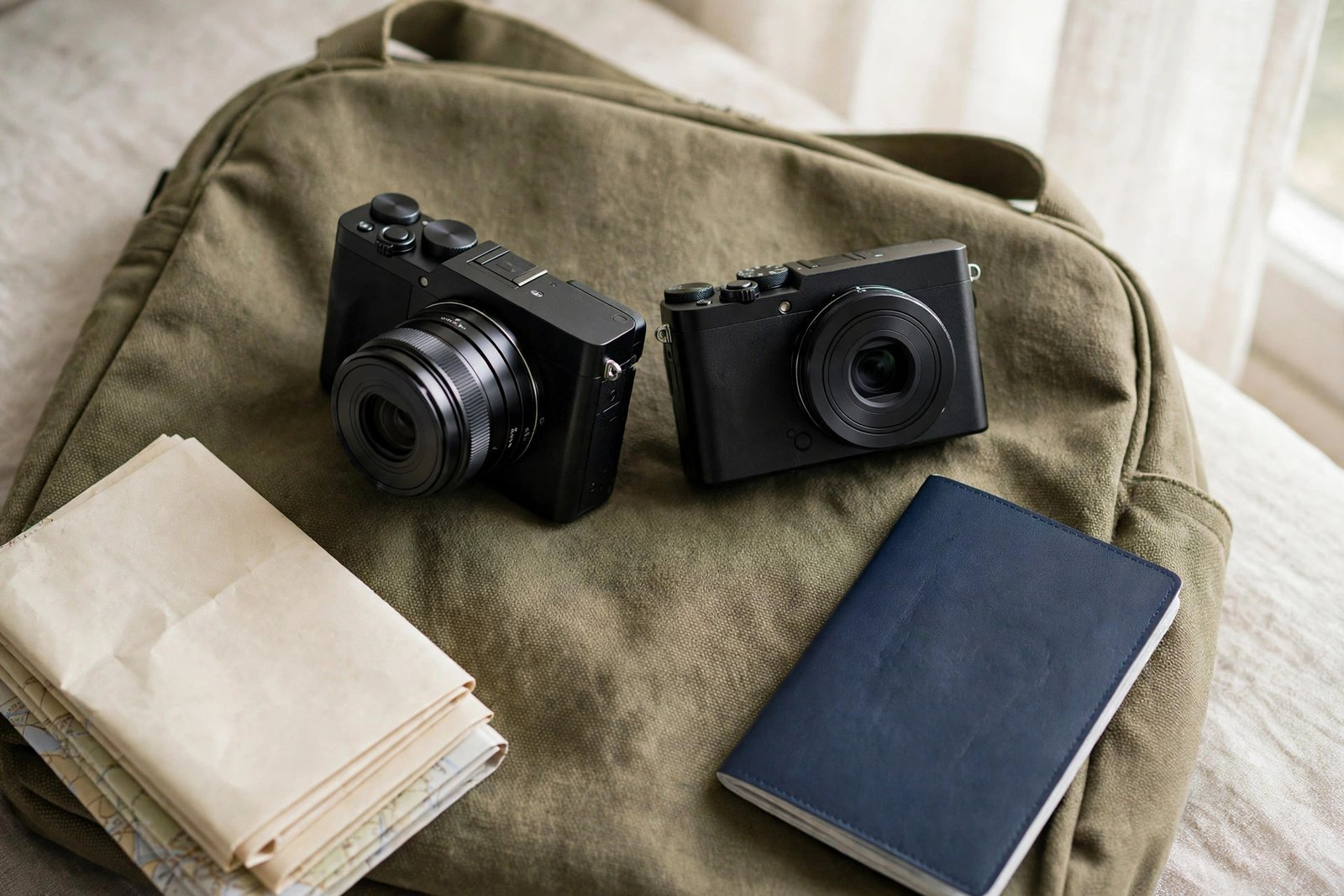
Canon EOS R50 — the best travel camera for beginners
Best for: first-time camera buyers and travellers who want simple, dependable results.
The Canon EOS R50 is the easiest recommendation for someone moving up from a phone. It is small, light and straightforward, with a guided interface that explains settings in plain language rather than jargon. The autofocus locks onto eyes quickly and stays with them, which makes portraits and family photographs far easier than they are on a phone. Colours straight out of the camera are warm and pleasing, so photographs need little editing before sharing.
With the compact kit zoom, the R50 slips into a small bag and weighs little enough to forget about between shots. Its main limitation is a smaller lens range than some rivals, and it lacks in-body stabilisation, so steady hands or a faster shutter speed help in low light.
Fujifilm X100VI — the best fixed-lens travel camera
Best for: street photographers and minimalists who want one camera, one lens and nothing else.
The Fujifilm X100VI is the camera for travellers who want to stop thinking about gear altogether. It has a fixed lens with a field of view similar to a phone’s main camera, a large APS-C sensor and a compact, beautifully made body that slips into a jacket pocket. There is nothing to choose and nothing to carry beyond the camera itself, which is exactly the point. Its film simulation modes produce attractive colours straight out of the camera, and its quiet operation suits streets, cafes and markets.
The trade-off is obvious: you cannot zoom, and you cannot change lenses. If your trip involves wildlife or distant architecture, a fixed lens will frustrate you. But for city breaks, food, people and everyday travel moments, the X100VI is a joy to use, and its images have a character that is hard to match. Demand for it has been high, so check current availability and price before planning around it.
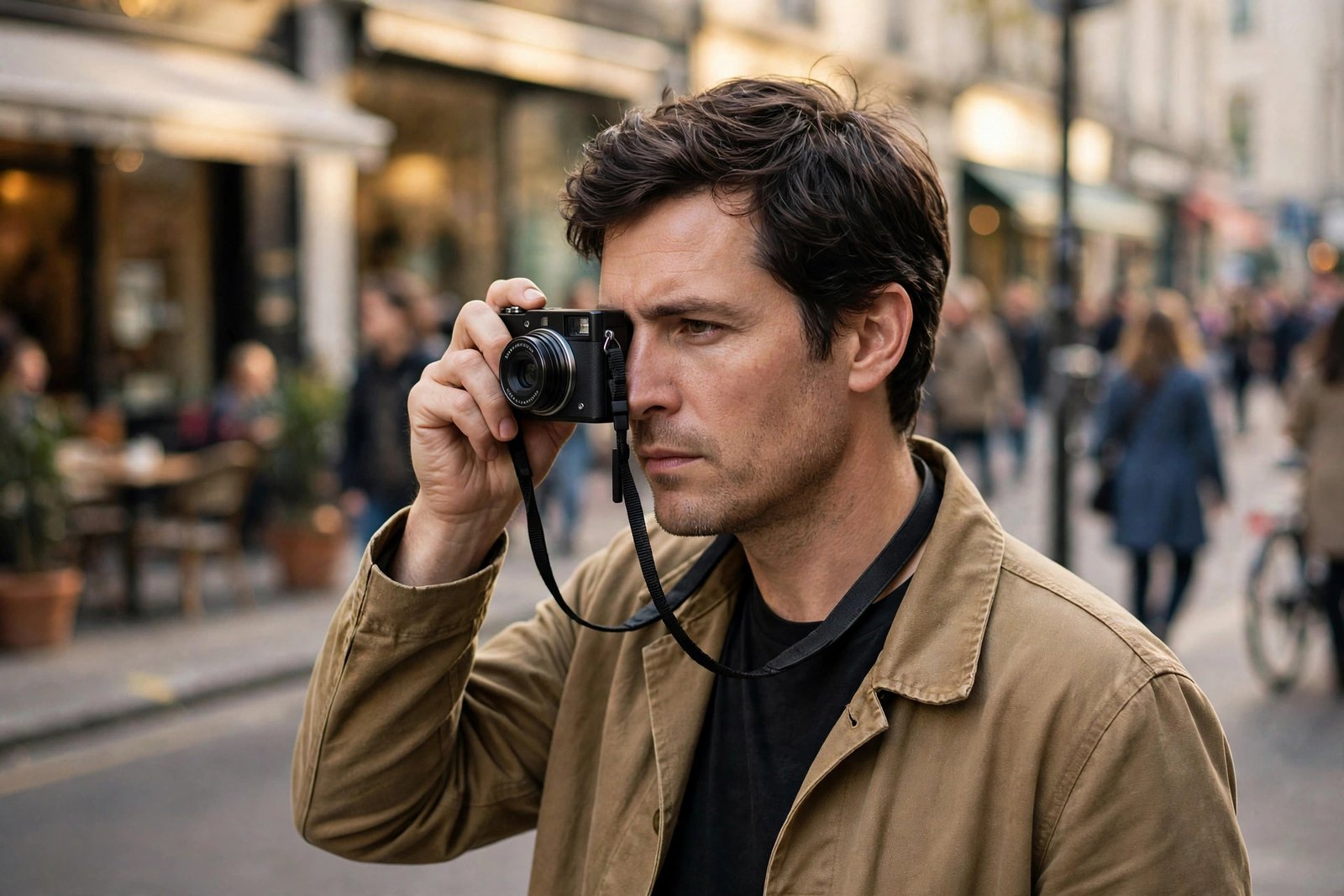
OM System OM-5 — the best travel camera for hiking and bad weather
Best for: hikers and outdoor travellers who need weather sealing and a light kit.
The OM System OM-5 is built for trips where the weather cannot be trusted. Its weather-sealed body handles rain and dust with confidence, and its Micro Four Thirds system keeps lenses small and light, so a two-lens kit still fits in a modest bag. In-body stabilisation is excellent, letting you shoot handheld in low light and record steady video on the move. The camera is also tough and compact, which suits mountain paths, boats and crowded transport.
The smaller sensor means it does not match larger-sensor cameras in very low light, and background blur is less pronounced. For most daylight travel photography, though, the difference is modest, and the weight saving is real.
Sony RX100 VII — the best pocket camera for travel
Best for: travellers who want a genuine camera that fits in a trouser pocket.
The Sony RX100 VII is the smallest serious travel camera you can buy. It packs a 1-inch sensor and a versatile zoom into a body barely larger than a phone, with fast autofocus and strong video features. It is the camera for travellers who refuse to carry a bag: it goes in a pocket, comes out for the shot and disappears again. For daylight scenes, city views and family moments, its photographs are a clear step up from a phone.
Its small size brings compromises. The battery is small, the controls are fiddly for large hands, and low-light performance cannot match a larger sensor. But as a pocket camera that is always with you, it earns its place. For video-first trips, our guide to the best cameras for YouTube beginners covers models that put video first.
Best cameras for travel photography: comparison table
| Camera | Best for | Sensor | Key strength | Main trade-off |
|---|---|---|---|---|
| Sony A6700 | All-round travel | APS-C | Fast autofocus, stabilisation | Needs a spare battery |
| Canon EOS R50 | Beginners | APS-C | Simple, light, great colours | No in-body stabilisation |
| Fujifilm X100VI | Street, minimalists | APS-C | Fixed lens, pocketable, film looks | No zoom or lens changes |
| OM System OM-5 | Hiking, bad weather | Micro Four Thirds | Weather sealing, tiny lenses | Smaller sensor in low light |
| Sony RX100 VII | Pocket carry | 1-inch | Tiny body, versatile zoom | Small battery, fiddly controls |
Table: the leading travel cameras compared on sensor, strengths and trade-offs.
Use this table to narrow your choice to two cameras, then decide on handling. If possible, hold each one before you buy: a camera that feels awkward in your hands will stay in the bag, however good its specifications look on paper.
A practical checklist before you buy a travel camera
- Carry it for a day in your mind: imagine the camera on your shoulder or in your pocket from breakfast to dinner, not just for an hour at a viewpoint.
- Choose one versatile lens first: a standard zoom covers most travel scenes; add a specialist lens only after a trip shows you need one.
- Pack two batteries and two memory cards: batteries drain faster in the cold, and a spare card is cheap insurance against a lost or full card.
- Check USB-C charging: topping up from a power bank between stops is far easier than hunting for a wall socket.
- Test the phone app before you travel: make sure transferring photographs to your phone works smoothly at home, not on the first evening of your trip.
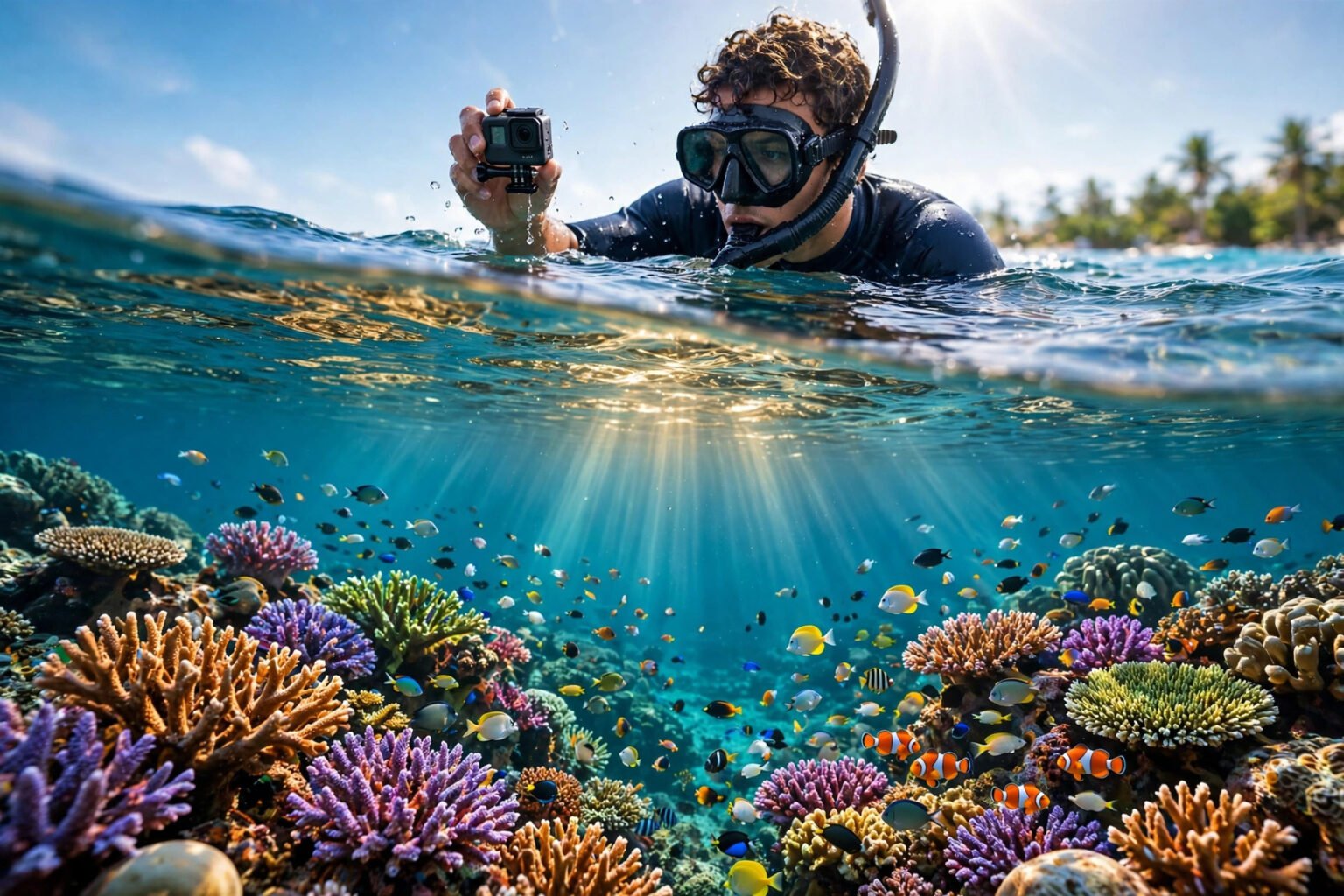
If you are torn between a mirrorless camera and a compact, ask yourself how often you will change lenses. If the answer is rarely, a compact will make you happier. If you enjoy the flexibility, a small mirrorless camera is worth the extra bulk. For water-based trips, our guide to the best action cameras for snorkelling covers cameras built for the sea.
Frequently asked questions
What is the best camera for travel photography in 2027?
For most travellers, a compact APS-C mirrorless camera such as the Sony A6700 or Canon EOS R50 is the best choice. It offers a clear step up from a phone in image quality and low-light performance, while staying light enough to carry all day with one versatile zoom lens.
Is a mirrorless camera better than a phone for travel?
Yes, for most travel photography. A dedicated camera offers a larger sensor, optical zoom, better low-light performance and more control over depth of field. A phone is more convenient and better for quick sharing, so many travellers carry both.
Do I need a full-frame camera for travel?
No. Full-frame cameras produce excellent images, but they are larger, heavier and more expensive, and their lenses add further bulk. APS-C and Micro Four Thirds cameras deliver very good travel photographs in a far more portable package, which is why they dominate this guide.
How many lenses should I take travelling?
One versatile zoom is enough for most trips. A standard zoom covering wide to short telephoto handles streets, landscapes, portraits and food. Take a second lens only if you know you need it, such as a wide lens for architecture or a telephoto for wildlife.
The bottom line
The best camera for travel photography in 2027 is the one that earns its place in your bag every single day of the trip. For most travellers that is a compact mirrorless camera with one versatile zoom, with the Sony A6700 as the strongest all-rounder and the Canon EOS R50 as the friendliest starting point. Readers on a tighter budget should also see our guide to the best mirrorless cameras under $1000. If you would rather travel light, a fixed-lens compact such as the Fujifilm X100VI will reward you with photographs a phone cannot match. Choose the camera you will carry, pack a spare battery, and spend the rest of your budget on the trip itself.