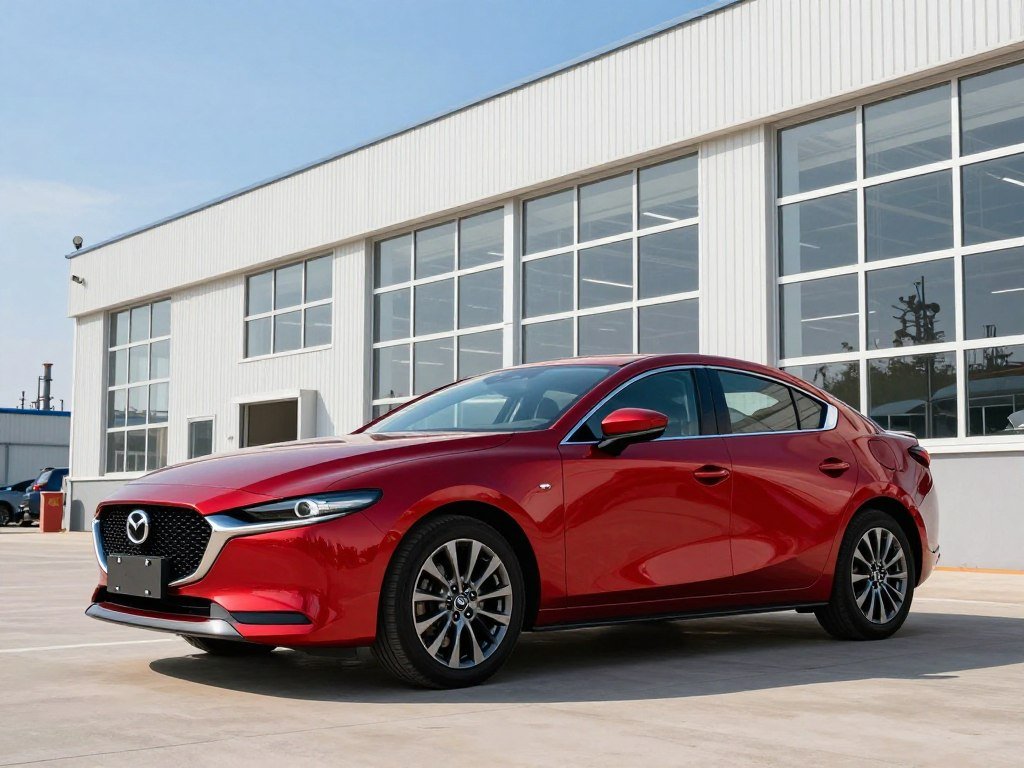
Mazda Motor Corporation is an independent, publicly traded Japanese automaker, not a brand owned by Toyota. If you are comparing automakers or considering a vehicle, the ownership question can help you understand who makes decisions. Mazda’s shares trade publicly, so many investors can own part of the company. A minority stake is a shareholding that gives an investor partial ownership but does not by itself make that investor the company’s parent or give it control. Ownership and business partnerships are different: companies may work together without one governing the other. This distinction matters because a familiar partner’s name on a project does not tell you who controls the brand. The sections below explain the company’s ownership, its business ties, and what those facts mean for you as a buyer. A partner can share projects with Mazda without controlling the company.
Key Takeaways
- Mazda is an independent, publicly traded automaker.
- Toyota owns a minority stake, not Mazda itself.
- Ford’s former ownership relationship ended in 2015.
- Mazda builds vehicles in several countries, including the United States.
- A vehicle’s VIN can help you check its identity and recall status.
Who Owns Mazda Company Today?
Mazda is owned by its shareholders, rather than by a single parent automaker. Its shares are spread among many investors, and Toyota Motor Corporation is one of them.
A listed shareholder is an investor or account named on the company’s share register. A trust account may hold shares for many clients, so its listed shareholding does not make that bank a parent automaker.

Mazda’s publicly traded share structure
As of March 31, 2026, Mazda had 184,594 shareholders and 631,803,979 issued shares. Those figures show a broad ownership base, not one owner with all voting power. Share count and share price also measure different things. A company’s market value uses its share price and shares outstanding, while an investor’s stake reflects the shares that investor holds.
For a plain-language look at how those market measures differ, see this guide to share price and market value. The example there concerns Apple, not Mazda, but the terms apply to public companies generally.
The largest listed shareholders
The largest listed positions include two Japanese bank trust accounts and Toyota. The Master Trust Bank of Japan’s trust account held 111,430,000 shares, or 17.7%, on March 31, 2026. Custody Bank of Japan’s trust account held 36,171,000 shares, or 5.7%, on that date.
| Shareholder | Shares held | Share of Mazda | As of |
|---|---|---|---|
| The Master Trust Bank of Japan’s trust account | 111,430,000 | 17.7% | March 31, 2026 |
| Custody Bank of Japan’s trust account | 36,171,000 | 5.7% | March 31, 2026 |
| Toyota Motor Corporation | 31,928,000 | 5.1% | March 31, 2026 |
A listed shareholding shows ownership of shares; it does not, by itself, establish control of the company.
Toyota’s holding is a minority position, while the trust accounts represent financial shareholdings. To compare public companies, investors also look at holdings, share counts, and market measures, as in these public-company investing examples. The shareholder list shows who owns shares, while the size and nature of a stake determine what that ownership means.
Is Mazda Owned by Toyota?
No, Toyota is not Mazda’s parent company; the two automakers have a strategic alliance. Toyota Motor Corporation has a minority stake in Mazda, but it does not control Mazda’s decisions.
The companies remain separate automakers, each with its own management and corporate decisions. Their partnerships let them work together on business projects without changing which company governs the other.
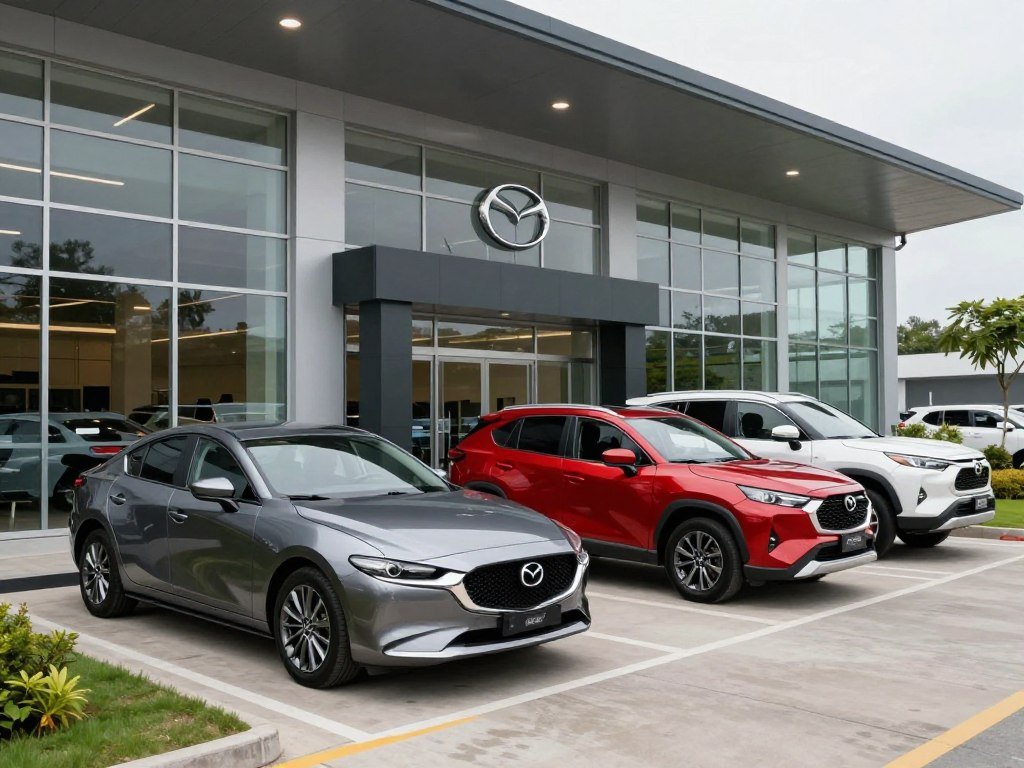
A shareholding gives Toyota partial ownership of Mazda. It does not turn Mazda into a subsidiary or make Toyota its parent. Control depends on more than the fact that one company owns shares in another.
That distinction helps explain why the companies can cooperate while keeping separate brands, products, and business plans. Partnerships between automakers can cover specific work, rather than every part of each company’s operations.
In the United States, Mazda Toyota Manufacturing makes vehicles at a shared facility. The joint name reflects a manufacturing relationship, not a change to Mazda’s corporate ownership. A factory partnership and a parent-subsidiary relationship describe different business ties.
When you see both names connected to a project, look at the specific role each company has. The partnership may shape how a product is made or developed, but it does not prove that one automaker directs the other.
The distinction matters in the market, where familiar brands may share work while competing for buyers. A shared project or partnership is not proof that one automaker owns the other.
How Did Ford’s Ownership of Mazda End?
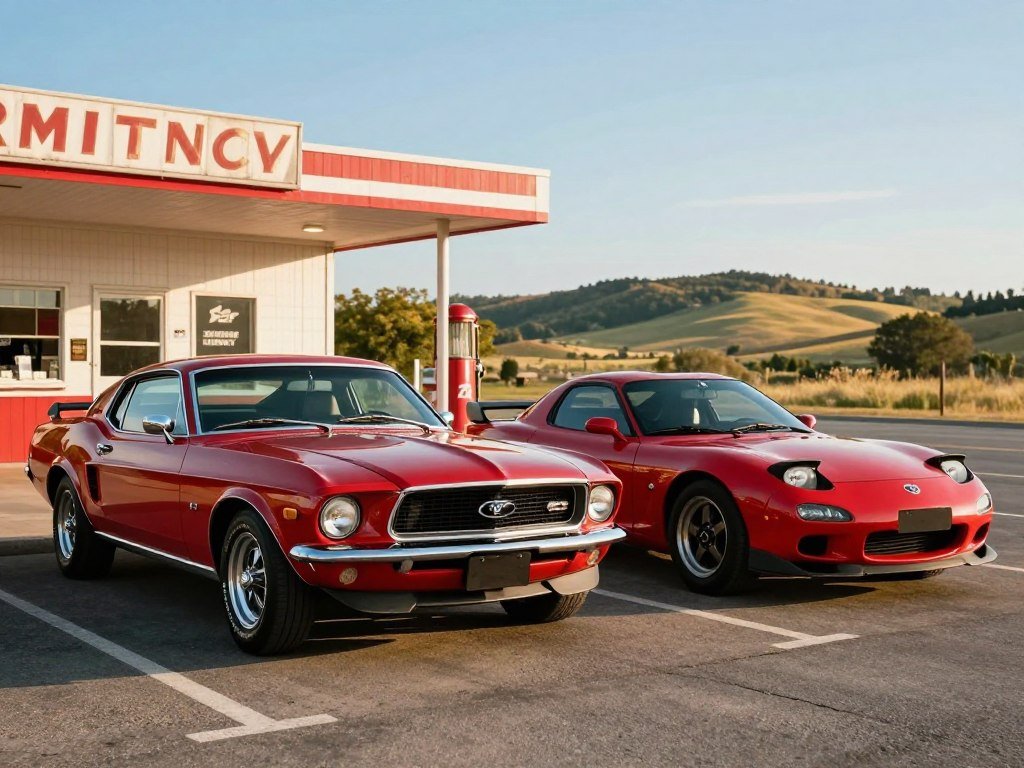
Ford once held effective control of Mazda, but it no longer owns Mazda shares. Ford Motor Company built a large stake over time, then sold it down in stages. Ford’s control ended before its final shares were sold, so the change was not one instant break.
Ford’s stake reached 33.4% by May 1995, giving it effective control. The relationship lasted through years of shared business work, but Ford later reduced its ownership.
Ford’s rise to control
The companies’ connection grew beyond a simple investment. Ford’s large stake gave it effective control of Mazda, while the two automakers worked together during the period. That history helps explain why older accounts may describe Mazda as closely tied to Ford.
Effective control does not require owning every share. A large enough stake can give a shareholder influence over key decisions, depending on the company’s share structure and governance. Ford’s position reached that level by 1995.
The sell-down and end of ownership
Ford reduced its stake over several years. By November 2008, it held 13.4% and had relinquished control. Ford then sold the rest of its Mazda shares, ending its direct ownership connection.
| Date | Ford’s position | What changed |
|---|---|---|
| May 1995 | 33.4% stake | Ford had effective control |
| November 2008 | 13.4% stake | Ford relinquished control |
| September 30, 2015 | No Mazda shares | Ford had sold its remaining shares |
The sell-down was gradual, not a single change that erased the partnership’s history. For years, Ford and Mazda had shared business ties, and those ties remain part of the company’s past even after ownership ended.
The dates mark two separate changes: Ford first lost control, then later ended its shareholding. Ford’s ownership relationship with Mazda ended when it sold its remaining shares in 2015.
Where Did Mazda Begin, and What Does Its Name Mean?
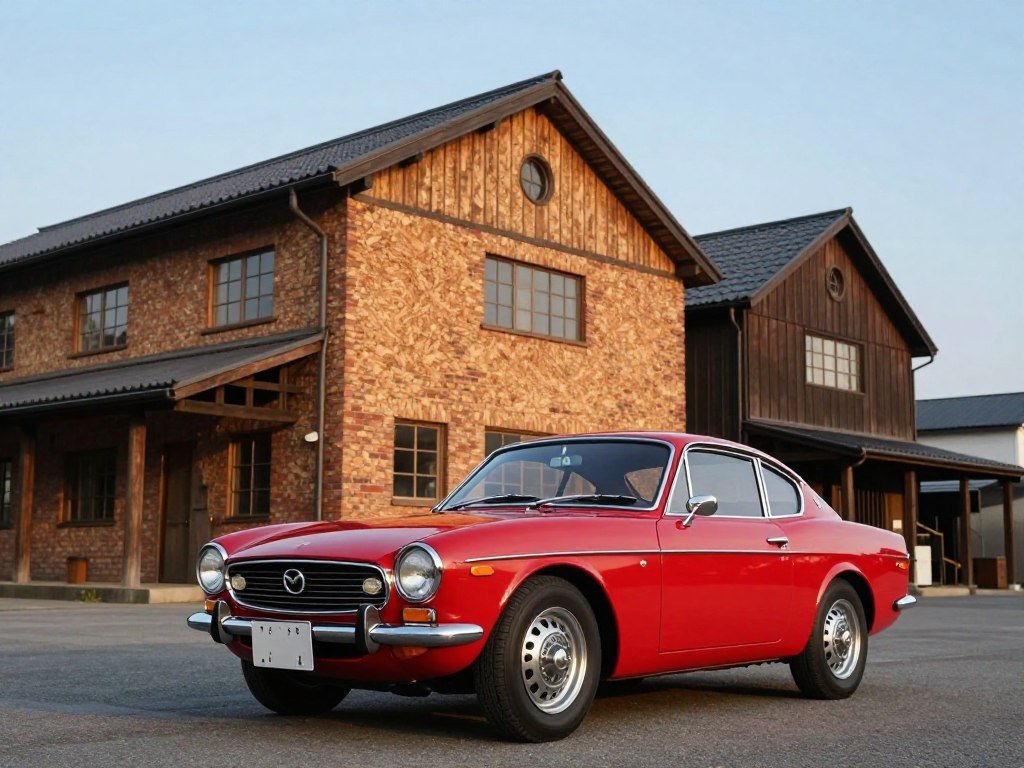
Mazda began in Hiroshima, Japan, in 1920 as a cork-making company called Toyo Cork Kogyo Co., Ltd. It was founded on January 30, before the business moved into vehicles. The Mazda name became the company’s official name only in 1984.
The company’s early work involved cork products, not cars or engines. Its name changed as its business grew, while vehicles began carrying the Mazda name decades before the company formally adopted it.
From Toyo Cork Kogyo to Mazda
The company changed its name to Toyo Kogyo Co., Ltd. in 1927. The shorter name reflected a business that had moved beyond cork. Mazda later introduced the Mazda-Go auto rickshaw in 1931, bringing the name onto a vehicle.
The first vehicle name did not mean the company had already changed its legal name. Toyo Kogyo remained the company’s name until 1984, when it became Mazda Motor Corporation. People may still encounter Toyo Kogyo Co. or Toyo Kogyo in accounts of its early years.
The earlier name also appears in forms such as Toyo Cork, Toyo Cork Kogyo, and cork kogyo co. These labels point to the company’s roots, rather than to separate automakers. The name Toyo Kogyo followed that first stage.
The Persian and Japanese name connections
Mazda has two name connections: Ahura Mazda, a Persian deity associated with wisdom, and founder Jujiro Matsuda. Matsuda’s surname is pronounced “Mazda” in Japanese, linking the brand name to the founder.
In Avestan, the word Ahura means “lord,” and Mazda means “wisdom.” Mazda is not simply a Japanese word that translates as “wisdom.” The name draws on both the deity and the founder’s surname.
That combination gave the company a name with cultural and personal meaning. The Mazda name appeared on the Mazda-Go before it became the company’s formal name, so the brand and corporate name changed on different timelines.
The company adopted Mazda as its official name in 1984, after vehicles had already carried the name for decades.
What Is Mazda Known For?
Mazda is especially associated with rotary-engine engineering and driver-focused sports cars. The rotary engine gave the automaker a distinctive engineering path beside brands focused on conventional piston engines.
Mazda launched the Cosmo Sport with a rotary engine in 1967. The rotary engine later became closely tied to Mazda’s sports-focused models, though it does not describe every Mazda engine.
Several well-known vehicles and technology names show different parts of Mazda’s design and engineering work:
- Cosmo Sport: an early production car with a rotary engine.
- RX-7: a sports car that kept rotary power in the spotlight.
- MX-5 Miata: a lightweight roadster introduced in 1989.
- Skyactiv: a name for a group of Mazda technologies.
Mazda introduced the RX-7 in 1978, building a sports-car identity around rotary power. The MX-5 Miata arrived in 1989 with a different appeal: a small, light roadster made for open-air driving.
Skyactiv is not one engine or one model. It names a group of technologies used across parts of Mazda’s vehicles. The name sits alongside Mazda’s work on engine design, vehicle weight, and other engineering choices.
Mazda develops engines and builds vehicles, while the exact production arrangement can depend on the engine, vehicle model, and market. That means the company’s role in engine development does not require every engine to come from one factory.
The rotary engine is a distinctive part of Mazda’s history, not a description of every current Mazda engine.
Which Mazda Models Are Made in the United States?
The Mazda CX-50 and CX-50 Hybrid are assembled at Mazda Toyota Manufacturing in Huntsville, Alabama. Those are the U.S.-assembled Mazda models identified here, with production at a joint Mazda and Toyota facility.
The Huntsville plant began production in January 2022 and can build up to 300,000 vehicles each year. Toyota’s role in the facility is manufacturing cooperation, not ownership of Mazda.
As of 2025, the Mazda CX-50 and CX-50 Hybrid were assembled there. A vehicle’s assembly location can depend on its model and market, so a nameplate alone may not settle where one specific car was built.
For a particular vehicle, check these details:
- Model: confirm the exact Mazda model.
- Model year: identify the year shown on its records.
- VIN: compare the vehicle identification number on the car and documents.
- Assembly information: check the vehicle’s listed build details.
The VIN helps distinguish one vehicle from another, even when two cars share a model name. If you are comparing vehicles from different years, use each car’s own assembly information rather than assuming all versions came from the same plant.
The joint plant’s name reflects both companies’ work at the site. It does not change the ownership relationship between the two automakers, and it does not mean every Mazda is assembled in Alabama.
Check the assembly details for the specific vehicle, since production location can vary by model and market.
Which Mazda Sells the Most in the United States?
The Mazda CX-5 was the brand’s best-selling U.S. model in 2025. Mazda North American Operations reported 136,335 CX-5 sales that year, making it the top-selling Mazda model in the United States.
Mazda sold 110,345 CX-50 vehicles in the United States in 2025, up 35.5% from 2024. The CX-50’s growth did not move it past the CX-5 in that year’s sales ranking.
Mazda North American Operations reported 410,346 U.S. vehicle sales in 2025, down 3.3% from 2024. The total includes the brand’s range of vehicles, while the model figures show how two popular crossovers compared.
For the question “What is the most sold Mazda car in the USA?” the answer is the CX-5, with 136,335 sold in 2025. The CX-50 had strong year-over-year growth, but its sales count remained below the CX-5’s.
These numbers describe one market and one calendar year. They do not predict which Mazda will lead later or show which model fits a particular driver’s needs.
Model rankings can reflect changes in the market, availability, and buyer choices. A high sales count tells you which vehicle sold most, not whether it is the right size or style for your daily driving.
Sales rankings describe a specific year, so treat them as a snapshot rather than a permanent order.
How Reliable Are Mazda Cars, and What Problems Should Owners Check?
Mazda’s reliability picture is mixed by model, with the CX-70 and CX-90 affecting its recent brand ranking. Reliability can differ by model and model year, so a brand score cannot predict how one used car will perform.
Consumer Reports’ latest survey used data on about 380,000 vehicles. Its brand scores covered model years 2023 to 2025, plus some early 2026 data where sample sizes allowed.
What reliability data can and cannot tell you
The CX-70 and CX-90 continued to have many of the same problems seen the previous year, significantly hurting Mazda’s brand reliability ranking. The survey points to recent model concerns, not faults shared by every Mazda vehicle.
A score describes a group of vehicles, not the history of a car you might buy. A well-kept car can differ from one with missed service or repairs, even when both share the same model year.
For a used CX-5, check these points before making a decision:
- Confirm the VIN shown on the vehicle and its paperwork.
- Check recall status for that VIN.
- Ask whether any required recall remedy was completed.
- Review service records for dates and repair details.
A specific CX-5 fuel-pump recall
Safety recall 5321K covers certain 2018-2019 Mazda CX-5 vehicles. The low-pressure fuel-pump impeller could deform, causing a no-start condition or an engine stall.
The remedy is fuel-pump replacement on affected VINs. Consumer Reports’ reliability survey offers useful brand-level context, but it cannot replace a vehicle-specific inspection.
The recall does not apply to every CX-5 from those model years. A vehicle’s VIN determines whether it falls within the recall, and the repair record shows whether the remedy has been completed.
Confirm recall completion by VIN before buying an affected-year CX-5.
What Should Mazda Owners Know About MyMazda and Connected Services?
MyMazda gives eligible Mazda owners an app-based way to access vehicle information and connected features. Connected features depend on model, equipment, and eligibility, so not every vehicle receives every service.
Mazda Connected Services is available on select 2019 and newer models. Eligible new-vehicle purchases or leases include a complimentary trial, while paid plans and included features differ.
The Preferred Plan costs $10 per month after the trial. The 2026 CX-5 has two other plan details, including a Premium Plan and Basic Plan Connectivity.
| Plan | Availability or cost | Included features |
|---|---|---|
| Preferred Plan | $10 per month after the trial | Remote start and stop, remote lock and unlock, vehicle finder, vehicle status monitoring, vehicle health reports, send-to-car navigation, guest-driver alerts |
| 2026 CX-5 Premium Plan | $15 per month | Preferred Plan features and Google Built-In services where equipped |
| 2026 CX-5 Basic Plan Connectivity | Complimentary for up to 9 additional years after the trial | Vehicle health and status information |
The Preferred Plan offers remote controls that can help with everyday tasks, such as locking a car from a distance. A vehicle finder can help you locate a parked vehicle, while guest-driver alerts can notify you about its use.
The 2026 CX-5 Premium Plan costs $15 per month and adds Google Built-In services where equipped. Its Basic Plan Connectivity includes health and status information for up to 9 additional years after the trial.
Features may depend on the car’s equipment and connected-service eligibility. Check the exact model and equipment before counting on a connected feature.
What Are Mazda Financial Services, Mazda Owners Club, and VIN Tools?
Mazda Financial Services concerns vehicle financing, while an owners club is a community and a VIN identifies a vehicle. These are separate ownership tools, not parts of Mazda’s corporate share structure.
Mazda Financial Services is a named route for Mazda vehicle financing and leasing. Financing terms depend on the offer, lender, applicant, and vehicle, so one buyer’s terms may differ from another’s.
A Mazda Owners Club is an owner or enthusiast community, not a corporate parent or shareholder. Members may share advice and experiences, but the club does not own Mazda Motor Corporation.
A VIN, or vehicle identification number, has 17 characters. The National Highway Traffic Safety Administration offers a VIN decoder that can identify vehicle details from that number.
A used-car buyer can use this checklist:
- Find the 17-character VIN on the vehicle.
- Use the NHTSA decoder to identify vehicle details.
- Compare the VIN with the vehicle’s documents.
- Check whether a window sticker is available for that model year.
A window sticker may not be available for every used vehicle or model year. The VIN decoder can still help you check vehicle details, but a matching number on the car and paperwork matters.
Owners clubs can be useful places to discuss upkeep, but member advice is not a substitute for vehicle records. Match the VIN on the vehicle to its paperwork before relying on a listing or vehicle-history record.
How Large Is Mazda as a Global Automaker?
Mazda is a global automaker, reporting more than one million vehicles produced and sold worldwide in FY March 2026. It reported global production of 1,164,718 units and global sales of 1,222,531 units for that fiscal year.
Production counts vehicles made; sales counts vehicles sold. The two figures cover different activity, so they do not need to match in the same fiscal year.
Mazda operates in more than 130 countries and regions. As of February 1, 2026, the company listed eight production sites.
Its reach includes manufacturing and sales across many markets, including the United States. That scale gives Mazda a presence beyond its home base in Japan, while each market may have different vehicles and production arrangements.
A wide footprint can help an automaker serve buyers in different regions. It does not explain who owns the company, since operating in many markets and having shareholders are separate facts.
Global reach measures the company’s scale, not whether another automaker owns it.
The global totals describe Mazda’s business in FY March 2026, while the site count reflects the stated date. Global reach is a measure of the company’s scale, not evidence that another automaker owns it.
Conclusion
Mazda remains an independent automaker, even as it works with other companies. Public shareholders own the company, and a minority investment or business alliance does not give another automaker control.
For you as a buyer, that distinction separates corporate ownership from the work companies share. Mazda’s brand and vehicles remain part of an independent company, even when a partner helps with a project.
Before buying a used Mazda, use its VIN to check the vehicle’s identity and open recalls.
FAQ
What is Mazda known for?
Mazda is known for rotary-engine engineering and sports cars such as the RX-7, along with the MX-5 Miata roadster. The RX-7 helped link the brand with rotary-powered sports cars, while the Miata is known for its lightweight roadster design. These examples do not mean every Mazda uses a rotary engine. Mazda develops several types of engines for its range of vehicles.
How does Mazda compare to Honda?
Mazda often appeals to drivers who value responsive handling and driver-focused design, while Honda offers a broader vehicle lineup. Neither brand is the best fit for every buyer. Compare specific models by size, features, price, and how you plan to use the vehicle. A Mazda crossover and a Honda sedan, for example, serve different needs even when their brands compete.
What does the Japanese word "Mazda" mean?
Mazda is not a direct Japanese translation of “wisdom.” The name draws on founder Jujiro Matsuda’s surname, pronounced “Mazda” in Japanese, and Ahura Mazda, a Persian deity associated with wisdom. In Avestan, Ahura means “lord,” and Mazda means “wisdom.” The brand name combines those connections rather than translating a single Japanese word.
Why isn’t Mazda so popular?
Mazda operates in more than 130 countries and regions, so it is a global brand, even if its market share is smaller than some larger automakers. Brand size does not decide whether a car suits you. Compare the specific model’s space, features, and driving feel with your needs. A smaller brand can still make a vehicle that fits a buyer well.
Which Mazda to stay away from?
Do not rule out an entire Mazda model without checking its year and condition. Reliability can differ between model years, and one recall does not apply to every vehicle. Review the car’s maintenance history, check recalls by VIN, and get an inspection before buying. Those steps can reveal concerns that a model name or brand-level score cannot show.
Who builds Mazda engines?
Mazda develops its engines, but the exact manufacturing arrangement can depend on the engine, vehicle model, and market. Engine design and engine production are related but separate tasks. A vehicle may also be assembled at a different site from where its engine was made. Check the specific model’s details when the engine’s production location matters to your decision.