
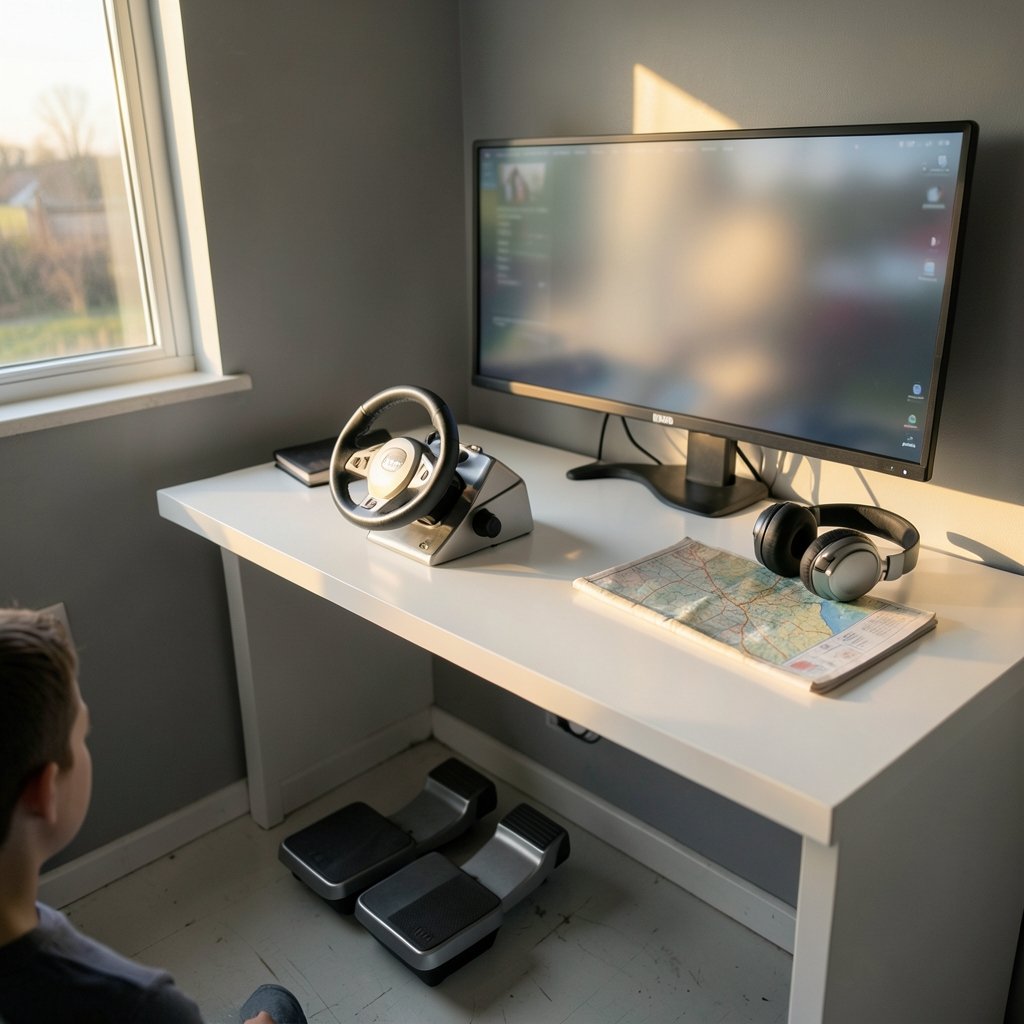
What if the most relaxing game on your computer involved a 900-mile haul, a strict speed limit, and a weigh station? That’s the strange appeal of American Truck Simulator, a game that turns the unglamorous work of freight driving into something players sink hundreds of hours into. It sounds boring on paper. In practice, it’s one of the most quietly satisfying simulation games ever made, and it keeps pulling people back for “just one more delivery.”
This guide breaks down what the game actually is, how it plays, why its map keeps growing, and what beginners get wrong in their first ten hours. Whether you’re curious before buying or already own it and feel stuck, there’s something here for you.
What Is American Truck Simulator?
American Truck Simulator (often shortened to ATS) is a truck-driving simulation game developed by SCS Software, a Czech studio that has spent years building detailed road networks and vehicle models. The game launched on PC in 2016, starting players in California with a small fleet of accessible states. A macOS version followed, and the game has been continuously expanded ever since through paid map expansions and free updates.
The core loop is simple. You accept a cargo job, drive a semi-truck from one city to another, obey traffic laws, manage fuel and rest breaks, and get paid. Money buys better trucks, upgrades, and eventually your own garages and hired drivers. There’s no combat, no timer pressure in the traditional sense, and no villain. The challenge is the road itself.
What separates ATS from arcade racers is fidelity. Trucks handle with weight. A loaded trailer brakes slowly. Sharp turns at speed will tip you. The game rewards patience and punishes carelessness, which is exactly why some players find it meditative and others find it tedious.
How the Driving Actually Works
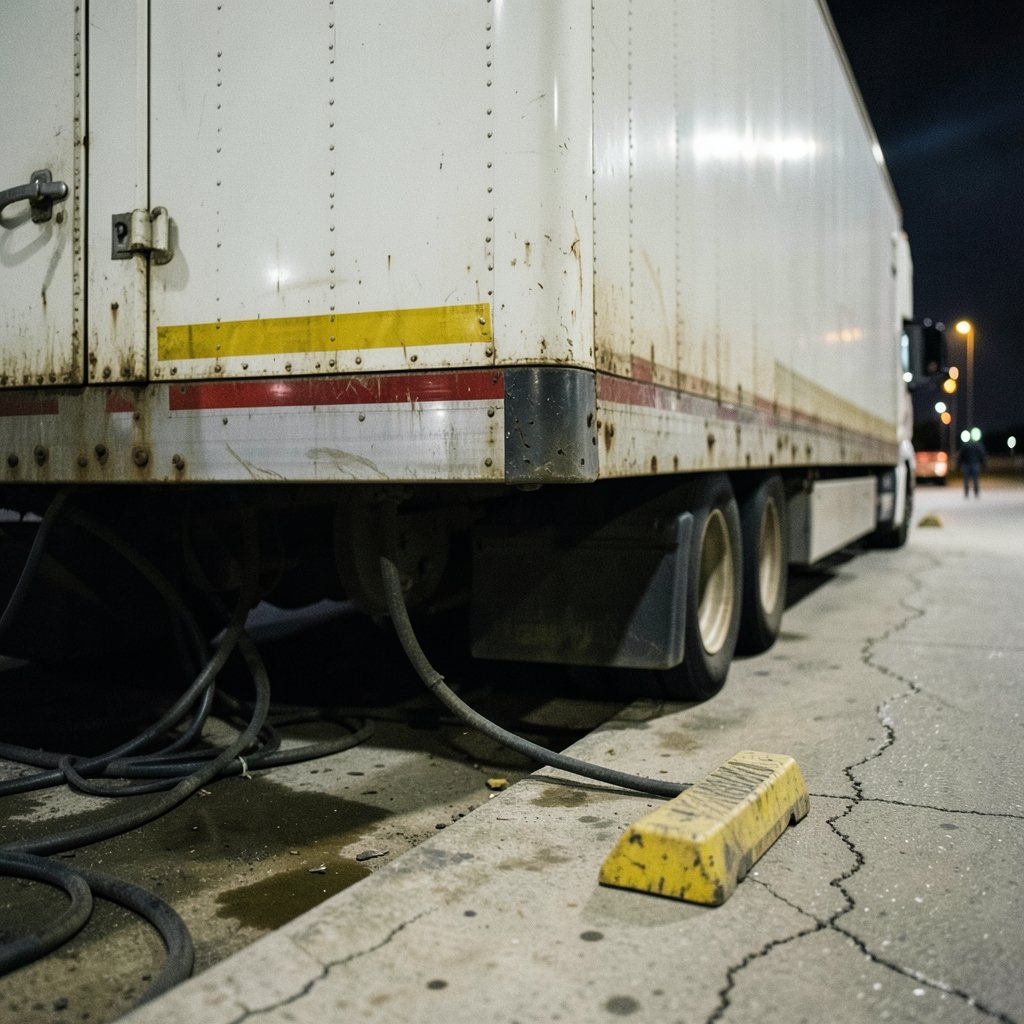
New players often assume the game is just holding the accelerator. It isn’t. Here’s what a typical delivery involves:
- Pick a job from the freight market, choosing cargo type, distance, and payout.
- Inspect your truck and attach the trailer, which requires careful reversing at some depots.
- Plan your route and watch for weigh stations, tolls, and speed limit changes.
- Manage fatigue by pulling over to rest when the game’s rest timer fills up.
- Refuel before long stretches, since running dry strands you.
- Deliver on time and park the trailer precisely to collect full payment.
That last step trips up a lot of people. Parking a 53-foot trailer into a tight dock is genuinely hard, and the game offers a simplified parking option for players who’d rather skip it. There’s no shame in using it early on.
The biggest beginner mistake is overdriving corners. A fully loaded rig does not stop like a car, and the game’s damage model will bill you for every guardrail you clip. The second most common mistake is ignoring the rest mechanic, then getting a fatigue warning mid-haul and losing time hunting for a truck stop.
The Map Keeps Growing, and That Changes Everything
One of ATS’s defining features is its expanding map. The base game covers a slice of the American West, and SCS Software has steadily added states through downloadable content, moving eastward across the country over the years. Each state brings new cities, industries, road types, and scenery.
This matters for two reasons. First, it means the game you buy today is dramatically larger than the one that shipped in 2016. Second, it means the DLC model is central to the experience. Players who want the full cross-country drive need to buy expansions, and the complete set is a real financial commitment. Sellers bundle them regularly, so waiting for a sale is smart.
The map’s growth has also made long-haul jobs more interesting. Crossing multiple states means changing speed limits, terrain, and weather. A desert haul through the Southwest feels completely different from a forested run through the Pacific Northwest.
Interestingly, the same pattern shows up in the real trucking world, where fleet economics and regional deals shape which vehicles end up on which routes. Buyers researching actual trucks often look at truck lease deals to understand how operators finance equipment, and the game’s garage-and-upgrade system mirrors that logic in miniature: start small, reinvest, grow the fleet.
Trucks, Brands, and Customization
ATS is known for licensed truck brands, which is a bigger deal than it sounds. Official licensing means the in-game Kenworths, Peterbilts, Volvos, and Freightliners look like the real machines, with accurate interiors and dashboards. For enthusiasts, that authenticity is the whole point.
Customization goes deep. Players can change paint, wheels, lights, exhaust stacks, and interior trim. Some treat the game as a virtual truck show, spending more time in the garage than on the highway.
If you’re the type who likes knowing the corporate backstory behind the badge, it’s worth reading up on who owns Ram trucks to see how brand ownership works in the real industry. The same curiosity drives players to compare Ford truck deals in real life after spending hours behind a virtual wheel. The game doesn’t include every brand, and licensing deals shift over time, but the roster is deep enough that most players find a favorite.
Multiplayer, Mods, and the Community
ATS has a thriving modding scene. Players create new trucks, trailers, paint schemes, map extensions, and even weather overhauls. Mods are distributed through community hubs and workshop platforms, and installing them is generally straightforward, though mod conflicts are a common headache. The practical tip: add mods one at a time and test after each, rather than dumping twenty into the folder and wondering why the game crashes on load.
Multiplayer exists through both official and community-run options, letting players convoy together. Convoy driving is a different experience entirely. Someone takes the lead, everyone follows, and the voice chat becomes half the fun. It’s also where you’ll learn that following too closely behind another player’s trailer ends exactly how you’d expect.
The community also organizes events and challenges, and SCS Software has historically engaged players through public test builds and feedback rounds. That two-way relationship is part of why the game has such a long tail.
Is It Realistic, and Does That Matter?
ATS sits in an interesting spot. It’s realistic enough that actual truck drivers often comment on how recognizable the routines feel, but it’s still a game. Time is compressed. Deliveries that would take a real day happen in under an hour. Traffic is lighter than reality. The rest mechanic is a simplified version of real hours-of-service rules. (Hours of Service (FMCSA))
That balance is deliberate, and it’s why the game appeals to people who’d never touch a hardcore simulator. You get the texture of the job without the genuine stress. Some players want maximum realism and install mods that tighten physics and add stricter regulations. Others just want to cruise with a podcast on.
The honest answer to “is it realistic?” is: realistic in feel, forgiving in structure. That’s a feature, not a flaw.
Practical Tips That Actually Help
After the basics, a few habits separate smooth players from frustrated ones.
Set your mirrors properly before you drive. A badly adjusted mirror makes lane changes guesswork, and the game does simulate blind spots.
Use cruise control on highways. It reduces accidental speeding tickets and keeps your fuel burn predictable.
Buy your first truck only when you can afford upgrades too. A base model with a weak engine struggles on mountain grades, and you’ll regret it on a long haul.
Learn to reverse early. Practicing in an empty depot saves hours later when tight deliveries appear.
Don’t ignore the map’s job filters. Sorting by distance and payout helps you build cash fast in the early game.
For players who enjoy the business side, the game’s economy has real parallels to how actual fleets operate. If you want to see how the retail side of trucking works in the real world, browsing a used truck dealer gives a sense of the depreciation and condition factors that the game only hints at.
How ATS Compares to Other Driving Sims
| Feature | American Truck Simulator | Typical Arcade Racer |
|---|---|---|
| Focus | Long-haul freight, logistics | Speed and competition |
| Pace | Slow, methodical | Fast, reflex-driven |
| Failure state | Damage bills, late penalties | Crash and restart |
| Progression | Fleet, garages, hired drivers | Cars and tracks earned as you play |
| Session length | Often 1-3 hours per run | Minutes per race |
The comparison makes the appeal clearer. ATS isn’t competing with racing games. It’s competing with podcasts, audiobooks, and the simple pleasure of a task done well.
The Broader Trucking World Behind the Game
Part of ATS’s charm is how it nudges players toward real-world trucking curiosity. Some go down rabbit holes about diesel engines, transmission types, or freight logistics. Others get interested in the technology reshaping the industry, like autonomous hauling. The debate over Aurora driverless trucks and their 1,200-mile claim timelines is a good example of how automation could eventually change the job the game simulates.
There’s also the consumer side. Players who enjoy the vehicles sometimes start following real truck news, from electric models to the strange saga of the Tesla Cybertruck Australia and New Zealand refund story. It’s a reminder that the truck world is bigger and weirder than a highway simulator suggests. (Truck simulator (Wikipedia))
None of this is required to enjoy ATS. But it explains why the game hooks certain people so hard. It’s a gateway into an entire industry’s culture.
Who Should Play It, and Who Shouldn’t
ATS is a great fit if you like relaxation, routine, and incremental progress. It’s a poor fit if you need constant stimulation or competitive stakes.
The game rewards players who enjoy planning. Route selection, fuel stops, rest timing, and cargo choice all matter, and optimizing them is satisfying in the way a well-organized spreadsheet is satisfying. If that sentence made you nod, you’ll love it. If it made you wince, you probably won’t.
It’s also worth noting the time commitment. A single long delivery can take an hour or more. The game autosaves, so you can quit mid-route, but the experience is best in longer sessions with something playing in the background.
Conclusion
American Truck Simulator succeeds because it doesn’t pretend to be something it isn’t. It’s a slow, detailed, occasionally frustrating game about doing a job carefully, and that turns out to be exactly what a lot of people want after a long day. The growing map, licensed trucks, and active modding community give it remarkable staying power, while the low-pressure structure makes it welcoming to newcomers.
Start with the base game, learn to reverse, respect the brakes, and don’t buy a truck you can’t afford to upgrade. Do that, and the long haul becomes the best part of your evening.
Frequently Asked Questions
What platforms is American Truck Simulator available on?
It’s primarily a PC game, available on major digital storefronts, with a macOS version also released. There’s no full console version of the main game, though SCS Software has expanded its reach over time. Check the current store listing before buying, since platform support can change.
Do I need to buy the map expansions to enjoy the game?
No. The base game offers plenty of content for dozens of hours. Expansions mainly add new states, cities, and industries. Most players buy them gradually during sales rather than all at once, which keeps the cost reasonable.
Can I play American Truck Simulator with friends?
Yes. Multiplayer options let players form convoys and drive together. Community-run multiplayer has existed for years, and official support has improved over time. Convoy driving is best with voice chat and a shared route plan.
Is American Truck Simulator suitable for kids?
Generally yes. There’s no violence, and the content is about driving and logistics. The main considerations are the slower pace, which may not hold young attention spans, and the reading required for menus and job listings.
How long does a typical delivery take?
Short jobs run 15 to 30 minutes. Long cross-state hauls can take over an hour. Most players mix lengths depending on how much time they have, and the game autosaves so you can stop mid-route.
Why do people find a truck simulation relaxing?
The appeal is routine and focus. Driving requires just enough attention to quiet a busy mind, and progress is steady and predictable. It’s the same reason some people enjoy long drives, cooking, or model building: a clear task with a visible result.



