
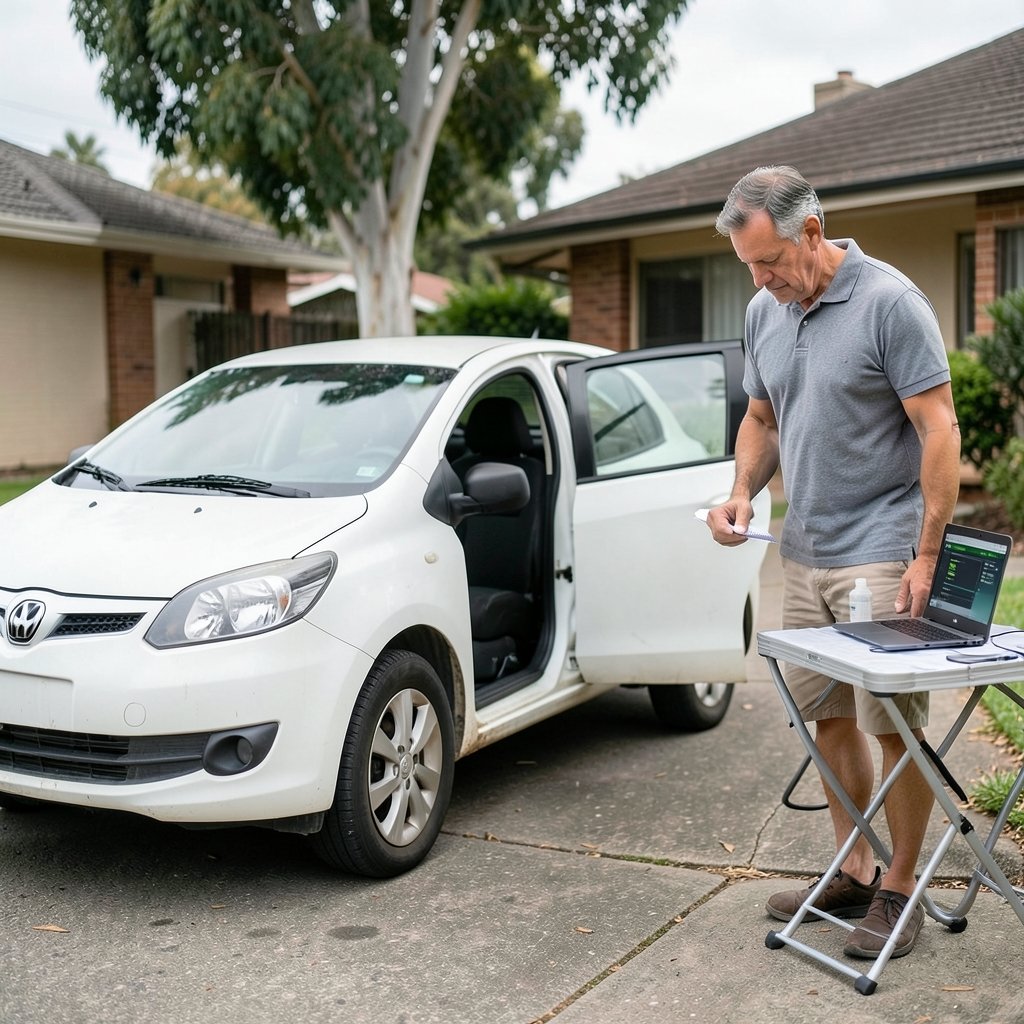
What happens when a country’s used-car market finally starts to fill up with electric vehicles? In 2026, carsales, Australia’s biggest online vehicle marketplace, has been reported to carry around 11,000 second-hand EV listings. For a market that was nearly empty just a few years ago, that is a striking number. But the real story is not the headline figure. It is what sits behind it: how the listings are counted, why so many EVs are suddenly for sale, and what buyers and sellers should actually do about it.
This article unpacks the 11,000-listing claim carefully. It also explains why some numbers are fuzzy, how the used EV market got here, and what practical steps work when you are shopping or selling.
Why the 11,000-listing figure needs context
First, a warning that matters. A listing count is not a sales count. If a dealer relists the same car three times, that can look like three cars. If private sellers pull ads and repost them, the total inflates. And if the number includes plug-in hybrids (PHEVs) alongside battery electric vehicles (BEVs), the pool grows a lot. So the 11,000 figure is best read as an order-of-magnitude signal, not a precise census.
The definition problem is bigger than it sounds. Ask three people what counts as a “second-hand EV” and you may get three answers. One will count only pure battery cars. Another will add plug-in hybrids. A third may include hybrids that never plug in at all. Each choice changes the total substantially. Any serious comparison should state its definition up front.
There is also a timing issue. Used-car listings are seasonal. A snapshot taken in January looks different from one taken in June. If a 2026 figure is quoted, the month matters, and so does whether it counts active ads or cumulative ads over a period.
How Australia’s used EV market reached this point
The story starts with new-car policy. Australia’s federal Fringe Benefits Tax (FBT) exemption for eligible electric cars took effect on 1 July 2022. That policy made EVs far cheaper for employees buying through novated leases. It drove a large share of new EV sales into fleet and salary-packaged channels.
Those cars were never meant to stay with their first owners forever. Lease terms end. When they do, ex-lease EVs flow into the used market. The wave of cars now appearing as second-hand listings is, in large part, the return of vehicles sold under that incentive. The policy date is firm; the exact timing of the used-market inflow is an inference, not a sourced fact, but the direction is clear.
A second force is supply. Through the early 2020s, new EV supply was tight, which kept used prices high. From around 2023 to 2024, new EV supply improved and manufacturers cut prices on new models. That pushed down residuals. A used EV that held its value in 2022 looked expensive next to a discounted new one in 2025. Sellers noticed. Buyers noticed more.
Listings versus sales: a distinction that matters
| Measure | What it shows | Main weakness |
|---|---|---|
| Active listings | Cars currently for sale | Double-counts relists; seasonal |
| Cumulative listings | Ads posted over a period | Inflated by repeat ads |
| Sales volumes | Cars actually sold | Harder to obtain; lags listings |
| Registration data | Cars on the road | Not split neatly by used/new |
The table makes the point simply. Listings measure supply and intent. Sales measure outcomes. A rising listing count can mean a healthier market with more choice, or a weaker one where cars sit unsold. You need both numbers to tell which.
What is actually driving sellers to list now
Several forces are pushing EVs onto the used market at once.
The first is lease expiry. Novated leases typically run two to five years. Cars delivered in 2022 and 2023 are now coming back. That is a steady, predictable supply. (Australian Government Department of Energy)
The second is residual reality. Some early buyers expected EVs to hold value like popular petrol models. Many did not. When new prices fall, used prices follow. Owners who financed at higher prices may find themselves with negative equity, which can push them to sell sooner or hold longer than planned.
The third is model churn. EV ranges and features improve quickly. A three-year-old EV can feel a generation behind. That drives upgrading, and upgrading means selling.
The fourth is choice. More models mean more listings. A market with a handful of EV nameplates cannot produce 11,000 listings. A market with dozens can.
What buyers should check before they commit
Here is where practical experience beats theory. Used EV shopping has traps that petrol-car shopping does not. These steps work.
- Get a battery health report. Ask for a state-of-health (SoH) reading from a dealer diagnostic tool. A car with 88% SoH at five years is a very different purchase from one at 74%. Do not accept “the range seems fine” as evidence.
- Check the charging history. Frequent DC fast charging is not fatal, but it does stress batteries. Ask how the car was charged.
- Confirm the warranty transfers. Most EV battery warranties run eight years or 160,000 km, whichever comes first. Confirm the remaining term in writing, and confirm it transfers to you.
- Test both the charger and the car. Bring a cable if the car uses one. Check that the car accepts AC charging at the rate you expect. A faulty onboard charger is an expensive surprise.
- Verify software and recalls. Check that all recalls are done. Check that the car has received over-the-air updates. Some early software bugs were fixed only through dealer visits.
- Price against new, not against hope. Compare the used price to the current new price after any discounts. If the gap is small, the new car with a full warranty may be the better buy.
- Read the listing carefully. Dealer and private listings carry different protections. Private sales usually mean no statutory warranty.
A common mistake is treating range as the only number that matters. It is not. Charging speed, battery health, warranty term, and software support matter more over a five-year hold. Another mistake is skipping the pre-purchase inspection because “EVs have fewer parts.” They do have fewer moving parts, but the expensive parts are very expensive.
If you are also weighing broader market moves, it helps to see how other speculative and fast-moving markets are being priced. Prediction markets, for example, now track everything from politics to product launches, as seen in this look at a California independence vote 2026 prediction market. The lesson carries over: headline numbers are only useful when you understand what they measure.
What sellers should do to stand out
On the selling side, the market has shifted from a seller’s market to something closer to balanced. That changes tactics.
Lead with battery data. A listing that includes an SoH figure and a recent range test will outperform one that does not. Buyers are learning to ask, so answer first.
Show the service history. EVs still need tyres, brakes, coolant, and cabin filters. A full history signals care.
Price to the market, not to your purchase price. What you paid is irrelevant to a buyer comparing against a discounted new car. Check comparable listings and recent sales.
Be honest about charging limits. If the car charges slowly on AC, say so. Buyers find out anyway, and a surprise kills a deal.
Time the sale. Listings are seasonal. Spring and early summer tend to bring more buyers.
The bigger picture: what 11,000 listings signals
Step back and the number reads as a milestone, not a crisis. A used EV market with thousands of listings is a sign of maturity. It means buyers have choice, prices have room to fall, and the market is no longer a novelty.
It also means the easy assumptions are gone. Early EV buyers could count on strong residuals because supply was thin. That era is closing. The used market is now a real market, with real competition and real price discovery. (Department of Climate Change, Energy, the Environment and Water)
For context on how fast technology markets can reprice, consider the space sector. Launch companies have seen valuations swing wildly as supply and competition changed, a dynamic explored in this comparison of Rocket Lab vs SpaceX and the 30B vs 2.2T market cap gap in 2026. EV residuals follow a similar logic: when supply catches up, prices adjust.
The same pattern shows up in consumer hardware. Product delays and leaks reshape expectations and prices, as covered in this report on the RTX 6000 second leaker delay into 2028. Markets price in what they expect, alongside what exists today.
How to read EV market data without being misled
If you want to track this market yourself, follow a few rules.
Check the source type. A marketplace figure is a commercial statistic, not official data. Cross-check against registration data from the ABS and new-vehicle sales data from the FCAI where you can.
Ask what is counted. BEV only, or BEV plus PHEV? Active ads or cumulative? Dealer and private combined?
Watch the month. Seasonal swings are real. Compare like with like.
Separate supply from demand. Rising listings can mean more choice or weaker demand. Sales data resolves the ambiguity.
Ignore single data points. One month’s figure is noise. A trend over several quarters is signal.
Conclusion
The reported 11,000 second-hand EV listings on carsales in 2026 is a useful marker, but it is not the whole story. It reflects a market that has moved from scarcity to choice, driven by the FBT exemption, lease expiries, improved new-car supply, and falling residuals. For buyers, that means more options and more need for diligence, especially on battery health and warranty. For sellers, it means competing on transparency and realistic pricing. Treat the headline number as a starting point, ask what it counts, and let the data, not the excitement, guide the decision.
Frequently Asked Questions
What does the 11,000 carsales EV listing figure actually measure?
It is generally understood to count active second-hand EV advertisements on the carsales marketplace. It is a supply indicator, not a sales figure. Relisted cars and repeat ads can inflate it, and the total depends on whether plug-in hybrids are included alongside pure battery electric vehicles.
Are used EV prices in Australia falling?
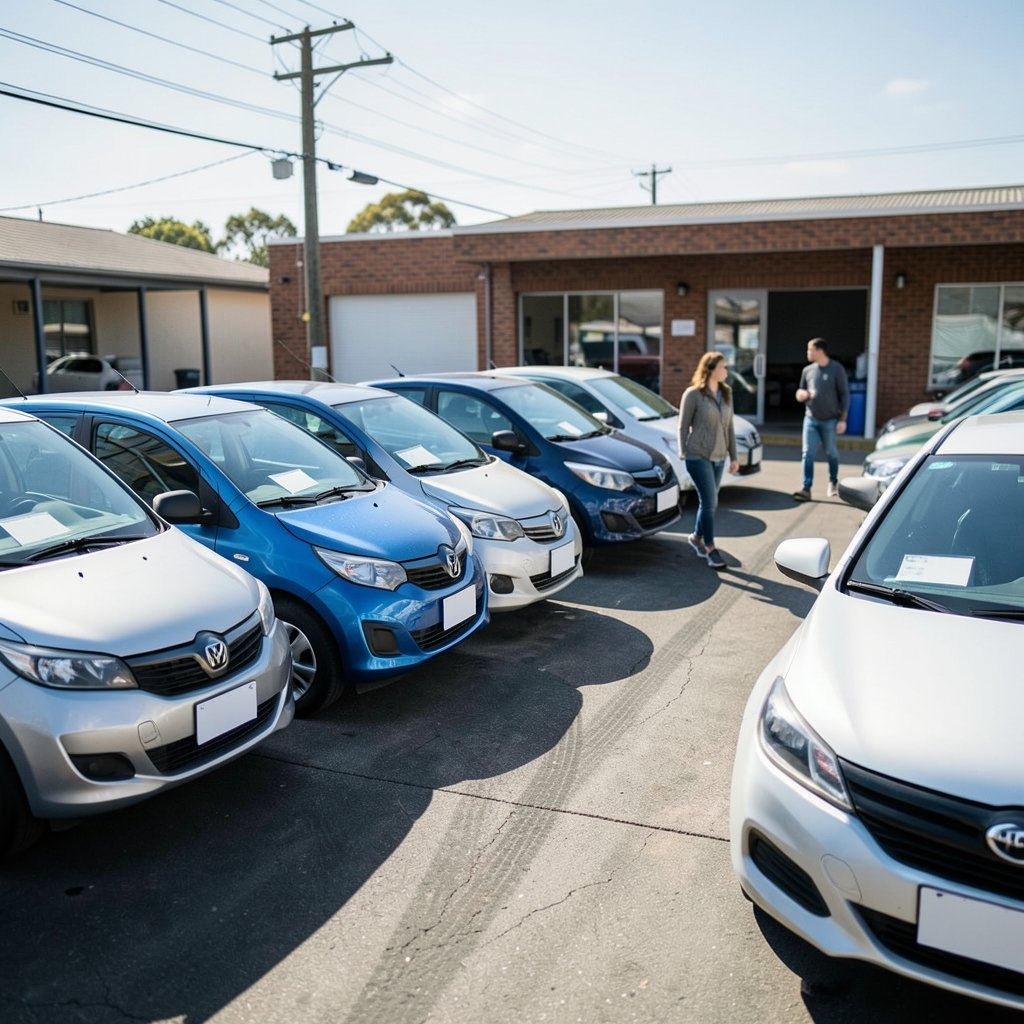
Used EV prices softened from around 2023 to 2024 as new EV supply improved and manufacturers cut prices on new models. That pushed down residuals. The direction is well reported in trade press, though the exact magnitude varies by model and region.
Why are so many used EVs appearing for sale now?
A major driver is lease expiry. The federal FBT exemption for eligible EVs began on 1 July 2022 and pushed many new EV sales through novated leases. As those leases end, the cars flow into the used market. Model churn and upgrading add to the supply.
What is the most important thing to check on a used EV?
Battery state of health. Ask for a diagnostic state-of-health reading, confirm the remaining battery warranty and that it transfers to you, and check the charging history. Range alone is a poor guide to battery condition.
Does a used EV still have a warranty?
Often yes. Most EV battery warranties run eight years or 160,000 km, whichever comes first, so many used cars still have cover. Confirm the remaining term in writing and check that it transfers to a second owner, since terms vary by manufacturer.
Is buying a used EV cheaper than buying new?
Sometimes, but not always. Compare the used price against the current new price after discounts. If the gap is small, a new car with a full warranty and the latest software may be the better value. Used makes most sense when the discount is meaningful and battery health is documented.



