
What would it take for SteamOS to finally escape the Steam Deck and run on the hardware sitting under your desk? That question has followed Valve’s Linux-based operating system for years, and every new beta build fuels fresh speculation. The chatter around SteamOS 3.9.2 beta, broader AMD PC support, and a SteamOS-powered Legion Go 2 is a perfect example of how rumor outruns confirmed fact. This article separates what Valve has actually signaled from what the community hopes will happen in 2026, and explains why the distinction matters if you’re planning a purchase. (SteamOS)
Why SteamOS Leaving the Steam Deck Is a Big Deal
SteamOS started life as a console-style interface wrapped around a Linux base, built specifically for the Steam Deck’s AMD APU. That narrow focus was a strength: Valve could tune the software to one piece of hardware and guarantee a smooth experience. But it also became a limitation. PC gamers with desktop towers, laptops, and rival handhelds kept asking the same thing: when does this come to my machine?
Valve has publicly discussed expanding SteamOS support beyond the Steam Deck, and SteamOS 3.6 and later builds began adding broader AMD handheld support in beta and experimental form. That direction is real. What is not confirmed is any specific “3.9.2” release, its exact feature list, or a 2026 date for general AMD PC support. Treat version numbers you see floating around forums with caution until Valve’s own release notes confirm them.
The stakes are high because SteamOS offers something Windows handhelds struggle to match: a console-like, suspend-and-resume experience with minimal background overhead. On the right AMD hardware, that translates to better battery life and fewer interruptions. For a deeper look at how the handheld market is shifting, the Steam deck out of stock alternatives 2026 roundup shows how quickly buyers are weighing rival devices.
What Is Actually Confirmed About SteamOS on AMD Hardware
Here is the honest scorecard. Valve has shown interest in general AMD PC support, and the company’s Linux work is public and trackable. But interest is not a roadmap with dates. The most reliable way to follow progress is through Valve’s own channels and independent Linux coverage, not through leaked version strings.
| Claim | Confidence | What to Check |
|---|---|---|
| SteamOS supports some AMD handhelds beyond the Deck | Reported by Valve, in beta/experimental form | Valve release notes |
| A specific “3.9.2” beta exists | Unverified | Valve SteamOS news and release notes |
| SteamOS will officially support general AMD PCs in 2026 | Unverified | Valve announcements |
| Legion Go 2 ships with SteamOS | Unverified | Lenovo product and press pages |
| Legion Go 2 uses a Ryzen Z2 Extreme APU | Announced by Lenovo | Lenovo and AMD product pages |
The pattern here is simple: hardware announcements are concrete, software timelines are not. Lenovo’s Legion Go 2, built around an AMD Ryzen Z2 Extreme APU, has been publicly announced. Whether it ships with Windows, SteamOS, or both is a separate question that only Lenovo and Valve can answer definitively.
The Version Number Problem
One practical trap catches a lot of readers: a version number like 3.9.2 looks authoritative, so people repeat it as fact. In reality, SteamOS builds move through beta and experimental channels quickly, and a number quoted in a forum post may be misremembered, invented, or refer to an unrelated component. Before you cite a build, open Valve’s official release notes and confirm the string appears there. This single habit will save you from most SteamOS misinformation.
The Legion Go 2: The Hardware Everyone Is Watching
Lenovo’s follow-up to the original Legion Go is the most anticipated SteamOS-adjacent device on the horizon. The original Legion Go ran Windows, and its biggest criticisms centered on software polish and battery life, exactly the areas where SteamOS tends to shine. A successor with a more efficient AMD APU and better software integration could be a genuinely different proposition.
For buyers comparing options right now, the Legion go s vs steam deck comparison is a useful reality check. It shows how much of the “SteamOS advantage” comes down to software tuning rather than raw silicon. If Lenovo ships a SteamOS variant of the Legion Go 2, that advantage could finally reach a premium handheld.
What to Watch Before You Buy
Practical buyers should focus on three verifiable signals rather than rumor:
- Official certification. Look for Valve or Lenovo explicitly stating that a device is SteamOS-certified, rather than only “compatible.”
- Shipping configuration. Confirm whether the box contains Windows, SteamOS, or a dual-boot setup. This affects warranty, support, and day-one experience.
- Driver and update commitments. Ask who pushes GPU and firmware updates and how often. On Linux, driver cadence matters more than on Windows.
A common mistake is pre-ordering based on a beta leak. Beta builds change weekly, and features present in a beta can be pulled before release. Wait for the shipping firmware reviews.
How to Try SteamOS-Style Gaming on AMD Hardware Today
You do not need to wait for a 2026 milestone to get a console-like experience on AMD hardware. Several practical paths exist, and each has trade-offs. The table below compares them.
| Approach | Effort | Best For | Main Catch |
|---|---|---|---|
| Install a SteamOS-based distribution | Medium | Tinkerers with spare drives | Hardware support varies |
| Use a Linux distro with Steam and Proton | Medium to high | Desktop gamers wanting flexibility | Manual setup and tuning |
| Buy a Steam Deck or certified handheld | Low | Plug-and-play buyers | Fixed hardware |
| Dual-boot Windows and Linux | High | Users who need both | Storage and boot management |
If you go the DIY route, back up your data first and test on a secondary drive. The most common failure is assuming every AMD GPU and Wi-Fi chip works out of the box. Check community compatibility lists for your exact model before committing.
Tips That Actually Work in Practice
- Pick hardware with a track record. AMD APUs used in existing handhelds tend to have the most mature Linux support.
- Update firmware before installing. BIOS and chipset updates fix many sleep and resume issues.
- Test suspend and resume early. It is the single feature that separates a console-like experience from a desktop one.
- Keep a Windows drive handy. Some anti-cheat titles still refuse to run on Linux, and no amount of tweaking fixes that.
If you run into software hiccups on a Deck, the Decky loader not working steam deck fix 2026 guide covers the most frequent plugin problems. And for context on where Valve’s hardware line is heading, the Steam machine release date 2026 breakdown tracks the living-room side of the same ecosystem.
The Competitive Picture: Why 2026 Matters
The handheld and small-form-factor PC market is heating up on every front. Nvidia’s entry into PC chips, Intel’s roadmap shifts, and AMD’s continued push all shape what software support looks like. The Intel amd stock slide nvidia n1x pc chip 2026 analysis is worth reading for the market view, because software ecosystems follow hardware momentum. If AMD keeps winning handheld design slots, SteamOS support becomes more valuable to Valve and to partners. (AMD Software: Adrenalin Edition)
Pricing pressure matters too. Memory and component costs affect what handhelds cost at launch, and the Amd ryzen 5 5500f 7500 launch ram prices 2026 coverage shows how RAM pricing ripples through the whole market. A SteamOS device is only compelling if it undercuts Windows rivals on price or beats them on experience. Ideally, it does both.
The Balanced View
It is easy to overhype a beta. The realistic scenario is gradual: SteamOS support widens device by device, with certification programs and partner announcements rather than one dramatic “AMD PCs are supported now” moment. That is how Valve has operated historically, and there is no verified evidence of a sudden 2026 switch. Readers who plan around incremental progress will be less disappointed than those who plan around a single launch date.
Common Mistakes to Avoid
A few traps show up again and again in SteamOS discussions:
- Treating a version string as a release date. A build number tells you nothing about when features ship to stable.
- Assuming “AMD support” means every AMD PC. Support is usually scoped to specific APUs and platforms.
- Confusing compatibility with certification. A device can boot SteamOS and still have broken audio, sleep, or Wi-Fi.
- Ignoring the anti-cheat question. Competitive multiplayer titles remain the biggest gap for Linux gaming.
- Buying on rumor. Wait for independent reviews of shipping firmware before spending money.
Each of these mistakes costs either time or cash. Avoiding them is mostly about demanding primary sources.
Conclusion
The excitement around SteamOS 3.9.2 beta, AMD PCs, and the Legion Go 2 in 2026 is understandable. A polished, console-like operating system running on a wider range of AMD hardware would be genuinely good for gamers, and Valve has clearly signaled interest in that direction. But interest is not a confirmed roadmap. The version number is unverified, the 2026 timeline for general AMD PC support is unverified, and the Legion Go 2’s shipping software is unverified. What is confirmed is the hardware: Lenovo’s successor exists and uses an AMD Ryzen Z2 Extreme APU. Everything else should be checked against Valve’s official release notes and Lenovo’s product pages before you act on it. Follow the primary sources, test on hardware you already own, and let the shipping reviews, not the beta leaks, guide your purchase.
FAQ
Is SteamOS 3.9.2 beta confirmed by Valve?
No. As of the available verified information, a specific “3.9.2” build has not been confirmed in Valve’s official release notes. Valve has discussed broader AMD handheld support and shipped expanded support in beta and experimental form in earlier 3.x releases, but the exact version string should be treated as unverified until it appears in Valve’s own channels.
Will SteamOS officially support general AMD PCs in 2026?
That is unverified. Valve has signaled interest in general AMD PC support, but no confirmed 2026 milestone or date exists in the verified record. Plan around gradual, device-by-device expansion rather than a single announcement, and check Valve’s release notes for concrete progress.
Does the Legion Go 2 ship with SteamOS?
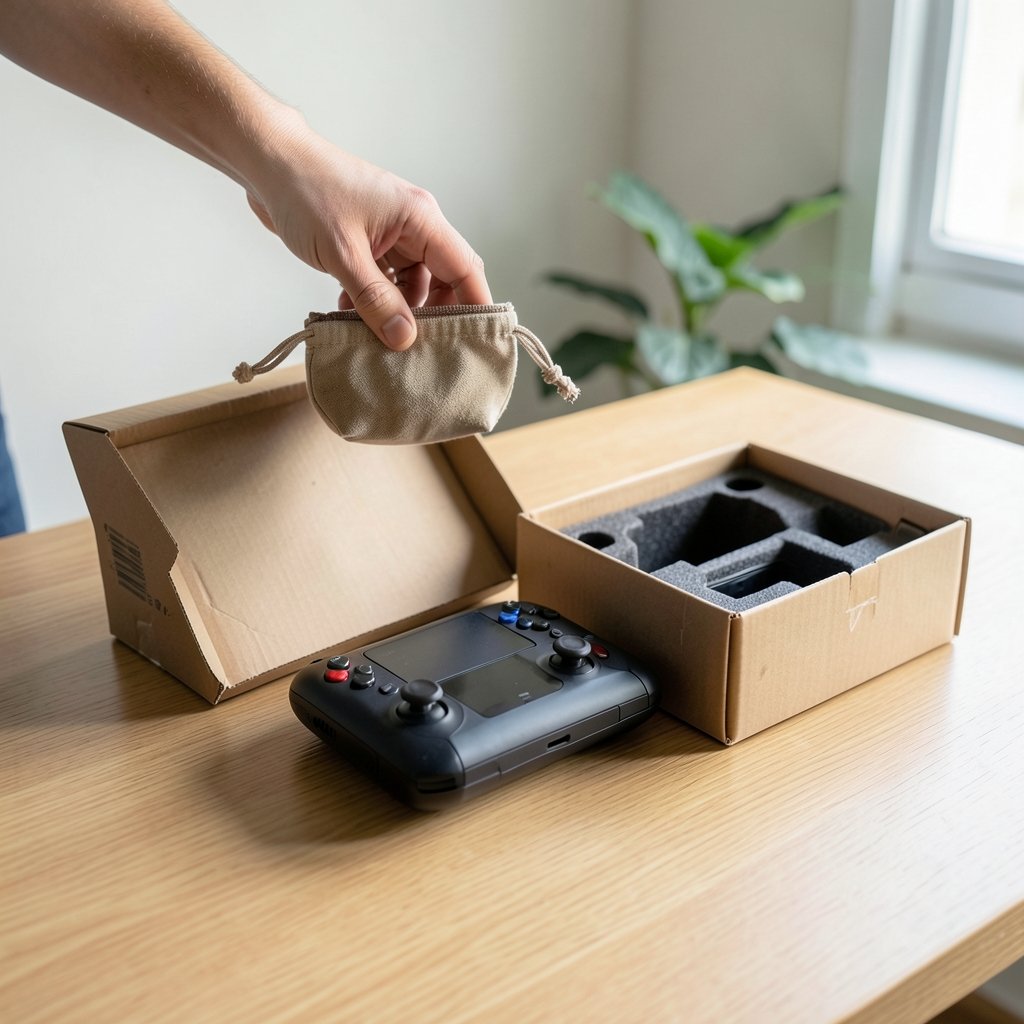
Unverified. Lenovo has publicly announced a Legion Go 2 built around an AMD Ryzen Z2 Extreme APU, but whether it ships with Windows, SteamOS, or both has not been confirmed in the verified record. Confirm the shipping configuration on Lenovo’s official product and press pages before ordering.
Can I install SteamOS on my AMD desktop right now?
You can experiment with SteamOS-based distributions and Linux setups on AMD hardware, but results vary by component. The practical approach is to test on a spare drive, update your BIOS and chipset firmware first, and verify that your GPU and Wi-Fi chip have mature Linux support. Expect some manual tuning rather than a console-like out-of-box experience.
What is the biggest advantage of SteamOS over Windows on a handheld?
The console-like experience: suspend and resume, a controller-first interface, and lower background overhead that can translate to better battery life. The trade-off is compatibility. Some multiplayer titles with anti-cheat still will not run, so check the games you care about before committing to a SteamOS device.
How can I verify SteamOS news before believing it?
Go to primary sources. Check Valve’s SteamOS news and release notes, Lenovo’s official product pages for Legion Go 2 details, AMD’s Ryzen Z2 product pages, and independent Linux outlets that track releases. If a claim about a version number or a 2026 date cannot be traced to one of these, treat it as rumor.