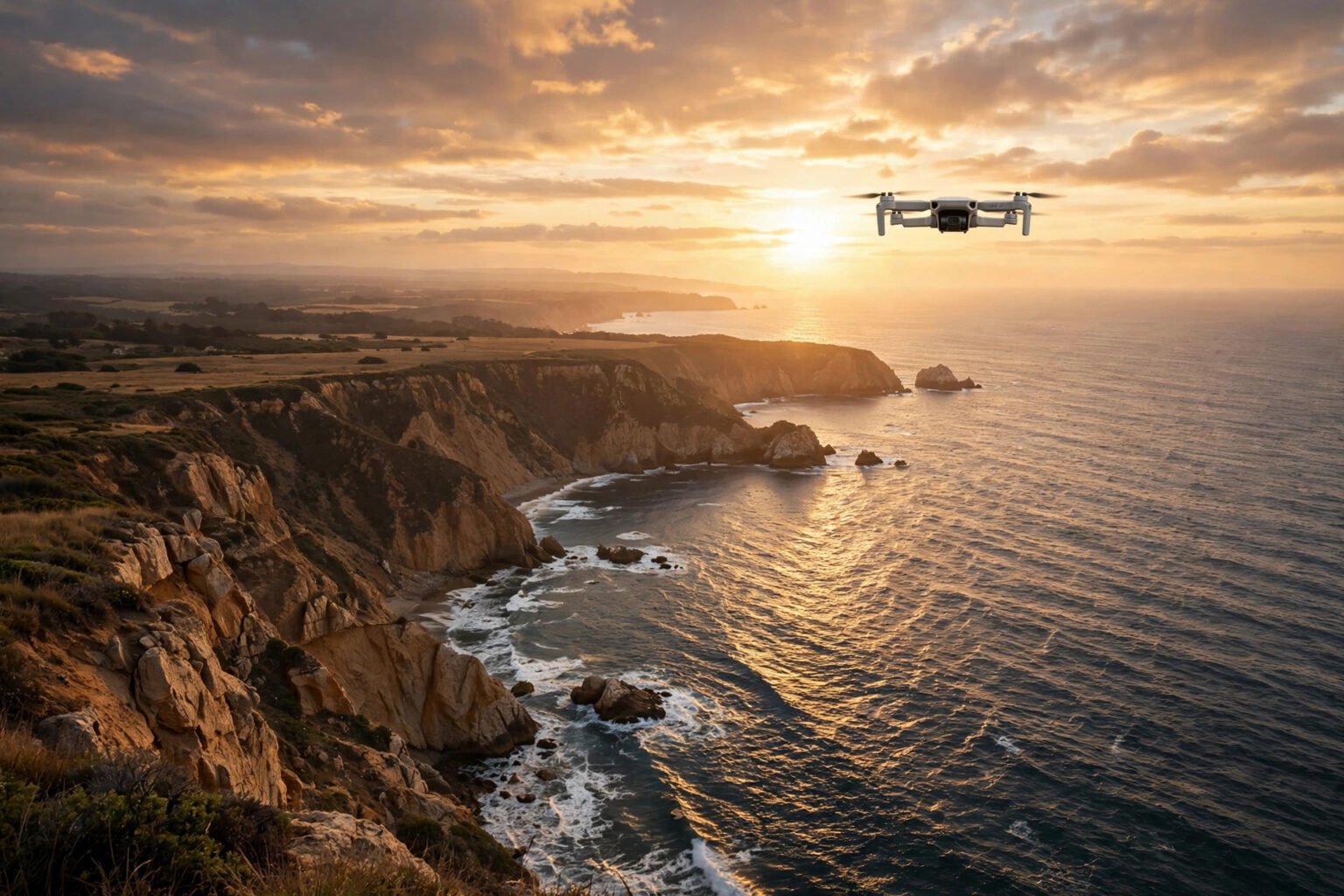
The best 360 cameras 2027 capture everything around you at once, then let you choose the angle afterwards. That single trick changes how you film travel, sport and family moments, because you no longer have to point the camera in the right direction at the right second. For most buyers, the Insta360 X5 is the strongest all-round choice, with the best image quality, replaceable lenses and the most useful editing app.
That recommendation holds for creators, travellers and anyone who wants a camera that forgives bad framing. The X5 is not the cheapest 360 camera, and it is not the smallest, so this guide also covers a budget pick, a pocket option and a rugged alternative, with the trade-offs of each spelled out. If you only want a 360 camera for occasional holiday clips, you may not need the flagship at all.
Key takeaways
- A 360 camera records in every direction, so you reframe the shot in editing instead of aiming while filming.
- The Insta360 X5 is the best all-round 360 camera in 2027 for image quality, durability and editing.
- 8K 360 video sounds impressive, but reframed 4K output is what you actually watch, so sensor size matters more than the headline number.
- Waterproofing and replaceable lenses matter: 360 lenses are exposed and easy to scratch.
- Budget buyers should consider the previous generation, which is often discounted and still excellent.
What a 360 camera actually does
A 360 camera has two wide lenses, one on each side, that together record a full sphere of video. In editing, you pick a normal flat view from inside that sphere, panning and zooming as if you had a camera operator following the action. You can also export the full 360 video for virtual reality headsets, or create a tiny-planet effect that turns the world into a ball.
That freedom is the point. On a bike ride, a ski run or a walk through a market, you mount the camera on a selfie stick, press record, and sort out the framing later. The stick itself disappears from the footage, because the camera stitches it out, which creates the floating-camera look that made 360 cameras popular. It is genuinely useful, not just a gimmick, for anyone who films alone.
The catch is resolution. A 360 video spreads its pixels across a full sphere, so the flat video you export is much lower resolution than the headline figure. An 8K 360 recording typically produces a reframed clip that looks like good 4K, while a 5.7K recording produces reframed footage closer to 1080p. That is why sensor size, lens quality and low-light performance matter more than the 8K label on the box.

The best 360 cameras in 2027
1. Insta360 X5
Best for: most buyers, creators and travellers who want the best all-round 360 camera.
The Insta360 X5 is the flagship to beat in 2027. It records 8K 360 video, uses larger sensors than its predecessor for cleaner low-light footage, and has replaceable lenses, which fixes the biggest weakness of earlier 360 cameras. A scratched lens used to mean a repair or a new camera; on the X5 you swap the lens yourself. It is waterproof to 15 metres without a housing, shoots strong slow motion, and its invisible selfie stick effect works as well as ever. The Insta360 app is the best in this category, with automatic reframing, AI editing and easy exports to social media. Battery life is solid for a 360 camera, though heavy 8K recording still drains it faster than normal video. Check the current price, as it is the most expensive camera on this list.

2. Insta360 X4
Best for: value, and anyone who wants flagship features for less.
The X4 is the previous flagship, and it remains an excellent camera. It also records 8K 360 video, is waterproof to 10 metres, and uses the same app and editing tools as the X5. Its sensors are smaller, so low-light footage is noisier, and its lenses are not user-replaceable, so a scratch is a bigger problem. In daylight, though, the difference between the X4 and the X5 is hard to spot, and the X4 is often available at a useful discount. If your budget is tight, this is the sensible buy, and the money saved buys a selfie stick, spare batteries and a protective case.
3. DJI Osmo 360
Best for: low-light filming and DJI users who already own DJI accessories.
DJI’s entry into 360 cameras is a serious rival to Insta360. The Osmo 360 records 8K 360 video, uses a large sensor that performs well in low light, and benefits from DJI’s stabilisation and colour science. It is waterproof to 10 metres, has a bright touchscreen, and its magnetic mounting system is fast and secure. The companion app is good, though Insta360’s app still has the edge for automatic editing and creative effects. If you already use DJI drones or action cameras, the shared batteries and accessories make this an attractive choice. Check the current price, as launch discounts are common.
4. Insta360 GO 3S (pocket option)
Best for: travel and everyday carry, where size matters more than maximum quality.
Not every 360 camera needs to be a flagship. Insta360’s smaller cameras trade resolution and battery life for a size you will actually carry every day. A pocket camera is the one that ends up filming the moments a bigger camera would have missed, because it was in a pocket rather than in a bag at the hotel. Image quality is good in daylight and weaker indoors, and battery life is shorter, so carry a power bank. This is the pick for travellers who value portability above all else, and for anyone who wants to try 360 filming without committing to a flagship price.
5. GoPro Max 2
Best for: GoPro owners and rugged outdoor use.
GoPro’s 360 camera suits buyers already invested in GoPro mounts and the GoPro app. It records 5.7K 360 video, is waterproof to 10 metres, and is built to the same tough standard as GoPro’s action cameras. Its reframed footage is a step behind the 8K cameras on this list, so it is not the pick for maximum quality, but it is durable, simple to use and well supported. Check availability and the current price before buying, as GoPro’s 360 range is updated less often than Insta360’s.
Comparison table
| Camera | 360 video | Waterproofing | Best for | Replaceable lenses |
|---|---|---|---|---|
| Insta360 X5 | 8K | 15 metres | Best all-round | Yes |
| Insta360 X4 | 8K | 10 metres | Value | No |
| DJI Osmo 360 | 8K | 10 metres | Low light | Check model |
| Insta360 GO 3S | Lower | Splash resistant | Everyday carry | No |
| GoPro Max 2 | 5.7K | 10 metres | GoPro owners | No |
Caption: The best 360 cameras in 2027 compared on video resolution, waterproofing and strengths. Check the current price before buying, as prices change often.
The table makes the pattern clear. The 8K cameras lead on video quality, the X5 leads on durability thanks to its replaceable lenses, and the smaller cameras win only for portability or for GoPro owners. For most buyers, the choice is between the X5 and the discounted X4.
How to choose: a five-minute decision framework
Work through these questions before you spend anything. They prevent the most common mistake: buying the most expensive 360 camera, then using it like a normal camera and wondering why the footage looks ordinary.
- What will you film? Action, travel and sport favour the X5 or Osmo 360. Everyday moments favour a pocket camera.
- How important is low light? Evening, indoor and winter filming favour the larger sensors in the X5 and Osmo 360. Daylight-only filming suits any camera on this list.
- Will you get it wet or dusty? Water and sand favour a waterproof camera with replaceable lenses. A scratched lens ruins 360 footage, so protection matters.
- How will you edit? Phone editing favours Insta360’s app. Computer editing suits any camera, as all of them export standard files.
- How much will you carry it? A camera left in the hotel films nothing. If size puts you off, buy the smaller camera you will actually carry.
- What is your budget? Check the current price of the X5, the X4 and the Osmo 360. A discounted X4 often delivers the best value.
If you also film normal video, our guide to the best cameras for YouTube beginners covers cameras that suit talking to camera and vlogging. For waterproof action filming, see the best action cameras for snorkelling. And if you are choosing between the two big action camera brands, read our GoPro vs DJI action camera comparison.
Frequently asked questions
Are 360 cameras worth it?
Yes, if you film action, travel or sport alone, because they remove the need to aim the camera. If you mostly film interviews, talking-head video or stills, a normal camera will serve you better for the same money.
Is 8K 360 video really 8K?
The recording is 8K across the full sphere, but the flat video you export from it is lower resolution, typically similar to good 4K. The 8K figure still matters, because it gives you more detail to work with when reframing.
Can I use a 360 camera underwater?
Yes, if it is rated waterproof. The Insta360 X5 is waterproof to 15 metres and the X4 and Osmo 360 to 10 metres without a housing. Use a dive case for deeper water, and stitching can look imperfect underwater, so test it before an important dive.
How long does the battery last?
Battery life varies with resolution and temperature, but expect roughly an hour of continuous 8K recording from a flagship, and longer at lower resolutions. Carry a spare battery or a power bank for a full day out.
Do I need a special selfie stick?
A standard invisible selfie stick from the same brand is best, as the camera is designed to stitch it out of the footage. A thick or reflective stick may show up in the shot, so use the manufacturer’s stick where possible.
Can I upload 360 video to YouTube?
Yes. YouTube supports 360 video, and the camera apps can export in the right format. Viewers on a phone or computer can drag to look around, and viewers with a headset can watch in virtual reality.
The bottom line
The best 360 cameras in 2027 reward a simple idea: film everything, choose the angle later. The Insta360 X5 does that better than any rival, with the sharpest footage, replaceable lenses, strong waterproofing and the best editing app. It is the camera to buy if you want the best 360 experience and you will use it often.
If the price puts you off, the Insta360 X4 gives you nearly the same daylight quality for less, and the DJI Osmo 360 is a strong alternative if you film in low light or already use DJI gear. Whichever you choose, buy the selfie stick, spare batteries and lens protection at the same time, because a 360 camera without them is only half a kit.
Your next step is simple: decide whether you will film action, travel or stills, check the current price of the X5 and the discounted X4, and buy the one that fits your budget. Then take it out, mount it high, keep the lenses clean, and reframe your first clip before you judge it.