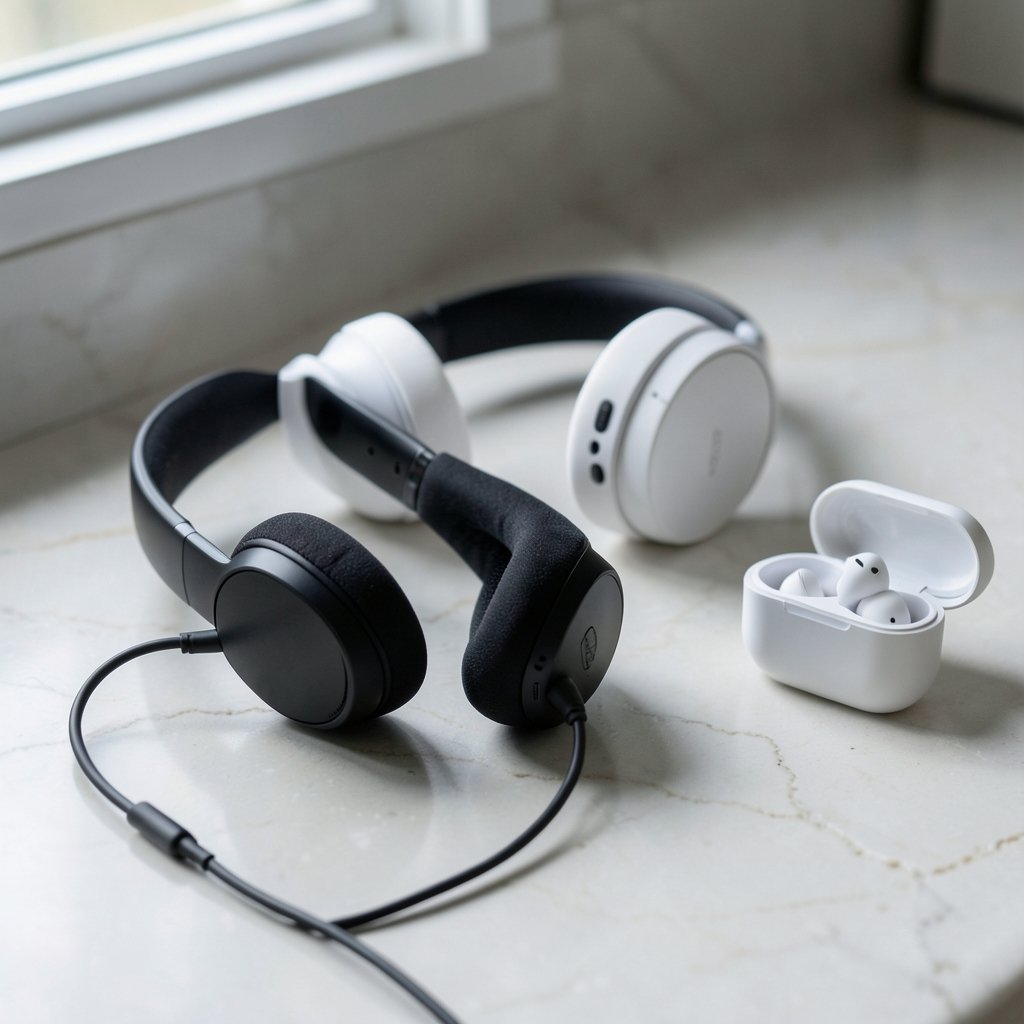
What if the gap between a $50 pair of headphones and a $500 pair is closing faster than most shoppers realize? That is the story of the budget headphone market heading into 2027. Features that used to live only in premium models, like real active noise cancellation and longer battery life, have been trickling down to cheaper models. That means buyers on a tight budget now have genuine choices instead of compromises.
This roundup skips the theory and gets straight to specific options. Each pick below suits a different kind of listener, and each comes with one honest limitation so expectations stay realistic.
Quick Comparison: The Shortlist at a Glance
| Pick | Best for | Standout strength | Main limitation | Price signal |
|---|---|---|---|---|
| JBL Tune 530 | Tightest budgets, wired listening | Very low cost for a branded on-ear | Wired only, no ANC | Around €28.99 |
| Skullcandy Crusher ANC | Bass lovers | Feel-it-in-your-chest bass | Bulky for travel | Not stated |
| Soundcore Liberty 5 Pro | Commuters who like gadgets | Touchscreen charging case | Newer, less track record | Not stated |
| Nothing Ear (3) | Call-heavy users | Mic and call button on the case | Fit varies by ear shape | Not stated |
| Shokz OpenFit Pro | Runners and cyclists | Open-ear design with noise reduction | Less isolation than sealed buds | Not stated |
| Beyerdynamic DT 770 Pro X | Desk and studio work | Modern take on a studio classic | Not built for wireless life | Not stated |
| Sony MDR-7506 | Recording and editing | Long-standing studio standard | Wired, utilitarian feel | Not stated |
1. JBL Tune 530: The Cheapest Serious Pick
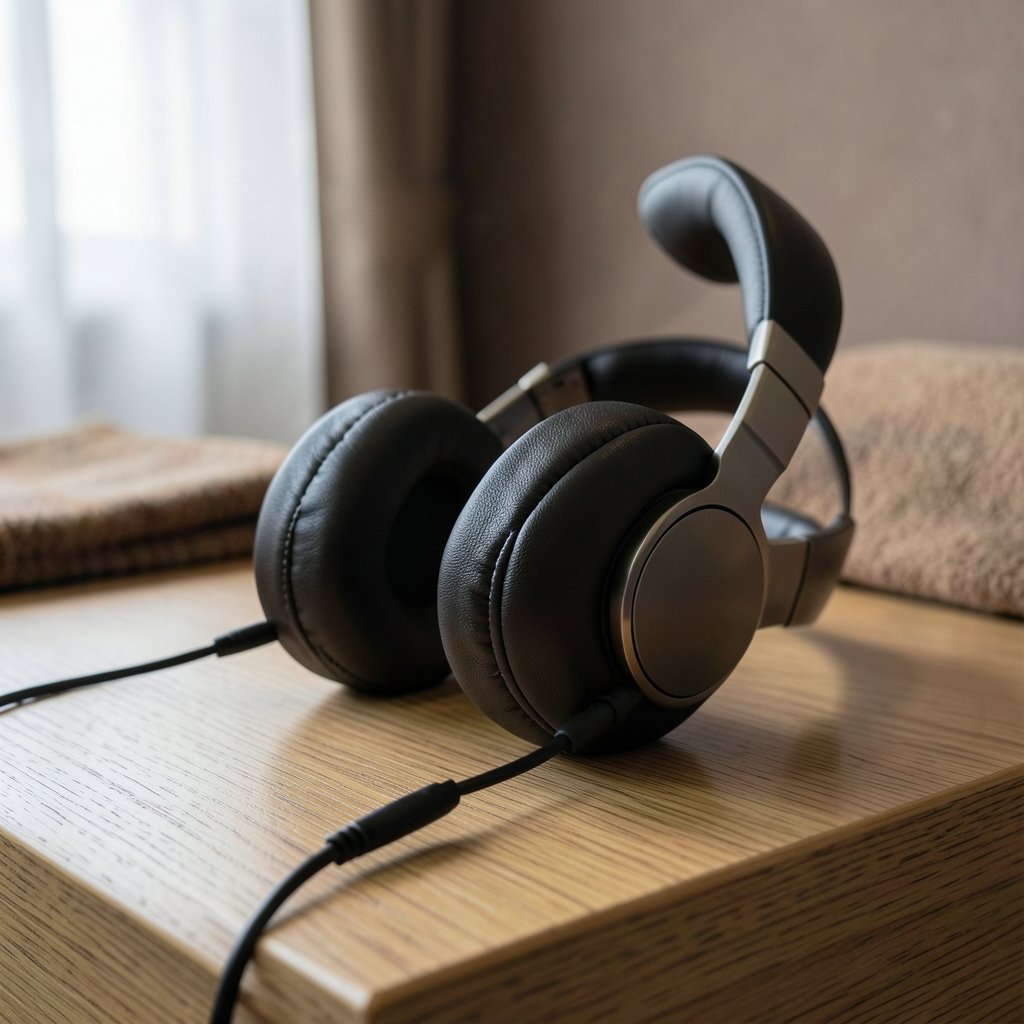
For shoppers who simply want a recognizable brand at the lowest possible price, the wired JBL Tune 530 on-ear model is hard to argue with. It has a microphone built in, so it handles calls, and it costs around €28.99 according to one price comparison. That makes it the natural entry point for students or anyone buying a backup pair.
What it does well: it delivers dependable sound without batteries, charging cables, or firmware updates. Plug it in and it works.
The limitation is obvious. There is no noise cancellation and no wireless freedom. If you commute on a loud bus, this is not the pair for blocking out the world. But as a desk pair or a gift for a teenager, it earns its place.
2. Skullcandy Crusher ANC: Bass You Can Feel
Some listeners do not want neutral. They want bass that hits. The Skullcandy Crusher ANC over-ear headphones are built around exactly that, and one reviewer noted the low end “hits harder than almost every other model in its category.” They also include active noise cancellation and up to 22 hours of battery life, which covers a week of commutes or gaming sessions.
They fold for easy transport, which matters if they live in a backpack. The catch: no carry case is included, one of the concessions that keeps the price down. They are also heavier and bulkier than earbuds, so they are not the pair you stuff in a jacket pocket.
If your playlist is built on hip-hop, electronic, or action games, this is the fun pick.
3. Soundcore Liberty 5 Pro: The Gadget Lover’s Earbuds
Earbud cases used to be dumb plastic boxes. The Soundcore Liberty 5 Pro changes that with a touchscreen on the charging case itself, a feature that would have seemed like science fiction a few years ago. It is the kind of detail that appeals to people who enjoy fiddling with settings and seeing information at a glance.
What they do well: they combine modern conveniences with a compact true-wireless format, and the case adds a layer of control most rivals skip.
The limitation is track record. Touchscreen cases are new territory, so long-term durability is an open question. Buyers who value proven reliability over novelty may want to wait for more user reports before committing.
4. Nothing Ear (3): Built for People Who Talk a Lot
The Nothing Ear (3) takes a different approach to the case. Instead of a screen, it puts a microphone and a call button right on the charging case. That is a small idea with real practical value: you can take a call without digging your earbuds out first, or use the case itself as a microphone when your phone is across the room.
What they do well: they solve a genuine annoyance for anyone who takes calls on the go, and the design stands out from a sea of look-alike buds.
The limitation is fit. True-wireless earbuds live or die by how they sit in your ears, and no case feature fixes a loose seal. Buyers with unusual ear shapes should check the return policy before ordering.
5. Shokz OpenFit Pro: Open Ears, Less Noise
Open-ear headphones used to force a trade-off: you could hear your surroundings, but you also heard everything else. The Shokz OpenFit Pro challenges that with noise reduction in an open design, something that seemed impossible without sealing off the ear entirely.
What they do well: they let runners, cyclists, and walkers stay aware of traffic while still cutting down background rumble. For outdoor exercise, that combination is genuinely useful.
The limitation is physics. Open designs still leak more sound in and out than sealed earbuds, so on a packed train they will not match a proper ANC pair. They are a tool for a specific job, not an all-rounder.
6. Beyerdynamic DT 770 Pro X: A Studio Classic, Updated
Many budget champions have studio backgrounds, and this one is a clear example. The Beyerdynamic DT 770 Pro X is a modernized edition of a studio classic that dates back to 1985. That lineage matters: studio headphones are built to survive long sessions and to sound predictable.
What they do well: they offer reference-grade sound for people who edit audio, mix music, or simply want to hear recordings the way they were made.
The limitation is lifestyle fit. These are wired, desk-bound headphones. If your listening happens on the move, they will feel like the wrong tool.
7. Sony MDR-7506: The Safe Studio Bet
The Sony MDR-7506 has been an industry standard in film, TV, and broadcast for years, and it remains a fixture in budget studio roundups. That kind of staying power is its own review.
What they do well: they are tough, foldable, and predictable, which is why they turn up in editing suites everywhere.
The limitation is character. They are tools first and fashion objects never. Buyers who want wireless convenience or app-based features should look elsewhere.
How to Choose Without Regret
Once you have a shortlist, the decision usually comes down to four practical questions.
- Where will you wear them most? Commuting, the gym, and a desk each demand different designs. Sealed earbuds for trains, open designs for running, over-ears for long desk sessions.
- Can the battery be replaced? Ask whether the battery is user-replaceable and whether the maker sells spare parts. That single question decides whether you own the product for three years or ten.
- What does your phone actually support? Lossless codecs help little if your phone only handles basic Bluetooth audio, which applies to all iPhones. In that case, the sound of the headphones themselves matters more than the codec list.
- Do you need a dongle? Some headphones ship with their own adapter for better wireless audio, and those adapters can often be bought separately. Check compatibility before assuming.
A common mistake is buying for specs instead of situations. A shopper who buys a bass-heavy pair for the office, or open buds for a noisy commute, ends up unhappy no matter how good the review scores were. Match the tool to the job first, then compare prices.
It also pays to think about total ownership cost rather than sticker price. Cheap earbuds with sealed batteries can become landfill in two years, while a slightly pricier pair with replaceable parts can outlast three cheap ones. The same logic applies across budget categories, whether you are comparing budget headphones or weighing subscription tiers for other tools.
The Bigger Picture: Why Budget Sounds Better Now
The most important shift is in noise cancellation. Budget ANC used to be marketing copy wrapped around basic noise reduction. Now the digital signal processors that run decent ANC have dropped sharply in price, so real cancellation is reaching lower price points. That is why a cheap pair in 2027 can silence a bus engine in a way that would have cost serious money a few years back.
Categories are also blurring. Open earbuds now reduce noise, charging cases carry screens and microphones, and earbuds can even measure your pulse during workouts. The practical result for buyers is simple: the feature you want is probably available at a lower price than you expect, as long as you are willing to accept one or two trade-offs.
If you are budgeting more broadly this season, the same discipline that governs a headphone purchase, paying for what you will actually use, applies to software too. Readers comparing budget AI chatbot subscriptions under $10 a month will recognize the pattern: pick the tier that matches your habits, not the biggest spec sheet. (Best ai chatbot your budget 2027 0 50 500 tiers compared)
Conclusion
The best budget headphones in 2027 are not a single pair. They are the right pair for your situation. The JBL Tune 530 wins on pure price, the Skullcandy Crusher ANC wins on fun, the Soundcore Liberty 5 Pro and Nothing Ear (3) win on clever case design, the Shokz OpenFit Pro wins for outdoor athletes, and the Beyerdynamic DT 770 Pro X and Sony MDR-7506 win for anyone working at a desk with audio.
Start with where you listen, ask whether the battery can be replaced, and check what your phone supports. Do those three things and the shortlist above will narrow itself. The gap between budget and premium keeps shrinking, and 2027 is a good year to take advantage of it.
FAQ
Are budget headphones good enough for daily commuting?
Yes, for most people. Active noise cancellation has improved sharply at lower prices, so a budget pair can now handle bus and train noise. The key is choosing a sealed design with ANC rather than an open one.
Should I buy wired or wireless budget headphones?
Wired pairs like the JBL Tune 530 cost less and never need charging, which suits desk work and tight budgets. Wireless pairs suit commuting and exercise. Many buyers end up owning one of each.
Can I replace the battery in budget headphones?
Sometimes. Before buying, ask whether the battery is user-replaceable and whether the manufacturer sells spare parts. This single question often decides whether a pair lasts three years or ten.
Do lossless codecs matter on budget headphones?
Less than marketing suggests. If your phone only supports basic Bluetooth audio, as all iPhones do, the sound quality of the headphones themselves matters more than the codec list.
What is the best budget pick for bass lovers?
The Skullcandy Crusher ANC is built for heavy bass and includes noise cancellation plus up to 22 hours of battery life. The trade-off is bulk and the absence of a carry case.
Are open-ear headphones worth it for running?
For outdoor exercise, yes. The Shokz OpenFit Pro pairs an open design with noise reduction, so you stay aware of traffic while cutting background rumble. They will not match sealed earbuds on a noisy train, though.