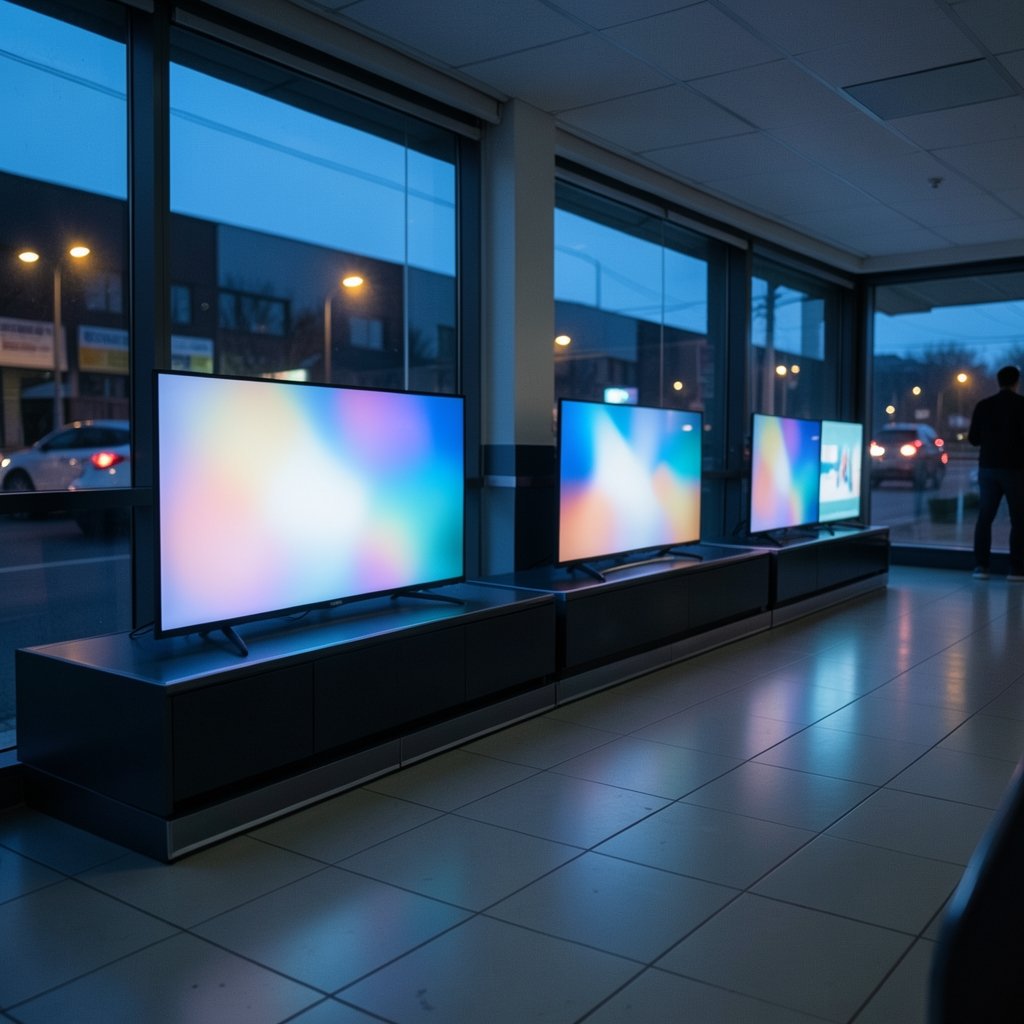
Walk into any electronics store in 2026 and you’ll notice something odd: the cheapest 55-inch smart TV on the shelf and the one costing three times as much often look nearly identical when playing the same bright demo reel. That’s not an accident. Panel manufacturing has matured to the point where entry-level sets now deliver picture quality that would have been flagship territory a decade ago. According to Wikipedia’s overview of smart TV technology, the category has exploded from a niche product into the default television format worldwide, and the budget segment has become fiercely competitive as a result.
But “budget” doesn’t mean “no compromises.” It means knowing exactly which corners get cut and deciding whether you can live with them. This guide breaks down what separates a genuinely good cheap TV from a frustrating one, so you spend wisely rather than twice.
Why Budget TVs Got So Much Better
The single biggest driver is panel yield. Manufacturers now produce 4K LCD panels at scale with very low defect rates, which pushes per-unit costs down across the board. Features that were premium five years ago, like HDR support, voice remotes, and built-in streaming apps, are now standard even on sub-$400 sets.
The result is a market where the floor has risen dramatically. A budget TV from a reputable brand in 2026 will almost certainly offer 4K resolution, decent brightness for a living room, and a modern smart interface. The differences between models now live in the details: contrast, motion handling, software speed, and how long the manufacturer keeps updating the firmware.
It’s a similar story in other budget tech categories. If you’re also shopping for a computer, the same principle applies, which is why roundups of the best laptops 2026 top picks for every budget today focus on which specs actually affect daily use rather than headline numbers.
The Five Specs That Actually Matter
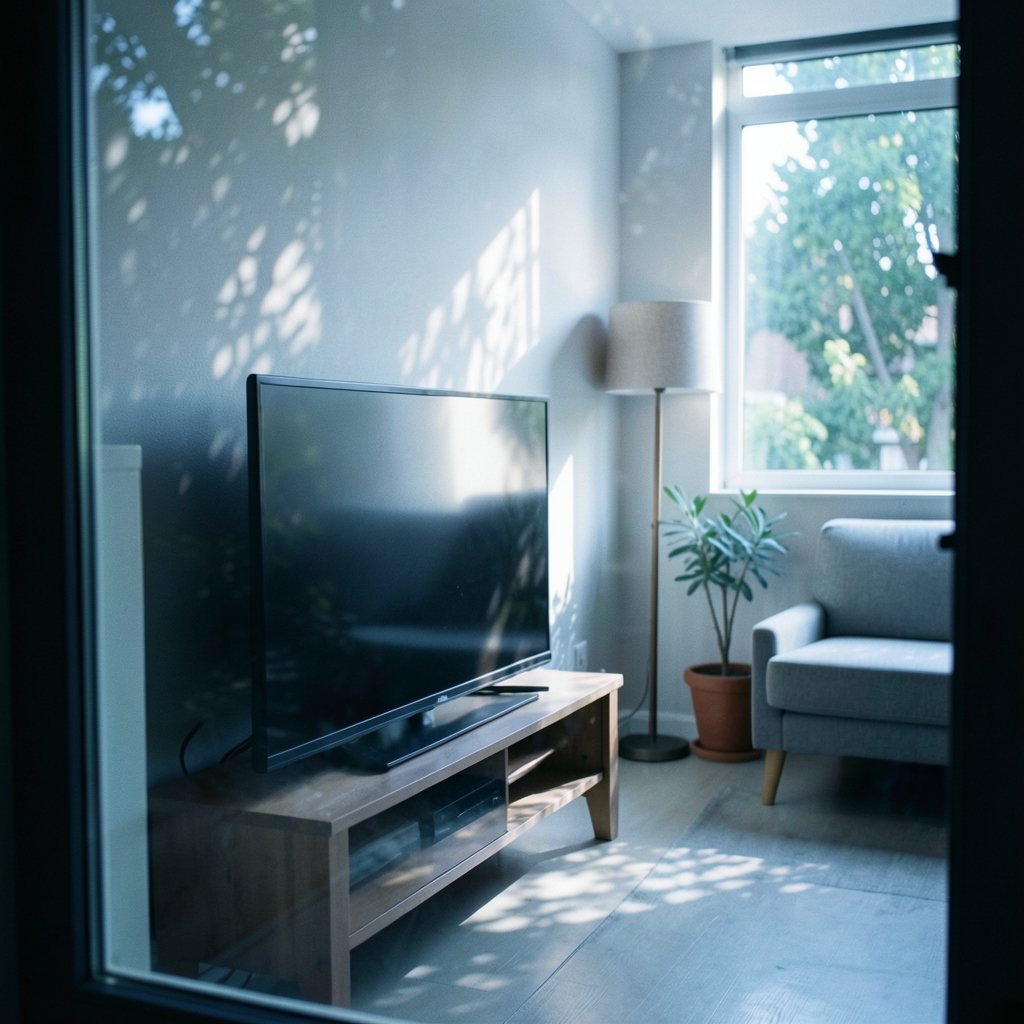
Most spec sheets are noise. These five numbers tell you almost everything about whether a budget TV will satisfy you.
1. Panel Type: VA vs. IPS
VA panels deliver deeper blacks and higher contrast, which makes movies look rich and cinematic. IPS panels offer wider viewing angles but weaker contrast. For a dark living room where you sit mostly straight on, VA wins. For a bright room with people sitting off to the sides, IPS is more forgiving. Budget sets rarely advertise which panel they use, so check hands-on reviews or look at the set from an angle in the store.
2. Peak Brightness
Budget TVs typically peak between 250 and 400 nits. That’s fine for a dim room but struggles against direct sunlight. If your TV faces a window, prioritize brightness over almost everything else.
3. Local Dimming (or the Lack of It)
Full-array local dimming is rare at budget prices, and when it appears, it’s often crude. Poorly implemented dimming can create visible halos around bright objects. Sometimes a set without local dimming looks better than one with a cheap version of it.
4. Refresh Rate
Most budget sets are 60Hz. That’s perfectly fine for streaming and casual gaming. If you play fast-paced games, look for a model with a genuine 120Hz panel, though expect to pay more or accept compromises elsewhere.
5. The Smart Platform
This is the spec people overlook and later regret. The operating system determines how fast the TV feels, which apps you get, and how often it updates.
| Platform | Strengths | Watch Out For |
|---|---|---|
| Roku TV | Fast, simple, huge app library | Fewer advanced picture settings |
| Google TV | Great search, Chromecast built in | Can feel sluggish on weak hardware |
| Fire TV | Deep Alexa integration, frequent deals | Heavy promotional content on home screen |
| Tizen (Samsung) | Polished, quick navigation | Occasional app gaps |
| webOS (LG) | Clean layout, good remote | Budget models may run older versions |
A sluggish interface is the most common complaint among budget TV owners, and it’s the hardest thing to fix later. If the processor is weak, no firmware update will save it.
Where Budget TVs Cut Corners (and Whether It Matters)
Understanding the trade-offs helps you decide what’s acceptable.
Build quality. Cheap TVs use more plastic and thinner frames. This rarely affects the picture but can affect durability and how the set looks on a wall.
Audio. Built-in speakers on budget sets are consistently mediocre. Almost everyone ends up adding a soundbar, so factor that into your total budget rather than being disappointed later.
Port selection. You may get three HDMI ports instead of four, and only one may support the latest standards. Count your devices before buying.
Software support longevity. Premium brands tend to update firmware longer. A budget set from a lesser-known brand might stop receiving security patches after two or three years, which matters more now that TVs are always-connected devices.
Motion processing. Cheaper sets handle fast motion less gracefully, with visible blur during sports or action scenes. This is one area where spending a little more genuinely helps.
How to Shop Without Getting Played
Retail demo modes are designed to sell. They crank brightness and saturation to maximum, which makes every TV look vivid and punchy in a showroom but exhausting to watch at home. Here’s a practical routine that works.
- Set a hard budget first. Include the cost of a soundbar and any mounts or cables. Budget creep is real.
- Shortlist by panel type and platform, not by brand loyalty. The same brand can make an excellent set and a poor one in the same year.
- Read hands-on reviews from outlets that measure with instruments, rather than outlets that only describe impressions. Measured contrast and brightness numbers don’t lie.
- Check the return window. Buying a TV is one of the few purchases where testing at home, in your actual lighting, is genuinely necessary.
- Wait for sale cycles if you can. Late-year shopping events reliably discount previous-generation models, and the savings are substantial. The same pattern shows up in automotive retail, where Black Friday car deals: best offers and prices for 2026 follow a similarly predictable calendar.
Common Mistakes People Make
The most frequent error is buying on resolution alone. A 4K set with poor contrast looks worse than a well-tuned 1080p model in a dark room. The second most common mistake is ignoring the smart platform, then discovering the interface lags on every button press. The third is skipping the soundbar budget, then living with tinny audio for years out of stubbornness.
Another trap: assuming a bigger screen is always better. Sitting too close to an oversized budget panel magnifies every flaw, including poor upscaling of lower-resolution content. Match screen size to viewing distance, roughly 1.2 to 1.5 times the diagonal measurement in feet for mixed content.
Budget TVs and Gaming in 2026
Gaming support has quietly become a budget-TV battleground. Features like auto low-latency mode and variable refresh rate are appearing on cheaper sets, though implementation varies wildly. A TV that advertises VRR but only supports it in a narrow range is less useful than the spec sheet suggests.
For casual players, input lag under about 20 milliseconds in game mode is perfectly responsive. For competitive play, look for a genuine 120Hz panel and confirmed VRR support. The broader hardware landscape is shifting fast, and rumors like the Nintendo Switch 2 Lite and Samsung 8LPU Plus chip discussion show how much processing power now matters in budget devices. Console and TV ecosystems are converging, so a set that handles gaming well ages better.
Do You Need the Built-In Smart System at All?
Here’s a contrarian take worth considering: the smart platform is the component most likely to become obsolete first. Processors age, apps drop support, and interfaces slow down. A budget TV with a weak chipset might feel fine in year one and painful in year three.
One workaround is buying a set for its panel and ignoring its software, then attaching an external streaming device. This costs extra upfront but extends the TV’s useful life considerably, since you can replace a $50 streaming stick instead of a whole television. It’s a strategy that savvy buyers use constantly, and it’s why so many buying guides emphasize picture fundamentals over app catalogs. The same logic appears in phone shopping, where guides on the best phone to buy 2026 expert picks for every budget stress that software support length often matters more than raw specs.
If you go this route, prioritize panel quality, port count, and brightness. Everything else is replaceable. (Protecting Consumer Privacy and Security)
Matching the TV to Your Room
Room conditions matter more than most buyers realize.
Bright, sunny rooms demand higher brightness and an anti-reflective coating. IPS panels handle reflections slightly better, and matte finishes beat glossy ones near windows.
Dark home theaters reward contrast above all. A VA panel with deep blacks will outperform a brighter set with washed-out shadows.
Multi-purpose living rooms need balance: decent brightness, wide enough viewing angles for a couch full of people, and a responsive interface for casual browsing.
Bedrooms and kitchens often suit smaller sizes where budget sets shine brightest. At 43 inches and below, the price-to-quality ratio is excellent, and the compromises matter far less.
Measure your space before you shop. Tape the dimensions on the wall if you have to. Buyers routinely regret going too small, but going too large for the room creates its own problems.
The Value Question: Cheap vs. Good Value
There’s a meaningful difference between the lowest price and the best value. The cheapest set on the shelf often cuts the processor, the panel uniformity, or the warranty support. A slightly more expensive budget model frequently delivers disproportionately better reliability and picture consistency.
Look for sets with at least a one-year warranty from a brand with a real service network. Check whether the model is a store-exclusive variant, which sometimes uses different internals than the widely reviewed version of the same name. That’s a quiet trick in the industry, and it’s why checking the exact model number against reviews matters.
Also consider total cost of ownership. A cheap TV that needs replacing in three years costs more than a mid-budget set that lasts seven. Reliability data is hard to find, but brand track records and extended warranty terms offer clues.
FAQ
What size budget smart TV gives the best value in 2026?
Most buyers find the sweet spot between 50 and 55 inches, where panel production volume is highest and per-inch pricing is most competitive. Smaller sets cost less overall but offer less savings per inch, while larger budget panels often compromise on backlight uniformity.
Is 4K worth it on a budget TV?
Yes, because 4K is now standard even at entry level. The more important question is whether the set upscales lower-resolution content well, since much streaming content and older media still benefit from good processing.
How long should a budget smart TV last?
With normal use, five to seven years is a reasonable expectation. The panel usually outlives the smart software, which is why many owners extend usable life with an external streaming device once the built-in apps slow down.
Do budget TVs support HDR properly?
Most support HDR formats, but without high peak brightness the effect is subtle rather than dramatic. HDR on a budget set is a nice bonus, not a reason to buy. Contrast and color accuracy matter more at this price point.
Should I buy a soundbar with a budget TV?
Almost certainly yes. Built-in speakers on budget models are the weakest component by a wide margin. A modest soundbar improves the experience more than spending the same money on a slightly better panel.
When is the best time to buy a budget smart TV?
Late-year sales events and the period when new models replace outgoing ones offer the deepest discounts. Previous-generation sets are often functionally identical to the new versions and cost meaningfully less.
Conclusion
The best budget smart TV in 2026 isn’t the cheapest one you can find. It’s the set that matches your room, your habits, and your tolerance for compromise. Prioritize panel type and contrast, pay attention to the smart platform’s speed, budget for a soundbar, and buy from a brand that will still support the software in a few years. Do that, and a modest spend delivers a genuinely enjoyable television. Skip those steps, and you’ll be shopping again far sooner than you’d like. The budget segment has never been stronger, which means the smart money goes to buyers who know what they’re actually paying for.