What if the cheapest washing machine on the showroom floor turned out to be the most expensive one you could buy? It happens more often than most shoppers expect. A $450 top-loader with a thirsty wash cycle and a short warranty can cost more over eight years than a $650 front-loader that sips water and survives past its tenth birthday. That gap is the whole game when you’re hunting for the best budget washer.
This guide skips the glossy brochure language. It covers what “budget” really means across markets, how to compare running costs with actual math, which features earn their price and which are decoration, and the mistakes that quietly drain money from buyers who only look at the sticker.
What “Budget” Actually Means in 2026
The word budget hides a trap: it means different things in different places. In the United States, budget washers commonly cluster in the 3.5 to 4.5 cubic foot range, which suits a couple or a small family. In Europe, budget machines typically land between 5 and 8 kilograms of drum capacity. Those are typical market ranges rather than official standards, so check current retail listings before you set a number in stone.
A more useful definition is cost per year of ownership, not purchase price. A machine’s real cost is the sticker price plus energy, water, detergent, and likely repairs, divided by the years it survives. By that measure, a mid-priced model with strong efficiency and a long warranty frequently beats the cheapest box on the shelf.
Buyers also forget that efficiency rules have shifted the baseline. US residential washers have been subject to federal energy-conservation standards since 1990, with major tightening in 2004 and again in 2015. In the European Union, energy labels were rescaled on 1 March 2021 to a strict A to G scale with no A+ or A++ classes, and new labels add noise and program-duration data. Translation: even a cheap machine built this year is likely more efficient than a premium machine from a decade ago. You are not sacrificing much efficiency by buying budget. You are sacrificing features, build materials, and sometimes warranty length.
Front-Load vs Top-Load on a Tight Budget
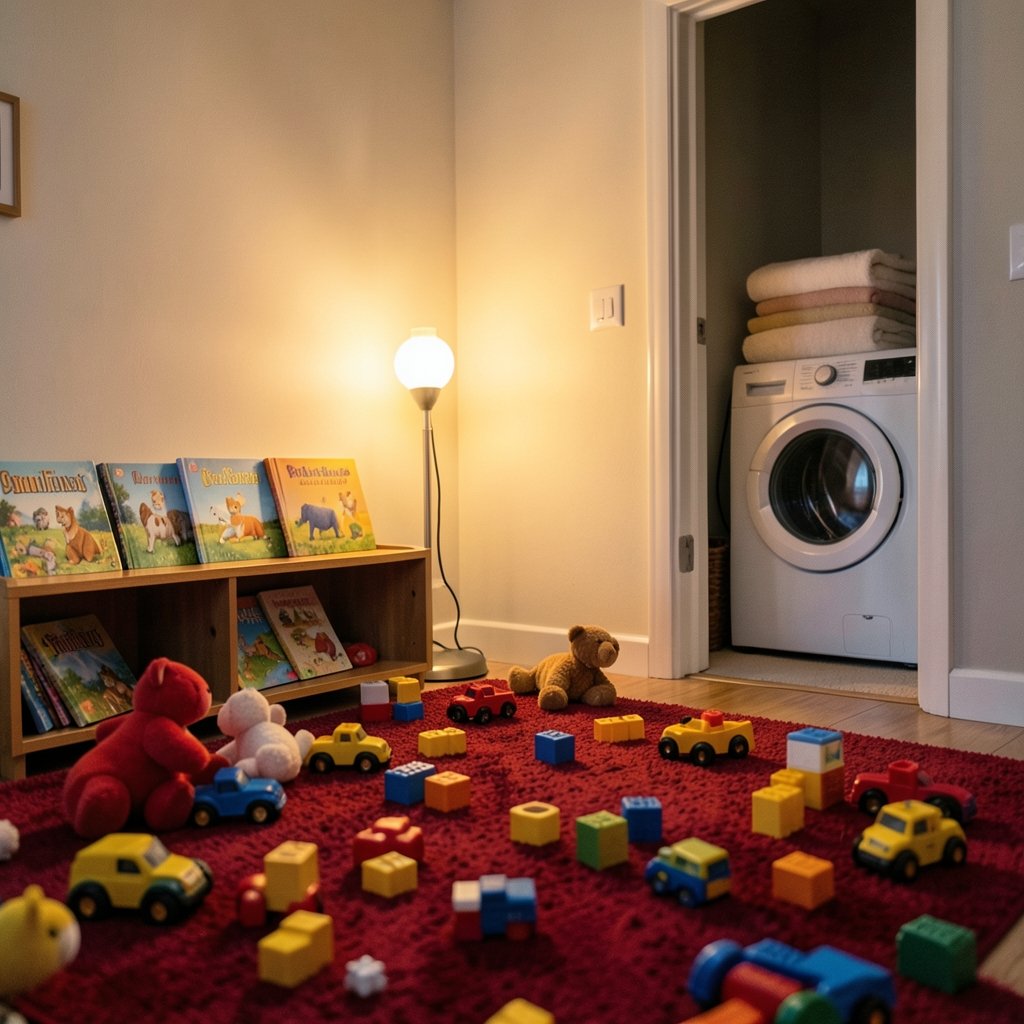
The oldest debate in laundry still matters. Front-loaders generally use less water and treat fabric more gently. Top-loaders usually cost less up front and finish cycles faster. That is general consumer-guide consensus rather than a finding from a single controlled study, so treat it as a starting point, not gospel.
| Factor | Front-Loader | Top-Loader |
|---|---|---|
| Purchase price | Higher | Lower |
| Water use | Lower per cycle | Higher per cycle |
| Cycle time | Longer | Shorter |
| Fabric wear | Gentler | Rougher on delicates |
| Loading comfort | Bending required | Easy reach |
| Typical budget range | Mid-range | Entry-level |
Practical tip from the sales floor: if your laundry is in a cold garage or an unheated utility room, a top-loader’s simpler mechanics often tolerate temperature swings better. If the machine lives in a kitchen or hallway near bedrooms, a front-loader’s quieter spin and lower water use usually win the argument.
The Running-Cost Math Nobody Shows You
Here is the method that separates smart buyers from regretful ones. Take the energy per cycle in kilowatt-hours, multiply by your local electricity price, then add the water cost. That is your cost per wash. Multiply by washes per year and you have an annual figure you can actually compare.
Run the numbers on two machines:
- Machine A uses 0.9 kWh per cycle. At $0.16 per kWh, that is about 14 cents per wash, or roughly $36 a year at five washes a week.
- Machine B uses 1.6 kWh per cycle. Same electricity price, that is about 26 cents per wash, or roughly $67 a year.
Over eight years, that gap is about $250, which can erase the entire purchase-price advantage of the cheaper machine. Add water and you widen it further. This is why the best budget washer is rarely the lowest sticker price. It is the machine with the lowest combined score.
The biggest lever is not the machine at all. Washing in cold water and running full loads are the two largest easy savings in any household, and they cost nothing to adopt. A budget washer used intelligently beats a premium washer used carelessly every single time.
Features Worth Paying For (and Ones That Aren’t)
Budget machines increasingly borrow features from premium models. Some earn their place. Others exist to justify a price bump.
Worth it:
- Variable spin speed. A high spin extracts more water, which cuts dryer time. That saves real money.
- Delay start. Cheap to add, genuinely useful if you have off-peak electricity rates.
- A quick-wash cycle. Fifteen to thirty minutes for lightly soiled clothes is a daily-life win.
- Stainless steel drum. More durable than plastic and less prone to chipping.
Usually not worth it on a budget:
- App connectivity. It rarely changes how you wash, and it is one more thing to break.
- Steam refresh. Nice on paper, marginal in practice for most households.
- Auto-dosing detergent. Convenient, but replacement cartridges can cost more than manual dosing.
- A dozen specialty cycles. You will use three of them.
If you are building out a budget-friendly setup around the laundry room, the same logic applies to peripherals: spend where daily use is high, save where it is occasional. The same principle shows up in odd places, like choosing among budget racing wheels that are actually worth buying for a home setup, where the mid-tier option usually beats both extremes.
Common Mistakes That Cost Budget Buyers Money
Most washer regrets trace back to a handful of avoidable errors.
- Buying on sticker price alone. Always estimate annual running cost before you commit.
- Skipping the warranty comparison. Typical US budget washers carry one-year manufacturer warranties, while EU and UK buyers get a minimum two-year legal guarantee. That difference changes your risk math.
- Ignoring the doorway. Measure the opening, the hallway turn, and the utility room door before delivery day. Return fees on appliances are brutal.
- Forgetting the hookups. Budget machines sometimes need new hoses or a different outlet. Factor that in.
- Overloading to “save” cycles. It wears bearings and shortens life. Two proper loads beat one crammed one.
- Never cleaning the machine. A monthly hot rinse and a wiped door seal prevent the mold and odor complaints that drive one-star reviews.
There is a broader budgeting habit buried in mistake number one: the total cost of ownership mindset. It is the same discipline that keeps people from overspending on cloud infrastructure for side projects, as explored in this breakdown of Amazon EC2 costs for small projects and businesses, where the cheapest headline tier often hides the real monthly bill.
How to Judge Reliability Without Getting Fooled
Brand reliability rankings shift every year, so any claim that one budget brand is “most reliable” needs a dated, specific survey behind it. Independent testing organizations publish these surveys annually, and results move. A brand that topped the table three years ago may sit mid-pack today.
What you can do:
- Check the warranty length and what it covers. Labor coverage matters as much as parts.
- Look at parts availability. A cheap machine with no local repair network is a disposable machine.
- Read reviews from owners at the two-year mark. First-week reviews are noise. Two-year reviews reveal patterns.
- Ask about the drum bearing. It is the most common expensive failure, and it is rarely covered after year one.
For buyers who want to understand how statutory protections work in their jurisdiction, consumer law pages explain the minimum guarantees that apply regardless of what the salesperson says.
Matching the Machine to Your Actual Life
The best budget washer for a studio apartment is not the best one for a family of five. Match capacity to reality:
- One or two people: a compact 5 to 6 kg (EU) or 3.5 cubic foot (US) machine is plenty.
- Three to four people: aim for 7 to 8 kg or around 4 cubic feet.
- Five or more, or heavy sports laundry: size up, and prioritize spin speed over extra cycles.
Also think about where the machine sits in your budget ecosystem. If you are furnishing a first apartment, the same trade-off logic applies across every room. A small kitchen remodeling plan built on budget-smart upgrades follows the identical rule: put money into the parts you touch daily, save on the rest.
Where the Best Budget Washer Deals Usually Hide
Timing and channel matter as much as brand.
- End-of-model clearance is the single richest source of value. Last year’s model with this year’s efficiency rating is often discounted heavily.
- Open-box units from reputable retailers can save 20 to 30 percent with full warranties, but inspect for dents and confirm the return window.
- Bundle promotions on washer-dryer pairs sometimes beat standalone discounts, but only if you actually need both.
- Avoid marketplace sellers with no local service. The savings evaporate the moment something breaks.
One more practical note: budget laptops and budget appliances share a lesson. The entry price is only the opening bid. Anyone comparing budget gaming laptops under 1000 that actually fit the budget learns quickly that the spec sheet hides the real cost of ownership, whether that is a RAM upgrade or a repair bill. Washers are no different.
Conclusion
The best budget washer is not the cheapest one you can find. It is the machine with the lowest total cost across its whole life: a sensible purchase price, modest energy and water use, a warranty you can actually use, and a design simple enough to last. Do the running-cost math, measure your space, ignore the feature list you will never touch, and buy at the right moment in the model cycle. Do that, and a budget machine can genuinely outperform a premium one on the only scoreboard that matters, which is your bank account eight years from now.
Frequently Asked Questions
Is a cheap washing machine worth buying?
Often, yes, provided you check running costs and warranty terms first. Modern efficiency standards mean even entry-level machines use far less energy and water than older models. The risk is not efficiency. It is short warranties and limited parts availability, so confirm both before buying.
How long should a budget washer last?
Most budget machines are built for roughly eight to twelve years of normal use, though actual lifespan depends heavily on load size, water hardness, and maintenance. Running full but not overloaded loads and cleaning the machine monthly are the two habits that most reliably extend life.
Is front-load or top-load better for a tight budget?
Top-loaders usually cost less up front and finish faster. Front-loaders use less water and are gentler on clothes. If your electricity and water rates are high, the front-loader’s lower running cost can outweigh its higher purchase price within a few years.
How much does it cost to run a washing machine per year?
It depends on energy per cycle, local electricity prices, and how often you wash. A machine using about 0.9 kWh per cycle at $0.16 per kWh costs roughly $36 a year at five washes weekly. A less efficient model at 1.6 kWh per cycle costs roughly $67. Multiply the per-cycle figure by your own wash count for an accurate estimate.
What warranty should I expect on a budget washer?
In the United States, manufacturer coverage typically lasts one year. In the EU and UK, a legal guarantee of at least two years applies regardless of price. Check whether labor is covered as well as parts, and ask how long the drum and motor are protected.
Does washing in cold water really save money?
Yes. Heating water is the largest energy cost in a wash cycle, so switching to cold water for everyday loads cuts running costs noticeably. Modern detergents are formulated to work well in cold water, and combining cold washes with full loads is the highest-impact, zero-cost change most households can make.