
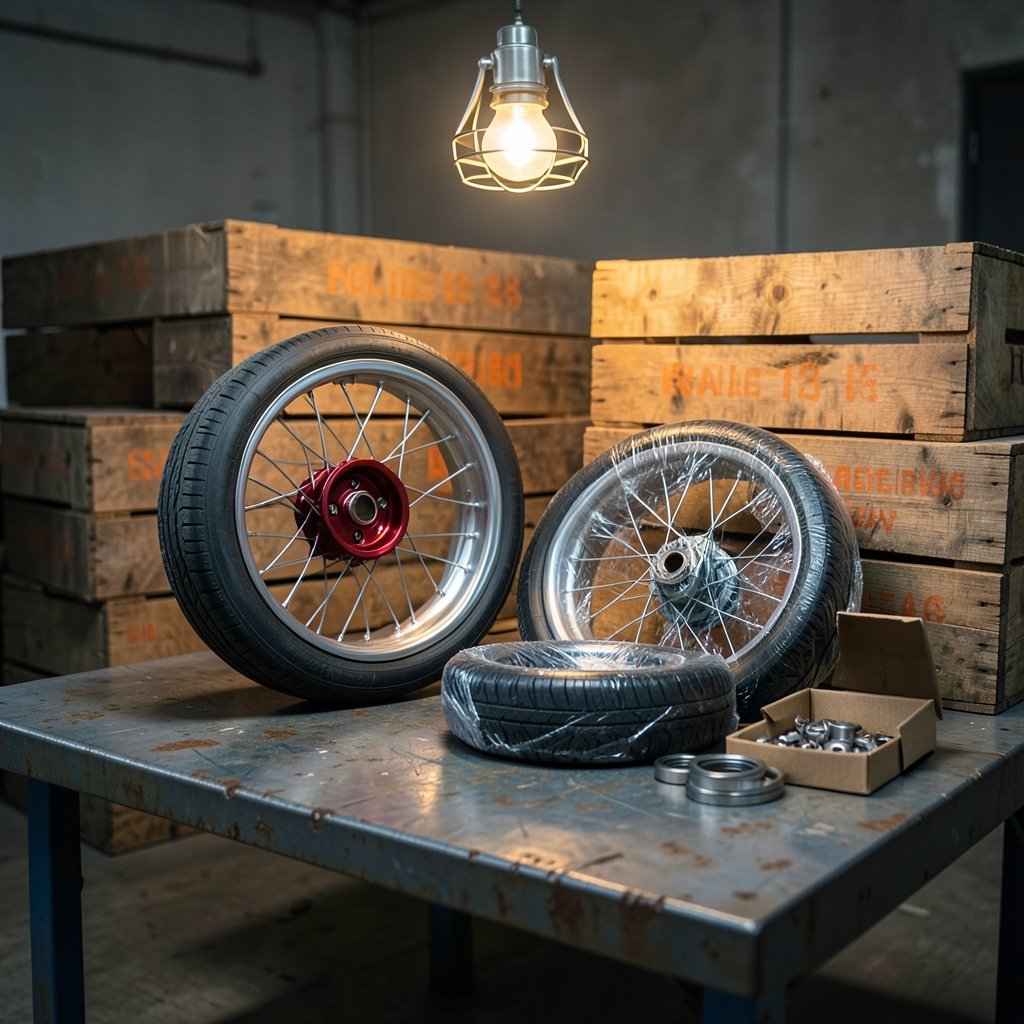
Quick Answer: Which budget racing wheels are worth buying?
Budget racing wheels are worth buying when they come with quality hubs, sensible spoke counts, and correct compatibility with your bike, not when they simply claim to be “light” or “aero.” The smart move is to shop clearance and lightly used wheelsets from brands that sell spare hubs and rims, then spend the savings on good tires and tubes. Tires usually deliver a bigger real-world gain than a cheap wheelset, and a modest alloy upgrade can still transform how a bike feels. Before buying, compare hub type and sealing, spoke count and build quality, brake compatibility, freehub standard, tubeless readiness, rim material, and spare-part availability.
Aerodynamic claims deserve extra caution at budget prices. Below roughly 25 to 30 km/h, wheel aerodynamics matter far less than tires, body position, and bike fit, so a “racing” label on a cheap wheelset rarely translates into free speed. Weight savings help acceleration modestly, because rotating mass costs roughly twice the energy of static mass when you speed up, but the penalty at steady cruising speed is small. That is why a careful buyer treats budget wheels as a durability and fit upgrade first, and a performance upgrade second.
The places to act on this are straightforward: clearance racks at reputable shops, lightly used wheels from local riders, and house-brand wheelsets backed by real warranty support. Each route has trade-offs. Clearance wheels are new but often non-returnable, used wheels can be bargains or money pits depending on bearing condition, and house brands vary wildly in hub quality.
The key factors to check before spending money are hub type and sealing, spoke count and tension, rim versus disc brake compatibility, freehub standard, tubeless readiness, rim material and wear, warranty length, and whether replacement rims and bearings exist. Get those right and a budget wheelset can serve for years.
Why budget wheels are a trickier purchase than they look
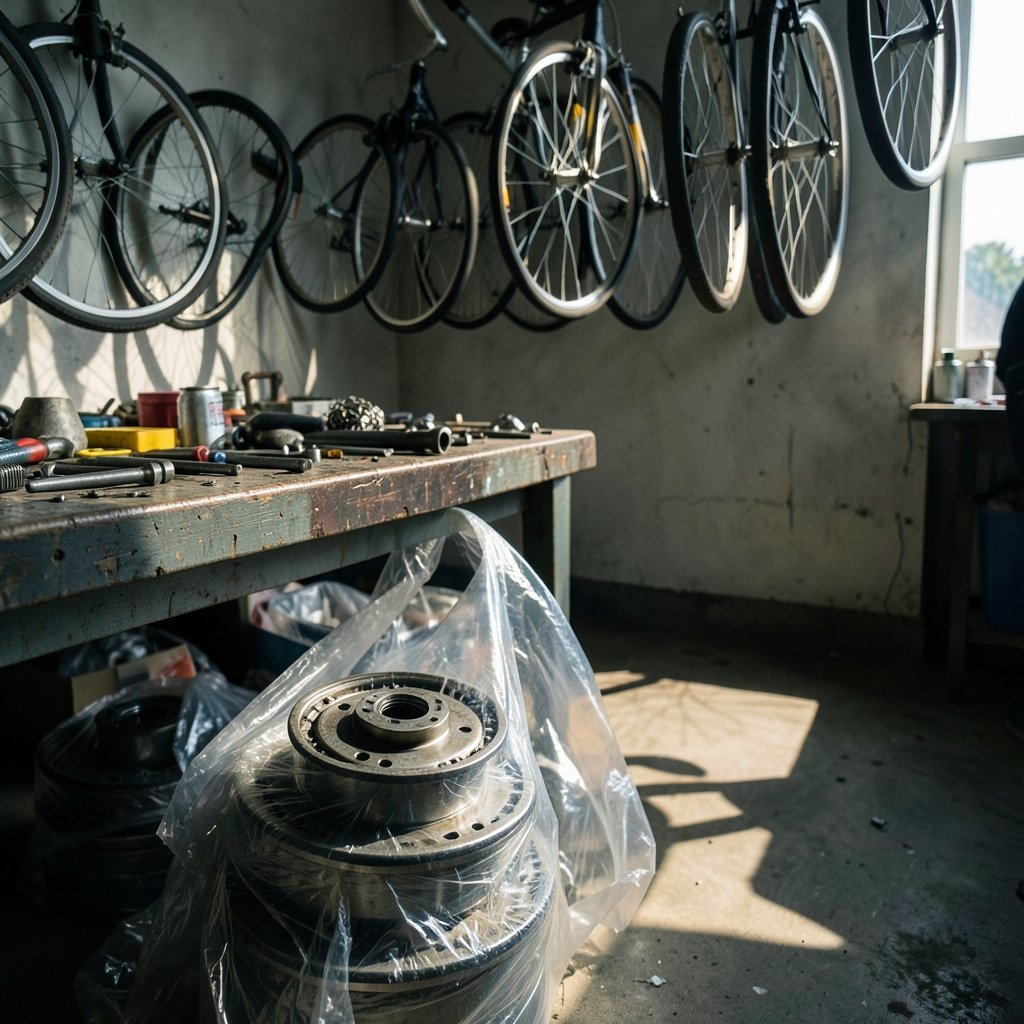
Walk into any bike shop and the wheel wall tells a story. The expensive stuff sits at eye level, gleaming and hand-built. The budget sets sit lower down, often in plastic wrap, with stickers shouting about grams and aerodynamic profiles. Some of those cheap wheels are genuinely good. Others are heavy rims laced to hubs that will grind themselves to dust within a season.
The gap comes down to where manufacturers cut costs. Rims are relatively easy to make cheaply, so budget wheels often have decent rims. Hubs are where the money disappears. Cheap wheels frequently use cup-and-cone bearings or low-grade sealed bearings with poor sealing, which shortens service life and makes rebuilds a chore. A wheel with a great rim and a bad hub is a wheel you will replace, not repair.
There is also a marketing problem. The word “racing” gets attached to almost anything with a low spoke count and a decal. Real racing wheels are designed around a specific rider, speed, and terrain. Budget wheels labeled that way are usually all-rounders with optimistic graphics. That is fine, as long as buyers judge them on the right criteria.
The physics that should shape your decision
Two forces dominate wheel performance: acceleration and aerodynamic drag. Understanding both keeps you from overpaying for the wrong thing.
Rotating mass costs roughly twice the energy of static mass during acceleration. That sounds dramatic until you do the math on real rides. Most riders accelerate in short bursts, and the difference between a 1,700-gram wheelset and a 1,900-gram one is small in practice. If you climb steep hills constantly, weight matters more. If you ride rolling roads at a steady pace, it barely registers.
Aerodynamic drag is the bigger force, but it only becomes dominant above roughly 25 to 30 km/h. Below that threshold, tires, rider position, and fit matter far more than rim depth. This is why a deep-section budget wheel often feels slower than a shallow one with fast tires. The exact crossover speed varies by rider and setup, so treat any single number as a rough guide.
The practical conclusion is uncomfortable for wheel marketers: for most riders, a budget wheelset is not a speed upgrade. It is a reliability, fit, and feel upgrade. That reframing saves money and disappointment.
What actually separates a good budget wheel from a bad one
Hubs and bearings
Hubs are the heart of the wheel and the first place budget builds fail. Look for sealed cartridge bearings from a recognizable maker, good external sealing, and a design that allows bearing replacement without special tools. Cup-and-cone hubs can be excellent when maintained, but they demand more attention and are less forgiving of neglect.
Spoke count and build quality
Spoke count and build quality affect durability more than brand name. A 24 to 28-spoke wheel with even, adequate tension usually outlasts a lighter 20-spoke budget build, especially for heavier riders. Hand-tensioned wheels from a good builder beat machine-built wheels with uneven tension almost every time.
Brake compatibility
Rim brake versus disc brake compatibility is a hard constraint, not a preference. Budget wheels are often sold in one standard only, so check your frame and brake type before buying. There is no adapter that turns a rim-brake wheel into a disc-brake wheel.
Freehub standards
Freehub standards vary: Shimano HG, Micro Spline, and SRAM XD/XDR are the common ones. Buying the wrong freehub body can make a cheap wheel unusable with your cassette. Confirm the standard before checkout, and check whether the freehub body can be swapped later.
Tubeless readiness
Tubeless-ready rims are now common at budget prices, but tape and valves are often extra. Budget “tubeless-ready” wheels may need re-taping and a proper valve to seal reliably. Factor that into the price, and be prepared to do the job carefully.
Rim material and wear
Alloy rims are the sensible budget choice. They are durable, brake well with rim brakes, and cost less. Carbon at budget prices is a gamble on quality control. If you buy used rim-brake wheels, inspect the brake tracks for concave wear, which can render a rim unsafe.
Alloy versus budget carbon: an honest comparison
| Factor | Budget alloy wheels | Budget carbon wheels |
|---|---|---|
| Weight | Competitive at low prices | Often not much lighter than good alloy |
| Durability | Forgiving, repairable | Can crack; harder to inspect |
| Braking (rim) | Predictable wet or dry | Poor wet braking on rim versions |
| Aero benefit | Modest | Claimed, rarely verified at this price |
| Cost of repair | Low | High or impossible |
| Best for | Everyday riders, training, commuters | Buyers who accept risk for looks |
The table points one way for most buyers. Budget alloy wins on value, serviceability, and peace of mind. Budget carbon can make sense if the price is genuinely low and the buyer accepts that a damaged rim may be scrap.
New, clearance, or second-hand?
Second-hand and clearance wheels can outperform new budget wheels if you can inspect bearings, rim wear, and trueness. That is the whole game. A used wheelset from a careful owner often has better hubs than anything new at the same price.
Clearance wheels are new but frequently non-returnable and may be several seasons old. Check the freehub standard and brake type carefully, because returns may be impossible. Second-hand wheels need a hands-on inspection: spin the hubs, feel for grinding, check lateral trueness, look at the brake tracks, and confirm the freehub turns smoothly.
If you cannot inspect in person, buy from sellers who accept returns. A bargain you cannot return is a gamble, not a deal. This same discipline applies across hobby purchases, whether you are weighing a Steam Deck worth buying for beginners or deciding if a tablet is worth buying for everyday use. The pattern holds: verify condition and support before you commit.
Where the money is better spent first
Tires and tubes usually beat wheels as a first upgrade. Rolling resistance and puncture protection change ride quality more per dollar than a budget wheelset. A fast tire with a supple casing and correct pressure will do more for speed and comfort than swapping wheels.
The order that works in practice looks like this:
- Fit and position. A proper bike fit changes comfort and speed more than any component.
- Tires and tubes, or a tubeless conversion with quality sealant.
- Contact points: saddle, bars, and pedals.
- Wheels, once the rest is sorted.
Riders who follow this order often find they do not need new wheels at all. Those who still want them buy with clearer priorities.
Common mistakes buyers make
The most common mistake is buying on weight alone. A wheelset that saves 200 grams but has poor hubs will cost more in maintenance than it saves in effort. The second mistake is ignoring brake and freehub compatibility until after delivery, which turns a bargain into a return or a shelf ornament. The third is trusting aerodynamic claims without evidence. Budget-wheel durability claims are hard to verify without independent teardown testing, so skepticism is healthy.
Another frequent error is skipping the tension check. New budget wheels sometimes arrive with uneven spoke tension, which leads to early truing problems. A quick check by a shop, or a modest fee for a tension and truing service, protects the investment. Finally, buyers forget spare-part availability. At budget prices, warranty and spare-part availability are often the real differentiator, since hubs and rims may be hard to replace years later.
How to judge value before you pay
Value in budget wheels is a ratio of service life to price, not price alone. A slightly more expensive wheelset with serviceable hubs, available bearings, and a two-year warranty usually beats a cheaper set that cannot be repaired. Ask three questions before buying: can I get replacement bearings, can I get a replacement rim, and will the seller support me if something fails?
The same logic appears in plenty of everyday gear decisions. People weighing a webcam worth buying for beginners soon learn that support and driver updates matter as much as sensor specs. Buyers comparing Bluetooth headphones for practical everyday use discover the same thing about battery replacement and warranty. Wheels are no different, just with more spokes.
A realistic buying checklist
Before paying, run through this list:
- Confirm brake type and axle standard match your frame.
- Confirm the freehub standard matches your cassette.
- Check spoke count and ask about tension.
- Inspect or ask about bearing type and sealing.
- Confirm tubeless tape and valves are included or budget for them.
- Check warranty length and spare-part availability.
- For used wheels, inspect trueness, brake tracks, and hub play.
If a seller cannot answer these questions, that is information too. A confident seller with documentation is worth a small premium over a mystery bargain.
Conclusion
Budget racing wheels are worth buying when the fundamentals are right: solid hubs, sensible spoke counts, correct compatibility, and real support after the sale. They are not worth buying when the appeal rests on weight claims, aero stickers, or a low price that hides unserviceable parts. Most riders get more speed and comfort from tires, fit, and position than from any budget wheelset, so treat wheels as a durability and feel upgrade and judge them on how long they will serve. Clearance and second-hand wheels can be excellent value, provided you inspect carefully and confirm standards before money changes hands. Do that, and a modest wheelset can quietly improve every ride for years.
FAQ
Are cheap carbon wheels ever worth the risk?
Sometimes, but only with clear-eyed expectations. At budget prices, carbon rims often save little weight over good alloy and can be harder to inspect for damage. If the price is genuinely low and the seller offers returns, the risk may be acceptable for looks and feel. For riders who prioritize durability and repairability, alloy remains the safer choice.
How many spokes should budget wheels have?
For most riders, 24 to 28 spokes with even tension is the sweet spot. Lower counts save a little weight and can look racy, but they demand better build quality to stay true. Heavier riders and anyone riding rough roads should lean toward the higher end of that range.
Do budget wheels actually make you faster?
Rarely on their own. Rotating mass matters during acceleration, but the effect is modest in real riding. Aerodynamics become dominant only above roughly 25 to 30 km/h, and at that speed rider position and tires still matter more. A budget wheelset is better judged on reliability and ride feel than on speed claims.
Is it safe to buy used wheels?
Yes, with inspection. Spin the hubs and feel for grinding, check lateral trueness, examine brake tracks for wear, and confirm the freehub turns smoothly. Buy from sellers who allow returns if you cannot inspect in person. A used wheelset from a careful owner often has better hubs than a new budget set at the same price.
What should I upgrade before wheels?
Fit and position come first, then tires and tubes. Rolling resistance and puncture protection change ride quality more per dollar than a budget wheelset. Contact points such as saddle, bars, and pedals also deliver noticeable gains. Once those are sorted, wheels become a sensible next step rather than a hopeful shortcut.
How do I know if a budget wheelset is tubeless-ready?
Check the rim bed for a sealed profile and ask whether tape and valves are included. Many budget wheels are tubeless-ready but ship without either, and some need re-taping to seal reliably. Budget for tape and a proper valve, and test the setup before relying on it for a long ride.



