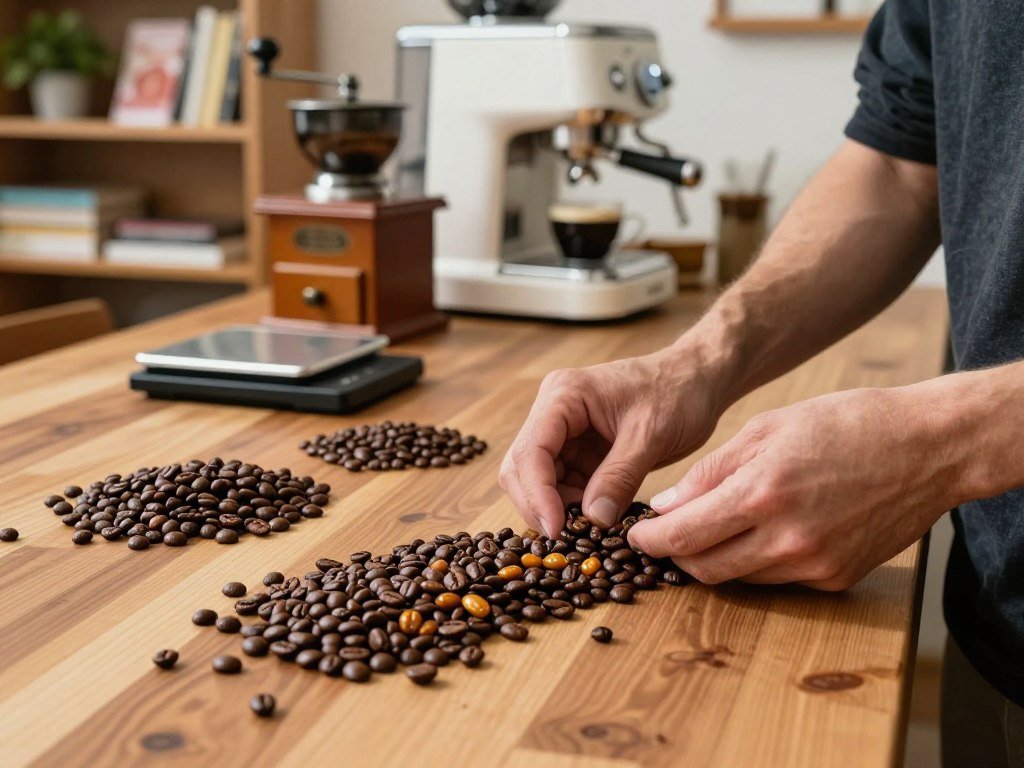
For most home brewers, a fresh medium or medium-dark blend is the easiest place to start, especially if you make milk drinks. The best espresso beans for home brewing depend on the flavor you like and the drinks you make. A familiar, balanced profile gives many beginners a steady starting point. Brighter coffees suit you better if you enjoy more acidity and fruit.
Espresso beans can taste very different from one bag to the next, even when the roast level matches. Your usual drink matters: a bold coffee can stand up to milk, while a delicate one may shine in a straight shot. A good choice also needs to work with your machine and your comfort with adjusting the grind. Choose by the drinks you actually make, then match the flavor and roast to your machine.
This roundup gives you practical options for straight shots, milk drinks, and automatic machines. You will also find tips on freshness, buying a sensible bag size, and getting better value. Crema is the foamy layer that forms on top of a freshly pulled espresso shot. It can look lovely, but good flavor matters more.
Key Takeaways
- Start with a fresh, balanced medium or medium-dark blend.
- Pick brighter coffees when you want fruit and more acidity.
- Choose dry-surfaced beans for many automatic espresso machines.
- Rest freshly roasted beans before brewing, then grind near brew time.
- Buy only what you can use while the flavor stays lively.
What Are the Best Espresso Beans for Home Brewing?
You do not need a special species or a bag labeled “espresso,” because espresso describes how coffee is brewed. Any good coffee can make espresso when you brew it with the right equipment and preparation. A commonly used definition includes about 9 bars of pressure and water around 92°C. The word “espresso” describes a brewing method, not a separate kind of coffee bean.
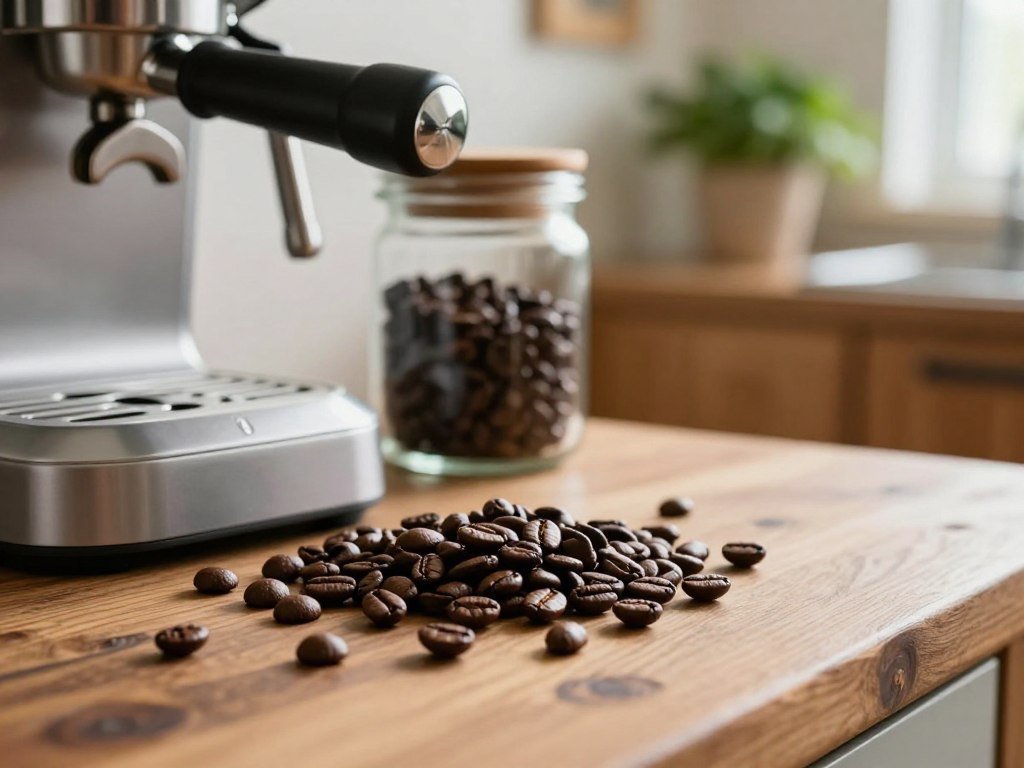
Roasters use “espresso” on a bag to signal a coffee or roast profile they expect to work well under pressure. That label can help you guess its flavor and intended preparation, but it does not limit what your machine can brew. Some roasters use it for a blend, while others use it for a single origin.
A shot is simply coffee made with the espresso method. Crema is the foamy layer on top of a fresh shot, though its presence alone does not tell you how balanced the coffee tastes. You can use whole bean coffee from almost any roast or origin, then adjust your preparation to suit it. Treat the label as a flavor and preparation cue, not a rule about which beans your machine can use.
Which Roast and Blend Fit Your Taste?
If you want a dependable daily shot, start with a medium or medium-dark blend; choose lighter or darker profiles when their flavor trade-offs appeal to you. Medium-dark blends are generally easier for beginners to dial in than light-roast single origins. Blends tend to be more forgiving and often lean toward chocolate, caramel, nuts, and brown sugar.
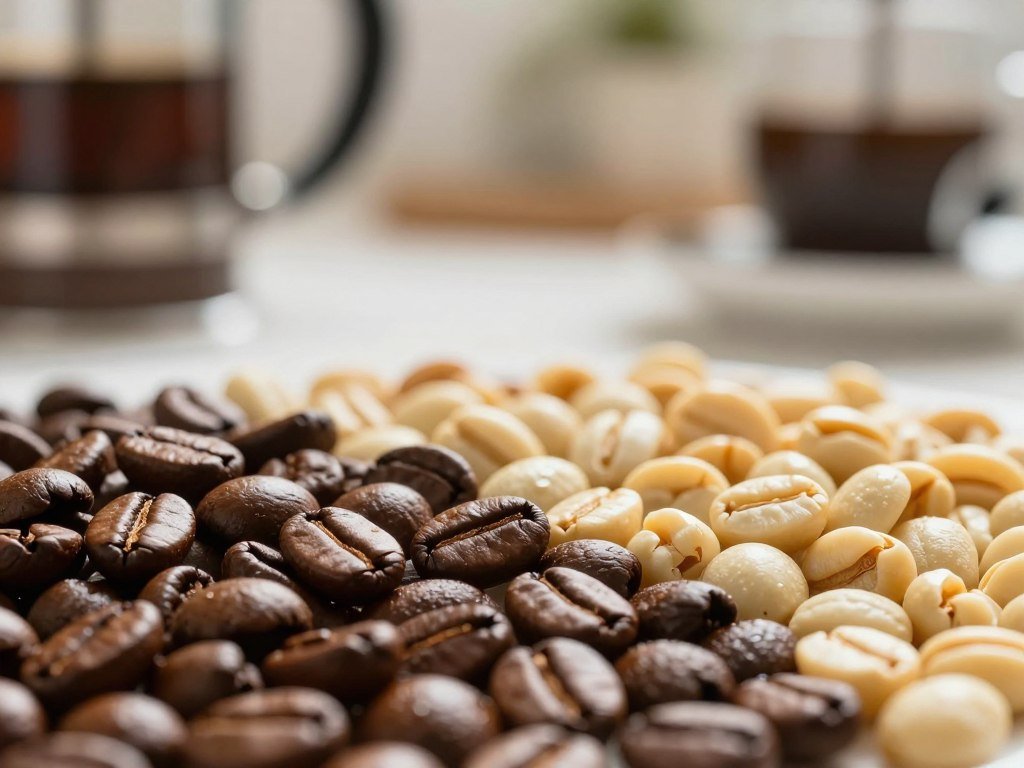
In one group of 72 espresso coffees, 43 were medium roast, 21 percent were dark roast, and 19 percent were light roast. That spread shows how common a middle roast is, but it does not mean it will suit every cup. Your roast level changes the balance of sweetness, acidity, body, and bitterness.
Light Roasts for Bright, Fruity Shots
A light roast can bring lively acidity and clear fruit or floral notes. It may suit you if you want a shot with a crisp, vivid taste instead of a heavier body. The trade-off is less room for error: a light single origin may need more careful dialing in to avoid a sour or thin shot.
Medium Roasts for a Balanced Daily Shot
A medium roast often gives you a useful mix of sweetness, body, and acidity. Its flavor can range from fruit and chocolate to nuts and caramel, depending on the blend or single origin. If you are new to espresso, a medium or medium-dark blend is often a calmer first choice than a bright single origin.
Dark Roasts for Fuller Body and Milk Drinks
A dark roast usually has fuller body and lower perceived acidity. Its flavors may lean toward cocoa, toasted nuts, or caramel, with more roast character. Some dark roasts can taste bitter or smoky, so choose by flavor rather than assuming darker always means stronger.
| Coffee type | What it means | Typical flavor direction | Best fit |
|---|---|---|---|
| Blend | Two or more coffees combined | Chocolate, caramel, nuts | Forgiving daily shots |
| Single origin | Coffee from one farm or region | Distinct fruit or floral notes | Exploring unique character |
| Espresso-labeled coffee | Roaster’s suggested profile | Varies by coffee | A flavor and preparation clue |
Single origins can show distinctive character, while blends often offer a steadier daily cup. The label “espresso” tells you what the roaster had in mind, not what you must brew. Let your preferred flavor lead, then use the machine and your willingness to adjust as the tie-breakers.
Which Beans Work Best in an Automatic Espresso Machine?
For a typical automatic espresso machine, choose a dry-surfaced medium or medium-dark coffee with balanced, familiar flavors. Chocolate, nut, and caramel notes tend to extract more reliably than high-acid profiles in these machines. Avoid beans with a visible oily sheen, which can leave residue inside the machine.
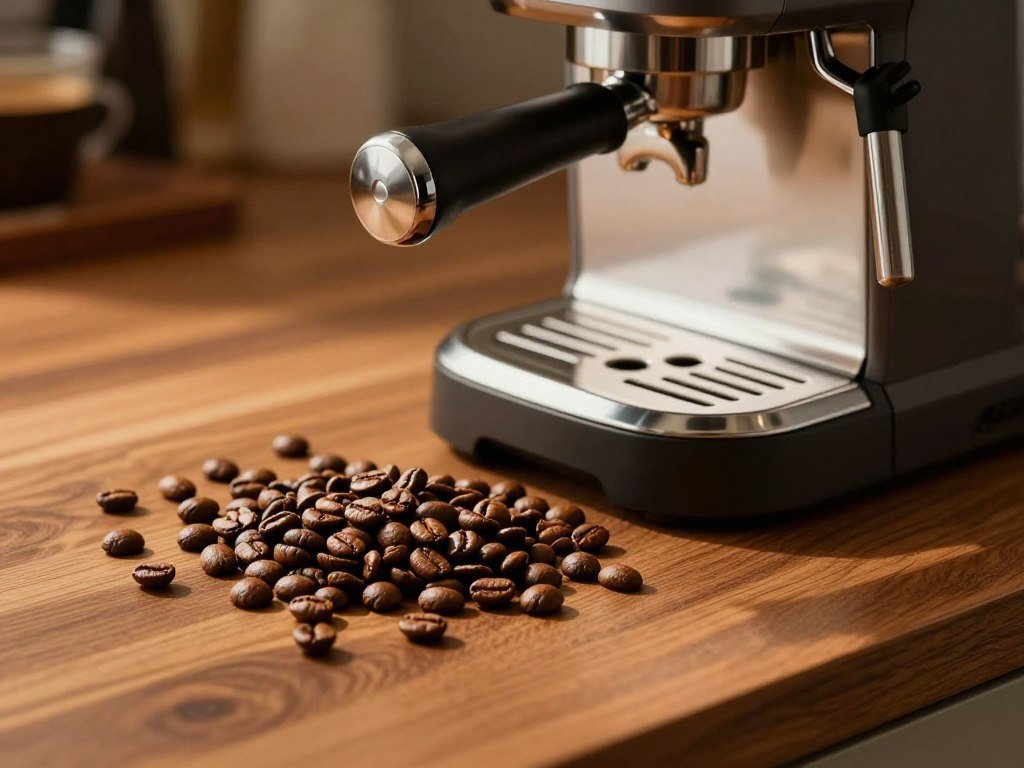
Many automatic machines offer a narrow grind range and limited control over extraction. Beans that tolerate small grind changes are easier to use in that setup. A light roast can taste sour, thin, or unbalanced when the machine has a fixed brew temperature and little room to adjust.
A preference for dark coffee does not make an especially oily dark roast a good machine choice. Oil can coat burrs, clog chutes, and leave residue in the brew group. Use this short checklist when choosing a bag:
- Avoid a visible oily sheen on the beans.
- Favor balanced flavors over high acidity.
- Consider the machine’s narrow grind-adjustment range.
- Clean away residue if you have used oily beans.
Some dark coffees have a dry surface and may work well, so judge the beans themselves rather than the roast name alone. A clean grinder path helps you assess the next bag without old residue affecting the result. If the beans leave an oily film, clean the grinder path and brew group before judging the next shot.
How Fresh Should Espresso Beans Be?
Check the roast date first, then give freshly roasted espresso beans roughly 5-14 days to rest before brewing. Freshly roasted coffee releases gas, and beans that are very fresh can behave differently in the portafilter. Resting them for about 5-14 days after roasting gives you a useful starting window.
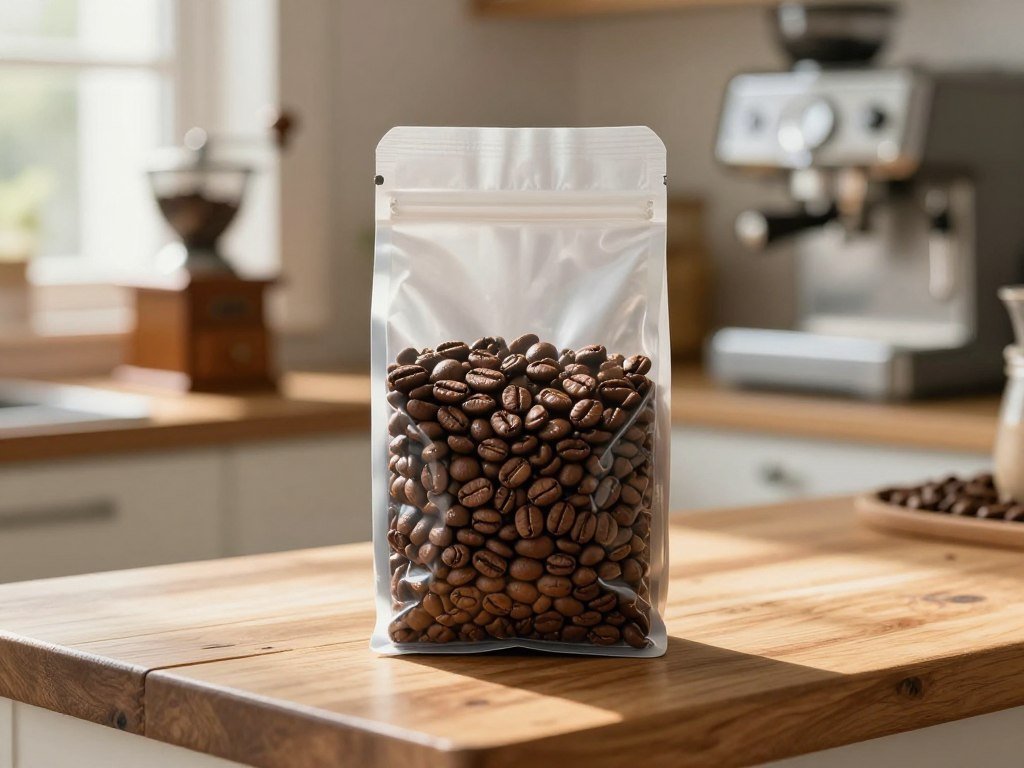
Very fresh beans can release enough gas to affect how water moves through the coffee. That can make a shot less predictable, even when your dose and grind stay the same. The right timing can vary by coffee, so taste the shot and watch how it flows.
Choose whole bean coffee when you can, then grind close to brew time. Once ground, coffee has more surface exposed to air, so its flavor can fade faster. Keep the bag sealed at room temperature and away from light between uses.
A roast date gives you a clearer freshness clue than a “best by” date alone. It also helps you compare two bags from the same shelf without guessing when they were roasted. A 5-14-day resting window is a practical guide, not a promise that every coffee will peak on the same day. Keep the bag sealed between uses so the beans are not left exposed to air and light.
Which Tested Picks Stand Out?
Among these tested choices, Kicking Horse suits an organic dark-roast preference, Onyx is the splurge choice, and La Colombe fits a fuller-bodied dark-roast style. Each bag fits a different preference, rather than one coffee winning for every home setup. The listed prices are test prices, not a guarantee of a current selling price.

For an organic dark roast, Kicking Horse Coffee 454 Horse Power is the clearest match among these picks. It is certified organic and had a reported test price of $1.47 per ounce. Its dark roast character makes it a direct option if you like a bolder cup.
| Product | Distinction | Flavor or shot character | Reported test price per ounce |
|---|---|---|---|
| Kicking Horse Coffee 454 Horse Power | Best organic pick | Certified organic, dark roast | $1.47 |
| Onyx Coffee Lab Monarch | Best splurge pick | Complex, with berries and cocoa | Over $2 |
| La Colombe Bleu | Best dark-roast pick | Rich crema, full-bodied, chocolatey | About $1.50 |
Onyx Coffee Lab Monarch is the best espresso beans in the world match among these picks if you want a complex splurge, with berry and cocoa notes. It cost over $2 per ounce in testing. La Colombe Bleu is the best espresso coffee in the world match here for a full-bodied dark roast, with rich crema and a chocolatey taste.
These names answer different needs, so your preferred flavor matters more than a single ranking. A bag’s test price can also differ from what you pay today. Compare the bag’s current price and roast date before deciding which tested pick offers the best value for you.
Which Specialty-Roaster Profiles Are Worth Trying?
Specialty-roaster bags range from dark chocolate and cocoa to bright berries, florals, and citrus. Tasting notes can help you narrow the field before you choose a roast or origin. Use them as clues about flavor, not as a promise that every cup will taste identical.
The Specialty Coffee Association and World Coffee Research’s Coffee Taster’s Flavor Wheel moves from broad groups to more specific terms, such as fruit, citrus, and lemon. That shared vocabulary can help you compare notes across roasters. These five coffees show how much variety you can find:
| Coffee | Roast or blend type | Listed flavor notes |
|---|---|---|
| Bean Box Bearded Lady | Dark roast | Cherry, vanilla, cocoa powder |
| Broadcast Coffee Roasters Breaker One 9 | Medium roast | Stone fruit, chocolate, jasmine |
| Caffe Lusso Gran Miscela Carmo | Medium blend | Milk chocolate, caramel, praline |
| Kuma Coffee Bright Blend | Light roast | Berry, floral, citrus |
| Boon Boona Jebena Blend | Medium-dark Ethiopian-Tanzanian blend | Caramel, nutmeg, bittersweet chocolate |
Ceremony Coffee Roasters’ Thesis is a Colombian-Brazilian blend with sweet, chocolate, and brown-sugar notes. Ruby Coffee Roasters’ Creamery Blend is a medium roast with cherry, fig, and almond notes. Herkimer Coffee Espresso Blend is a medium roast with a complex, full-bodied profile.
Intelligentsia Black Cat Espresso is a medium roast with dark-chocolate and stone-fruit notes. Blue Bottle Espresso is a dark roast with chocolate and brown-sugar notes. Each tasting note points toward a possible impression, not an added flavoring. Use the tasting notes as a preference guide, then judge the brewed shot rather than the name on the bag.
What Are the Best Espresso Beans for Lattes and Milk Drinks?
For a latte, start with Stamp Act’s Milk Money or another balanced coffee with chocolate, caramel, or nut notes. Medium to darker profiles are reliable starting points because their flavors can remain clear alongside milk. Stamp Act Milk Money is the clearest milk-drink match among these choices.
Milk Money has caramel, black cherry, and chocolate notes. Those flavors give you a useful mix of sweetness and depth in a latte. Lavazza Super Crema is a medium-roast Arabica-Robusta blend with brown-sugar and hazelnut notes, another option if you like a softer profile.
Caffe Lusso’s Gran Miscela Carmo is a medium blend with milk-chocolate, caramel, and praline notes. Onyx Coffee Lab Monarch is a medium-dark roast with dark-chocolate and molasses notes. Both can suit milk drinks, though their listed flavors point to different levels of sweetness and depth.
A lighter or more delicate flavor can become less clear once you add milk. Choose that style when you want a subtler drink, rather than a strong coffee taste in every sip. These are three common drinks to match with your coffee:
- Latte
- Cappuccino
- Mocha
Start with the drink you make most, since a small cappuccino and a larger latte do not taste the same. A richer profile may also suit a mocha, where chocolate adds another strong flavor. If the coffee flavor disappears under the milk, try a bolder profile before changing several recipe variables.
Which Beans Suit Straight Espresso and Americanos?
If you drink espresso straight, choose a shot profile you enjoy without milk, from bright fruit to balanced chocolate and dried fruit. Brighter coffees can make fruit, floral, and citrus notes easier to notice. For an Americano, medium roasts with enough body and a flavor you enjoy are practical choices.
Straight Shots for Clearer Flavor
Kuma Coffee’s Bright Blend is a light roast with berry, floral, and citrus notes. It suits you if you want a vivid, fruit-led shot. Verve Coffee Roasters’ Swara AB is a light-roast Kenyan single origin with tropical-fruit and honey notes, offering another bright direction.
For a more balanced middle ground, try Stumptown Hair Bender. This medium roast has lemon, chocolate, and dried-fruit notes, so it brings brightness without relying on a light roast alone. A single origin may give you a more distinct sense of its growing region, while a blend can combine several flavor directions.
Americanos That Keep Their Character
The best espresso beans for an Americano are medium roasts with enough body to stay recognizable after water is added. A common starting point is about 2 ounces of espresso with about 8 ounces of hot water. The water softens the shot’s intensity, so choose a coffee whose flavor you like before dilution.
You can pour the hot water over the shot or add the shot to the water. Either way, the same coffee can taste different as the water ratio changes. Start with the common measure, then adjust the added hot water to taste while keeping the espresso flavor easy to recognize.
What Is a Good Value or Organic Espresso Pick?
Lavazza Espresso is a practical overall choice for a familiar, smooth profile, while Gimme! Leftist Espresso is a certified fair-trade and organic option. Price alone does not predict taste, so compare a bag’s profile and freshness with what you like to drink. Lavazza Espresso had a reported test price of 71 cents per ounce.
Lavazza Espresso has a smooth, chocolaty flavor with fruity notes, and it can work straight or with milk. Taste of Home named it its best overall pick. That reported test price gives you a comparison point, not a promise about what a store charges now.
Gimme! Coffee’s Leftist Espresso is certified fair trade and organic, with cherry, toffee, and chocolate notes. USDA organic labeling requires verification by a USDA-accredited certifying agent and covers production and handling standards. The USDA organic standards do not rate a coffee’s taste.
The best espresso coffee brand for you is one that fits your taste, budget, and machine. Grocery-store coffee beans for espresso can be a reasonable choice when the roast date, whole-bean format, and flavor profile suit you. A store may not carry the same bag at all times.
For the best espresso beans in 2026, give more weight to freshness and drink fit than to the year printed in a search. Check these three points before buying:
- Check the roast date.
- Compare the price by weight.
- Look for a certification only when it matters to you.
Organic certification tells you about production standards, not whether you will like the cup. Compare like-sized bags by price per ounce, then choose the profile you will enjoy finishing.
How Do You Dial In a Shot at Home?
Start with 18 g of coffee and aim for 36 g in the cup in about 28 seconds, then adjust by taste. This baseline recipe gives you a repeatable place to begin, not a fixed rule for every coffee or machine. Change the grind in small steps when the flow or taste is off.
Brew ratio means the amount of ground coffee compared with the liquid espresso yield. This starting recipe uses 18 g of ground coffee for 36 g of espresso, a 1:2 ratio. Your coffee may taste better with a different yield or extraction time, so use flavor as your guide.
Espresso needs a fine, consistent grind. A burr grinder makes more even particles than a blade grinder, which can produce a mix of fine dust and large pieces. Choose a burr grinder that can make fine adjustments for espresso brewing.
If water runs through too quickly and the shot tastes weak or sour, grind finer. If the flow is very slow and the shot tastes harsh, grind coarser. Small changes make it easier to see how grind size affects the result.
Keep the dose steady while you test the grind, then weigh the liquid yield and note the time. That gives you a clear comparison from one shot to the next. Change one variable at a time and record the dose, yield, time, and grind setting that worked.
How Much Coffee Should You Buy at Once?
For most home brewers, a 250-500 g bag is a workable amount, with the smaller end making sense when you are testing a new coffee. Your daily shot count helps set the right size, along with how quickly your household uses an opened bag. A 340 g bag can last about two weeks if you make 2-3 shots each day.
A typical home purchase falls between 250 g and 500 g. A smaller bag gives you less time with one flavor, but it also lets you try something unfamiliar without committing to a large amount. The larger end may suit a household that makes several shots each day.
Think about how fast you use coffee after opening the bag. A 340 g bag can supply about two weeks of coffee for someone making 2-3 shots daily. If you brew less often, that same bag may sit around longer than you want.
Use these three checks before settling on a bag size:
- Estimate how many shots you make each day.
- Check the weight printed on the bag.
- Choose a smaller amount when trying an unfamiliar flavor.
A large bag is not automatically better value if the beans sit unused. A lower price per ounce matters less when part of the bag loses its lively flavor before you brew it. Buying an amount you can finish helps keep each shot closer to the taste you chose.
Households also differ in how often they make espresso and whether several people share the same coffee. If you make shots every day, a larger bag may fit your routine. If you brew only on weekends or switch between coffees, a smaller bag can help you finish it sooner.
Use your last bag as a guide: note how long it took to finish and whether the final shots still tasted good. That gives you a practical basis for choosing the next size, rather than relying on a bargain label. Before buying another bag, estimate how many shots you will make before its flavor starts to fade.
Conclusion
A fresh bag that suits your usual drink and your machine is a better first choice than chasing a label or an extravagant price. A balanced medium or medium-dark blend works as a reliable starting point for many home setups. Brighter coffees suit fruit-forward shots, while darker profiles can bring more body.
Your best choice comes down to flavor, freshness, and how you brew. One bag can help you learn what you enjoy before you try a more unusual origin or roast. Pick one suitable bag, note its roast date, and keep track of how the first shot tastes.
FAQ
Are the tasting notes printed on a coffee bag ingredients?
No, tasting notes such as berry, caramel, or chocolate describe flavors people may sense in the coffee, not added ingredients. Roasters use these words to help you picture a cup’s flavor. The Specialty Coffee Association’s flavor wheel groups common terms, from broad categories to specific notes. Your own taste, brew method, and recipe can shape which notes stand out.
Does thick crema guarantee that an espresso tastes good?
No, thick crema does not guarantee a good-tasting espresso. Crema is the foamy layer that forms on a freshly pulled shot, and it can make a drink look appealing. Still, a shot with plenty of foam can taste sour, bitter, or unbalanced. Judge the coffee by its flavor and balance, not by the crema alone.
Can decaf coffee be brewed as espresso?
Yes, you can brew decaf coffee as espresso. The same basic method works, though the roast, freshness, and grind still affect the shot. Start with the roaster’s suggested use if available, then adjust the grind and recipe by taste. Decaf can make a straight shot or a milk drink, so choose a flavor profile that suits your cup.
Can the same bag work for espresso and drip coffee?
Yes, the same coffee can work for espresso and drip brewing. The key difference is the grind and recipe, not a special type of bean. Espresso needs a fine grind and pressure, while drip coffee uses a coarser grind and a different brew process. You may need to adjust each recipe to bring out the flavor you like.
Do organic coffee beans automatically taste better?
No, organic certification does not mean coffee will taste better. In the United States, the USDA organic label covers production and handling standards, with verification by an accredited certifying agent. Taste depends on the coffee itself and how you brew it. Choose organic when those standards matter to you, then judge the cup by flavor.
Is an expensive single-origin coffee always better for espresso?
No, an expensive single-origin coffee is not always better for espresso. A less costly blend may give you the flavor and consistency you want for daily shots. Single origins can offer distinctive character, though they may take more care to dial in. Choose based on the cup you enjoy, not the price or origin label alone.