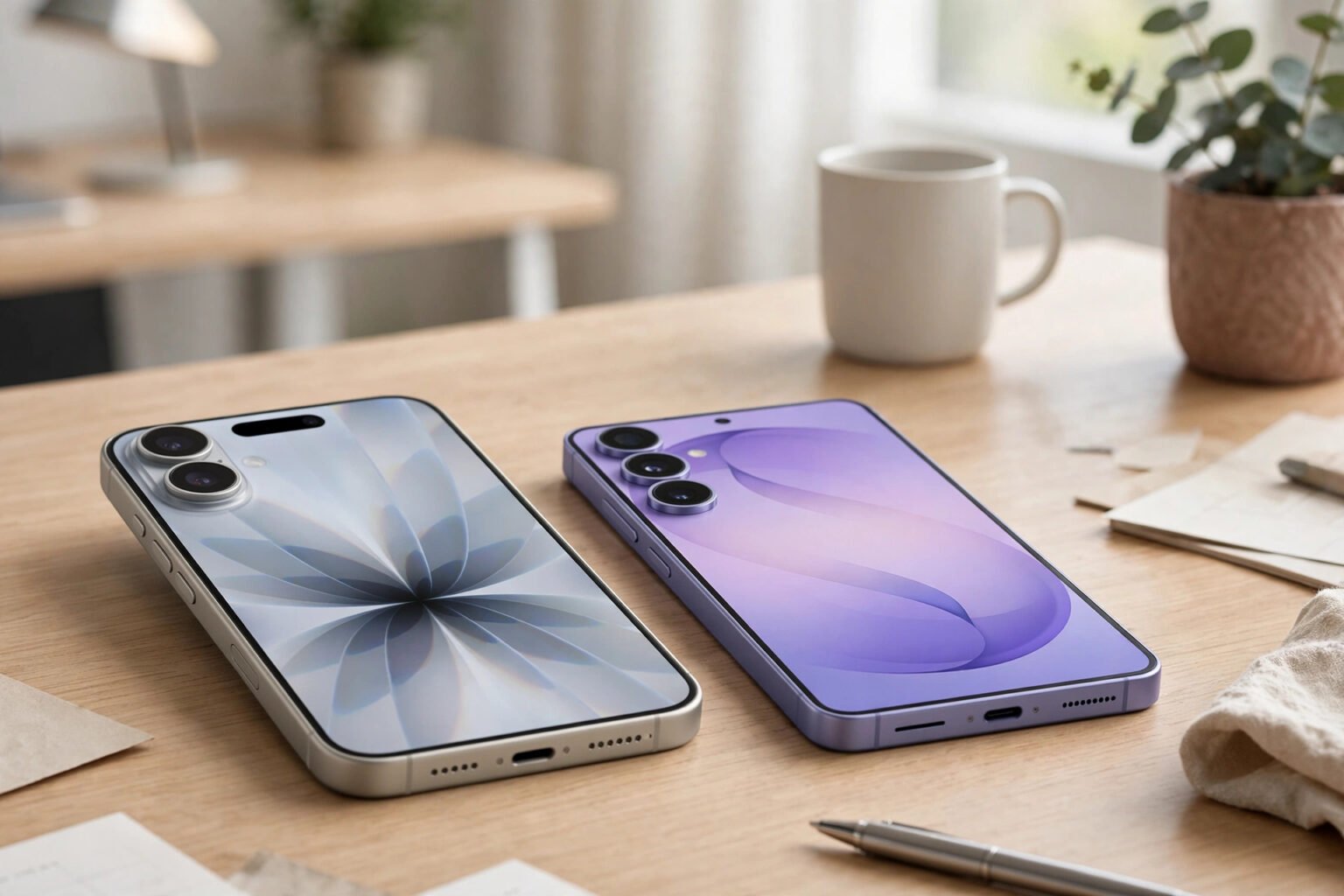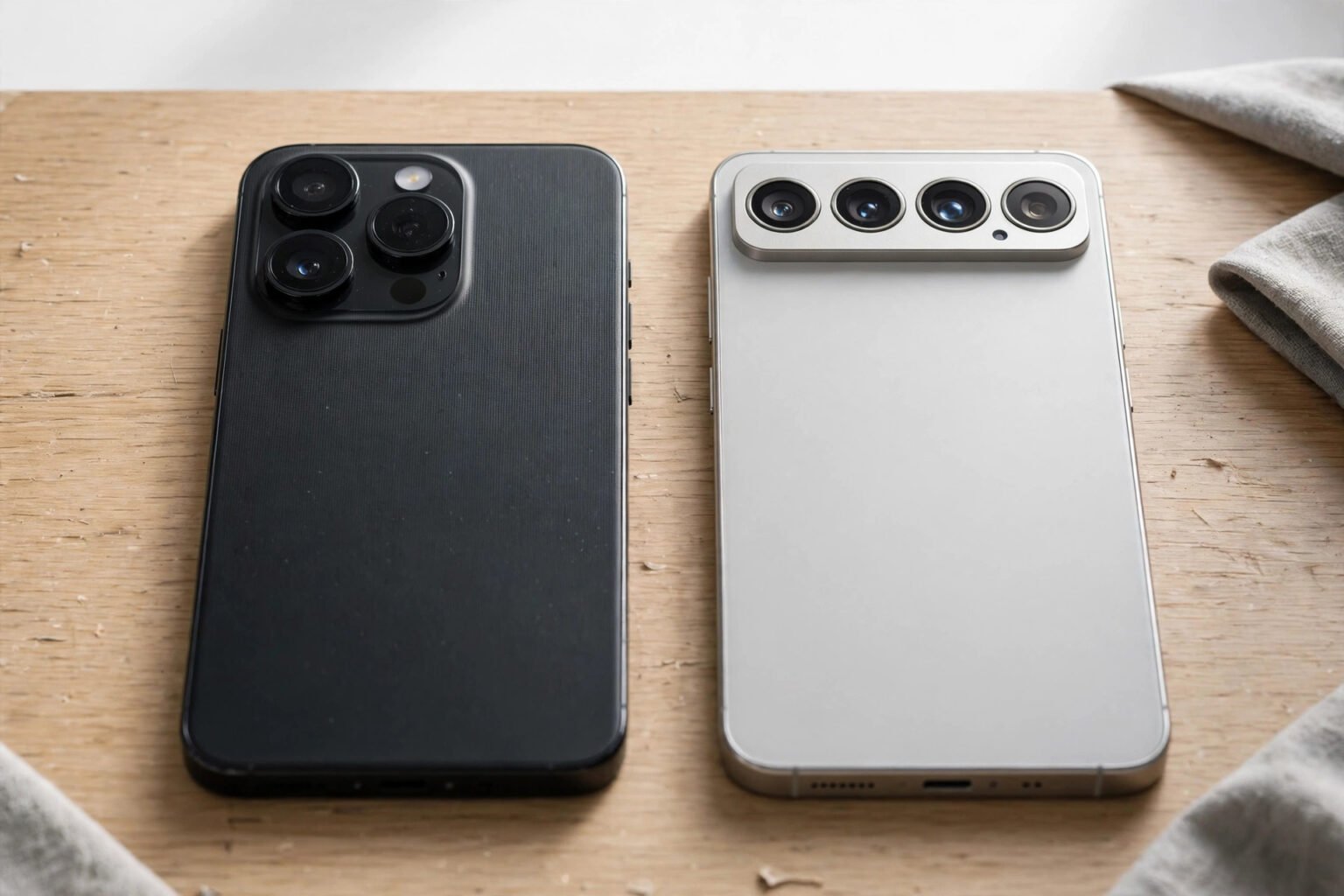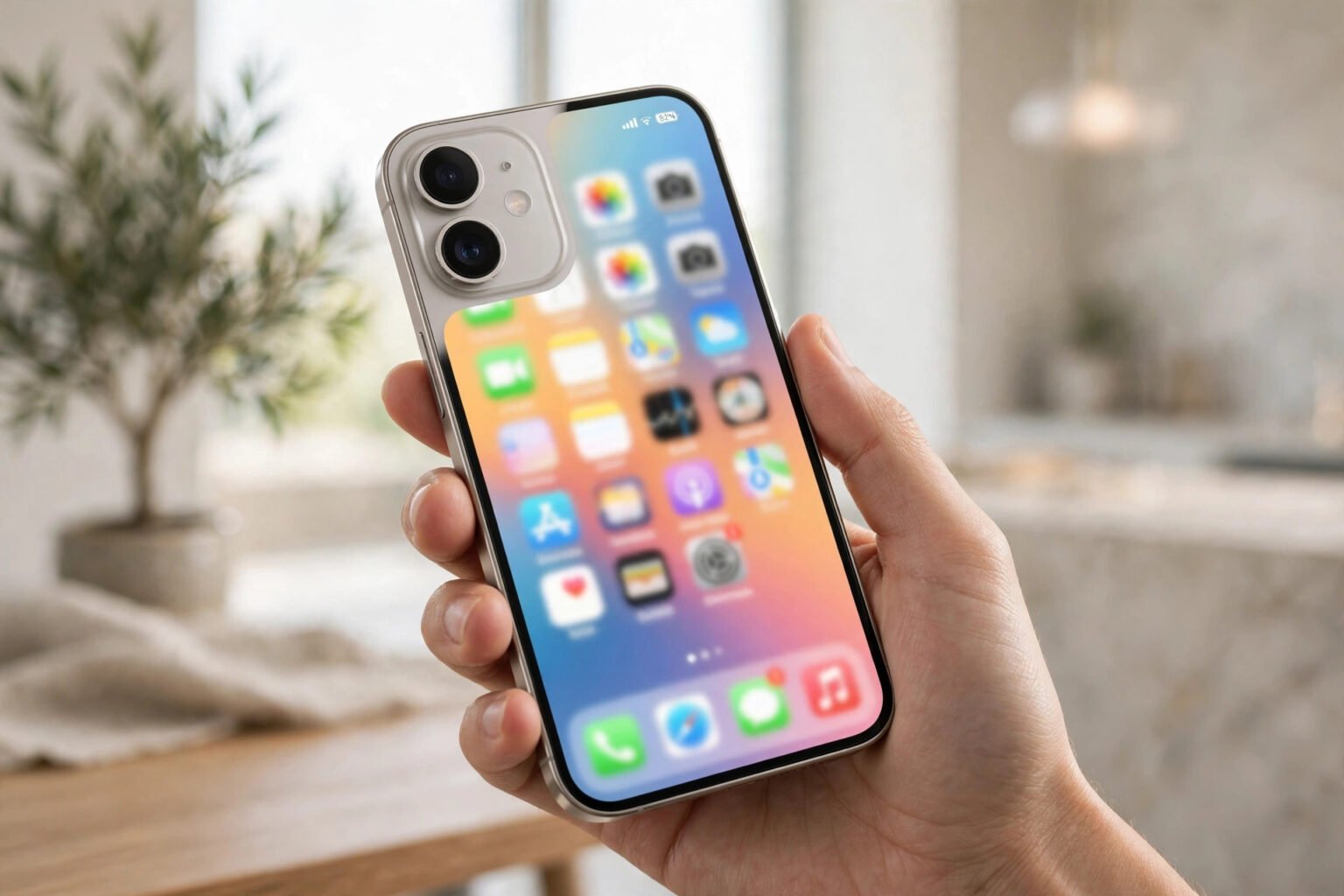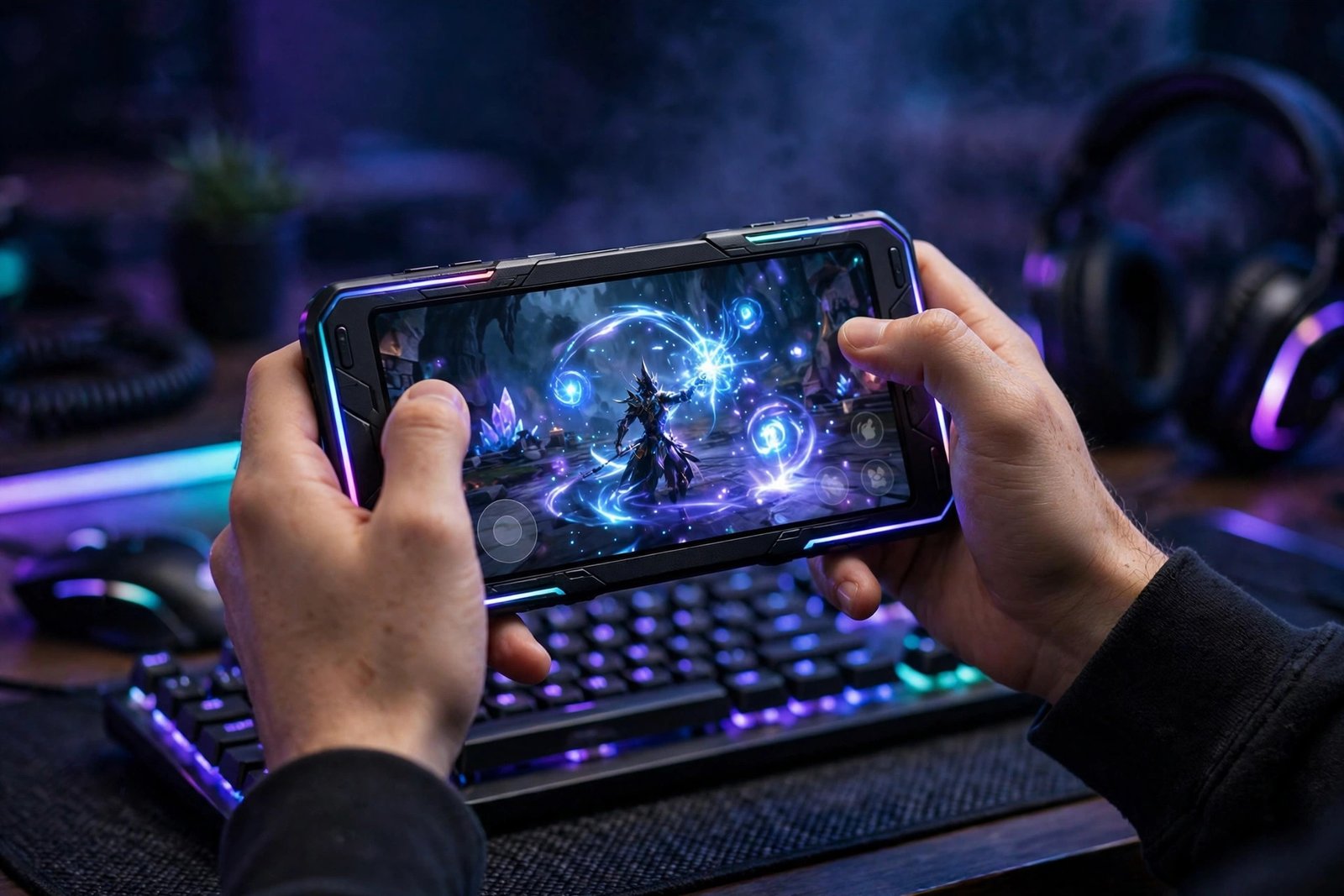
The best gaming phones 2027 are the ones that stay fast after half an hour of play, not the ones that only look fast in a benchmark. A phone earns its place here when it pairs a flagship chip with cooling that works, a display that responds instantly, and a battery that survives a long session without forcing you to plug in mid-match.
That is the short answer. The strongest choice for most serious players is a dedicated gaming phone such as the ASUS ROG Phone 9 Pro or the RedMagic 10 Pro, because both are built around sustained performance rather than short bursts. If you want one phone that games well and does everything else brilliantly, a flagship such as the Samsung Galaxy S26 Ultra or the iPhone 17 Pro Max is the safer buy.
Below, the leading options are ranked, with a short checklist to use before you buy. Prices vary by region and storage, so check the current figure first.
Key takeaways
- Sustained performance matters more than peak speed. A phone that throttles after ten minutes will lose to a cooler phone with a slightly slower chip.
- Cooling is the real dividing line. Dedicated gaming phones use large vapour chambers, internal fans or both; most flagships rely on passive cooling alone.
- A 120Hz display is the minimum for serious play. Touch sampling rate and brightness matter just as much as refresh rate.
- Fast charging and bypass charging, which powers the phone directly from the charger during play, are genuine advantages.
- Shoulder triggers are useful, not essential. Buy them for the games you actually play, not for the feature list.
What makes a gaming phone different?
A gaming phone is not simply a flagship with a louder design. It is a phone whose hardware and software are tuned for long, demanding sessions. The chip is the same class of silicon you find in a premium flagship, but the cooling around it is far more serious.
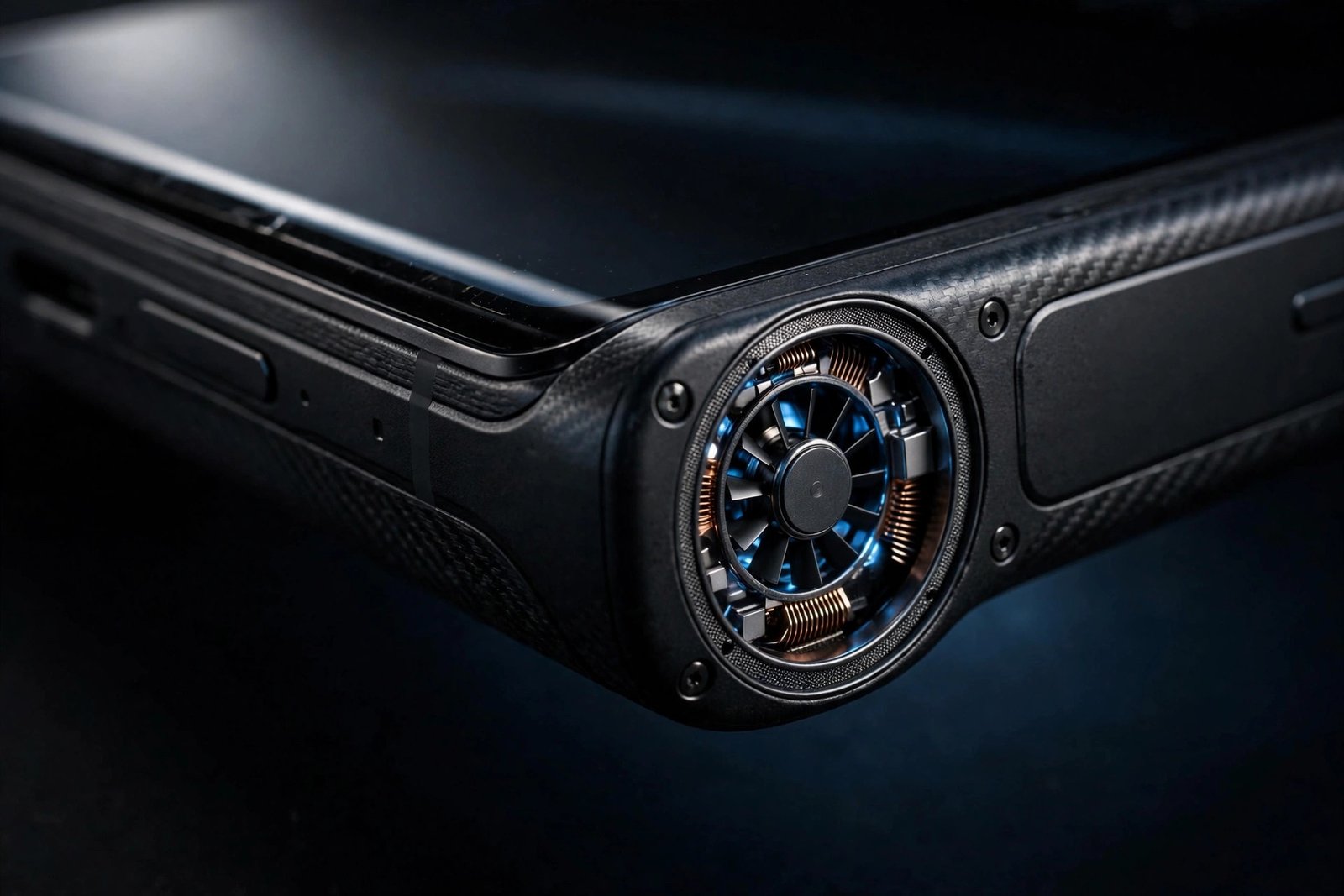
The key idea is thermal throttling. Every phone slows itself down when it gets hot. A normal flagship hits that limit quickly in a demanding game, then drops its frame rate. A gaming phone delays that moment with a larger vapour chamber and, in some models, a small internal fan.
The display is the second difference. Gaming phones offer high refresh rates, often 144Hz or above, and high touch sampling rates that register your input faster. That matters in a competitive shooter, and brightness matters too, because a dim screen is hard to read in bright rooms.
The best gaming phones 2027
ASUS ROG Phone 9 Pro
Best for: serious competitive players who want the most complete gaming package.
The ROG Phone 9 Pro remains the benchmark for dedicated gaming phones. It pairs a flagship Snapdragon chip with a large vapour chamber, an optional clip-on AeroActive Cooler, air triggers on the frame, and software that lets you tune performance per game. The display is fast and bright, and the stereo speakers are among the best on any phone.
Cooling is where it earns its price: frame rates stay steadier in demanding titles than on a standard flagship. The trade-off is size and weight, and its cameras are good rather than great.
RedMagic 10 Pro
Best for: players who want flagship gaming speed and active cooling at a lower price than the ROG Phone.
The RedMagic 10 Pro is the value pick among dedicated gaming phones. It has a built-in cooling fan, a flat display with no punch-hole camera interrupting the screen, and shoulder triggers built into the frame. That uninterrupted display is a genuine advantage in landscape games, where a cut-out can sit where a minimap or button belongs.
The fan is audible in a quiet room, though it is easy to miss once game audio starts. Cameras are the compromise: fine in good light, but they do not match a Pixel or an iPhone. Software updates have been less consistent than Samsung, Apple or Google offer, so check the update policy before you buy.
Samsung Galaxy S26 Ultra
Best for: players who want one phone that games well and excels at everything else.
The Galaxy S26 Ultra is not a gaming phone, and that is exactly why many people should buy it. It has a flagship Snapdragon chip, a large vapour chamber, a bright high-refresh display, and a battery that handles long sessions better than most standard flagships. It also has one of the best cameras on any phone and years of software updates.
It will throttle sooner than a ROG Phone or a RedMagic in the most demanding titles, because it has no fan and a slimmer body. For most players, that difference is small, and for work, photos and everything else, the S26 Ultra is the more sensible choice.
iPhone 17 Pro Max
Best for: Apple users and players who value game optimisation and long software support.
The iPhone 17 Pro Max is the best gaming iPhone. Its A19 Pro chip is powerful, its display is bright and smooth, and iOS has a large catalogue of well-optimised games, including console-quality titles that arrived on iPhone before Android. Developers often optimise for iPhone first, which shows in frame-rate stability.
Apple fits no fan or shoulder triggers, so the phone relies on its aluminium body and internal cooling. It will warm up in demanding games, but the cameras, the ecosystem, and software support that typically runs for many years make up for it.
OnePlus 15
Best for: players who want flagship speed, fast charging and a clean interface without a gaming-phone design.
The OnePlus 15 is a strong all-rounder that happens to game very well. It has a flagship chip, a high-refresh display, and some of the fastest charging on any mainstream phone. The software is close to stock Android, with a gaming mode that blocks notifications and lets you adjust performance per game.
It lacks active cooling and shoulder triggers, so it will throttle sooner in the longest sessions. In exchange, you get a normal-looking flagship with better cameras than most gaming phones and a lower price than the S26 Ultra or the iPhone 17 Pro Max.
Poco F8 Pro
Best for: budget-conscious players who want flagship-level speed without a flagship price.
The Poco F8 Pro is the budget pick, and it is far more capable than its price suggests. It uses a recent flagship-class Snapdragon chip, a high-refresh display, and a large battery, which are the three ingredients that matter most for gaming. In demanding titles at sensible settings, it holds up well against phones that cost considerably more.
The compromises matter less during play: average cameras, less premium materials, and shorter software support than Samsung or Google offer. Turning the graphics settings down one notch usually solves any throttling. For more on battery life across price ranges, see our guide to the best phones for battery life.
Gaming phones compared
| Phone | Cooling | Display | Standout strength | Main compromise |
|---|---|---|---|---|
| ASUS ROG Phone 9 Pro | Vapour chamber plus optional clip-on cooler | High-refresh, bright, fast touch response | Most complete gaming package | Large, heavy, cameras only good |
| RedMagic 10 Pro | Built-in fan plus vapour chamber | High-refresh flat display, no camera cut-out | Active cooling at a lower price | Cameras average, shorter update support |
| Samsung Galaxy S26 Ultra | Large vapour chamber, passive | Bright high-refresh display | Best all-rounder with a great camera | Throttles sooner than dedicated gaming phones |
| iPhone 17 Pro Max | Passive, aluminium body | Bright high-refresh ProMotion display | Best-optimised games, long support | No active cooling or triggers, expensive |
| OnePlus 15 | Passive, large vapour chamber | High-refresh display | Fast charging, clean software | No fan or triggers, throttles in long sessions |
| Poco F8 Pro | Passive | High-refresh display | Flagship-class speed at a budget price | Average cameras, shorter support |
Caption: The best gaming phones 2027 at a glance. Cooling and display quality decide how games feel after the first ten minutes.
How to choose the right gaming phone
Work through this checklist before you buy, and you will avoid the most common mistake: paying for features you never use.
- List the games you actually play. Competitive shooters reward high refresh rates, touch sampling and triggers. Story-driven games reward a bright display, good speakers and battery life.
- Decide whether it is your only phone. If it is, a flagship such as the Galaxy S26 Ultra or iPhone 17 Pro Max is usually better, because cameras, software support and everyday design matter every day.
- Check sustained performance, not benchmarks. Look for reviews that measure frame rates after 20 to 30 minutes of play, not five.
- Check the battery and charging. Look for a large battery, fast wired charging, and bypass charging if you play plugged in.
- Confirm update support. A gaming phone that stops receiving updates after two years is a poor investment. Samsung, Apple and Google offer the longest support; smaller gaming brands vary.
If you play mainly on Android and want a phone that games well without a gaming design, our round-up of the best Android phones covers the leading flagships in more detail.
FAQs
What is the best gaming phone in 2027?
For most serious players, the ASUS ROG Phone 9 Pro, because it combines a flagship chip with the strongest cooling, useful shoulder triggers and excellent speakers. If you want a phone that also excels as a camera and an everyday device, the Galaxy S26 Ultra or iPhone 17 Pro Max is a better overall choice.
Do I need a gaming phone, or is a flagship enough?
A flagship is enough for most players. The difference only shows in long competitive sessions, where dedicated cooling keeps frame rates steady. Buy a gaming phone if you play competitively for hours; buy a flagship if gaming is one of several things your phone must do well.
Does a higher refresh rate make a real difference?
Yes, up to a point. Moving from 60Hz to 120Hz makes motion visibly smoother and controls feel more responsive. Moving from 120Hz to 144Hz or higher is a smaller improvement, and many players will not notice it.
Is a built-in fan worth it?
A built-in fan helps in long, demanding sessions by keeping the chip cooler for longer, which protects frame rates. It adds noise and is unnecessary for casual games. If you play demanding titles for an hour or more at a time, it is worth having; if you play in short bursts, passive cooling is fine.
How important is battery life for gaming?
Very important, because demanding games drain batteries quickly. Look for a large battery and fast wired charging, and consider bypass charging if you play while plugged in. Lowering the graphics settings one notch will extend play time more than any battery feature.
Are gaming phones good for everyday use?
They are usable, but not ideal as an only phone. They tend to be large and heavy, and their cameras are usually weaker than a flagship at the same price. If you want one phone for everything, a flagship such as the Galaxy S26 Ultra is a better compromise. For a broader comparison, see our guide to the best smartphones.
The bottom line
The best gaming phone is the one that matches how you actually play. Competitive players who game for hours should choose a dedicated handset with active cooling, such as the ROG Phone 9 Pro or the RedMagic 10 Pro. Everyone else will be happier with a flagship that games well and does everything else brilliantly, such as the Galaxy S26 Ultra, the iPhone 17 Pro Max or the OnePlus 15.
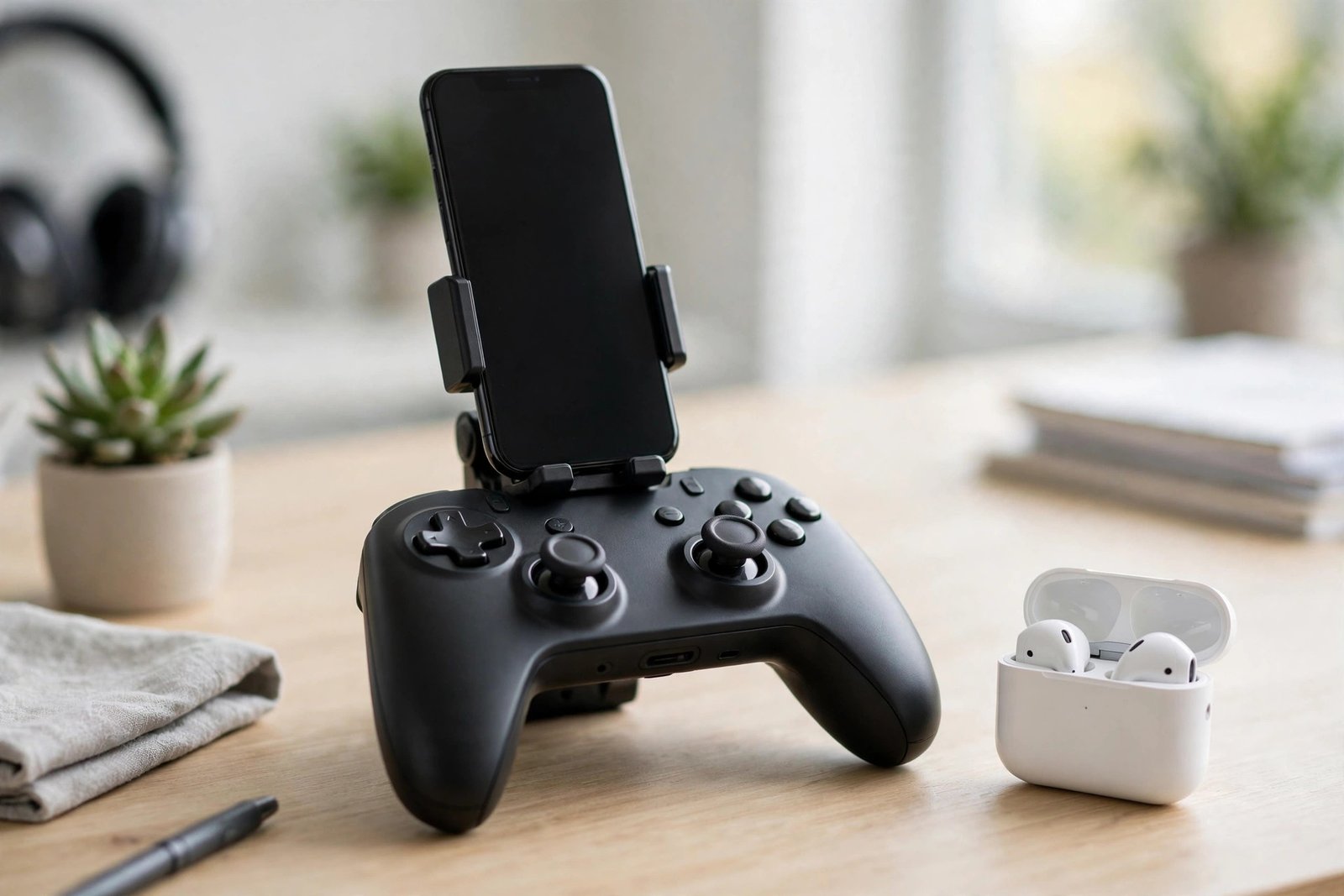
Start by listing the games you play most, then check sustained frame-rate reviews for two or three phones on your shortlist. Confirm the update policy, and budget for a controller if you play shooters. That will save you from paying for features you never use, and leave you with a phone that still feels fast a year from now.