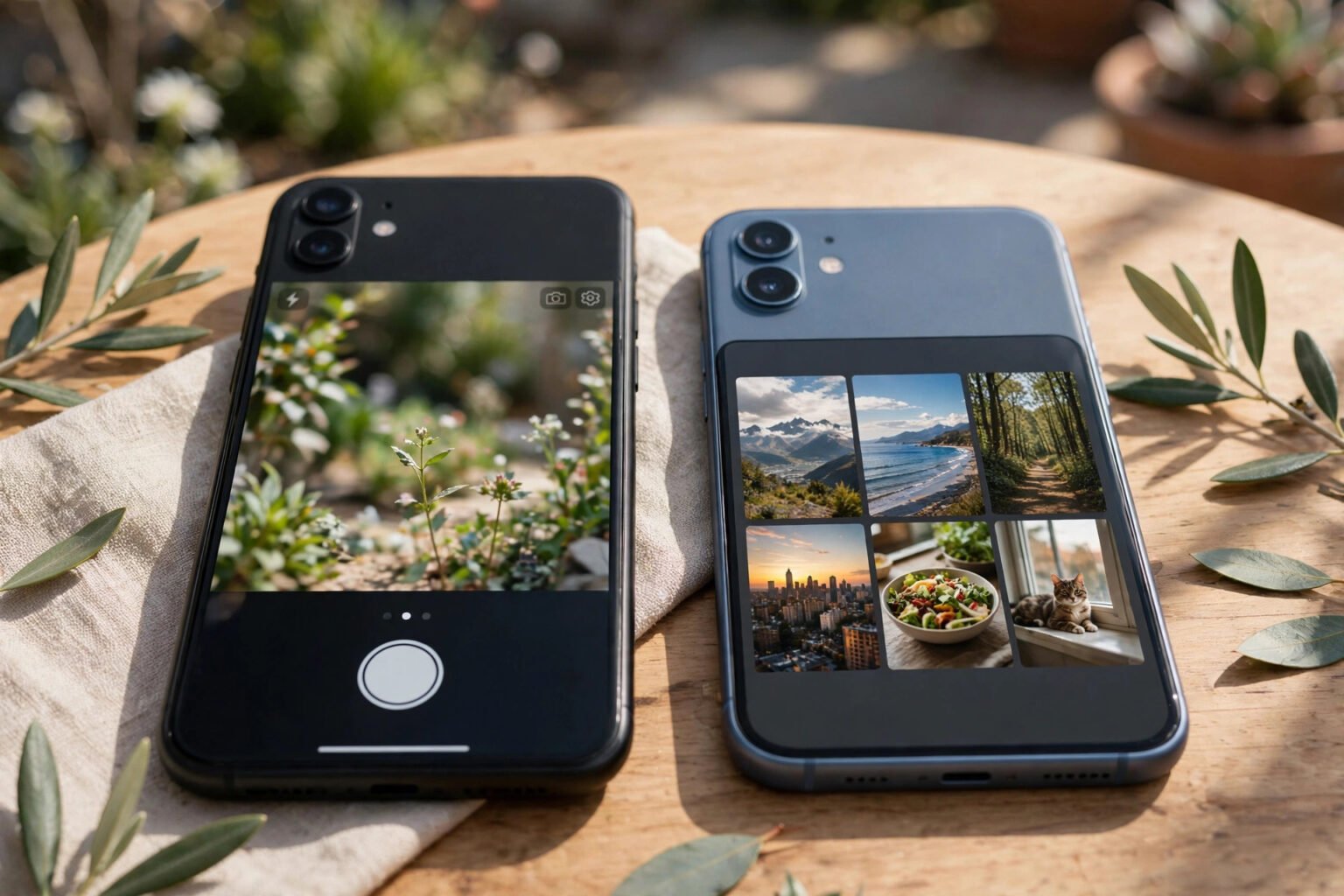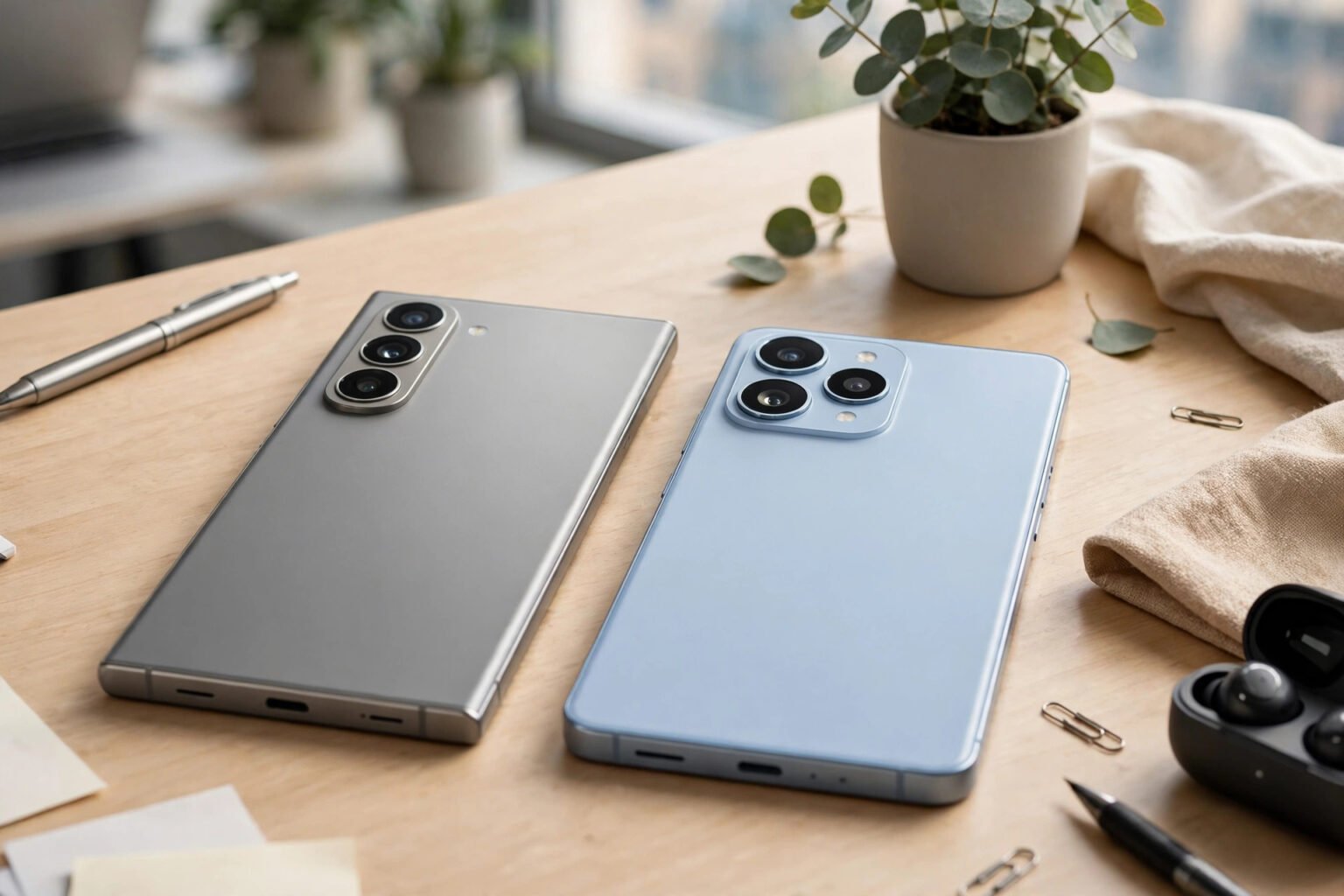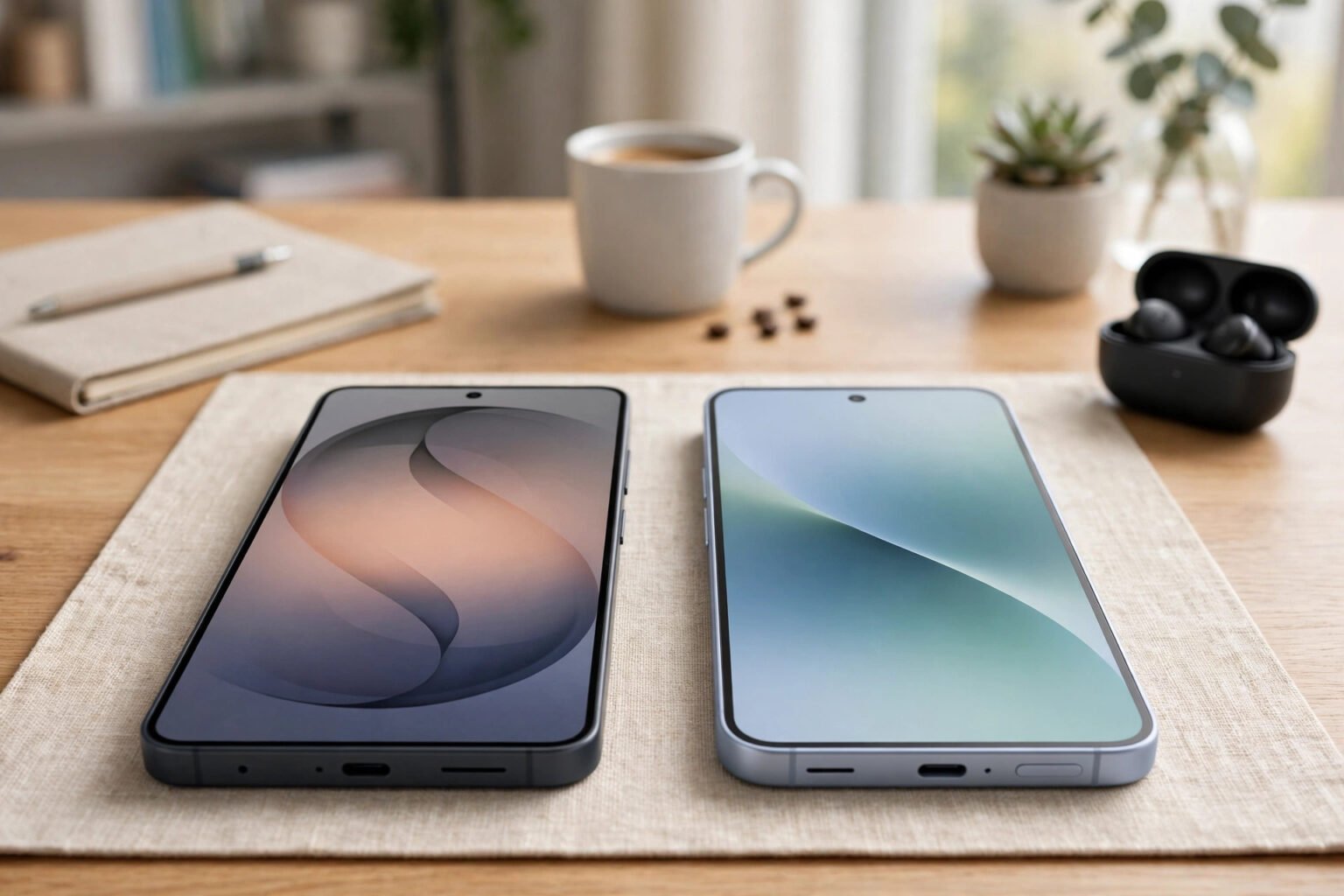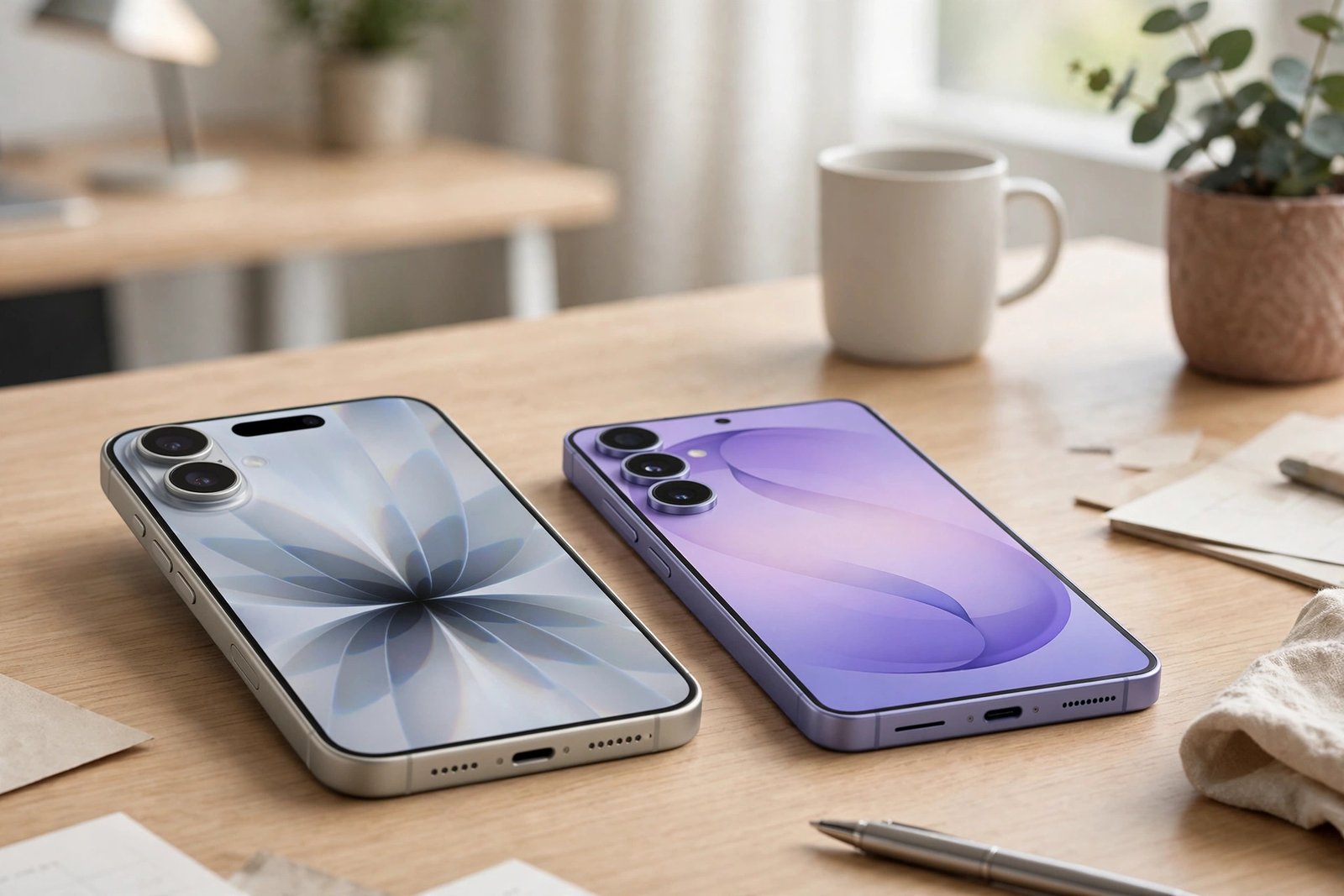
Choosing between the iPhone 17 vs Samsung Galaxy S26 is less about finding a clear winner and more about choosing the phone that fits the way you already live. Both are premium flagships with strong cameras, bright displays and polished software, and both will handle work, photography and streaming with ease. If you want the short answer, it is this: pick the iPhone 17 if you value Apple’s ecosystem, long software support and a consistent camera, and pick the Galaxy S26 if you want Samsung’s display, customisation and Android flexibility.
Those differences matter more over two or three years than any single feature on a launch slide. The two phones take different approaches to design, photography, battery and software, so this comparison looks at each area in practical terms and flags what is not yet confirmed.
Key takeaways
- There is no single winner: the better phone fits your apps, accessories and habits.
- Apple leans on consistency, ecosystem and long-term software support; Samsung leans on display quality, flexibility and AI features.
- Camera quality depends as much on processing and how you shoot as on hardware.
- Battery life depends on screen use, signal and settings, so treat any single claim with care.
- Check pricing, storage and trade-in terms at the time you buy, as these change by region and retailer.
Design and in-hand feel
Apple and Samsung have both settled into a familiar premium formula: glass front and back, a metal frame and a clean, restrained finish. The iPhone 17 continues Apple’s approach of tight hardware and software integration, with a design that feels deliberate rather than decorative. Samsung’s Galaxy S26 follows its own established language, with a slimmer profile and a display that runs close to the edges.
In the hand, the difference is one of character. The iPhone tends to feel solid and balanced, with controls chosen for consistency across the range. The Galaxy tends to feel lighter and more screen-led, with Samsung’s display doing much of the talking. Hold both in a shop and pay attention to weight, grip and how easily your thumb reaches the top of the screen. Check the official water and dust resistance rating and warranty terms too, and remember that a good case remains the cheapest insurance for either phone.
Best for a familiar, consistent feel: the iPhone 17, particularly if you already use Apple products.
Best for a screen-led, customisable design: the Galaxy S26, particularly if you like to make a phone your own.
Display: bright, smooth and easy on the eyes
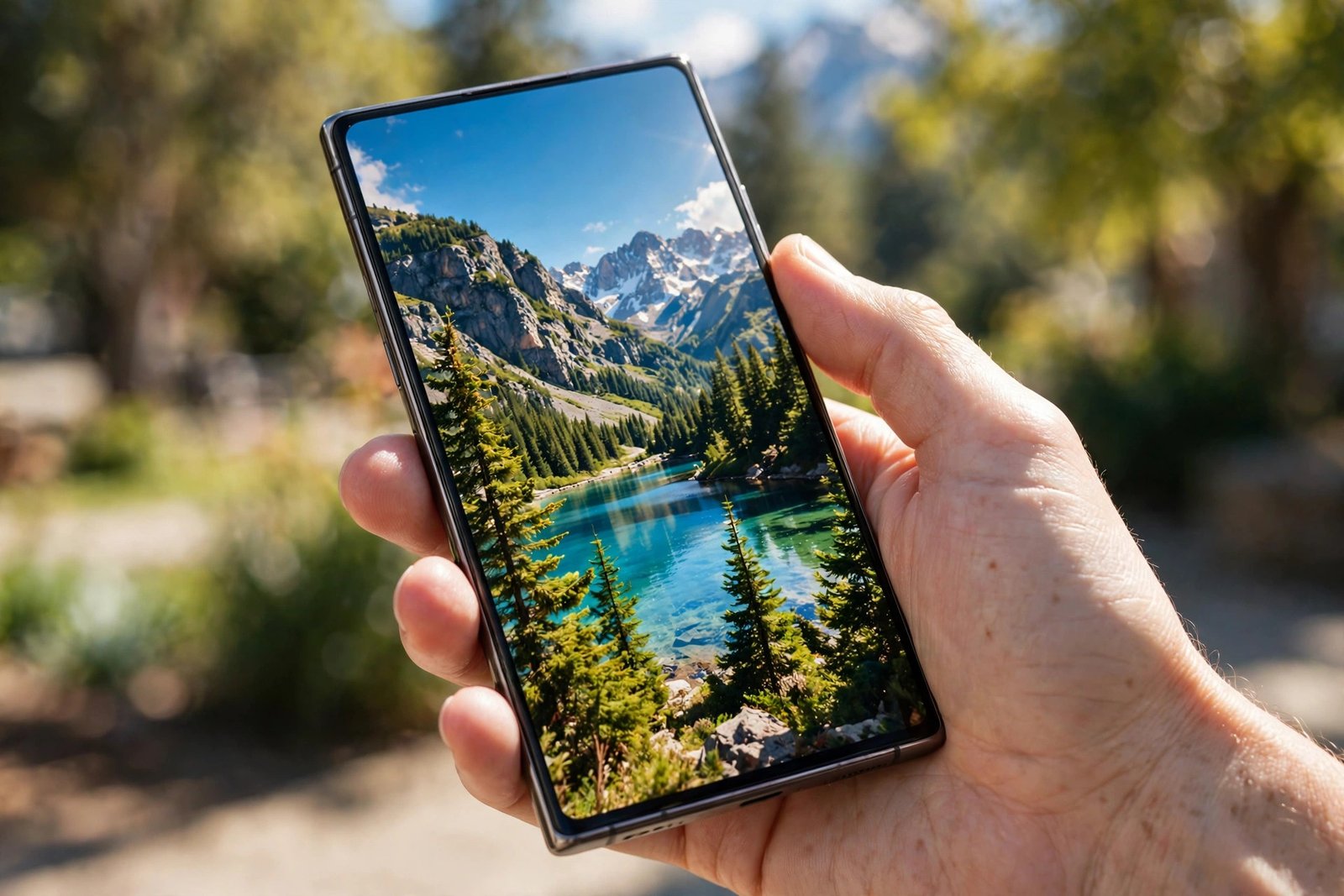
Samsung has long set the pace for phone displays, and the Galaxy S26 continues that tradition with a panel designed for vivid colour, deep contrast and strong outdoor visibility. Apple takes a more restrained approach, tuning its display for colour accuracy and consistency across apps, photos and video. In practice, both screens are excellent for reading, streaming and browsing, and most people would be happy with either.
What matters more than the brand on the panel is how the display behaves in your daily life. Look at brightness in sunlight, how it handles reflections, and whether text stays readable at the brightness you normally use. A smooth refresh rate makes scrolling feel fluid, but it can use more battery, so both phones offer settings to balance smoothness against battery life. If you read at night, check the warm-tone settings, which make long sessions easier on the eyes.
Cameras: two philosophies of photography
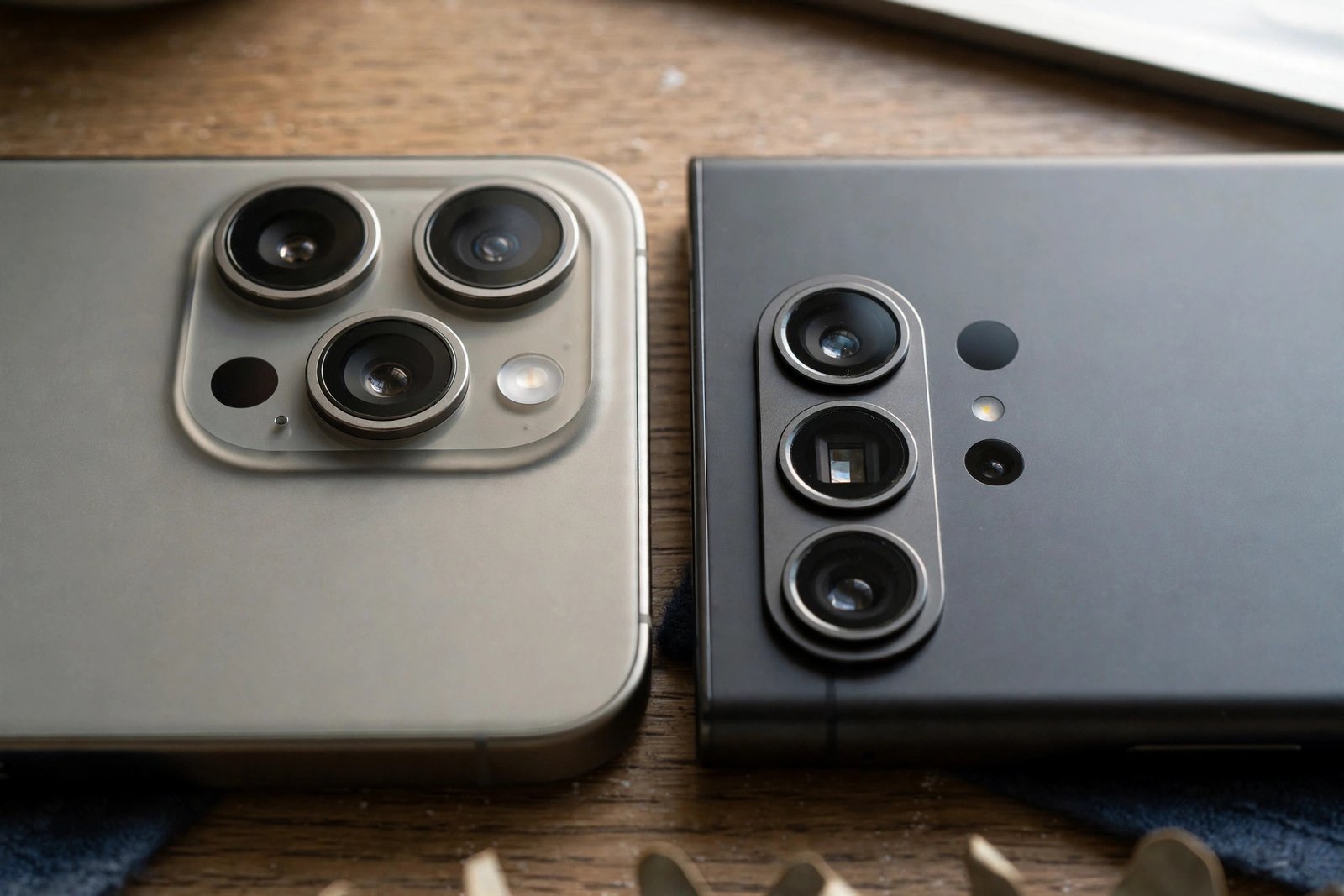
Both phones offer a main camera, an ultra-wide camera and a zoom option, alongside portrait modes, night modes and video recording that would have seemed remarkable only a few years ago. The difference lies in how each company processes what the sensor captures. Apple’s approach is consistency: photos from the iPhone 17 tend to look natural, with reliable colour, steady exposure and skin tones that hold up across lighting conditions.
Samsung’s approach is versatility and reach. The Galaxy S26 leans into zoom, detail and computational photography, giving you more ways to frame a shot and more tools to rescue a difficult scene. Night photography, in particular, has been a Samsung strength, with bright, detailed results in low light. Some people prefer the more vivid look Samsung produces; others find it a little strong for everyday portraits. Try both with the same subject and compare the results on a larger screen. For a closer look at what matters beyond headline features, see our guide to the best camera phones.
Best for natural, reliable photos: the iPhone 17.
Best for zoom, night shots and creative control: the Galaxy S26.
Performance and software
Both phones are fast enough for the tasks most people actually do: messaging, browsing, email, photography, navigation and streaming. Opening apps, switching between them and editing photos should feel instant on either device. The real difference is not raw speed but how the software around the chip works.
The iPhone 17 runs Apple’s operating system, which is tightly integrated with its hardware. Apps tend to launch quickly, updates arrive for all supported models at the same time, and the system is known for long-term support. The Galaxy S26 runs Samsung’s version of Android, with more customisation: home-screen layouts, themes, widgets, split-screen multitasking and deeper control over defaults. Samsung has also invested heavily in AI features, from photo editing and live translation to writing assistance, depending on region and model. Treat AI features as a bonus, not the reason to buy, and check which ones work in your country.
Battery life and charging
Battery life is the area where careful wording matters most. Neither maker publishes a single figure that captures real-world use, because screen time, signal strength, camera use and background apps all change the result. Both phones are designed to get most people through a full day of normal use, with power-saving modes to stretch that further when needed.
Apple’s strength is efficiency: tight control of hardware and software helps the iPhone manage power well, particularly during standby and light use. Samsung’s strength is capacity and flexibility, with a wider range of power-saving options. Charging is a practical difference, so check whether a charger is included, what speeds each phone supports, and whether wireless charging works with accessories you already own. To keep either battery healthy over time, see how to check iPhone battery health and adjust settings such as screen brightness and background refresh.
Best for steady, efficient daily use: the iPhone 17.
Best for flexible power management and fast top-ups: the Galaxy S26.
Ecosystem, price and value
Ecosystem is often the deciding factor, and it is the hardest to change later. If you use a Mac, an iPad, an Apple Watch or AirPods, the iPhone 17 slots into that setup with little friction. If you use a Windows PC, a Samsung tablet, Galaxy Buds or a Galaxy Watch, the Galaxy S26 offers a similar level of integration, with Samsung’s own continuity features and the wider Android ecosystem behind it.
Price is harder to pin down, and it changes by region, storage size, retailer and trade-in offer. Exact pricing for the Galaxy S26 had not been confirmed at the time of writing. Compare the total cost, not just the headline price: storage, a case, a charger if one is not included, and any monthly plan. A trade-in or carrier offer can change the maths considerably, so get a quote for your current phone before you decide. If you are weighing the wider market, our round-up of the best smartphones puts both phones in context alongside other leading options.
iPhone 17 vs Galaxy S26 at a glance
| Area | iPhone 17 | Galaxy S26 |
|---|---|---|
| Design | Solid, balanced, consistent Apple styling | Slim, screen-led, customisable Samsung styling |
| Display | Colour-accurate, consistent, easy to read | Vivid, high-contrast, strong outdoors |
| Cameras | Natural colour, reliable results | Versatile zoom, strong night mode |
| Software | Tightly integrated, long support | Flexible, customisable, AI-led features |
| Battery | Efficient, steady daily use | Flexible power options, fast top-ups |
| Ecosystem | Best with Mac, iPad, Watch and AirPods | Best with Windows, Samsung tablet and Galaxy Watch |
Caption: iPhone 17 vs Galaxy S26 compared by approach rather than by unconfirmed specifications. Exact specs, pricing and availability should be checked with the maker at the time of purchase.
A practical checklist before you buy
Work through this list in the shop or at home before you commit. It takes ten minutes and prevents the most common regrets.
- List the devices you already own. Note your laptop, tablet, watch and earbuds, and which ecosystem they belong to.
- Name your top three uses. Photography, video, work, gaming, reading or messaging — rank them honestly.
- Try both cameras on the same subject. Photograph a person and a low-light scene, then view the results on a larger screen.
- Hold both phones for a few minutes. Check weight, grip and one-handed reach.
- Check software support. Ask how many years of operating-system and security updates are promised.
- Compare total cost. Include storage, case, charger if needed, trade-in value and any plan.
- Check your essential apps. Confirm banking, work and messaging apps work as expected.
- Read the returns policy. Know the window for returning or exchanging the phone.
Frequently asked questions
Which is better, iPhone 17 or Galaxy S26?
Neither is better for everyone. The iPhone 17 suits people who value consistency, Apple’s ecosystem and long software support. The Galaxy S26 suits people who want Samsung’s display, customisation and Android flexibility. Choose by your top uses and the devices you already own.
Which phone has the better camera?
It depends on what you photograph. The iPhone 17 tends to produce natural, reliable photos with consistent colour. The Galaxy S26 offers more zoom range and strong low-light results. Test both on the same subjects if you can, and judge the results on a larger screen.
Which phone has better battery life?
Both are designed for a full day of normal use, but real battery life depends on screen time, signal, camera use and settings. Apple leans on efficiency, Samsung on capacity and power options. Check battery settings and charging speed at purchase.
Is the Galaxy S26 price confirmed?
Exact pricing had not been confirmed at the time of writing and varies by region, storage and retailer. Check the maker’s site and reputable retailers at the time you buy, and compare trade-in offers before deciding.
Should I switch from iPhone to Samsung, or the other way?
Switching is easier than it used to be, with transfer tools for photos, contacts and messages, but it still takes time. The main cost is learning a new system and replacing accessories. Switch if the other phone clearly wins on your top uses; stay if the difference is small.
Which phone will last longer?
Longevity depends on software support, battery health and how you use the phone. Ask about years of operating-system and security updates, use a case, and keep the battery healthy. Both makers offer long support by historical standards, but confirm the promise for the exact model you buy.
The bottom line
The iPhone 17 vs Samsung Galaxy S26 comparison comes down to fit, not to a single winning feature. Apple offers a consistent, well-integrated phone that works beautifully inside its own ecosystem and holds up well over time. Samsung offers a vivid, flexible phone with a superb display, versatile cameras and AI tools that reward people who like to tailor their device.
Your next step is simple. List your top three uses and the devices you already own, try both cameras on the same subject, and compare total cost including trade-in. The phone that wins on those three tests is the right phone for you — whichever brand it carries.