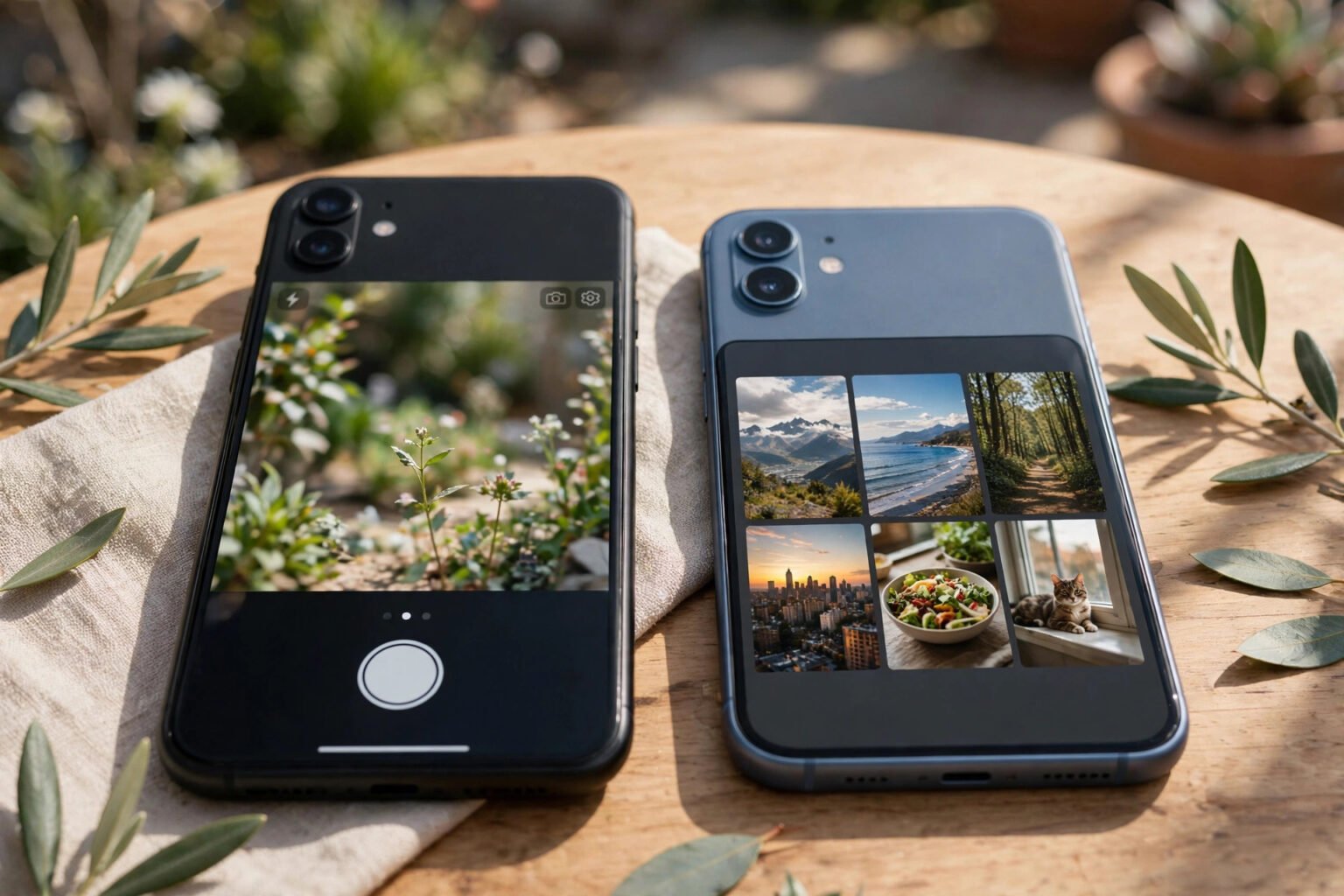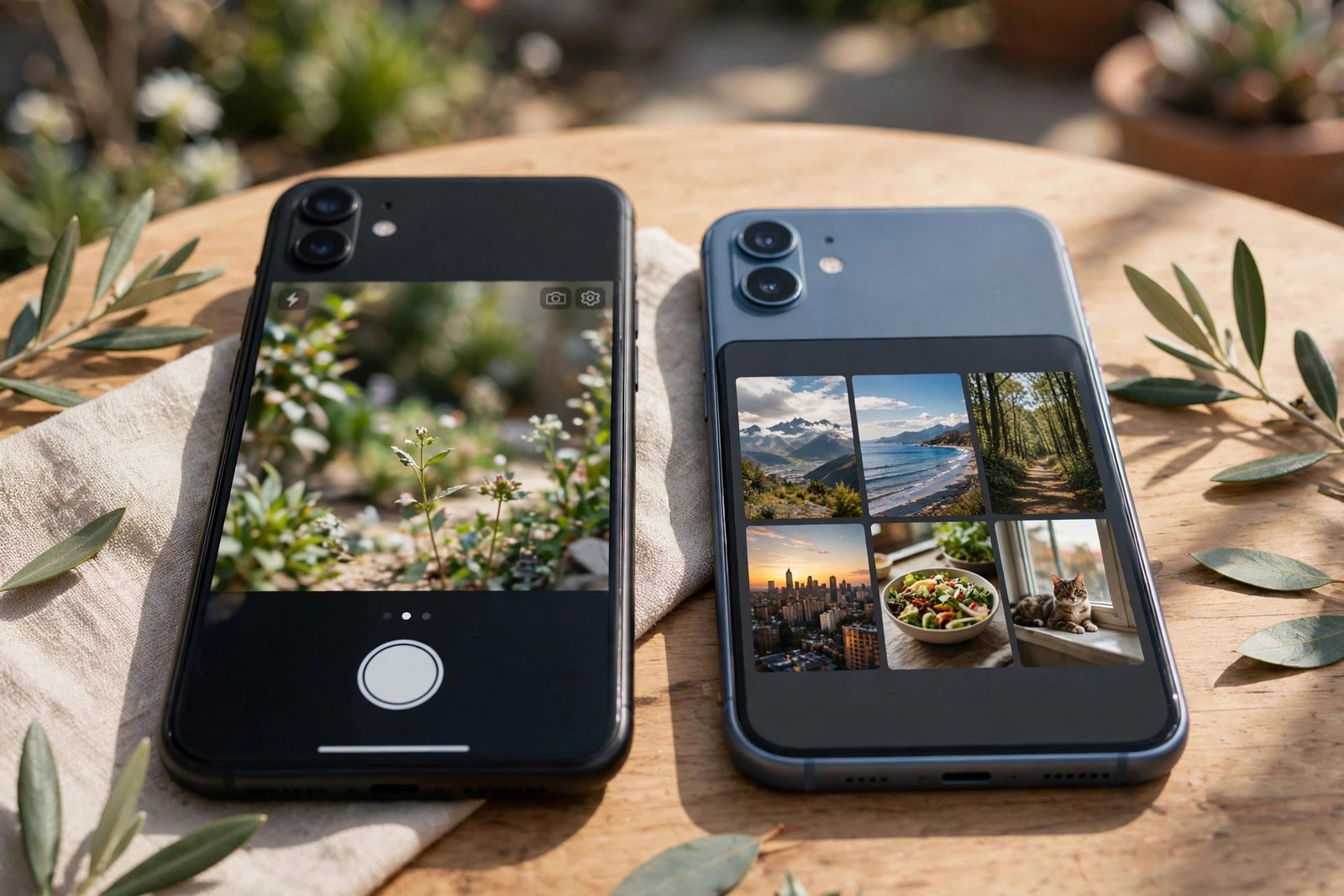
The best phones for photography under $600 prove a useful point: you no longer need a flagship price to take photographs you are proud to share. A mid-range phone in this price band can produce sharp portraits, clean landscapes and usable night shots, provided you choose for the camera rather than for the headline specification.
That is the question this guide answers. It looks at the kinds of phones that genuinely work for photography under $600, from the mid-range Pixel to Samsung’s A-series and an iPhone SE-class option, and it explains what each one does well, where it falls short and who it suits.
Key takeaways
- Spend on the main camera and software, not on the number of lenses. One excellent main sensor beats three average ones.
- A mid-range Pixel is usually the best all-round camera in this price band, thanks to Google’s image processing.
- Samsung’s A-series suits people who want a versatile camera, a large screen and a phone that lasts.
- An iPhone SE-class phone suits people who already use Apple services and want simple, reliable photos and video.
- Check the current price and the storage size before you buy. A cheap phone with too little storage will frustrate a keen photographer.
- Try the camera in a shop if you can. Take the same photo on two phones and compare skin tones, detail and low-light noise.
What makes a good camera phone under $600?
A good camera phone under $600 is not a cut-down flagship. It is a phone built around a different set of priorities: a capable main camera, software that makes good decisions for you, and a price that leaves room for the rest of the phone to be solid. The main sensor does most of the work, so look for a phone whose main camera produces clean, detailed photos in daylight and respectable results indoors, with colours that look natural rather than over-processed.
Software matters as much as hardware in this price band. Google’s image processing has a reputation for pleasing results with little effort, especially in portrait mode and night mode. Samsung’s processing tends to favour bright, vivid colours that look good on social media. Apple’s processing aims for a natural, consistent look and particularly strong video.
How to choose: a practical framework
Start with how you photograph, not with a specification sheet. A parent photographing children indoors needs fast focus and good low-light performance. A traveller needs a versatile camera, a long battery life and enough storage for a week of photos. A portrait lover needs a convincing portrait mode and flattering skin tones. Each need points to a different phone.
Next, consider the system you already use. If your photos live in Google Photos, an Android phone will fit naturally. If you use iCloud and edit on a Mac or iPad, an iPhone SE-class phone will feel simpler. If you use Samsung’s apps and services, an A-series phone will slot in easily.
The picks
1. Mid-range Pixel: the best all-round camera
The mid-range Pixel, in the class of Google’s A-series phones, is the most reliable camera pick under $600. Its strength is Google’s image processing, which produces clean, well-exposed photos with little effort. Portraits look natural, with convincing background blur and skin tones that rarely look over-processed. Night Sight, Google’s low-light mode, produces usable photos in conditions where many rivals struggle. Its ultrawide lens is useful rather than outstanding, and its zoom is digital, so distant subjects lose detail.
Best for: anyone who wants the most reliable point-and-shoot camera under $600, especially for portraits, family photos and low light.
2. Samsung A-series: the most versatile option
Samsung’s A-series phones offer the widest range of camera options in this price band. You usually get a capable main camera, a useful ultrawide lens and a macro or depth sensor, plus a large, bright display that makes reviewing photos a pleasure. Samsung’s colours are vivid and punchy, which suits social media and travel photography, and the camera app offers a generous range of modes, from automatic to a more manual Pro mode. In low light or with fast-moving subjects, it may not match the Pixel’s processing. Where Samsung wins is the whole package: a large screen, a long battery life and wide availability.
Best for: travellers and social media photographers who want a versatile camera, a big screen and a phone that lasts all day.
3. iPhone SE-class: the simplest choice for Apple users
An iPhone SE-class phone offers a single main camera rather than a versatile multi-lens system, and its design is deliberately simple. What it offers in return is Apple’s image processing, which produces natural, consistent photos and particularly strong video. If you film as much as you photograph, that video quality matters: iPhone video is stable, colours are natural, and footage is easy to edit. There is no ultrawide lens, and night mode is less capable than the Pixel’s. Storage can be tight on the base model. For people already inside Apple’s system, those limits are often worth accepting.
Best for: Apple users who want simple, reliable photos, excellent video and a phone that works seamlessly with a Mac or iPad.
4. Samsung A-series with a higher-resolution main camera: the best for landscapes and detail
Some A-series models offer a higher-resolution main camera, which suits photographers who crop heavily or print their work. In good light, the extra resolution preserves detail in landscapes, architecture and group shots, and gives you more room to crop without losing quality. Combined with Samsung’s ultrawide lens, it makes a capable travel camera for people who photograph scenery and buildings. In low light, a high-resolution sensor can produce noisier results, and the file sizes are bigger. If you photograph mainly indoors or at night, the standard mid-range Pixel is likely to serve you better.
Best for: landscape and travel photographers who shoot in daylight, crop often and want detail to spare.
5. A previous-generation flagship: the best camera for the money if you find a deal
A previous-generation flagship, bought new on sale or refurbished from a reputable seller, can offer the best camera in this price band. A phone that cost far more a year or two ago may now sit under $600, and its camera system, with optical zoom, better stabilisation and a more capable sensor, may outperform every new mid-range phone on this list. This is the pick for patient buyers who are willing to shop around and check the condition, battery health and warranty carefully. Buy only from a seller you trust, check the battery and warranty, and confirm how long the phone will still be supported.
Best for: patient bargain hunters who will buy refurbished or on sale and check warranty and software support first.
Comparison table
| Phone | Main strength | Watch out for | Best suited to |
|---|---|---|---|
| Mid-range Pixel | Reliable portraits and low light | Limited zoom, modest ultrawide | Everyday and family photography |
| Samsung A-series | Versatile lenses, big screen | Less consistent in low light | Travel and social media |
| iPhone SE-class | Simple photos, excellent video | No ultrawide, tight base storage | Apple users who film often |
| Higher-resolution A-series | Detail and cropping in daylight | Noise in low light, large files | Landscapes and travel |
| Previous-generation flagship | Best camera hardware for the price | Battery, warranty and support age | Bargain hunters who check carefully |
Table: Best phones for photography under $600 at a glance. Prices and models vary by region and change often, so check the current price and the confirmed specification before you buy.
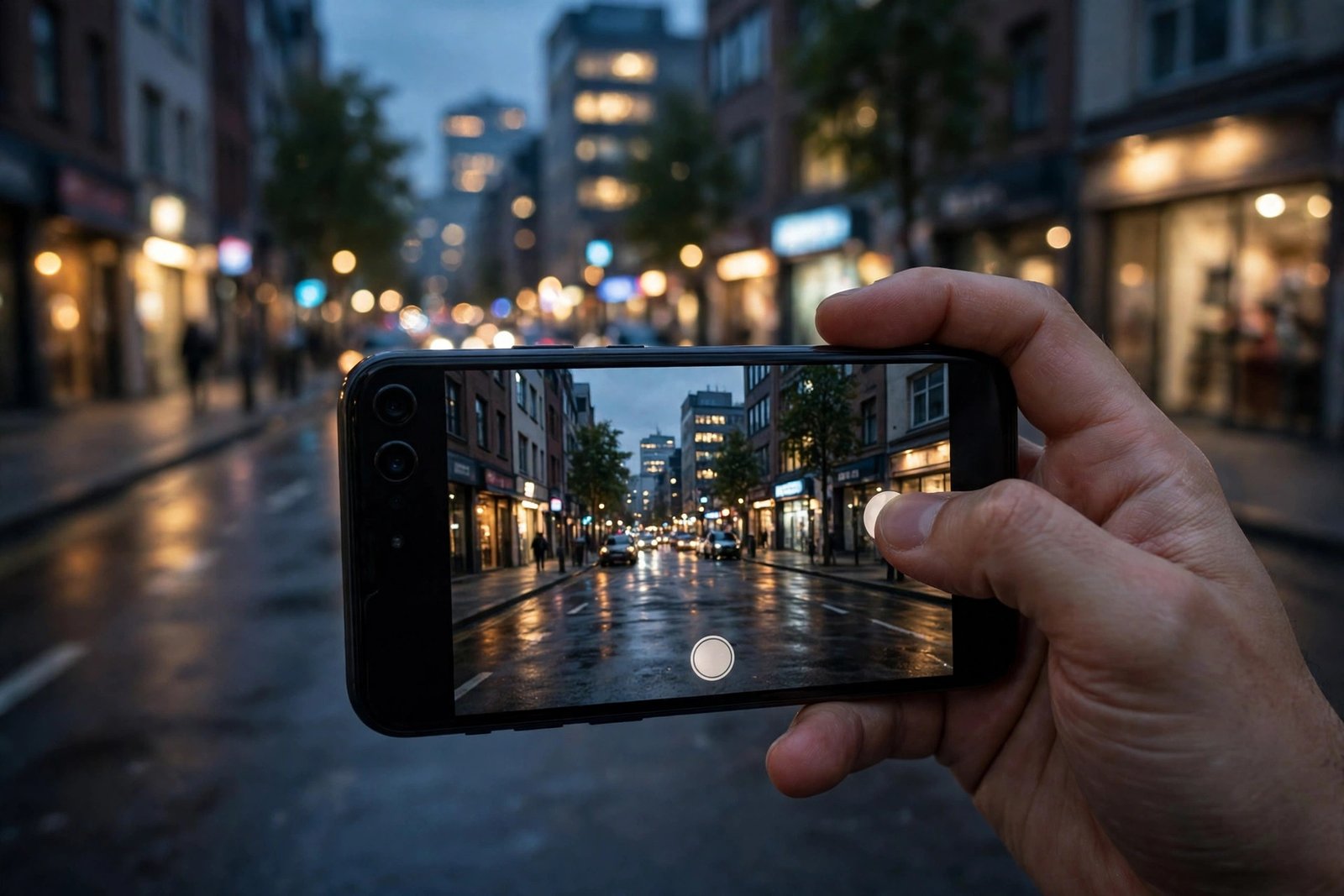
Photography checklist: get more from any phone on this list
A good phone helps, but technique matters more than the model. Use this checklist on your next outing.
- Clean the lens: a smudged lens softens every photo. Wipe it with a soft cloth before you shoot.
- Tap to focus on your subject: tap the face, flower or building you want sharp, and let the phone set exposure for it.
- Use portrait mode for people: stand a little further back than you think, keep the background simple, and check the edge of the blur.
- Shoot in good light when you can: move near a window indoors, or shoot in the hour after sunrise and before sunset outdoors.
- Hold still for night shots: brace the phone against a wall or rest it on a surface, and let night mode finish before you move.
Compare these picks with the best camera phones and the best smartphones, or see the best phones for seniors.

Frequently asked questions
What is the best phone for photography under $600?
For most people, a mid-range Pixel is the best all-round choice, because its image processing produces reliable portraits and low-light photos with little effort.
Do I need three cameras for good photos?
No. One excellent main camera and good software matter more than three average lenses. An ultrawide lens is useful for landscapes and groups, but a poor ultrawide adds little.
Is a phone under $600 good enough for printing photos?
Yes, for ordinary print sizes. A clean photo from a good mid-range phone prints well at standard sizes, especially if it was taken in good light.
How much storage do I need for photography?
Choose more than you think you need. Photos accumulate quickly, and video fills storage far faster than stills.
Should I buy a refurbished flagship instead of a new mid-range phone?
It can be the better camera for the money, provided you buy from a reputable seller, check the battery and warranty, and confirm how long the phone will still receive software updates.
Does megapixel count matter?
It matters less than most people think. A higher count helps when you crop or print large, but it does not guarantee a better photo.
The verdict
The best phones for photography under $600 are not compromises. They are thoughtful choices, each with a clear strength. A mid-range Pixel is the most reliable camera for most people. A Samsung A-series phone is the most versatile. An iPhone SE-class phone is the simplest choice for Apple users. A higher-resolution A-series suits landscape photographers, and a previous-generation flagship suits patient buyers who shop carefully.
Check the current price and storage, then take the same photo on two phones if you can and trust your own eyes.