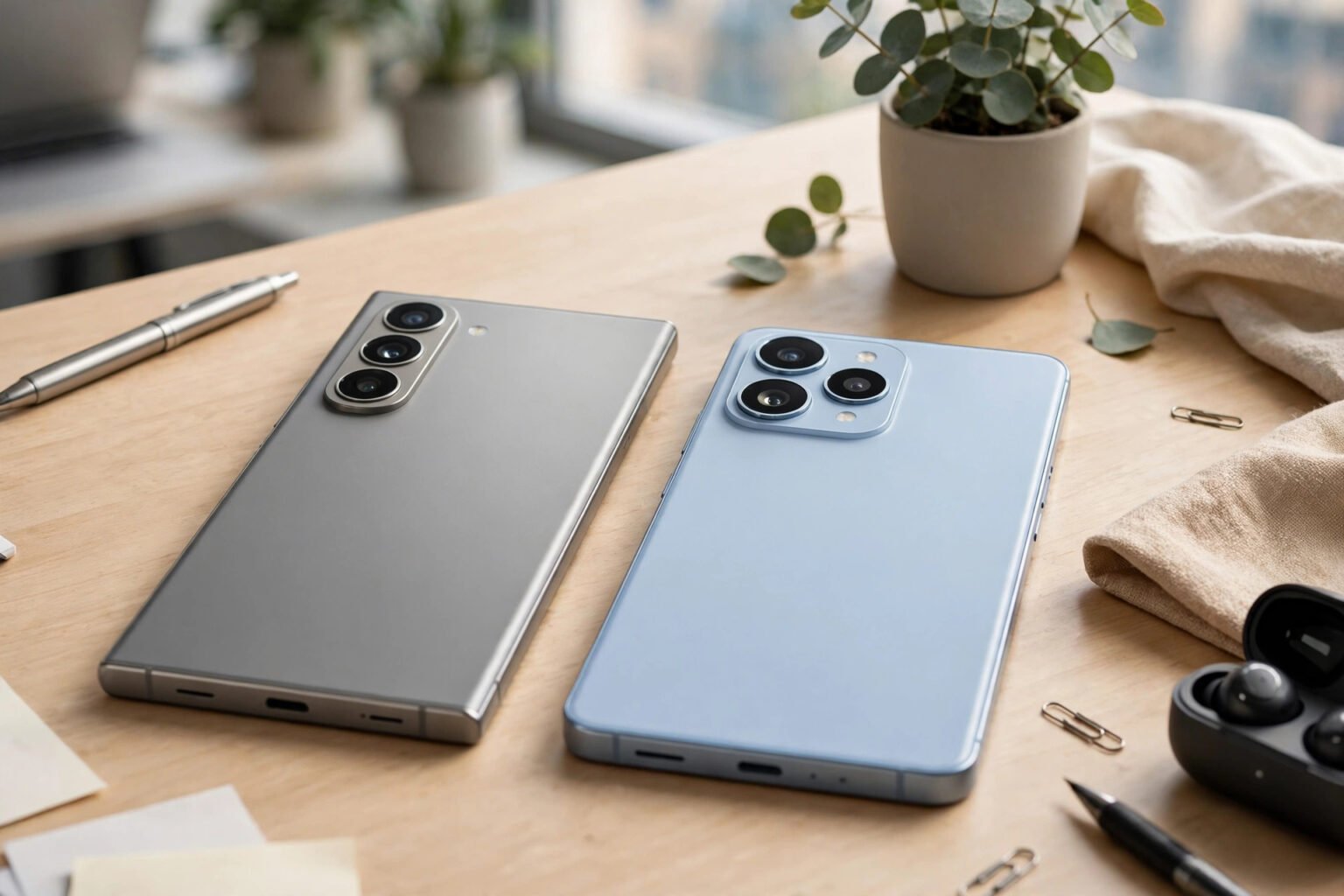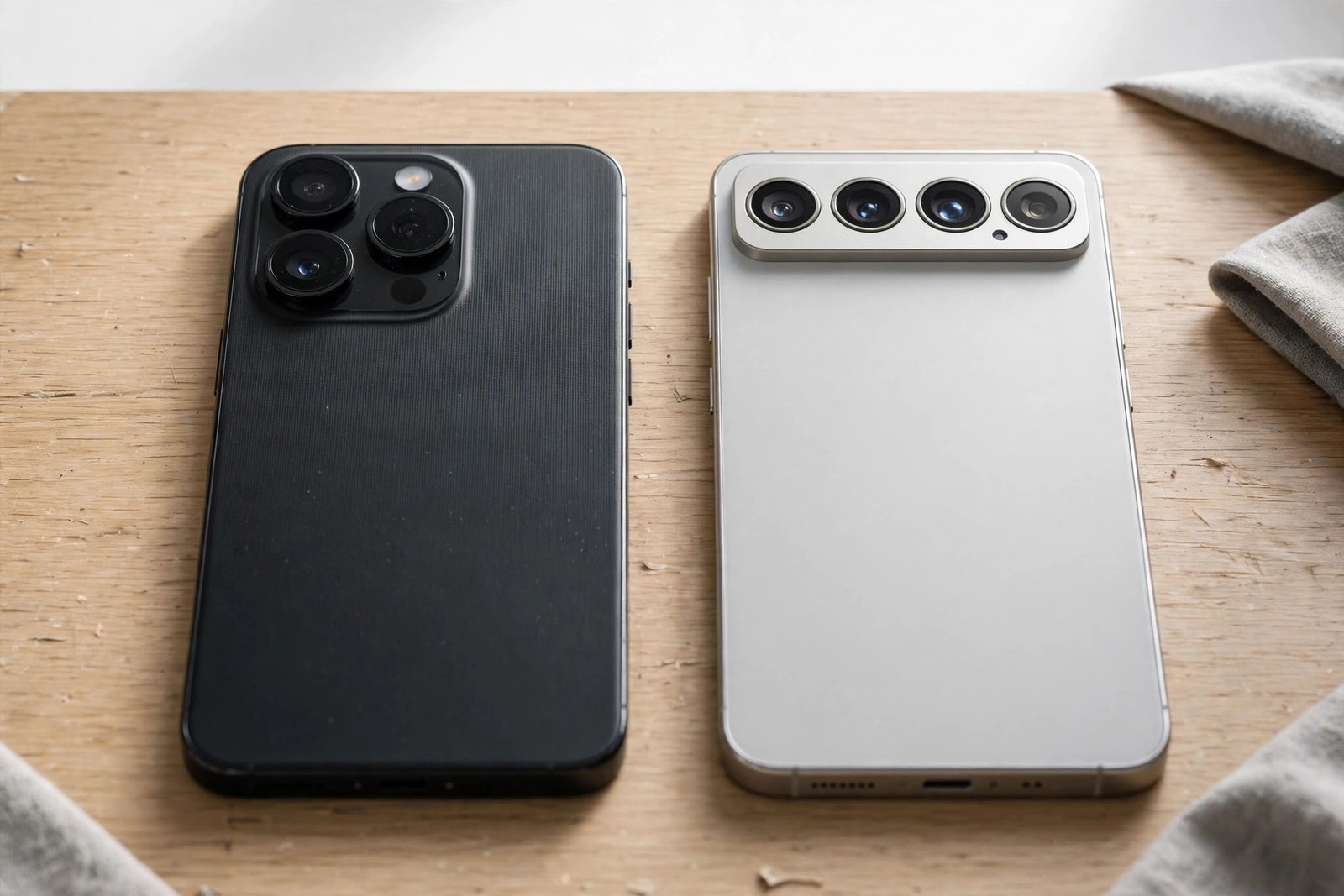
The Pixel vs iPhone camera comparison 2027 has a clear answer for most people, and it depends on what you photograph. The Google Pixel 10 Pro takes better everyday photos for most people, with natural colours, clean low-light shots and reliable portraits. The iPhone 17 Pro takes better video, offers more versatile zoom, and gives creators more control.
That is the short answer, and it is the one that matters, because both phones take excellent photos in daylight, and the differences only show in difficult light, at long zoom, or in video. If you want a phone that takes great photos without thinking, buy the Pixel. If you shoot video, zoom often, or work inside Apple’s ecosystem, buy the iPhone.
Key takeaways
- The Pixel 10 Pro takes better everyday photos for most people, especially in low light and portraits.
- The iPhone 17 Pro takes better video, with smoother stabilisation, better audio and more professional controls.
- The iPhone has the more versatile zoom, while the Pixel produces more natural colours in most scenes.
- Both phones offer powerful editing tools, but Google’s AI editing is more automatic and Apple’s is more controlled.
- The best camera is the one you will use. If you prefer Android and Google’s software, buy the Pixel; if you prefer iOS and Apple’s ecosystem, buy the iPhone.
The two camera systems at a glance
The Pixel 10 Pro and the iPhone 17 Pro both have triple-camera systems, with a main camera, an ultra-wide camera and a telephoto camera. On paper they look similar, but the philosophy behind them is different, and that difference shows in the photos.
Google’s approach is computational. The Pixel uses its Tensor G5 chip and Google’s image processing to combine multiple exposures, reduce noise and balance colours automatically. The result is a photo that looks good straight from the camera, with little need for editing. Colours are natural, skin tones are accurate, and low-light shots are clean.
Apple’s approach is more restrained. The iPhone 17 Pro captures a great deal of detail and gives you more control over the result, with Photographic Styles, ProRAW and ProRes video for creators who want to edit. Colours are accurate, though sometimes less warm than the Pixel, and the video quality is the best on any phone.
Everyday photos: Pixel wins
Verdict: Pixel 10 Pro.
In daylight, both phones take excellent photos, and most people would be happy with either. Look closer, and the Pixel has a small but consistent edge. Its colours are more natural, especially in skin tones and greenery, and its dynamic range handles bright skies and dark shadows well without making the image look artificial.
The Pixel also handles tricky light better, balancing exposure more reliably in mixed indoor light. The iPhone is close, but it can produce cooler, flatter colours.
Low light and night mode: Pixel wins
Verdict: Pixel 10 Pro.
Low light is where the Pixel’s computational photography shows its greatest advantage. Night Sight on the Pixel produces clean, bright photos with little noise, even in very dark scenes. Colours stay natural, and details remain sharp, without the over-bright, artificial look that some night modes produce.
The iPhone 17 Pro is also strong in low light, but its photos can show more noise in the darkest areas. If you take a lot of photos indoors or at night, the Pixel is the better choice.

Zoom: iPhone wins
Verdict: iPhone 17 Pro.
Zoom is the iPhone’s strongest advantage in this comparison. The iPhone 17 Pro has a longer optical zoom range, and its telephoto camera produces sharp, detailed photos at distances where the Pixel begins to rely on digital zoom. For concerts, sport, travel and wildlife, that difference is noticeable.
The Pixel 10 Pro has a capable telephoto camera, but it does not match the iPhone at the longest distances, and photos at maximum zoom can look softer. If you zoom often, buy the iPhone. For more on zoom and camera versatility across brands, see our guide to the best camera phones.
Portraits: Pixel wins, narrowly
Verdict: Pixel 10 Pro, by a small margin.
Portrait mode is close, and both phones do it well. The Pixel has a slight edge in skin tones and in the natural fall-off of the background blur, which looks more like a dedicated camera and less like software. It also handles hair and glasses reliably, which is where portrait modes often fail.
The iPhone’s portrait mode is excellent too, and it offers more control over focus and blur after the shot. For most people, the difference is small.
Video: iPhone wins clearly
Verdict: iPhone 17 Pro, by a clear margin.
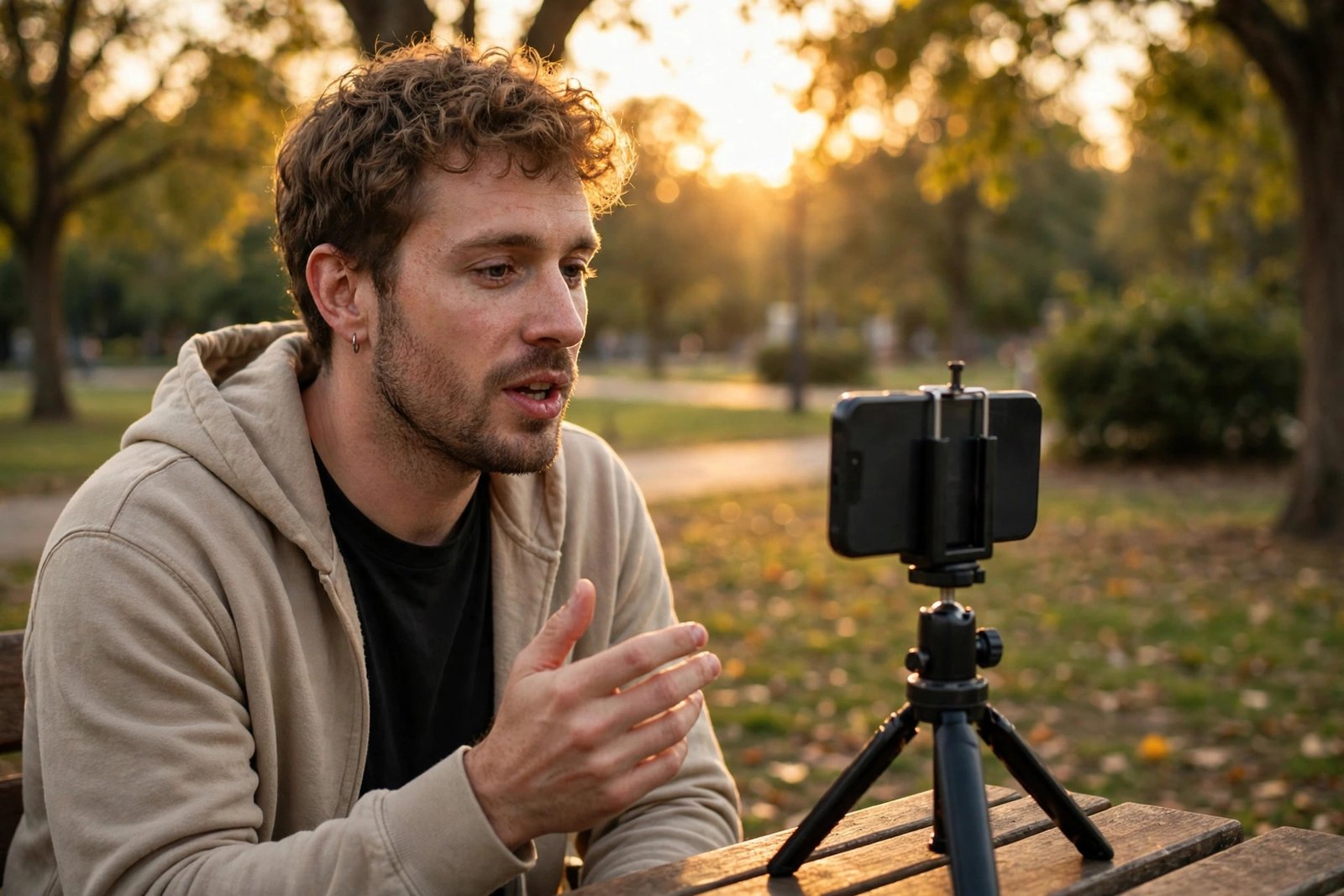
Video is the iPhone’s clearest win. The iPhone 17 Pro records smoother, more stable video, with better audio, more accurate colours and less noise in low light. Its cinematic mode is more reliable, and its ProRes and Log recording options give creators far more flexibility in editing.
The Pixel 10 Pro records good video, but it does not match the iPhone for stabilisation, audio quality or colour consistency. If you record video often, the iPhone is the better choice.
Selfies and front camera: a draw
Verdict: a draw, with the Pixel slightly ahead in low light.
Both phones have excellent front cameras, with sharp detail, accurate skin tones and reliable portrait mode. The Pixel has a slight edge in low light, where its processing produces cleaner selfies with less noise. The iPhone has a slight edge in video, where its front camera records smoother, better-sounding clips.
For most people, the front cameras are evenly matched, and the choice should be made on the rear cameras and video, not on selfies.
Editing and AI tools: different strengths
Verdict: Pixel for automatic editing, iPhone for controlled editing.
Google’s editing tools are more automatic. Magic Editor lets you move, resize or remove objects, change the sky, and improve a photo with a tap. Best Take combines several shots to produce a group photo where everyone is looking at the camera. These tools are powerful and easy to use, and they work well for most people.
Apple’s editing tools are more controlled, with Photographic Styles and precise adjustments, and ProRAW for photographers. Choose the Pixel if you want editing to be quick and automatic. Choose the iPhone if you want control and professional formats.
Pixel vs iPhone camera compared
| Category | Pixel 10 Pro | iPhone 17 Pro | Verdict |
|---|---|---|---|
| Everyday photos | Natural colours, reliable exposure | Detailed, sometimes cooler colours | Pixel wins |
| Low light | Clean Night Sight, little noise | Strong, more noise in darkest scenes | Pixel wins |
| Zoom | Good telephoto, softer at long range | Longer optical zoom, sharper at distance | iPhone wins |
| Portraits | Natural skin tones, smooth blur | Excellent, more post-shot control | Pixel wins narrowly |
| Video | Good, improved stabilisation | Best on any phone, ProRes and Log | iPhone wins clearly |
| Selfies | Slight edge in low light | Slight edge in video | Draw |
| Editing tools | Automatic, powerful AI editing | Controlled, professional formats | Depends on your style |
Caption: Pixel vs iPhone camera comparison 2027 at a glance. The Pixel wins on photos, the iPhone wins on video and zoom.
How to choose: a short checklist
The right choice depends on what you photograph and how you use your phone. Work through this checklist before you buy.
- Count your photos and videos. If you take far more photos than video, the Pixel is the better choice. If you record video often, the iPhone is the better choice.
- Think about low light. If you photograph indoors, at night or at events, the Pixel’s low-light advantage matters. If you mostly shoot outdoors in daylight, it matters less.
- Check how often you zoom. If you zoom often, for sport, concerts or travel, the iPhone’s longer zoom is worth having. If you rarely zoom, it is not a reason to choose the iPhone.
- Consider the ecosystem. If you own a Mac, an iPad or an Apple Watch, the iPhone fits more easily into your daily life. If you use Google services, a Chromebook or a Wear OS watch, the Pixel fits better.
- Test the editing tools. Try Magic Editor on a Pixel and Photographic Styles on an iPhone. The editing style you prefer will shape how you feel about the phone every day.
- Check the price and storage. Both phones are expensive, and storage matters for photos and video. Compare the price for the storage size you need, not the entry price.
If you are still weighing the wider choice between iPhone and Android, our guide to the best smartphones puts both phones in context, and our round-up of the best Android phones explains how the Pixel 10 Pro compares with Samsung’s best.
FAQs
Which phone takes better photos, Pixel or iPhone?
For most people, the Pixel 10 Pro takes better everyday photos, with more natural colours and cleaner low-light shots. The iPhone 17 Pro takes better video and has a more versatile zoom. If photos matter most, choose the Pixel; if video matters most, choose the iPhone.
Is the Pixel better than the iPhone in low light?
Yes, in most low-light scenes the Pixel 10 Pro produces cleaner photos with less noise and more natural colours. The iPhone 17 Pro is also strong in low light, but its photos can show more noise in the darkest areas. The difference is most noticeable in very dark scenes.
Which phone is better for video?
The iPhone 17 Pro is clearly better for video, with smoother stabilisation, better audio, more accurate colours and professional recording options such as ProRes and Log. The Pixel 10 Pro records good video, but it does not match the iPhone in this category.
Does the iPhone or Pixel have better zoom?
The iPhone 17 Pro has better zoom, with a longer optical range and sharper photos at long distances. The Pixel 10 Pro has a good telephoto camera, but its photos at maximum zoom are softer. If you zoom often, the iPhone is the better choice.
Which phone is better for portraits?
The Pixel 10 Pro is slightly better for portraits, with more natural skin tones and a smoother background blur. The iPhone 17 Pro is also excellent, and it offers more control over focus and blur after the shot. For most people, the difference is small.
Should I switch from iPhone to Pixel for the camera?
Switch only if photography is your top priority and you are comfortable with Android. If you are happy with iPhone, the iPhone 17 Pro is an excellent camera phone, and the difference is not large enough to justify switching on its own.
The bottom line
The Pixel vs iPhone camera comparison 2027 ends with a split decision, and that is the honest answer. The Pixel 10 Pro is the better camera for stills, with natural colours, clean low-light photos and reliable portraits. The iPhone 17 Pro is the better camera for video and zoom, with the smoothest footage, the best audio and the most versatile telephoto lens.
Choose the Pixel if you take mostly photos, shoot in low light, and want the best results with the least effort. Choose the iPhone if you record video, zoom often, or live inside Apple’s ecosystem. Either way, try both phones in a shop, take a low-light photo and a short video clip, and compare them on your own screen. That test will tell you more than any review, and it will leave you confident in the phone you choose.