A great GBA game can turn a short break into a memorable adventure, whether you want a quick puzzle or a full-length story. The best GBA games span original adventures, defining entries in famous series, and remakes that brought older favorites to a handheld. Metascore means a critic-review aggregate reported on a 0-100 scale. Metacritic’s Metascore method combines review scores from critics.
This list offers 25 picks for different tastes, from action and platformers to RPGs and casual play. You can find a sprawling story, a puzzle for a few spare minutes, or a game built for friendly competition. Some games reward a long stretch of play, while others feel right in short sessions.
The system’s library still offers plenty of ways to spend your time, whether you grew up with it or are trying it for the first time. The picks below help you find a fit by genre and play style, without treating one score as the final word. Start with the genre you enjoy most, then use the recommendations to find a classic that fits your play time and taste.
Key Takeaways
- Choose by genre, from action-adventure to racing and RPGs.
- Use critic scores as one signal, not a promise that you will love a game.
- Look at play style before choosing a long adventure or quick-session game.
- Check your handheld model before using older cartridges.
- For younger players, review the game’s rating and content details.
How Are These 25 GBA Games Ranked by Genre?
This is a focused 25-game shortlist, not an attempt to rank every worthwhile GBA release. The picks cover several genres, so you can start with the kind of game you enjoy rather than scan a long catalog. Genre first makes the list easier to use.
The order highlights recognizable standouts, not a universal ranking of every GBA game. A strong score may point you toward a well-liked game, but it cannot tell you whether you prefer racing, exploration, or long battles.
Use critic scores as one signal alongside genre and play style. No single order can account for every player’s taste.
Readers looking for the 100 best GBA games will find a smaller selection here: 25 picks grouped by genre. That shorter list helps you compare games without pretending the same 25 titles suit everyone.
For the best GBA games in 2025, these enduring releases are useful starting points if you are revisiting the system. That recommendation concerns the games themselves, not their current availability or price. A broader Nintendo 64 games list can help you compare another classic Nintendo library.
Metascore is a critic aggregate, while user score reflects audience ratings. Both can offer a quick sense of reception, but they measure different groups’ views. Treat the order as a useful guide, then choose by the kind of play you want.
Which Best GBA Games Are the Safest First Picks?
For a first GBA game, start with Zelda for adventure, Tony Hawk for skating, or Super Mario Advance 4 for platforming. These three clear entry points offer different kinds of play, so your first choice can match your mood.
The table is a quick cross-genre shortlist, not a claim that one genre beats another. Its scores show critic reception, while the “best fit” column gives you a practical way to choose.
| Game | Metascore | Best fit |
|---|---|---|
| The Legend of Zelda: A Link to the Past / Four Swords | 95 | Action-adventure and optional multiplayer |
| Tony Hawk’s Pro Skater 2 | 95 | Skating |
| Super Mario Advance 4: Super Mario Bros. 3 | 94 | Classic platforming |
| Mario Kart: Super Circuit | 93 | Racing |
| Advance Wars | 92 | Turn-based strategy |
The Zelda package pairs The Legend of Zelda: A Link to the Past with Four Swords. It came out on Dec. 3, 2002, and carries an E rating. Four Swords adds a shared adventure for players who want more than a solo quest.
Tony Hawk’s Pro Skater 2 arrived on May 30, 2001, and is rated E. Its skating focus gives you a very different first game from a story-led adventure. Super Mario Advance 4: Super Mario Bros. 3 followed on Oct. 21, 2003, also with an E rating.
That Mario game offers eight worlds, giving platform fans a large adventure to work through. Racing and strategy sit close by in the table for players who want quick competition or careful planning. For more cooperative Zelda play, see this look at GameCube games and Four Swords Adventures, a distinct game from the GBA release.
Four Swords is the clearest pick here if you want a shared adventure, since it supports up to three other players.
Which GBA Adventures Reward Exploration?
Pick Metroid Fusion for a tightly directed, suspenseful trip, or Aria of Sorrow for a castle that rewards exploration. Fusion’s tense pace suits players who like a guided story, while Castlevania gives you room to learn a maze-like setting.
Choose Metroid for sci-fi suspense and Castlevania for castle exploration. Both styles mix combat with new abilities, but they give you different reasons to keep moving.
Metroid’s tense, guided journeys
Metroid Fusion stars Samus Aran and follows the threat of the X parasite. That danger gives its story a sharper edge than a relaxed search for hidden rooms. The game earned a Metascore of 92 and a user score of 8.8.
Released on Nov. 17, 2002, Fusion is rated E. Metroid: Zero Mission reimagines Samus’s first adventure, making it a strong choice if you want to see where the series begins. Its familiar science-fiction world still feels suited to close, focused play.
Castlevania’s labyrinths and abilities
Castlevania: Aria of Sorrow stars Soma Cruz, who explores a mysterious castle filled with monsters. Its Metascore is 91, and its user score is 8.9. Defeated foes can add abilities to Soma, giving exploration a steady sense of discovery.
- Metroid Fusion: tense sci-fi exploration with Samus and the X parasite.
- Metroid: Zero Mission: a reimagined first adventure.
- Castlevania: Aria of Sorrow: monster abilities and a maze-like castle.
- Castlevania: Circle of the Moon: another castle-centered challenge.
Aria of Sorrow came out on May 6, 2003, and is rated T. Castlevania: Circle of the Moon also has a Metascore of 91; it released on June 10, 2001, with a T rating.
Castlevania centers on navigating a castle and confronting monsters, rather than Fusion’s more directed threat. If you want to know which title to try first, choose Fusion for atmosphere and Aria for a wider-feeling maze.
Which GBA Platformers Suit Different Players?
For a familiar platforming adventure, start with Super Mario World: Super Mario Advance 2; for a more unusual hook, try Drill Dozer. Known Mario play gives you an easy point of entry, while the other picks change how you move through a level.
Pick a familiar world for comfort or a distinctive mechanic for surprise. The handheld screen changes how a large platforming world feels, but that shift does not make the game inferior.
Familiar worlds in portable form
Super Mario World: Super Mario Advance 2 brings a big, familiar Mario adventure to the GBA. It has a Metascore of 92 and a user score of 8.8. Released on Feb. 9, 2002, it is rated E and includes 74 levels to explore.
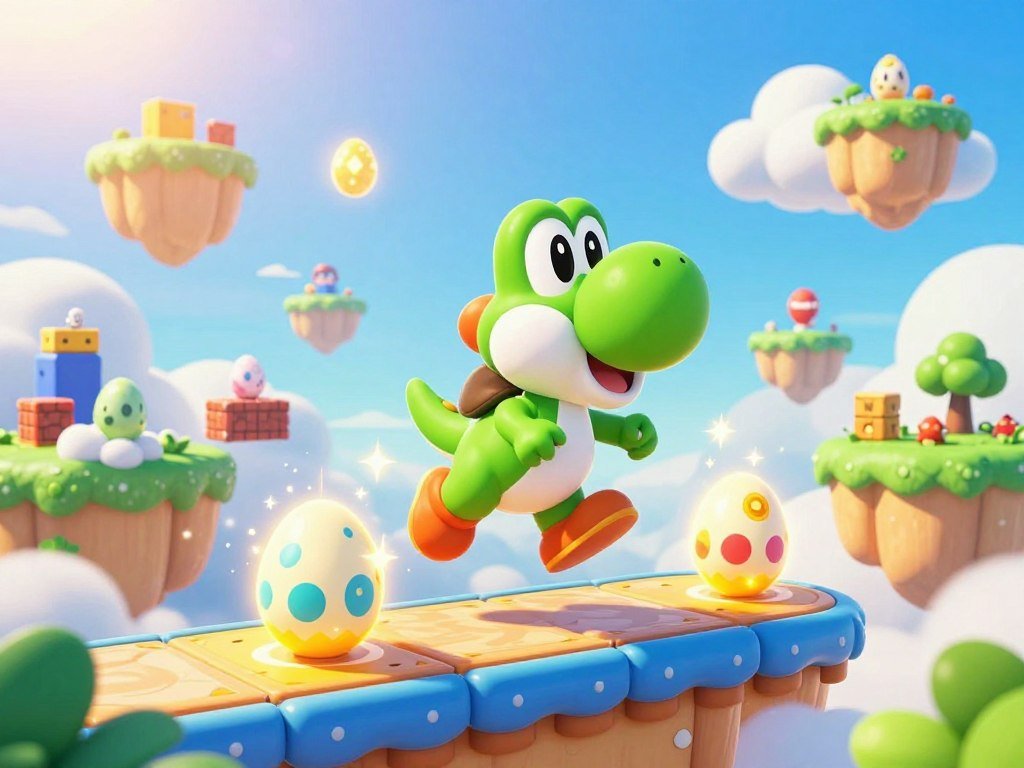
Yoshi’s Island: Super Mario Advance 3 has a Metascore of 91 and a user score of 8.9. It came out on Sept. 24, 2002, and is rated E. Yoshi’s egg-based abilities make it a good fit if you want a platform game built around exploration.
Original platforming ideas
Other games bring their own feel to the genre. Kirby: Nightmare in Dream Land offers a light challenge, while Wario Land 4 turns levels into nonlinear treasure hunts. Both suit players who want a familiar jump-and-run shape with different goals.
- Super Mario World: Super Mario Advance 2: a large, familiar world.
- Yoshi’s Island: Super Mario Advance 3: exploration and egg-based abilities.
- Kirby: Nightmare in Dream Land: a lighter challenge.
- Wario Land 4: nonlinear treasure hunting.
- Drill Dozer: platforming shaped by a drill.
Drill Dozer’s drill gives you a more unusual way to move and solve obstacles. Yoshi’s varied tools make its levels feel different from a standard Mario run, while Wario rewards a slower search for treasure.
The handheld screen asks you to take in a platforming world in a smaller space. That can make familiar levels feel more focused, especially when you play for a few stages at a time. Super Mario World: Super Mario Advance 2 is the pick for players who want plenty to uncover across its 74 levels.
Which GBA RPGs Deliver the Best Stories?
For a story-first RPG, choose Final Fantasy VI for an ensemble drama, Golden Sun for fantasy exploration, or Mario & Luigi: Superstar Saga for comedy. Each has a distinct voice, so your choice can depend on whether you want drama, wonder, or jokes.
Final Fantasy VI favors a large cast, while Golden Sun builds a broad fantasy adventure. Mario & Luigi: Superstar Saga offers a lighter tone and comic character moments.
Long-form worlds and party-based adventures
Final Fantasy VI earned a Metascore of 92. Its ensemble and dramatic story make it a strong answer to the best GBA story games question. It released on Feb. 5, 2007, and is rated E10+.
Golden Sun has a Metascore of 91 and a user score of 8.9. Released on Nov. 11, 2001, it brings exploration, puzzles, and turn-based battles together in a fantasy world. Golden Sun: The Lost Age continues that expansive trip and also has a user score of 8.9.
Mario & Luigi: Superstar Saga mixes turn-based battles with timed button presses. Its Metascore is 90, and it is rated E. The game came out on Nov. 17, 2003, and its comic tone makes it a good change from more serious RPG stories.
If you enjoy stories that put characters first, a broader selection of narrative games can help you compare different kinds of drama and adventure.
RPGs that change the battle rhythm
Tales of Phantasia uses random encounters and real-time battles. You can move during fights and switch the active party character, rather than wait through a fully turn-based system. That makes its battles feel closer to an action game.
Summon Night: Swordcraft Story divides play into days. You explore dungeons and enter tournaments by day, then develop character stories at night. Weapon crafting lets you strengthen your character as you play.
| Game | Distinguishing play feature | Strongest fit |
|---|---|---|
| Final Fantasy VI | Ensemble cast and dramatic story | Character-led drama |
| Golden Sun | Fantasy exploration and turn-based battles | Expansive fantasy |
| Mario & Luigi: Superstar Saga | Comedy and timed battle inputs | Lighthearted play |
| Tales of Phantasia | Random encounters and real-time battles | Action-focused combat |
| Summon Night: Swordcraft Story | Day-and-night structure and weapon crafting | Crafting and character stories |
Sword of Mana is a remake of Final Fantasy Adventure for Game Boy. It offers another route into a classic story, with action-based play instead of the turn-based rhythm found in many RPGs. Choose Tales of Phantasia if you want to move and switch characters during real-time battles rather than wait through purely turn-based combat.
Which GBA Strategy Games Test Your Planning?
Choose Advance Wars for battlefield planning, or Fire Emblem if you want the fate of individual characters tied to each tactical decision. Map control drives Advance Wars, while Fire Emblem puts named fighters at the center of each battle.
Advance Wars gives you large-scale unit choices; Fire Emblem makes each loss personal. Both use turns, so you have time to think before moving a unit.
Armies, maps, and turn-by-turn choices
Advance Wars earned a Metascore of 92. It released on Sept. 9, 2001, is rated E, and includes 114 maps. You command different units across varied battlefields, making it a good fit for players who enjoy weighing each move.
- Advance Wars: command units across maps and manage the fight.
- Advance Wars 2: Black Hole Rising: play a follow-up campaign.
- Fire Emblem: lead characters through tactical battles.
- Fire Emblem: The Sacred Stones: plan grid-based, turn-based fights.
Advance Wars 2: Black Hole Rising expands the military strategy formula with another campaign. Its appeal lies in adapting your unit choices to the map, rather than building a story around one hero.
Tactical RPGs and lasting consequences
Fire Emblem: The Sacred Stones uses grid-based, turn-based strategy. Fallen characters are permanently lost, which can make every move feel weightier. Fire Emblem’s user score is 8.8.
Final Fantasy Tactics Advance adds a rule-based twist. Each battle can ban specific items or commands, forcing you to change a plan that worked in the last fight. That changing limit gives battles a different puzzle each time.
Strategy games can differ in pace, from map-wide unit control to small squad decisions. A broader look at strategy game styles can help you compare those approaches beyond the GBA. Final Fantasy Tactics Advance is the best fit here if you enjoy adapting a plan to rules that can change from battle to battle.
Which Pokémon GBA Games Suit Different Players?
For a main-series Pokémon adventure, choose Emerald or FireRed and LeafGreen; for a different structure, try Red Rescue Team or Pokémon Pinball. The best fit depends on play style, from a familiar creature-collecting quest to short arcade rounds.
Emerald and FireRed or LeafGreen suit main-series play, while the spin-offs change the structure. Red Rescue Team focuses on dungeon exploration, and Pokémon Pinball: Ruby & Sapphire offers brief rounds.
Pokémon adventures and dungeon exploration
Emerald gives you a main-series adventure, while FireRed and LeafGreen remake the Kanto journey. A broader Pokémon game guide can help you compare these entries with games from other systems.
| Game | Play style | Rating or release detail |
|---|---|---|
| Pokémon Emerald | Main-series adventure | GBA main-series pick |
| Pokémon FireRed and LeafGreen | Remakes | Released Sept. 7, 2004; Everyone 10+ |
| Pokémon Mystery Dungeon: Red Rescue Team | Dungeon exploration | Released Sept. 18, 2006; playable on GBA |
| Pokémon Pinball: Ruby & Sapphire | Pinball | Released Aug. 25, 2003; rated E |
FireRed and LeafGreen are rated Everyone 10+ for mild fantasy violence and simulated gambling. Red Rescue Team changes the usual adventure structure with dungeons, while Pinball suits players who want a quick arcade-style game.
Choosing a Pokémon game for younger players
ESRB ratings give caregivers three kinds of information. The Rating Category suggests age appropriateness, and Content Descriptors name content that may have triggered the rating or interest parents.
Interactive Elements flag features such as online interaction or digital purchases. Those elements do not affect the rating assignment. In 2024, 65% of ESRB ratings assigned to physical and console-downloadable video games were E or E10+.
A 2025 survey found that 83% of parents with children who play video games knew about ESRB ratings, while 77% regularly checked ratings before buying games. Those broad figures cannot replace the details for one title. Check the individual ESRB category and Content Descriptors before handing a game to a younger player, since the rating belongs to that title.
What Are the Best Casual GBA Games?
For a few minutes of play, WarioWare, Inc.: Mega Microgame$! is the simplest place to jump in; for a group, choose Mario Kart: Super Circuit. Quick starts make both easy to pick up, though they offer different reasons to return.
A short session does not have to mean a shallow game. Track variety, repeated microgames, and collection goals can all keep a quick-play title fresh.
Games built for brief sessions
WarioWare, Inc.: Mega Microgame$! throws rapid-fire microgames at you, each with a tiny task and little time to react. WarioWare: Twisted! changes the feel with motion-based play, so your hands become part of the control scheme.
- WarioWare, Inc.: Mega Microgame$!: rapid-fire microgames.
- WarioWare: Twisted!: motion-based play.
- Mario Kart: Super Circuit: racing for solo or group play.
- Pokémon Pinball: Ruby & Sapphire: short pinball sessions.
A quick round with a little more challenge
Mario Kart: Super Circuit has a Metascore of 93 and 40 tracks. It released on Aug. 26, 2001, and is rated E. Track variety gives you a reason to return even when you only have time for a race.
The game supports up to four players. One Game Pak can support multiplayer, while a copy for each player adds extra features and modes. Pokémon Pinball: Ruby & Sapphire takes a different route, giving you brief arcade rounds and collection goals.
For quick sessions on a phone, casual Android games offer another set of short-play options, including puzzle and card games. Mario Kart: Super Circuit offers 40 tracks and supports up to four players, making it the strongest fit here for shared racing.
Which Third-Party GBA Games Stand Out?
Tony Hawk’s Pro Skater 2 is the strongest cross-genre starting point here, while Castlevania and Final Fantasy suit players after a longer adventure. These picks span several styles, so you can start with a genre you already know.
Here, “third-party” means a franchise outside Nintendo’s best-known in-house series. It does not mean every game on this list came from the same developer or publisher.
Action and exploration beyond Nintendo’s familiar series
Tony Hawk’s Pro Skater 2 has a Metascore of 95 and released on May 30, 2001. It is a strong skating pick if you like building a run through tricks and movement.
Castlevania: Aria of Sorrow earned a Metascore of 91 and came out on May 6, 2003. It suits players who want exploration and monster-filled stages. Klonoa: Empire of Dreams offers a platforming alternative beyond the familiar Nintendo series.
Role-playing alternatives
Final Fantasy VI has a Metascore of 92 and released on Feb. 5, 2007. Its large cast makes it a clear choice for a long RPG. Golden Sun earned a Metascore of 91 and came out on Nov. 11, 2001, with fantasy exploration and turn-based battles.
These games come from different franchises, so the label describes their place outside Nintendo’s best-known in-house series, not a shared company credit. A wider Nintendo 64 game selection also includes Tony Hawk’s Pro Skater 2 on another system.
Tony Hawk is a natural first choice for short skating runs, while Golden Sun or Final Fantasy VI can hold your attention across a longer story. Choose by the series and genre you already enjoy, since these picks span skating, exploration, platforming, and RPGs.
Can a Game Boy Advance Play Game Boy and Game Boy Color Games?
A standard Game Boy Advance can play Game Boy, Game Boy Color, and GBA cartridges, but a Game Boy Color cannot run GBA games. Backward compatibility lets one handheld cover several cartridge libraries.
Game Boy Micro is the exception: it does not support Game Boy or Game Boy Color cartridges. Check the model name, not just the system family, when choosing older games.
The best GBA and GBC games come from different libraries, even when one handheld can play both cartridge types.
The system’s support for older cartridges can make it a useful way to play original Game Boy and Game Boy Color releases. A Game Boy Color still cannot use GBA cartridges, so the direction of compatibility matters.
Sword of Mana shows how the libraries can connect without sharing the same game. It is a GBA remake of Final Fantasy Adventure, which first appeared on Game Boy. For help with Pokémon releases across older systems, see this guide to Pokémon emulators by system.
The Game Boy Micro keeps the GBA library but drops support for the older cartridge families. Check the specific handheld model before choosing older cartridges, especially if you are considering a Game Boy Micro.
Conclusion
The best first choice is the GBA game that matches the kind of play you want right now. A score can help you compare games, but your own taste matters more than a critic’s number.
Pick one title from your favorite genre, then confirm that your handheld supports its cartridge before you begin.
FAQ
Which Game Boy Advance game has the highest Metascore in this selection?
The Legend of Zelda: A Link to the Past / Four Swords and Tony Hawk’s Pro Skater 2 share the highest Metascore, at 95. One blends an adventure with optional multiplayer, while the other focuses on skating. Their equal scores do not mean they offer similar play. Choose between them by the genre you enjoy more.
Can a Game Boy Advance SP play original Game Boy cartridges?
Yes, a Game Boy Advance SP supports original Game Boy and Game Boy Color cartridges, along with GBA games. That makes it different from the Game Boy Micro, which cannot play the older cartridge types. Check the model name on the handheld before choosing a Game Boy or Game Boy Color cartridge.
Can a Game Boy Color play Game Boy Advance games?
No, Game Boy Color hardware cannot run GBA cartridges. The compatibility works in the other direction: a standard Game Boy Advance can play Game Boy and Game Boy Color games. The Game Boy Micro is an exception because it does not support those older cartridges.
How many players can play Four Swords on the GBA?
Four Swords supports Link and up to three other players. That gives the game a maximum of four players in its shared adventure mode. The multiplayer option sets it apart from a solo Zelda quest, so it suits players who want to explore and tackle challenges together.
Are Pokémon FireRed and LeafGreen appropriate for every child?
No single game rating guarantees that FireRed or LeafGreen suits every child. Both games are rated Everyone 10+ for mild fantasy violence and simulated gambling. Check the individual rating and its Content Descriptors against the child’s age and your family’s preferences before choosing the game.
Which GBA game is easiest to play in short bursts?
WarioWare, Inc.: Mega Microgame$! is an easy pick for short bursts because each microgame gives you a tiny task. Pokémon Pinball: Ruby & Sapphire is another good choice for quick arcade-style sessions. Pick WarioWare for rapid challenges, or pinball if you want a familiar game-table feel.



