What if the vacuum everyone recommends online turns out to be the wrong tool for your living room? It happens more often than you’d think. Someone buys a pricey cordless stick, brings it home to a house full of deep-pile carpet, and wonders why the thing struggles. Or they haul a heavy upright up three flights of stairs every week and quietly start skipping the job. (How to stop snoring at night home remedies)
The truth is there is no single “best home vacuum.” There is only the best vacuum for your floors, your storage space, your allergies, and how much effort you’re actually willing to put in. This guide breaks down what matters, what’s marketing noise, and how to match a machine to a real household.
Why “Best” Depends Entirely on Your Floor Type
Walk through most homes and you’ll find a mix: carpet in the bedrooms, hard flooring in the kitchen, a rug or two in the hall. Each surface makes different demands on a vacuum.
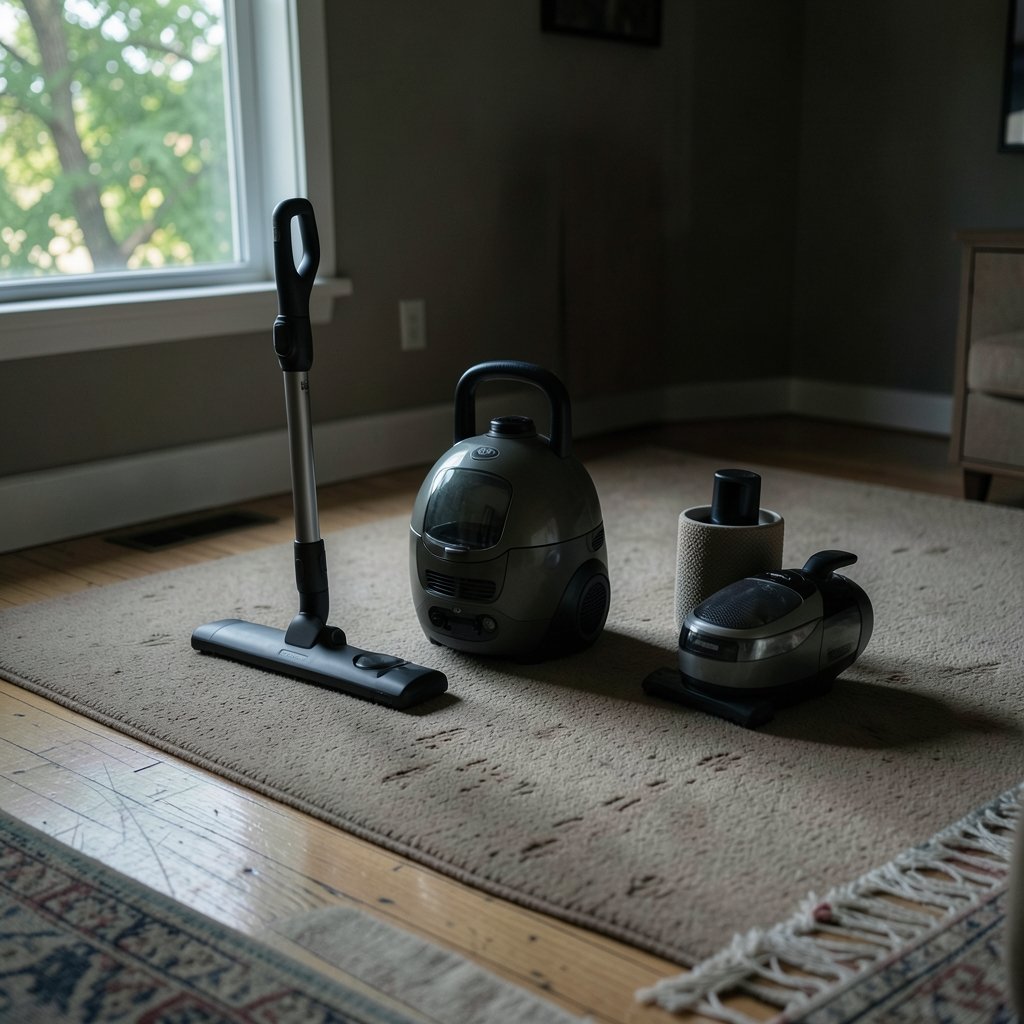
Carpet needs strong suction and a powered brush roll that agitates fibers and lifts embedded dirt. Hard floors need good edge pickup and a nozzle that won’t scatter debris or scratch a finish. Bare-floor tools and soft brush rolls handle that better than stiff bristles.
This is why testing organizations and standards-based labs rarely crown one model across every category. Carpet performance, hard-floor pickup, pet hair, and cordless convenience are measured separately, and a machine that shines in one test can fall flat in another. If you want a deeper look at how robot vacuums cope with upstairs floors, that’s a related but separate problem from choosing a main vacuum.
A practical rule: match your primary vacuum to your majority floor type, then use a lighter tool for quick cleanups elsewhere.
The Specs That Actually Matter (and the Ones That Don’t)
Manufacturers love big numbers. Most of them tell you less than you’d hope.
Air watts, Pa, and suction claims
You’ll see “air watts,” “Pa,” and “suction power” on boxes. These are different quantities and not directly comparable. Air watts (airflow multiplied by pressure) is the more meaningful single figure, but real cleaning also depends on how well the floor nozzle is designed. A great nozzle on a modest motor can beat a powerful motor with a poor head.
HEPA filtration
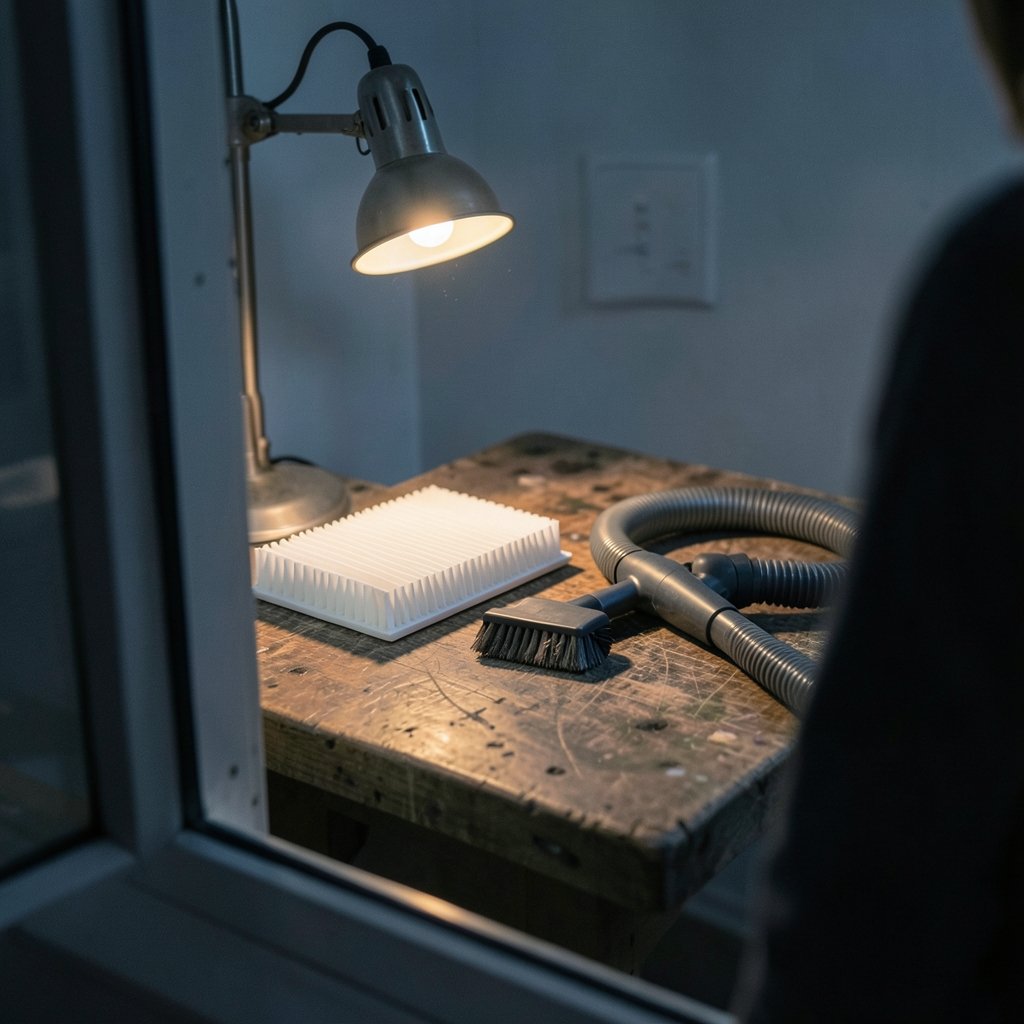
True HEPA filters capture at least 99.97% of particles at 0.3 micrometers. That’s a defined standard. “HEPA-type” or “HEPA-like” is marketing language and is not the same thing. For allergy sufferers, public-health bodies generally recommend HEPA filtration and sealed systems, though evidence that any specific vacuum reduces symptoms is limited.
Cordless runtime
Advertised runtimes of 30 to 60 minutes are usually measured at the lowest power setting. On high power, many cordless models run well under 15 minutes. Compare runtime at the setting you’ll actually use, not the eco mode you’ll never touch.
Bagged vs. bagless
| Feature | Bagged | Bagless |
|---|---|---|
| Suction as dirt collects | Holds up well as the bag fills | Drops as filters clog |
| Dust release when emptying | Low | Higher, especially without care |
| Ongoing cost | Bags to buy | No consumables, but filter cleaning |
| Maintenance | Swap the bag | Rinse or replace filters regularly |
Neither is universally better. Bagged suits allergy sufferers and people who hate mess. Bagless suits people who resent buying consumables.
Voltage
Battery voltage (18V, 20V, 25V) is a weak proxy for power. Real performance comes from the motor, airflow, and battery capacity in amp-hours or watt-hours. Don’t buy on voltage alone.
Matching the Machine to the Job
Different formats suit different homes. Here’s how the main types compare.
| Vacuum type | Best for | Watch out for |
|---|---|---|
| Upright | Deep carpet, large homes | Heavy, awkward on stairs |
| Canister | Mixed floors, stairs, above-floor cleaning | Bulky to store, dragging the body |
| Cordless stick | Quick hard-floor cleanups, small apartments | Short high-power runtime, weaker on deep carpet |
| Robot | Maintenance cleaning on open floors | Struggles with clutter, stairs, and edges |
| Handheld | Cars, upholstery, crumbs | Cannot clean a whole home |
For mixed homes, a canister or upright with a powered floor head generally outperforms a cordless stick on deep carpet. Sticks are brilliant for fast tidy-ups on hard floors and low-pile rugs. Many households end up with two tools: a workhorse and a quick-grab stick. If you’re layering in automation, a robot vacuum mop combo can handle daily maintenance while the main vacuum does the weekly deep clean, and the best robot vacuum mop combos actually clean floors rather than just smearing dirt around.
Weight, Noise, and the Stuff Reviews Skip
Two things rarely make the spec sheet but shape daily life: weight and noise.
A vacuum you dread carrying is a vacuum you’ll avoid. Uprights and canisters with large bins get heavy, and stairs magnify every extra pound. If your home has multiple levels, consider a lighter canister or a second machine for upstairs.
Noise is measured in dB(A) and varies widely, roughly 60 to 80+ dB(A) across models. There’s no universal “quiet” threshold for vacuums, so treat low-noise claims with mild suspicion and check independent measurements where you can.
Storage matters too. Measure your closet before buying. A canister that doesn’t fit gets shoved in a corner and forgotten.
Common Mistakes Buyers Make
A few traps catch almost everyone.
- Buying on suction numbers alone. Nozzle design and filtration often matter more than a headline figure.
- Ignoring the high-power runtime. That 45-minute claim may be 8 minutes on max.
- Skipping the filter plan. Bagless machines lose suction when filters clog. Set a cleaning reminder.
- Underestimating weight. Carry a demo unit if you can, or check the listed weight against your stairs.
- Forgetting attachments. A crevice tool and an upholstery brush turn one vacuum into three.
- Overlooking smart-home fit. If you’re building an automated home, check how a connected vacuum fits your ecosystem. Comparing HomeKit vs Google Home vs Alexa on compatibility, privacy, and cost saves headaches later, and the best smart speakers for home automation can tie routines together.
Pet owners should also prioritize a powered brush roll and a large bin. Hair wraps around rollers fast, and small bins fill in a single room.
Practical Tips That Actually Work
A few habits make any vacuum perform closer to its potential.
- Vacuum slowly. Rushing reduces pickup. Overlap passes and let the brush roll do its job.
- Empty or swap bags before they’re full. Suction drops as capacity fills.
- Clean filters on schedule. Rinse washable filters, let them dry fully, and replace worn ones.
- Check the brush roll monthly. Cut away hair and thread. A tangled roller cleans poorly and strains the motor.
- Use the right height setting. A brush roll set too low drags; too high and it skips the carpet.
- Keep a spare belt or filter. Small parts fail at the worst times.
Robot owners face their own quirks. Cliff sensors can misread dark surfaces, so if a robot refuses to cross a black rug, that’s a sensor issue, not a broken machine. It helps to learn how robot vacuum cliff sensors fail on black carpet and what works. Similarly, using the wrong cleaning fluid can damage tanks and leave residue, so check which alternatives to robot vacuum cleaning fluid actually work.
How to Test a Vacuum Before You Commit
You can’t always try before you buy, but you can stack the odds in your favor.
Check the return policy first. A generous window lets you test on your own carpet, which beats any showroom. Bring a handful of cereal or sand to a store demo if allowed, and watch how the machine handles it on a carpet sample. Listen to the noise level. Lift it. Check whether the bin empties cleanly.
Read methodology pages from independent testers instead of relying on star ratings alone. A test that measures carpet pickup with a defined standard tells you more than a vague “great suction” comment. Standards like IEC 62885-2 and ASTM F608 exist precisely so results can be compared fairly, and a review that names its method is usually more trustworthy than one that doesn’t.
Conclusion
The best home vacuum isn’t the one with the biggest number on the box. It’s the one that matches your floors, fits your storage, and doesn’t make you dread the job. Start with your majority floor type. Decide whether you want a bagged or bagless system. Weigh the machine against your stairs. Then look at filtration if allergies are a factor.
Most households do well with a capable corded workhorse for deep cleaning plus a light cordless or robot for daily upkeep. Get those two pieces right and the rest is detail. Buy for your home, not for a spec sheet, and you’ll end up with a vacuum you actually use.
FAQ
What is the best vacuum for homes with both carpet and hard floors?
A canister or upright with a powered floor head and a switchable bare-floor setting handles mixed flooring best. Many people add a cordless stick for quick hard-floor cleanups between deep cleans.
Is a bagged or bagless vacuum better?
Bagged models generally hold suction as the bag fills and release less dust when emptied, which suits allergy sufferers. Bagless models avoid ongoing costs but need regular filter cleaning to keep performance up.
How many air watts do I need?
There’s no universal number. Air watts matter, but nozzle design, filtration, and floor type affect real cleaning just as much. Compare models tested under the same standard rather than chasing the highest figure.
Do cordless vacuums really last 45 minutes?
Usually only on the lowest power setting. On high power, many cordless models run well under 15 minutes. Check runtime at the setting you’ll actually use before buying.
What does HEPA actually mean on a vacuum?
True HEPA filters capture at least 99.97% of particles at 0.3 micrometers. “HEPA-type” or “HEPA-like” labels don’t meet that definition, so look for certified HEPA if filtration is a priority.
How often should I clean my vacuum filter?
Check it monthly and clean or replace it as the manufacturer advises. Bagless machines lose suction noticeably when filters clog, and a clogged filter strains the motor over time.
Final Checklist Before You Buy
- Measure your storage space. Width, height, and door clearance all matter.
- Confirm the weight. Check the listed figure and imagine carrying it up your stairs.
- Verify filtration claims. Look for certified HEPA, not “HEPA-type.”
- Check the warranty and parts availability. Bags, belts, and filters should be easy to find.
- Read the return policy. A trial window on your own floors is worth more than any showroom demo.
A vacuum is a long-term purchase, and the right one quietly disappears into your routine. The wrong one sits in a closet gathering dust of its own. Take an hour to compare formats, filtration, and real-world runtime against your floors and your habits, and you’ll spend far less time regretting the choice later.
One last consideration: sound and feel matter more than most reviews admit. A machine that’s easy to maneuver around furniture and quiet enough for an evening clean will get used far more often than a louder, heavier model with marginally better specs. If possible, handle a floor model before buying. Finally, keep your receipt and register the warranty; most manufacturers honor claims only with proof of purchase, and belts, filters, and batteries are the parts most likely to need replacing first. With the right match between machine and home, your vacuum becomes an unremarkable but reliable part of the routine.