If fatigue or heavy periods have you considering iron tablets, the first step is finding out whether your body needs extra iron. Tiredness can also come from poor sleep, stress, or other health concerns, so symptoms alone cannot tell you the cause.
Serum ferritin is a blood protein that reflects the amount of iron stored in the body. Iron is not a general energy booster, and taking extra when you do not need it can be harmful. The right product depends on confirmed need, dose, life stage, and tolerance.
This comparison covers common formulas, doses, digestive tolerance, and supplement formats. It can help you prepare for a useful conversation with a healthcare professional, whether you are managing heavy menstrual bleeding or pregnancy-related needs.
A blood test and a clinician’s advice are a safer starting point than choosing the highest-dose bottle.
Key Takeaways
- Iron supplements work best when they match a confirmed need.
- Fatigue and other symptoms can have causes besides low iron.
- Product forms and elemental iron amounts differ.
- Pregnancy, menstruation, and age can change daily iron needs.
- High-dose iron can cause problems and needs medical guidance.
- Ask a clinician to interpret blood tests and suggest a plan.
Why are women more likely to have low iron?
Iron deficiency develops when iron loss or demand outpaces the amount your body absorbs. Menstrual blood loss, pregnancy, restricted food choices, and absorption problems can all tip that balance.
About 10 million adults in the United States and one in three people worldwide have iron deficiency. Iron helps your body make hemoglobin, which carries oxygen in red blood cells, and myoglobin, which helps muscles use oxygen.
The Office on Women’s Health lists blood loss, pregnancy, low dietary intake, and absorption problems as possible causes. Heavy menstrual bleeding can gradually lower iron stores, even when your usual diet includes iron-rich foods.
Pregnancy raises demand as the body supports a growing fetus and expanded blood volume. A diet with few iron-rich foods may also make it harder to replace iron lost through bleeding.
Some gastrointestinal conditions affect how well the body absorbs iron. Chronic health conditions can also change iron balance or raise the chance of deficiency.
Risk factors do not prove that your iron levels are low. They can help you decide when to bring concerns to a healthcare professional.
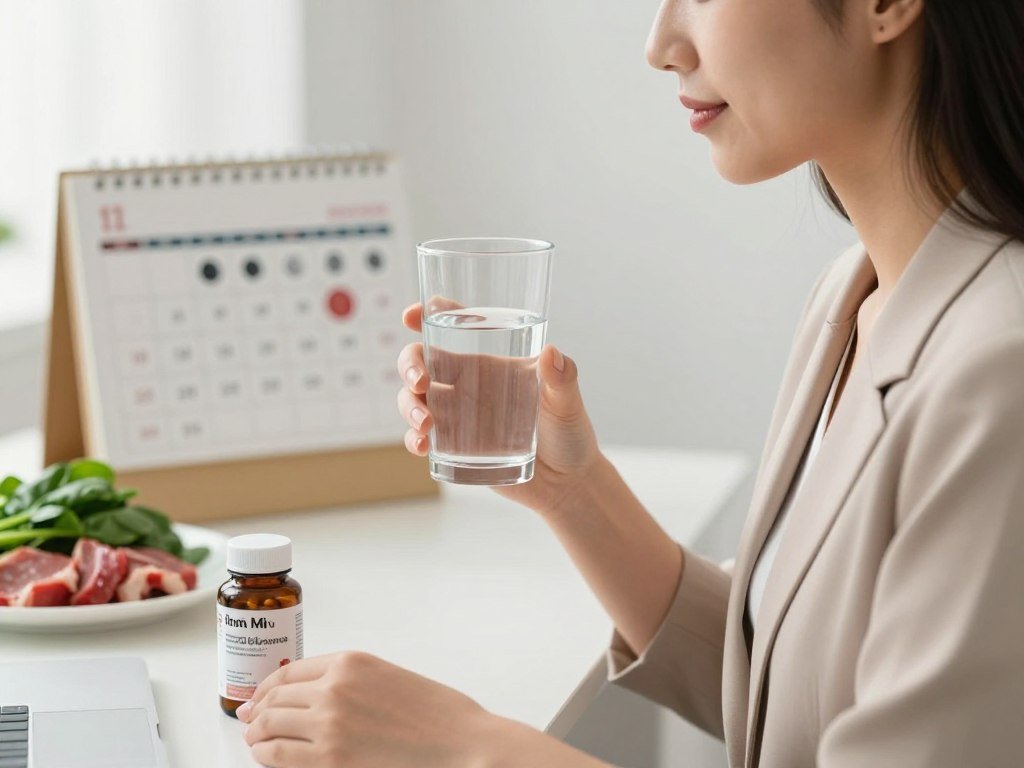
Ongoing heavy bleeding or a digestive condition is a reason to ask a clinician whether testing is appropriate.
What symptoms can low iron cause?
Persistent tiredness or trouble concentrating can be a clue to low iron, but neither symptom proves that iron is the cause. Iron deficiency may develop before it causes anemia, so symptoms can differ from person to person.
Common adult symptoms include fatigue, weakness, dizziness, and shortness of breath. Other signs can affect your heart, skin, head, and ability to focus.
- Low energy or unusual fatigue
- Weakness, dizziness, or headaches
- Difficulty concentrating
- Shortness of breath or a rapid heartbeat
- Pale skin
Iron-deficiency anemia means low iron has affected hemoglobin, the protein that helps red blood cells carry oxygen. Some symptoms may become more noticeable as anemia gets worse.
Teen symptoms can include tiredness, dizziness, weakness, shortness of breath, pale or yellowish skin, irritability, and restless legs. Teens with deficiency anemia may also have extreme fatigue, muscle weakness, brain fog, a racing heart, cold hands and feet, pica, or frequent headaches.
These signs can also stem from other health concerns. A symptom list cannot confirm low iron or show how much iron your body needs.

Seek prompt medical advice for significant shortness of breath, a racing heart, or severe weakness.
How is iron deficiency diagnosed?
A ferritin test can reveal depleted iron stores before hemoglobin falls enough to show anemia. Blood tests help clinicians assess iron deficiency and determine whether it has affected red blood cells.
In 2026, the American Society of Hematology recommends serum ferritin of 30 ng/mL or lower to diagnose iron deficiency in adults and menstruating or pregnant individuals. Different thresholds apply to some higher-risk groups and people with inflammation.
What ferritin and hemoglobin tests show
A complete blood count, or CBC, measures several parts of your blood. Hemoglobin helps show whether anemia is present, while ferritin estimates stored iron.
The American Society of Hematology recommends a serum ferritin threshold of 50 ng/mL or lower in 2026 for high-risk groups, including people with heavy menstrual bleeding and pregnant individuals with anemia. These ferritin thresholds need to be read in the context of the person’s health and risk factors.
| Test or situation | Result or threshold | What it helps assess |
|---|---|---|
| CBC and hemoglobin | Hemoglobin level from blood test | Anemia and red blood cells |
| Ferritin, adults and menstruating or pregnant individuals | 30 ng/mL or lower in 2026 | Iron stores and deficiency |
| Ferritin, specified high-risk groups | 50 ng/mL or lower in 2026 | Deficiency in heavy bleeding or pregnancy with anemia |
| Ferritin with inflammation | Under 100 ng/mL in adults | Possible deficiency despite inflammation |
| Transferrin saturation with inflammation | Under 20% in adults | Iron available to the body |
How inflammation changes ferritin interpretation
Inflammation can raise ferritin, making the result harder to interpret. In adults with cancer, inflammatory bowel disease, or infectious disease, clinicians should consider iron deficiency when ferritin is under 100 ng/mL or transferrin saturation is under 20%.
Up to 70% of iron deficiency cases among high-risk populations are missed because screening is limited and reference ranges vary. A result just outside one cutoff does not replace a full clinical assessment.
Ask the clinician who ordered the test to interpret ferritin alongside the rest of the blood work and your health history.
How much iron do women need each day?
For most women, the daily iron target changes with age and pregnancy or breastfeeding. Daily intake targets include iron from food, fortified products, and supplements.
Women ages 19-50 need 18 mg daily, while women 51 and older need 8 mg. Pregnancy raises the daily target to 27 mg, while breastfeeding needs are lower.
| Life stage | Daily iron RDA | Practical context |
|---|---|---|
| Women ages 19-50 | 18 mg | Food and supplements both count |
| Women 51 and older | 8 mg | Daily target after age 50 |
| Pregnancy | 27 mg | Higher demand during pregnancy |
| Breastfeeding | 9-10 mg | Target depends on the reference used |
The recommended dietary allowance, or RDA, is a daily nutrition target. It is not a treatment dose for a person with diagnosed iron deficiency.
Food and fortified products contribute to your total iron intake. A supplement can add to that amount, so the label matters when you compare products.
Needs also depend on life stage and individual health. A daily target does not show whether your iron stores are low or explain the cause.
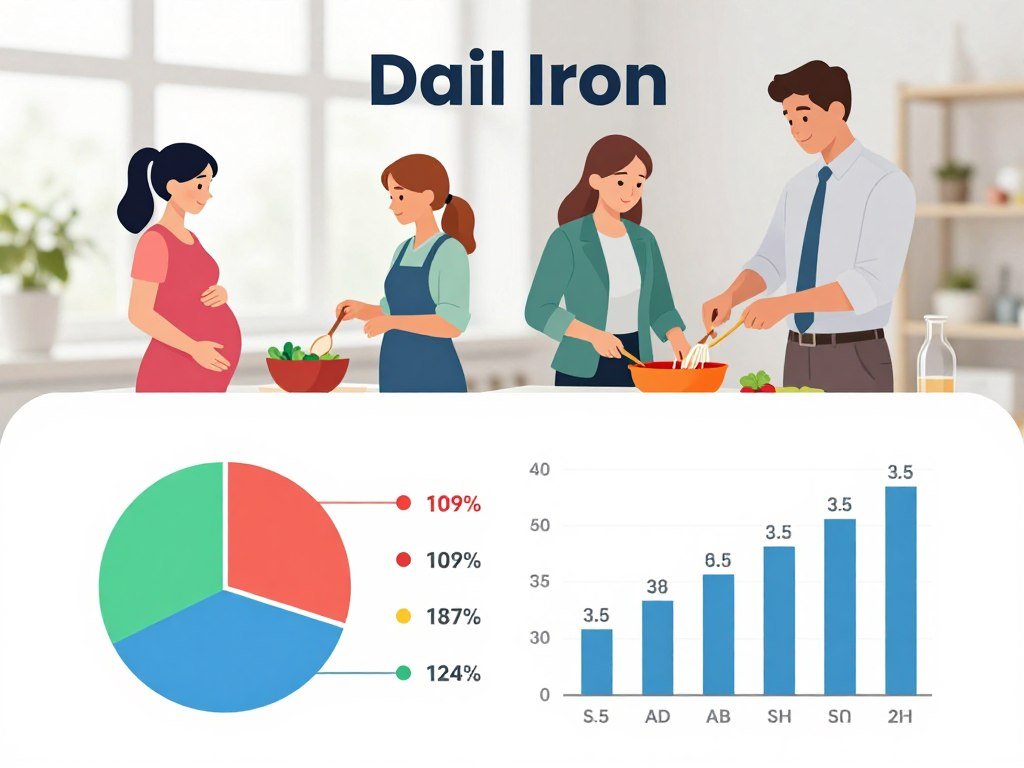
A clinician should set a treatment plan when tests confirm deficiency rather than using the RDA as a self-treatment dose.
Best Iron Tablets for Womens: Top Picks by Need
For a general-purpose daily option, NOW Iron Complex offers 27 mg of elemental iron in a bisglycinate formula. Elemental iron means the amount of iron in a supplement dose that the body can use.
These five products are options to discuss with a clinician, not substitutes for diagnosis. Product doses and prices below are listed one-time prices and serving or unit sizes.
| Product and best-fit use | Iron form | Elemental iron per serving | Servings or unit size | Listed one-time price |
|---|---|---|---|---|
| NOW Iron Complex, broad daily option | Ferrous bisglycinate | 27 mg | 100 servings | $13.99 |
| Doctor’s Best High Absorption Iron, lower-cost option | Ferrous bisglycinate | 27 mg | 120 tablets | $9.99 |
| Nature Made Iron, higher-dose option | Ferrous sulfate | 65 mg | 180 servings | $10.59 |
| Pink Stork Iron + Vitamin C, moderate-dose option | Ferrous bisglycinate | 18 mg | 60 servings | $32 |
| MaryRuth’s Liquid Iron, liquid format | Liquid iron | 18 mg | 32 servings | $34.95 |
Ferrous bisglycinate is a form of iron bound to an amino acid. The products differ in dose and format, so the label serving is not a treatment recommendation.
Best Iron Supplement for Anemia
Nature Made Iron provides 65 mg of elemental iron as ferrous sulfate. That dose may be considered in a clinician-directed plan, but anemia treatment needs a dose matched to test results.
Best Iron Supplement for Women Without Side Effects
No iron product can promise a life without side effects. Doctor’s Best and NOW use bisglycinate, a form some people may find easier to tolerate than traditional iron salts.
Best Iron Supplement for Anemia Without Constipation
There is no guaranteed constipation-free anemia supplement. Pink Stork offers a moderate-dose bisglycinate formula, while MaryRuth’s offers liquid iron for people who prefer not to swallow tablets.

Choose from the shortlist only after matching the dose to your lab results and checking with your clinician.
Which iron form absorbs well and may be easier on your stomach?
The form matters because two supplements with similar-looking labels can deliver different amounts of usable iron and feel different in the gut. Compound weight is not the same as elemental iron.
Ferrous sulfate is widely used and inexpensive, while bisglycinate may suit some people who find traditional salts hard to tolerate. No form works the same way for everyone.
| Form | Elemental iron share or label-specific dose | Practical distinction | Key limitation |
|---|---|---|---|
| Ferrous sulfate | About 20% of compound weight | Common and inexpensive | May cause digestive effects |
| Ferrous gluconate | About 12% of compound weight | Traditional iron salt | Lower iron share by weight |
| Ferrous fumarate | About 33% of compound weight | Higher iron share by weight | Compound weight is not dose guidance |
| Iron bisglycinate | Use the label-specific dose | Chelated form that may be easier to tolerate | Evidence is strongest in pregnant women |
| Heme iron | Use the label-specific dose | Iron from animal foods, generally absorbed more efficiently | Not found in plant foods |
Ferrous Sulfate Iron Pills
Ferrous sulfate iron pills are a common form of oral iron. They provide about 20% elemental iron by compound weight, compared with about 12% for ferrous gluconate and 33% for ferrous fumarate.
Those percentages describe the iron compound, not the full dose a person should take. The package label should state the elemental iron in each serving.
Best Iron Supplement for Absorption
Heme iron from animal foods is generally absorbed more efficiently than non-heme iron from plants and most supplements. Iron bisglycinate is a chelated form that may be easier to tolerate than ferrous sulfate.
What Makes a Better Iron Supplement?
A better fit depends on the elemental iron amount and how well you tolerate the product. Research suggests bisglycinate may be easier on the stomach for some people, with the strongest evidence in pregnant women.
Compare the elemental iron amount on the label, not just the compound’s total weight.
How much supplemental iron is appropriate for anemia?
Anemia treatment can require more iron than a daily nutrition target, but the amount should be set around your test results. Clinician-directed dosing accounts for how low your levels are and why.
Common over-the-counter products provide 18-65 mg of elemental iron per serving. The adult tolerable upper intake level is 45 mg per day from all sources unless a healthcare professional recommends a higher treatment dose.
Over-the-Counter Iron Pills for Anemia
Over-the-counter iron pills for anemia are available in many doses, but store availability does not prove that a dose suits your anemia. The label’s elemental iron amount is the useful figure for comparing doses.
A daily nutrition target and a treatment dose serve different purposes. A product with more iron is not automatically a better choice for you.
Why treatment doses need medical guidance
Treatment depends on lab results, anemia severity, the cause of deficiency, and your response. A clinician may use a dose above the general upper intake level when treating deficiency.
Too much iron can be harmful, and ongoing use without a plan can expose you to an unnecessary dose. Your clinician can also decide when repeat testing should guide changes.
Do not start a high-dose regimen or continue it long term without a clinician’s plan.
How can you manage gastrointestinal side effects?
Constipation and nausea are common reasons people struggle to keep taking oral iron. Higher doses are more likely to cause digestive effects.
Changing your dose or schedule should be discussed with a clinician. A small amount of food may ease nausea for some people, though food can reduce iron absorption.
Common digestive effects
- Constipation
- Nausea
- Diarrhea
- Stomach cramps
- Heartburn
- Dark stools
Dark stools can happen during iron supplementation. Contact a healthcare professional if stools look tarry or show red streaks.
Practical ways to improve tolerance
Drinking enough water and eating fiber-rich foods may help with constipation. These steps support comfort, but they do not replace advice about your iron dose.
Taking iron with a small amount of food may ease nausea, although it can reduce absorption. If side effects like cramps or heartburn disrupt your routine, tell your clinician rather than stopping prescribed treatment on your own.
MedlinePlus guidance on iron supplements notes that constipation, diarrhea, nausea, and vomiting can occur. Ask about a different dose or schedule if symptoms make treatment hard to follow.
Contact a healthcare professional if symptoms are severe, persistent, or make it difficult to follow the treatment plan.
When should you take iron for better absorption?
If your stomach tolerates it, taking iron between meals usually supports better absorption. An empty stomach can help the body absorb iron, though some people feel better with a small snack.
Ferrous sulfate is commonly taken at least one hour before or two hours after a meal. Your own product directions and medication schedule still matter.
Empty-stomach timing and food
Try these steps to balance absorption with comfort:
- Try an empty stomach if you tolerate it.
- Use a vitamin C-rich drink or food with non-heme iron.
- Separate iron from coffee and tea.
- Avoid taking iron with calcium or antacids.
- Use a small snack if nausea makes an empty stomach impractical.
What to take with iron and what to separate
Vitamin C can improve absorption of non-heme iron. A piece of fruit or a vitamin C-rich drink can be a simple pairing.
Coffee, tea, calcium, and antacids can reduce iron absorption. Exact spacing depends on the product and any medicines you take.
Check exact medication spacing with a pharmacist or clinician. Consistency matters more than forcing an empty-stomach routine that you cannot maintain.
What medicines and safety issues should you check first?
Iron can interfere with some medicines, so review your medication list before adding a supplement. Medicine spacing depends on the specific drug.
Iron may reduce the absorption or effectiveness of some antibiotics, antacids, and thyroid medicines. It can also interact with medicines used for Parkinson’s disease.
A pharmacist can check whether iron affects a medicine you take and how far apart the doses should be. The right spacing is not the same for every drug.
Bring prescription medicines, over-the-counter products, and supplements to that review. A quick list can help prevent missed interactions when your treatment changes.
Iron products can be dangerous if a child swallows them by accident. Keep bottles and liquid products secured after every use.
Keep every iron product locked or stored well out of children’s reach.
Can food help maintain healthy iron levels?
Food can help maintain iron intake, especially when meals regularly include iron-rich ingredients. Heme iron comes from animal foods, while non-heme iron comes from plants and fortified foods.
Pairing non-heme iron with vitamin C-rich food can support absorption. Beans with tomatoes or fortified cereal with fruit make practical combinations.
- Meat or poultry
- Seafood
- Beans or lentils
- Nuts or seeds
- Leafy greens
- Fortified cereal or bread
Meat, poultry, and seafood contain heme iron, which the body generally absorbs more efficiently. Beans, lentils, nuts, seeds, leafy greens, and fortified grains provide non-heme iron.
A meal with beans and tomatoes adds a source of vitamin C alongside plant iron. Fortified cereal with fruit is another easy pairing at breakfast.
Diet can help support healthy iron levels, but it may not replace medical care for confirmed deficiency. Ongoing blood loss can also keep lowering iron stores.
If blood tests confirm deficiency, do not rely on dietary changes alone without discussing a treatment plan.
What should teens and their families know about iron?
A teenage girl who menstruates has different iron needs from an adult woman, and heavy periods can raise the risk of low iron. Teen needs can also rise with sports or performance demands.
In the United States, menstruating female teens ages 14-18 need 15 mg of iron daily. Female teen athletes and performers may need up to 25 mg per day.
Best Iron Supplement for a Teenage Girl
The best iron supplement for a teenage girl is the one her healthcare professional recommends after reviewing symptoms and tests. A teen’s doctor may suggest oral iron once daily or every other day.
Parents should not choose an adult product or dose without a clinician’s advice. Teens may need a different plan based on their age, diet, symptoms, and blood work.
When teens should be screened
Routine low-iron screening is recommended for female teens who have menstruated for at least one year, with a first screening no later than age 14. Tests may include a complete blood count, hemoglobin, and ferritin.
Heavy or frequent periods can raise risk. Teens who follow vegetarian or vegan diets, or eat few iron-rich foods, may also need an assessment.
The American Academy of Pediatrics’ teen iron guidance describes daily needs and screening for menstruating teens. Families can use that guidance to prepare questions for a pediatric clinician.
Ask the teen’s healthcare professional to choose the product and dose after reviewing symptoms and test results.
How can pregnancy, menstruation, and menopause change iron needs?
Iron needs can shift when pregnancy increases demand or menstrual bleeding increases iron loss. Life-stage changes can affect how much iron your body uses or loses.
Pregnancy increases iron demand to support expanded blood volume, fetal growth, placental development, and infant iron stores. A clinician can assess whether your iron stores need attention.
Heavy menstrual bleeding can gradually lower iron stores. If periods have become heavier than usual, mention the change during a healthcare visit.
Iron needs generally decline after menopause because menstrual blood loss stops. This change does not rule out low iron from another cause.
Irregular or prolonged bleeding during perimenopause may be worth discussing with a clinician. A change in bleeding pattern can have causes that iron alone will not address.
Ask a clinician to review new or unusually heavy bleeding rather than treating it with iron alone.
How long does iron supplementation take to work?
Feeling better may take several weeks, even when treatment is on track. Some people notice improvement one to four weeks after starting an iron supplement.
Follow-up blood tests may be ordered in 8-12 weeks to check whether treatment is working. Symptoms can improve before iron stores are fully replenished.
Lab results help show whether hemoglobin and iron stores are recovering. Your clinician may adjust the plan based on those results and how you feel.
Iron may need to continue for another six months after hemoglobin and iron levels return to normal. That extra time helps rebuild iron stores.
The cause of deficiency also needs attention, or low iron may return. Continuing blood loss, for example, may keep draining iron even when supplements raise your levels.
Do not stop a prescribed course solely because your energy improves; follow the clinician’s lab-based plan.
How do you choose an iron supplement label you can trust?
A clear Supplement Facts panel makes it easier to compare the actual iron dose with your clinician’s recommendation. Read the serving size before comparing products.
The FDA does not approve dietary supplements for safety and effectiveness before they reach the market. Third-party testing can add checks for product identity and contaminants, but it does not prove a product suits your treatment.
Check the elemental iron amount per serving, other ingredients, and quality-testing details. Make sure the label fits the plan your clinician recommended.
Treat third-party testing as a quality check, not a substitute for medical advice.
Conclusion
The right iron tablet is the one that fits your test results and a treatment plan you can follow. A suitable choice matches confirmed need, dose, life stage, and tolerance.
Start by discussing blood tests and treatment options with a healthcare professional. Share your medicines and any changes in bleeding or digestion, so the plan reflects your health needs.
Before starting a high-dose product, ask a healthcare professional to review your iron tests and medicines.
FAQ
What are the best iron pills for anemia?
Ferrous sulfate is a common treatment form, but the right elemental iron dose depends on test results and clinician guidance. Anemia can have causes besides iron deficiency, so treatment should match the cause. Your clinician may also consider how severe the anemia is and whether you tolerate the product. Do not treat anemia with a high-dose product based on the label alone.
What is iron deficiency anemia?
Iron deficiency anemia is anemia in which too little iron limits hemoglobin production and the blood’s ability to carry oxygen. Hemoglobin is the protein in red blood cells that carries oxygen through the body. Low iron stores can occur before anemia develops. Blood tests help clinicians check both stored iron and hemoglobin, then decide whether treatment is needed.
Do iron supplements help with hair loss?
Iron supplements may help when hair loss is linked to confirmed iron deficiency, but they are not a general hair-loss treatment. Hair loss can have many causes, including health changes that iron will not fix. Blood tests and a medical review can help identify the cause. Taking iron without a confirmed need can expose you to harm without treating the problem.
Can iron tablets cause nausea?
Yes, iron tablets can cause nausea, along with other digestive effects. Taking a dose with a small amount of food may ease nausea for some people, though food can reduce absorption. If the problem continues, ask your clinician about the dose or schedule before changing it. Severe or lasting symptoms deserve medical advice, especially if they make treatment hard to continue.
Why can’t you lay down after taking iron pills?
Staying upright for about 30 minutes after taking iron pills is a practical way to reduce the chance of pill-related irritation in the esophagus. This precaution helps the pill move down rather than lingering in your throat. Take the tablet with water and follow its label directions. Ask a pharmacist if you have trouble swallowing pills or ongoing throat discomfort.
Is it better to take iron at night or morning?
Either morning or night can work if the timing fits your routine and treatment plan. An empty stomach may improve absorption, but a small snack may be easier if iron makes you feel sick. Choose a consistent time that does not conflict with medicines. A pharmacist can help you plan spacing around a specific prescription or over-the-counter product.
What boosts iron immediately?
Food and oral supplements do not replenish iron instantly. Treatment depends on how low your iron is, the cause, and your health needs. Iron-rich food can support intake, but it cannot quickly correct every case of deficiency anemia. Seek medical assessment for urgent symptoms, such as severe shortness of breath, fainting, or a racing heart.
What are 15 signs that you might be iron deficient?
There is no fixed set of 15 signs that proves iron deficiency. Common clues include fatigue, weakness, dizziness, trouble concentrating, shortness of breath, headache, pale skin, and restless legs. These symptoms can also have other causes, so they cannot confirm low iron on their own. A healthcare professional can decide whether blood tests are needed based on your symptoms and health history.