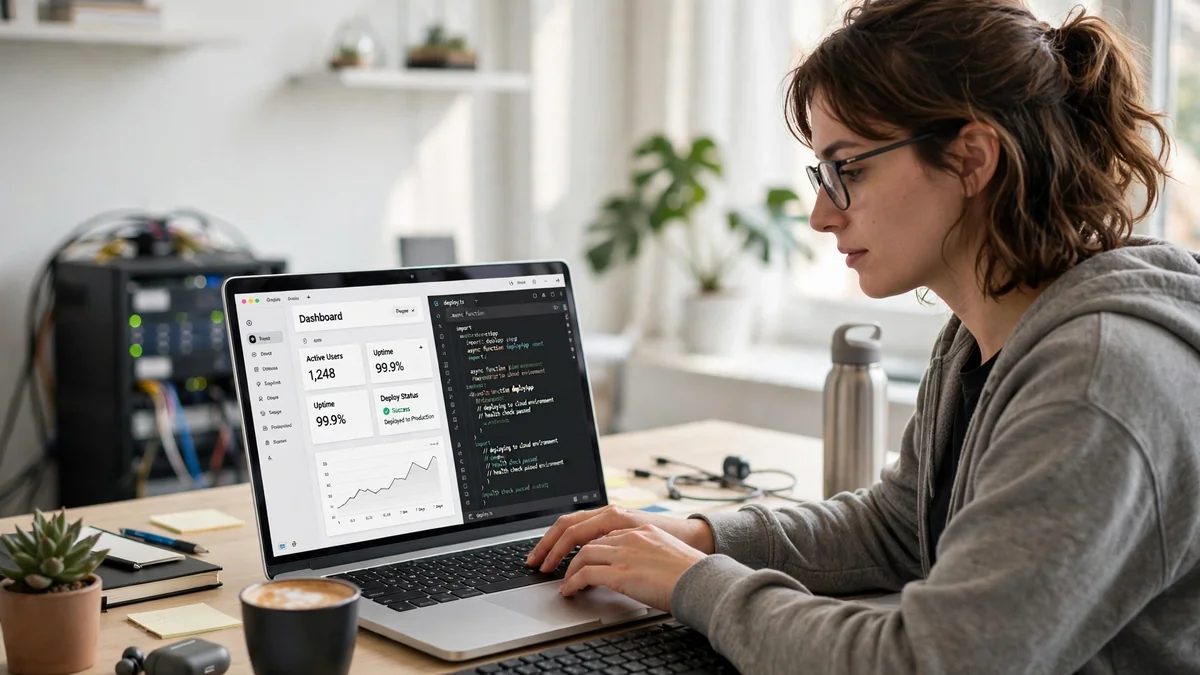
Animation is a strange mix of jobs for a laptop: it needs a colour-accurate screen for drawing, a fast processor for playback, enough memory for long timelines, and a pen for drawing directly on the screen. A laptop that is great for 3D rendering may be terrible for 2D animation if its screen is dull or its pen is clumsy, and a laptop that is great for drawing may choke on a 3D scene.
What matters most depends on the kind of animation you do. 2D animators need a great display and pen support above all. 3D animators need a strong GPU and plenty of memory. Motion designers need a bit of everything, plus a screen that shows colour accurately for client work.
We tested the leading animation laptops on display accuracy, pen performance, playback smoothness, render times, weight and battery life. The seven below are the strongest picks for animators in 2027, from a 14-inch Mac to a 16-inch Windows machine with a built-in editing dial.
Key takeaways
- Best overall: Apple MacBook Pro 14 with M4 Pro — the best combination of display, speed and portability.
- Best for 2D animation: HP Spectre x360 14, which folds into a tablet with a pen included.
- Best Windows pick: ASUS ProArt P16, with a calibrated OLED display and a dial built for creative software.
- Best for 3D animation: MacBook Pro 16 with M4 Max, for large scenes and fast renders.
- Watch out for: pen support is not a checkbox — test the pen’s pressure, tilt and palm rejection before you buy.
At a glance: the shortlist
| Product | Best for | Starting price | Standout limit |
|---|---|---|---|
| Apple MacBook Pro 14 (M4 Pro) | Best overall | From $1,999 | No touchscreen or pen |
| ASUS ProArt P16 | Best Windows pick | From $1,899 | Battery life around 8 hours |
| HP Spectre x360 14 | Best for 2D animation | From $1,449 | Modest GPU for 3D work |
| Lenovo Yoga Pro 9i | Best value | From $1,699 | No SD card slot |
| Dell XPS 14 | Best premium Windows laptop | From $1,699 | Base storage only 512GB |
| LG gram 16 | Best for travel | From $1,499 | Display is good, not great |
| Microsoft Surface Laptop 7 | Best for sketching | From $999 | Modest GPU |
Apple MacBook Pro 14 (M4 Pro) — Best overall
The 14-inch MacBook Pro is the best all-round animation laptop in this roundup. Its XDR display is accurate enough for colour-critical work, the M4 Pro chip handles 2D and 3D animation smoothly, and the battery lasts a full day. It has no touchscreen or pen, so 2D animators will pair it with a drawing tablet, but for 3D animation, motion design and compositing it is the most capable 14-inch machine you can buy, and it is quiet enough to work in a shared studio.

If your work also covers illustration, our guide to the best laptops for graphic design compares the same machines for 2D creative work.
Pros: ✓ Excellent colour-accurate display
✓ Fast for 2D and 3D animation
✓ All-day battery life
Cons: ✗ No touchscreen or pen
✗ Upgrades are pricey
ASUS ProArt P16 — Best Windows pick
The ProArt P16 is the most animator-friendly Windows laptop available. Its 16-inch OLED display is factory calibrated and covers the full DCI-P3 colour space, the ASUS Dial adjusts brush sizes and timeline scrubbing without touching the keyboard, and the RTX graphics card handles 3D animation and GPU rendering comfortably. It is the closest thing to a purpose-built animation laptop on Windows, and for motion designers it is hard to beat.
Pros: ✓ Calibrated OLED display
✓ Editing dial built into the chassis
✓ Strong GPU for 3D work
Cons: ✗ Battery life trails Apple
✗ Speakers are average
HP Spectre x360 14 — Best for 2D animation
The Spectre x360 14 folds into a tablet, which makes it the best laptop for 2D animators who draw directly on the screen. The 2.8K OLED display is vivid and accurate, the included stylus has good pressure sensitivity and palm rejection, and the Intel Core Ultra processor handles 2D animation and storyboarding with ease. It is not the machine for heavy 3D work, but for hand-drawn animation, storyboarding and motion graphics it is a joy to use.
Pros: ✓ Folds into a tablet for drawing
✓ Vivid OLED display
✓ Stylus included
Cons: ✗ Integrated graphics limit 3D work
✗ Battery life is average
Lenovo Yoga Pro 9i — Best value
The Yoga Pro 9i gives animators a bright 14.5-inch 3K display, an Intel Core Ultra processor and RTX graphics for about $1,699, which is hundreds less than the premium picks. The display is colour-accurate enough for client work, the touchscreen supports pen input for sketching and annotation, and the six speakers are useful for reviewing animation with sound. It is the best value in this roundup for animators who want a bit of everything.
Pros: ✓ Great value for the spec
✓ Bright, accurate touchscreen
✓ Good speakers
Cons: ✗ No full-size SD card slot
✗ Heavier than it looks
Dell XPS 14 — Best premium Windows laptop
The Dell XPS 14 is a compact, beautifully built laptop with a sharp display and enough power for animation work. The optional OLED panel is bright and colour-rich, the Intel Core Ultra processor handles 2D and 3D animation smoothly, and the slim aluminium body is easy to carry to a studio or a client meeting. It has no pen, so 2D animators will need a separate drawing tablet, but for motion design and 3D work it is a refined, capable choice.
Pros: ✓ Slim, premium aluminium build
✓ Sharp OLED display option
✓ Four Thunderbolt 4 ports
Cons: ✗ No pen or touchscreen
✗ 512GB base storage fills fast
LG gram 16 — Best for travel
The LG gram 16 weighs under 1.2 kg despite its 16-inch screen, which makes it the best laptop for animators who work on the move. The large display shows more of your timeline at once, the Intel Core Ultra processor handles animation work comfortably, and the battery lasts well over 12 hours. The display is less colour-accurate than the premium picks, so professionals who deliver colour-critical work should pair it with a calibrated monitor at home, but for sketching, storyboarding and editing on the road it is unmatched.
Pros: ✓ Featherweight for a 16-inch laptop
✓ Huge battery life
✓ Large screen for timelines
Cons: ✗ Display covers less of DCI-P3 than rivals
✗ Plastic-feeling chassis
Microsoft Surface Laptop 7 — Best for sketching
The Surface Laptop 7 is the most affordable laptop in this roundup, and it is a good fit for animators who sketch and storyboard more than they render. The touchscreen supports pen input, the Snapdragon processor is efficient and quiet, and the battery lasts a full day. It is not the machine for heavy 3D animation, but for 2D animation, storyboarding and motion graphics work it is a capable, good-looking laptop at a friendly price.
Pros: ✓ Affordable starting price
✓ Touchscreen with pen support
✓ Excellent battery life
Cons: ✗ Modest GPU for 3D work
✗ Some creative apps still optimise for x86
How to choose
Start with the kind of animation you do most. 2D animators should buy the display and the pen first — a laptop that folds into a tablet with a good stylus will change how you work. 3D animators should buy the GPU and the memory first, because rendering and large scenes are where the time goes. Motion designers need a balance of both, plus a screen that shows colour accurately for client work.
For recording voiceover and reference video, our guide to the best webcams for streaming covers cameras that also work well for animation reference.
Then check the software. Some animation tools are optimised for specific platforms, and a laptop that runs your app well is worth more than a faster laptop that does not. If you use a pen, test it in the shop: pressure sensitivity, tilt and palm rejection vary enormously between laptops.
Checklist: before you pay
- Decide whether you need a pen — 2D animators do, 3D animators usually do not.
- Check the display covers DCI-P3 for colour-critical work.
- Test the pen’s pressure, tilt and palm rejection before buying.
- Buy 16GB of memory minimum, 32GB for 3D animation.
- Confirm your animation software runs well on the laptop’s processor.
- Check the weight if you carry the laptop to a studio every day.
Frequently asked questions
Do I need a touchscreen laptop for animation?
For 2D animation and storyboarding, yes — drawing directly on the screen is much faster than using a separate tablet. For 3D animation and motion design, a touchscreen is nice but not essential, and many animators prefer a mouse and keyboard.
How much memory do I need for animation?
16GB is the minimum for 2D animation and motion design. 3D animation with large scenes needs 32GB or more, especially since most of these laptops cannot be upgraded later.
Is a Mac or Windows laptop better for animation?
Both work well. Macs win on display accuracy, battery life and silence. Windows laptops win on pen support, GPU choice and price. Pick the platform your animation software runs best on.
What is the best laptop for 2D animation?
The HP Spectre x360 14 is the best pick for 2D animators, because it folds into a tablet with a pen included and a vivid OLED display. The MacBook Pro 14 is better if you also do 3D work.
Can I animate on a MacBook Air?
Yes, for 2D animation and light motion design. The MacBook Air 15 with M4 is silent, light and fast enough for most 2D work. It struggles with heavy 3D scenes, where the fanless design causes it to slow down.
Do I need a dedicated graphics card for animation?
For 2D animation, no — integrated graphics are fine. For 3D animation and GPU rendering, yes — a discrete GPU speeds up viewport work and renders dramatically.
If you also edit photos, our guide to the best laptops for photographers covers machines with the same colour-accurate displays.
The bottom line
For most animators, the MacBook Pro 14 is the right buy: its display is trustworthy, it handles 2D and 3D work, and it lasts all day. If you draw directly on the screen, the HP Spectre x360 14 is the better choice, and Windows users who want the most animator-focused machine should look at the ASUS ProArt P16.
Whatever you choose, test the pen and the display with your own work before the return window closes. A laptop that feels right in your hand will serve you better than a faster one that fights you every day.
Note: Prices and plans change. Check the product’s current plan details before buying — no link is provided here by design, all links in this article go to other occcy.com guides.