
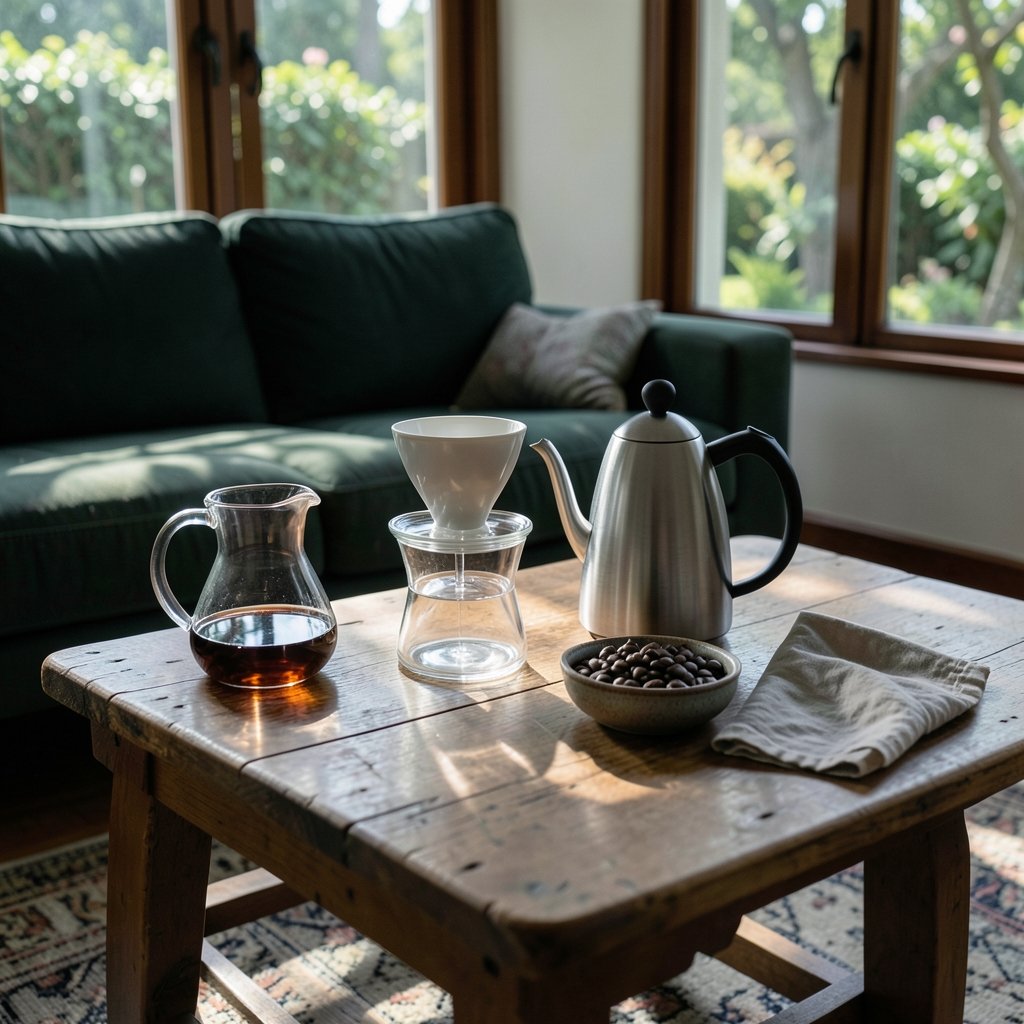
Can a brewer that costs less than a week of café lattes really make a cup worth waking up for? Yes, and the proof sits in the numbers. A brewer priced around $23 to $30 can produce café-quality coffee when the water, grind, and technique line up. The trick is knowing which sub-$150 option fits how you actually brew. Some people want a forgiving cone they can master in a weekend. Others want a machine that does the pouring for them. This roundup covers seven named brewers that stay under the $150 line, with what each does well, where each falls short, and who should skip it. (10 best ai chatbots gpt 5 claude under hood 2027)
The Shortlist at a Glance
| Brewer | Best for | What it does well | Main limitation | Price |
|---|---|---|---|---|
| Hario V60 02 | Learners who want control | Total control over flow and extraction | Rewards technique, punishes sloppy pours | About $27 |
| CHEMEX 6-Cup Classic | Small groups and design lovers | Clean cup, brews up to 30 fl oz | Proprietary filters cost more | Not stated |
| Kalita Wave 185 | Beginners chasing consistency | Flat bed evens out an uneven pour | Uses its own Wave 185 filters | Not stated |
| Bee House Ceramic Dripper | Gift buyers and slow-brew fans | Two small holes slow the drawdown | Small capacity per brew | Not stated |
| OXO Brew Pour-Over | People who dislike fiddling | Built-in tank meters the water | Less manual control by design | Not stated |
| TRU Automatic Pour-Over | Anyone who wants push-button ease | Automates the whole pour | Less room to tinker | Under $85 |
| Dwell Dripper | Travel and tiny kitchens | Cheap, simple, mug-friendly | Basic build, no extras | About $30 |
Prices above come from published reviews and shift often, so confirm the current number before buying.
Hario V60 02: The Default Starting Point
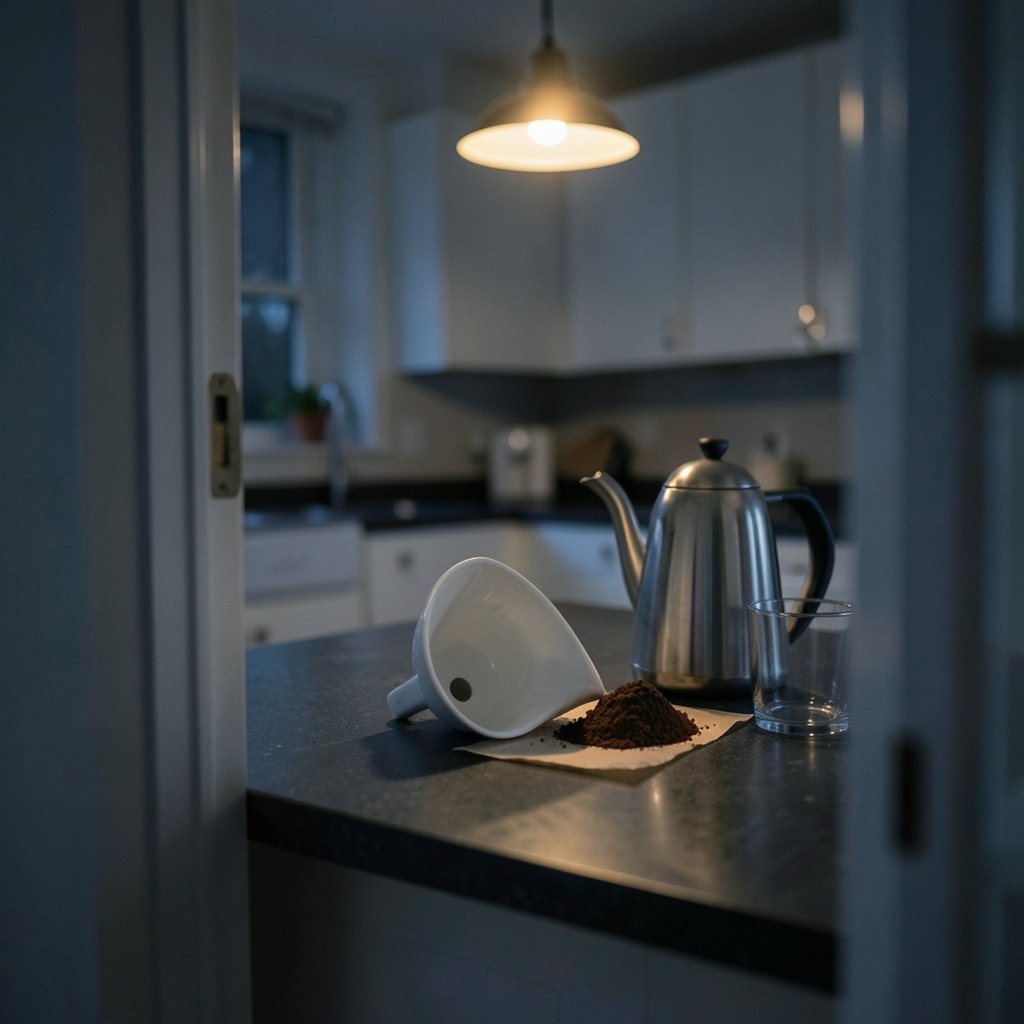
Baristas keep naming the V60 for a reason. Three baristas interviewed for a widely shared roundup all landed on the same two favorites, the Hario V60 and the Chemex, and one noted that it is hard to find a pour-over dripper that cannot make tasty coffee. The V60 02 is the enthusiast default: a 60-degree cone with spiral ribs and one large hole. That single big hole is the whole story. It gives you total control over flow and extraction, which is exactly why it costs about $27 and still shows up in professional shops.
Who it suits: someone who wants to learn. The V60 teaches you what grind size and pour speed do to a cup, and those lessons carry over to every other brewer.
The limitation is real. A sloppy pour shows up in the cup. If you want forgiveness, keep reading.
CHEMEX 6-Cup Classic: The Crowd-Pleaser
The CHEMEX is the brewer that looks as good as the coffee tastes. It sits in the Museum of Modern Art’s collection, which makes it one of the few kitchen tools that doubles as a design object and a legitimate gift. The 6-cup model holds 30 fluid ounces, so it handles two people comfortably and a small group with a refill.
What it does well: a thick paper filter traps oils and fines, producing a clean, bright cup with real clarity. It also keeps plastic out of the brewing path, since the body is glass.
The limitation: proprietary filters. The CHEMEX only takes CHEMEX-shaped paper, which costs more than supermarket cones and is harder to find on short notice. If you brew daily, budget for that recurring cost. If you are weighing materials across your whole kitchen setup, a broader look at how different brewers handle hot water contact is worth ten minutes before you commit.
Kalita Wave 185: The Beginner’s Safety Net
Here is the honest truth about pour-over: a cone punishes uneven pouring. The Kalita Wave fixes that with a flat-bottom bed and three small holes, which evens out a sloppy pour so beginners get a good cup without perfect technique. Two people can share a Wave 185, and it is one of the most forgiving brewers in its class.
What it does well: consistency. Day after day, the flat bed produces a similar cup even when your hand wobbles.
The limitation: you are locked into Wave 185 paper filters. They are not universal, so stock up rather than assuming the corner store has them. If running out of filters mid-week sounds like your life, this is the trade-off to accept going in.
Bee House Ceramic Dripper: The Quiet Overachiever
The Bee House, made by Zero Japan, is a glazed ceramic cone with two small holes instead of one big one. Those two holes slow the drawdown and quietly forgive a sloppy pour, which makes it a gentler teacher than the V60. It uses cheap supermarket #2 filters rather than a proprietary shape, a small, real kindness to whoever owns it.
Who it suits: gift buyers, slow-morning brewers, and anyone who wants ceramic weight and warmth on the counter.
The limitation: capacity. It brews small, so a household of two coffee drinkers will be pouring twice. Ceramic also holds heat well but needs a pre-rinse to warm up on cold mornings.
OXO Brew Pour-Over: Technique, Removed
Some people want to learn pour-over. Others want the result without the ritual. The OXO Brew Pour-Over takes the skill out of it with a clever water tank that meters the water for you, so the brewer handles distribution while you handle the kettle.
What it does well: it narrows the gap between a nervous first attempt and a repeatable good cup.
The limitation: less manual control by design. If you enjoy adjusting pour speed mid-brew, this is not the brewer for you. For everyone else, it removes the most common beginner mistake in one move.
TRU Automatic Pour-Over: Push-Button Convenience
A pour-over usually means a dripper, a gooseneck kettle, and some patience. The TRU Automatic Pour-Over Digital Control Coffee Maker consolidates that process into one compact gadget: you pop a filter in the dripper, fill the tank in the back, and press the water droplet button on the display. It costs under $85, which is less than a certain beloved pod machine. One reviewer who had hesitated to try pour-over at home said the machine does all the hard work for her.
What it does well: it delivers pour-over-style coffee without a kettle, a scale, or a stopwatch.
The limitation: it is a machine, so it adds a footprint and a dependence on electronics. Manual brewers last decades; this one will not. If you are already weighing automated options across your kitchen, the same logic that applies to picking an automated brewer applies here: pay for the friction you actually want removed.
Dwell Dripper: The Sub-$30 Workhorse
A former barista who spent years behind a café counter now makes morning coffee with a $30 Dwell Dripper. The reasoning is simple: you do not need an expensive machine to produce café-quality results. All it takes is freshly ground beans, filtered water, and an affordable brewer. The Dwell fits over a mug, takes a paper filter, and asks nothing more. (Coffee maker overflows filter basket it happens fix it)
What it does well: it is cheap, simple, and mug-friendly, which makes it the easiest first brewer and the easiest travel brewer.
The limitation: basic build. No ceramic weight, no tank, no valve. It is a funnel with good geometry, and that is the point.
How to Choose Without Overthinking It
Buy in this order, and you will never waste money.
- Decide whether you want to learn technique or skip it. Manual brewers (V60, Kalita, Bee House) teach you and reward practice. Automatic options (TRU, OXO) remove the learning curve.
- Check filter availability before you buy. Proprietary shapes (CHEMEX, Wave 185) cost more and are harder to find. Supermarket #2 cones are cheap and everywhere.
- Match capacity to your household. A 30-ounce CHEMEX serves two. A single-cup dripper means brewing twice.
- Budget for the grinder and the brewer. Freshly ground beans matter more than the cone. A great dripper with pre-ground coffee loses to a $27 cone with fresh grounds.
- Spend the leftover cash on a gooseneck kettle. Slow, controlled pouring is the single biggest upgrade for any manual brewer.
One more practical note: hard water quietly wrecks brew quality and shortens the life of any brewer it touches. If your taps run chalky, a simple filter routine keeps both your kettle and your carafe in better shape.
Mistakes That Ruin Good Gear
The most common mistake is buying a $27 cone and then pouring from a wide-spout kettle. Water crashes in, the bed channels, and the cup turns bitter. A gooseneck fixes it for less than the price of two café visits.
The second mistake is stale coffee. Pour-over rewards freshness more than any other method because there is nowhere for off-flavors to hide. Buy whole bean, grind just before brewing, and store beans away from light.
The third is skipping the rinse. Rinsing the paper filter with hot water removes papery taste and pre-warms the brewer. It takes five seconds and changes the cup.
The fourth is overfilling. If your brewer holds 30 ounces, brewing 34 means overflow and a mess. Measure the water before you pour, not after.
Conclusion
The best pour-over coffee maker under $150 depends less on the price tag and more on the person holding the kettle. If you want to learn the craft, the Hario V60 02 at about $27 is the default for good reason, and the Kalita Wave 185 softens the learning curve. If you want a showpiece that serves two, the CHEMEX 6-Cup Classic earns its place on the counter and in the museum. If technique sounds like homework, the TRU Automatic Pour-Over under $85 does the pouring for you, and the $30 Dwell Dripper proves that great coffee does not require great spending. Pick the brewer that matches your mornings, buy fresh beans, and put the savings toward a kettle that pours slow.
Frequently Asked Questions
Is a $27 dripper really as good as an expensive machine?
For cup quality, often yes. A simple cone with fresh grounds and controlled pouring can match or beat machines costing many times more. Expensive automatic brewers buy convenience and consistency, not inherently better coffee. The brewer matters less than the beans, the grind, and the water.
Do I need a gooseneck kettle to make pour-over?
For cone brewers like the V60, strongly recommended. A gooseneck gives you slow, steady control, which prevents channeling and bitter cups. For forgiving brewers like the Kalita Wave or an automatic model, a standard kettle works fine. It is the cheapest upgrade with the biggest effect.
Which pour-over brewer is most forgiving for beginners?
The Kalita Wave 185 and the Bee House Ceramic Dripper are the friendliest. The Wave’s flat bed evens out an uneven pour, and the Bee House’s two small holes slow the drawdown. Both let a beginner get a good cup without perfect technique, which keeps the habit alive.
How much do filters cost over a year?
It depends on the shape. Supermarket #2 cones are cheap and widely available. Proprietary filters for the CHEMEX and the Kalita Wave 185 cost more per filter and are harder to find locally. If you brew daily, factor filters into the budget before you pick a brewer.
Can I make pour-over coffee without a scale?
You can, but consistency suffers. A scale lets you repeat a ratio that worked, which is how you improve. Start with a simple recipe, weigh the water once or twice, and you will quickly learn what a good cup looks like in the carafe. Eyeballing works after that.
What is the most common reason pour-over coffee tastes bad?
Uneven pouring and stale beans, in that order. Water that crashes into the bed creates channels, so some grounds over-extract while others stay dry. Old grounds add flat, papery notes. Fix the pour with a gooseneck kettle, and fix the flavor with freshly ground beans.



