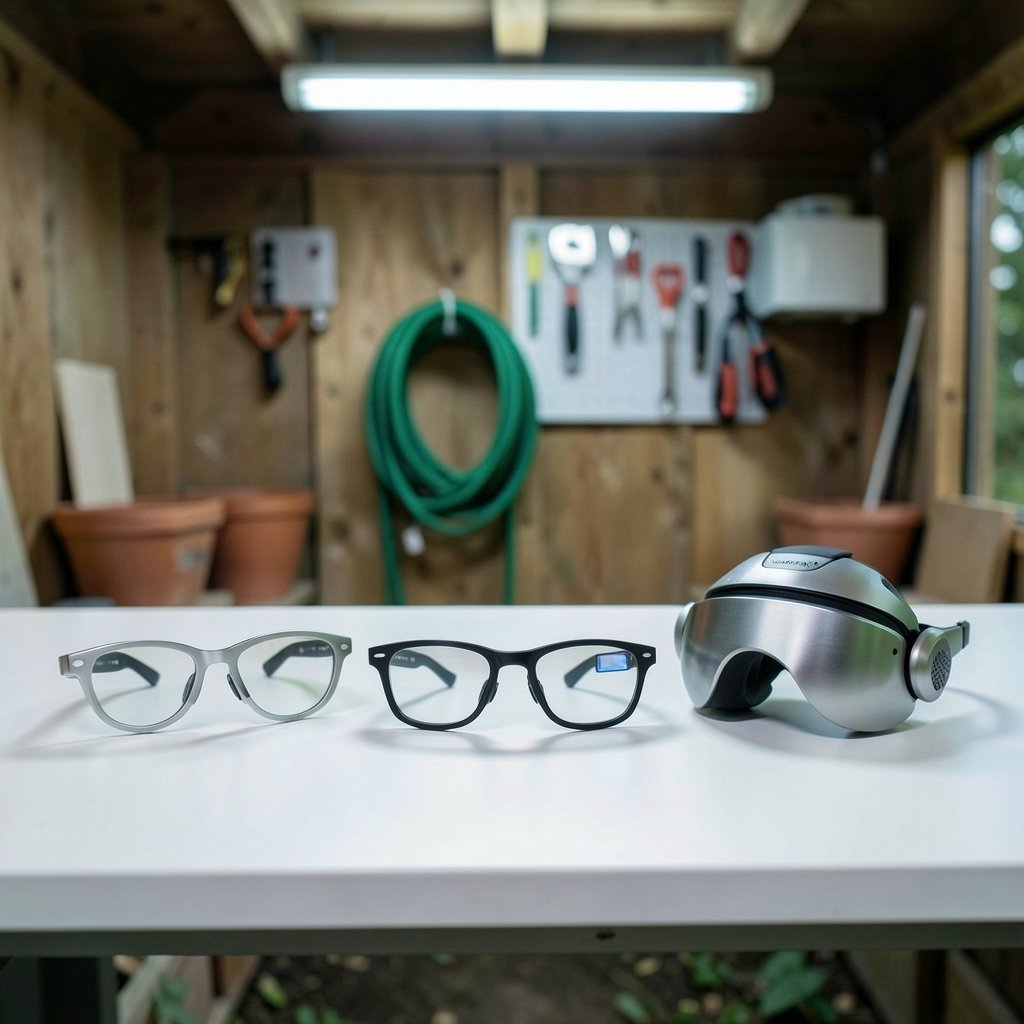
Roughly one in four adults now says they have tried a wearable with a camera or a heads-up display, and smart glasses have quietly become the fastest-growing category in consumer wearables. That growth has produced a crowded, confusing market. Some frames are audio-only companions. Some project notifications into your field of view. Some are full spatial computers strapped to your face. Buying the “best” pair in 2026 therefore depends far less on specs sheets than on one question: what do you actually want the glasses to do?
This guide breaks the category into its real segments, explains the trade-offs that matter in daily use, and flags the mistakes that trip up first-time buyers.
Why 2026 Is the Year Smart Glasses Got Practical
For years, smart glasses were a demo in search of a use case. The shift came from three directions at once. First, audio-first frames proved that people will wear a computer on their face if it looks like normal eyewear and weighs about the same. Second, display technology shrank enough to fit inside a conventional frame without turning the wearer into a cyborg. Third, the phone stopped being the only hub, with glasses handling calls, navigation prompts, and quick captures on their own.
The result is a market split into three tiers that barely compete with each other. Understanding those tiers is the most practical step before spending money. For a broader view of how these devices pair with the handset in your pocket, the roundup of best smartphones 2026 is a sensible starting point, because the phone’s software and accessories often decide which glasses are worth considering.
The Three Tiers of Smart Glasses
Audio-First Frames
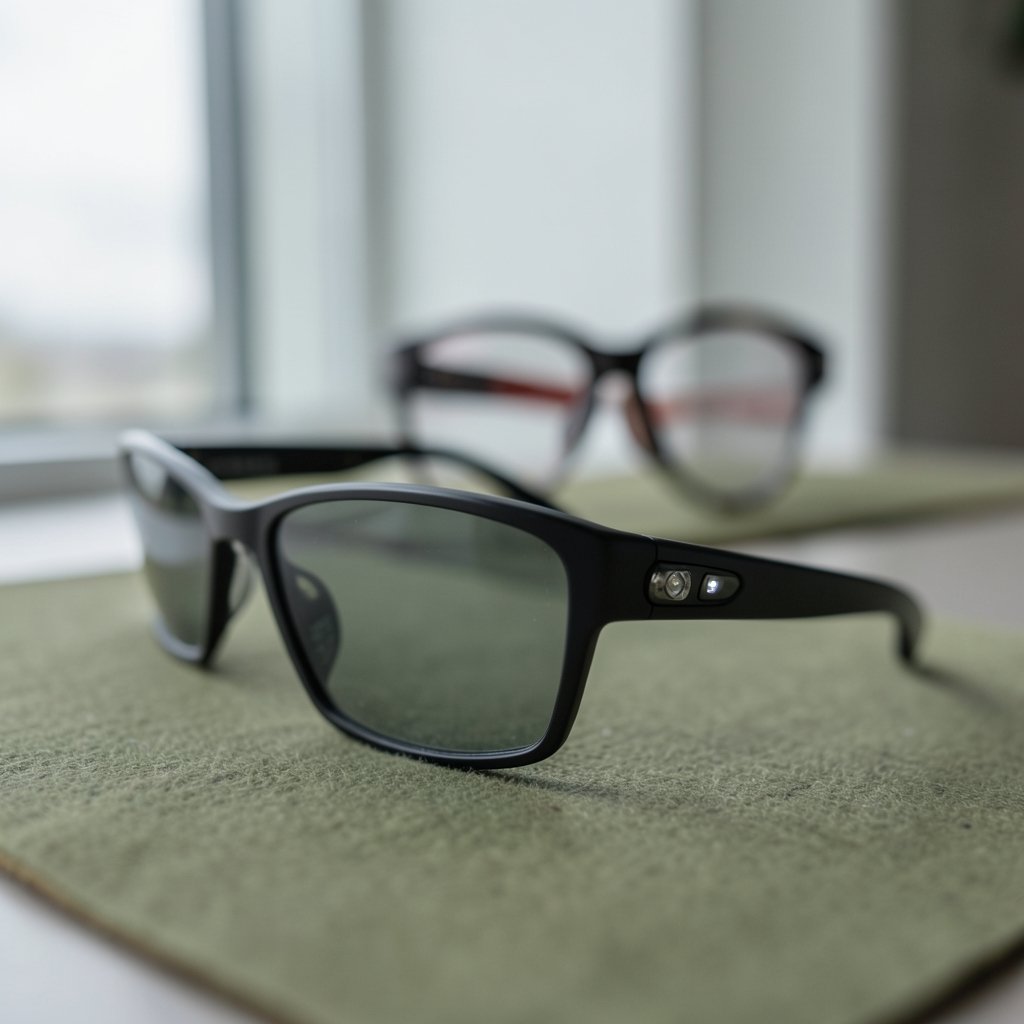
These look like ordinary glasses and contain speakers, microphones, and a camera. They handle calls, music, voice assistants, and short video clips. There is no display. The appeal is that they disappear into your daily routine, and the weakness is that anything visual still requires your phone.
Display Glasses
These add a small monocular or binocular display, usually for notifications, turn-by-turn directions, and live translation. They are the most interesting category for productivity, and the most compromised on battery and weight. A monocular display keeps weight down but can feel odd for long sessions; binocular displays are more natural but heavier and pricier.
Spatial and Mixed-Reality Headsets
These are not really glasses in the everyday sense. They are heavier, more expensive, and designed for immersive content rather than all-day wear. Buyers frequently confuse them with display glasses, then return them disappointed.
| Tier | Best for | Typical weight | Display | Realistic daily use |
|---|---|---|---|---|
| Audio-first | Calls, music, quick photos | Light, near normal eyewear | None | All day |
| Display | Navigation, notifications, translation | Noticeably heavier | Monocular or binocular | Several hours |
| Spatial headset | Media, immersive apps | Heavy | Full field of view | Short sessions |
What Actually Matters in Daily Use
Weight and Balance
A frame that feels fine in a store can become unbearable after two hours. Balance matters as much as total grams. Front-heavy frames slide down the nose, and no amount of clever engineering fixes a bad fit. Always check whether the temples press behind the ears.
Battery Honesty
Manufacturers quote battery life under ideal conditions. Real-world figures for display glasses typically land well below the headline number once you use navigation or video. The practical rule: assume you will charge daily, and treat any pair without a charging case as a commute-only device.
The Camera Question
Camera-equipped frames raise genuine social and legal questions. Recording consent rules differ by jurisdiction, and a small indicator light is the only signal bystanders get. Buyers should think about where they will wear the glasses and whether the people around them will be comfortable.
Fit and Prescription Support
This is the most common mistake buyers make. Many people order a pair online, then discover their prescription is not supported, or that the lenses cannot be swapped at a local optician. Check prescription compatibility before you fall in love with the design.
Practical Tips That Save Buyers From Regret
- Try before you commit. Wear the frame for at least twenty minutes, including a walk outside, before buying.
- Check prescription pathways. Confirm whether the maker supports your prescription and who services the lenses.
- Test in bright light. Displays that look crisp indoors can wash out completely in sunlight.
- Verify app support on your phone. Some features are locked to specific operating systems.
- Read the return window. Fit problems surface in week two, not minute two.
A common error is buying display glasses for productivity and then discovering the display is too small for reading documents. Another is assuming audio glasses are waterproof. Most are sweat-resistant at best. (Smartglasses)
Where Smart Glasses Fit in a Wider Tech Year
Smart glasses rarely exist in isolation. They are part of a broader hardware cycle that includes phones, cars, and gaming devices. Buyers planning a full upgrade often find it useful to read across categories, including the best phones 2026 comparison and the AI glasses 2026 top picks, features and price guide, which digs deeper into the AI-assistant features that separate this generation from the last.
If you are also shopping for a vehicle this season, the Black Friday car deals for 2026 roundup is worth a look, since in-car integration is increasingly a selling point for glasses that handle navigation. And for readers tracking the broader platform wars, the dispute over the Apple SCOTUS 27 percent App Store fee in 2026 matters because app-store economics shape which features reach which glasses first.
How the Segments Compare on the Things Buyers Care About
| Consideration | Audio-first | Display | Spatial headset |
|---|---|---|---|
| All-day comfort | Strong | Fair | Poor |
| Privacy footprint | Camera visible | Camera varies | Camera visible |
| Battery per charge | Good | Fair | Poor |
| Price band | Lowest | Middle | Highest |
| Learning curve | Minimal | Moderate | Steep |
The table makes the trade-off plain. Every step up in capability costs comfort, battery, and money. Buyers who accept that trade knowingly tend to be far happier than those chasing the most features per dollar.
The Privacy and Etiquette Layer
Camera glasses have moved from novelty to norm, but social norms have not caught up evenly. A few practical habits reduce friction: tell people when you are recording, avoid wearing camera frames in changing rooms and medical settings, and check local rules before recording in public spaces. Some jurisdictions require consent from everyone being recorded. Others do not. The safe assumption is that bystanders will notice the indicator light and ask.
There is also a workplace dimension. Many offices restrict camera wearables in secure areas, and some schools ban them outright. Buyers who plan to wear glasses at work should check policy before purchase rather than after.
What About Gaming and Entertainment?
Smart glasses are increasingly pitched as companion devices for gaming handhelds and consoles. That is a reasonable pitch, but the software and game catalog is still fragmented. Readers curious about how the hardware market is shifting can look at the Nintendo Switch 2 Lite and Samsung 8LPU Plus chip rumor coverage for 2026, which illustrates how component supply affects what features reach consumer devices. The Xbox layoffs and studio sales story of 2026 is a reminder that content catalogs, not hardware specs, often decide whether a companion device is worth owning.
Common Mistakes and What Actually Works
The pattern across buyer complaints is remarkably consistent. People over-buy, then under-use. They pick the most capable pair, wear it for a week, and go back to their phone. What actually works is buying for one clear job: calls on the commute, navigation on the bike, translation on a trip. Single-purpose buyers report far higher satisfaction.
A second pattern is underestimating the lens problem. Smart glasses are still glasses. If the lenses are uncomfortable or the prescription is wrong, nothing else matters. Budget for a proper fitting, and do not treat the optical side as an afterthought. (Privacy and Security)
A third is ignoring the update cycle. This category refreshes quickly, and a pair bought at full price in spring may look dated by autumn. Buyers who care about longevity should check the maker’s record on software updates, rather than hardware specs alone.
Conclusion
The best smart glasses in 2026 are not the ones with the longest feature list. They are the ones that match a single, specific job and fit your face well enough that you forget you are wearing them. Audio-first frames win on comfort and price. Display glasses win on usefulness for navigation and notifications, at a real cost in weight and battery. Spatial headsets remain a separate purchase for a separate purpose.
Buy deliberately, try before you commit, verify prescription support, and be honest about how often you will actually use the features you are paying for. Do that, and the category delivers. Skip it, and you will join the ranks of buyers with an expensive pair of glasses sitting in a drawer.
Frequently Asked Questions
Are smart glasses worth it in 2026?
For most people, yes, if they are bought for one clear task such as hands-free calls, navigation, or translation. Buyers who expect a phone replacement are usually disappointed, while single-purpose buyers report high satisfaction.
Do smart glasses work with prescription lenses?
Many do, but support varies widely by maker and model. Some require ordering through the manufacturer, while others let a local optician fit lenses. Always confirm prescription compatibility before purchase.
How long does the battery last on display glasses?
Headline figures are usually measured under light use. Real-world battery life drops noticeably when navigation or video is running, so most owners charge daily. Audio-first frames generally last longer per charge.
Are camera glasses legal to wear in public?
Rules vary by jurisdiction. Some places require consent from people being recorded, and many private venues such as schools and workplaces restrict camera wearables. Check local rules and venue policies before wearing them.
Can I wear smart glasses all day?
Audio-first frames are designed for all-day wear and weigh close to normal eyewear. Display glasses are heavier and better suited to several hours at a time. Fit and balance matter more than the raw weight figure.
Will smart glasses replace my phone?
Not in 2026. They extend the phone rather than replace it. Glasses handle quick interactions such as calls, notifications, and captures, but heavier tasks still belong on a handset or a larger screen.
A final note on value: the price gap between tiers is widening, not closing. Audio-first frames now start at impulse-purchase prices, while display glasses still cost as much as a mid-range phone. That makes the entry tier a sensible first step: try audio glasses for a season, learn how often you actually wear them, and only then decide whether a display is worth the upgrade. Buyers who jump straight to the top tier rarely develop the daily habit that justifies the spend.
One last check before checkout: confirm the return window covers at least two weeks, verify the charging case is included rather than sold separately, and check whether firmware updates arrive over the air or require a cable. Small details, but they separate a pair you keep from a pair you resell. The category has finally matured enough to recommend without caveats, provided you buy for the face you have and the job you actually do.