
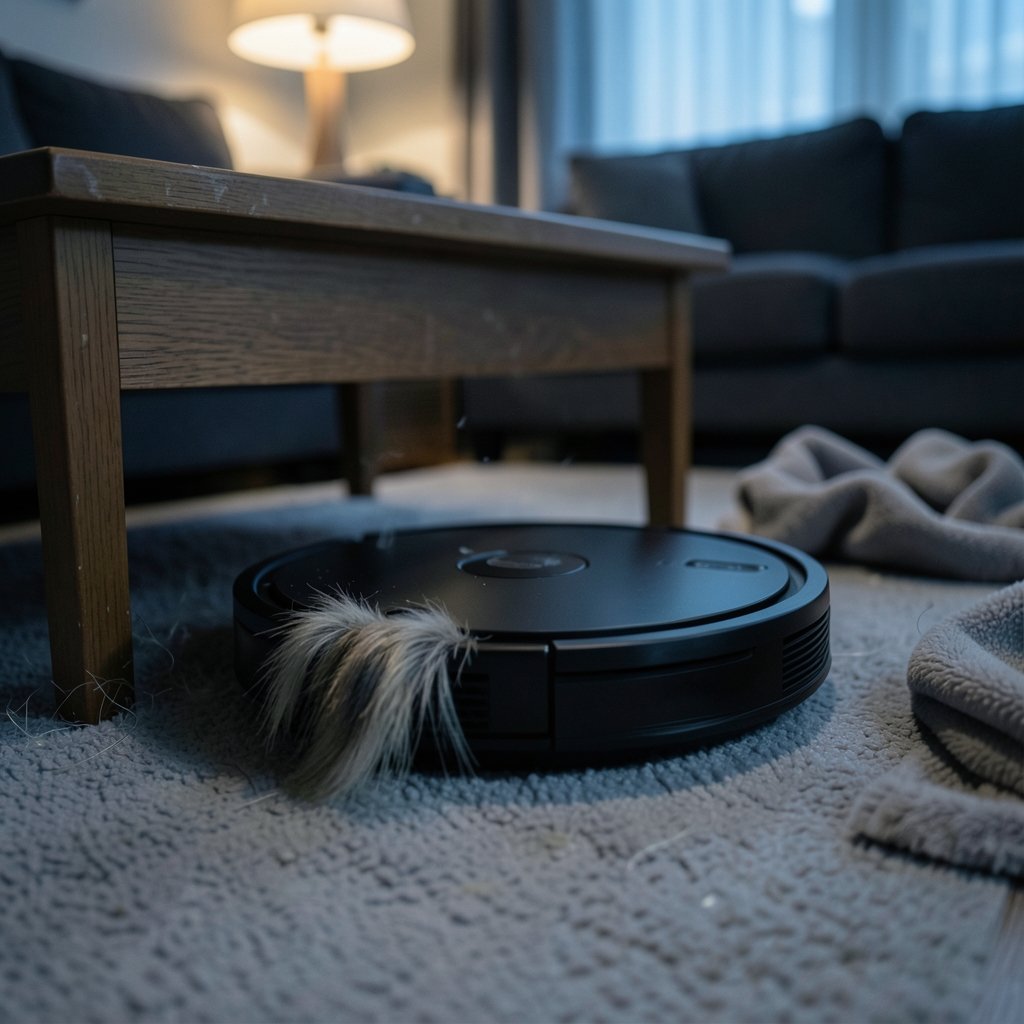
Does it feel like your floors grow a fresh coat of fur overnight? You vacuum on Sunday, and by Tuesday the corners are fuzzy again. If a dog or cat shares your home, you already know the routine. The good news is that a smart vacuum can genuinely help, but only if you pick one built for the job. Many robots handle crumbs fine and then choke on a single tuft of fur.
This guide cuts through the marketing. It covers what actually matters for pet hair, which features earn their price, and the mistakes that leave people disappointed. No hype, just the details that decide whether a robot helps or just spins in circles.
Why pet hair is harder than regular dirt
Pet hair is not just messy. It is a real indoor allergen source. Cat and dog allergens, mainly the proteins Fel d 1 and Can f 1, ride on dander and hair, and they are among the most common indoor triggers for allergy and asthma symptoms. That changes what you should want from a vacuum. You are not only collecting visible fur. You are trying to remove fine particles that settle back into the air and onto surfaces.
There is also a mechanical problem. Long fur wraps around spinning brush rolls. Short, stiff hair embeds in carpet fibers. Fine dander slips past weak seals. A vacuum that handles all three well is doing more work than most people realize. That is why a cheap robot often looks fine on day one and becomes a tangled, clogged paperweight by week three.
The features that actually matter for pet hair
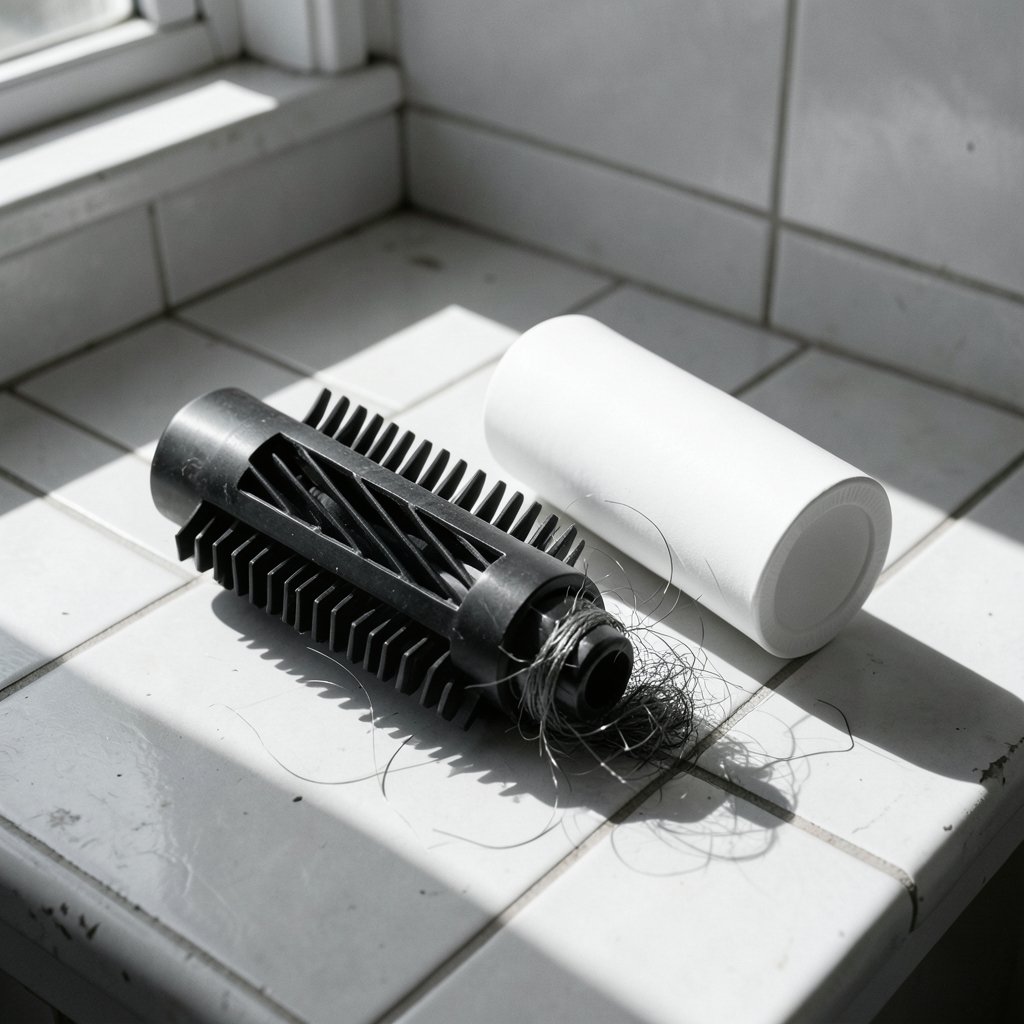
Tangle-resistant brush rolls
This is the single most important feature. Standard bristle rollers grab hair and hold it. Rubber or finned rollers, and rollers with anti-tangle combs, shed hair far better. The feature has been common since the mid-2010s, but quality varies a lot. Long-haired pets and humans in the same house are the toughest test. If you want a deeper look at how robots cope with long strands, this breakdown of robot vacuum long human hair actually works is worth reading before you buy.
True sealed HEPA filtration
HEPA is a standard, not a slogan. A true HEPA filter captures at least 99.97% of particles at 0.3 microns. But here is the catch most buyers miss: a great filter in a leaky body still releases fine dust back into the room. Look for sealed HEPA or full-system filtration claims. Note that U.S. and European HEPA definitions differ slightly, so a European EN 1822 rating and a U.S. HEPA claim are not identical. Neither is a marketing term like “HEPA-style,” which means nothing specific.
Strong suction that holds up as the bin fills
Most robots lose suction as the bin fills and the battery drains. Rated runtime is usually measured in low-power mode, so the advertised number is optimistic. For pet hair, you want enough power on a normal setting to pull embedded hair from carpet, not just skim the surface. Manufacturer runtime figures are not standardized across brands, so treat them as a rough guide.
Smart mapping and no-go zones
The “smart” part earns its keep mainly by making scheduled, repeated cleaning easy. Mapping lets the robot cover high-shedding zones, like the area around the pet bed, every day without you thinking about it. No-go zones keep it out of water bowls and cable nests. Lidar navigation generally handles complex layouts better than camera-only systems, though results vary by home.
Self-emptying docks
A self-emptying dock means you empty the robot less often, which matters when the bin fills with fur fast. The trade-off is a bag or bin on the dock to maintain, and bag capacity and cost vary widely. It is convenient, not free.
A quick comparison of robot types
| Type | Pet hair strength | Best for | Watch out for |
|---|---|---|---|
| Bristle brush robot | Weak | Bare floors, light shedding | Hair tangles fast |
| Rubber roller robot | Strong | Homes with long-haired pets | Costs more upfront |
| Robot with self-empty dock | Strong | Heavy shedders, busy owners | Dock bags add cost |
| Robot vacuum-mop combo | Medium to strong | Mixed hard floor and carpet | Mop pads can smear wet fur |
| Corded upright with HEPA | Very strong | Deep carpet cleaning days | Not automatic |
The honest takeaway: a robot keeps up with daily fur, but a corded vacuum still wins for deep carpet cleaning. Many pet owners run both. If you are comparing dedicated machines, this roundup of the best vacuums for pet hair covers the corded side well.
Common mistakes people make
Buying on suction numbers alone. A robot with huge claimed power but a bristle brush will still tangle. Brush design and filtration matter as much as raw suction.
Ignoring the filter seal. People buy a HEPA robot and still sneeze, because fine dust escapes around a loose bin lid. Check that the bin and filter sit tight.
Skipping maintenance. Pet hair clogs rollers, filters, and side brushes. A robot that is not cleaned weekly loses performance fast. Rinse or replace filters on schedule.
Expecting one pass to be enough. Heavy shedding areas often need two passes or a daily schedule. Set the robot to clean the pet zone every day rather than once a week.
Forgetting the mop problem. A combo robot that mops can drag damp fur across the floor if the pad is dirty. Empty and rinse pads often.
Getting the setup right in a pet household
Placement and scheduling do a lot of quiet work. A few practical habits make any smart vacuum perform better:
- Run the robot daily in high-shedding zones rather than once a week.
- Clear cables, socks, and small toys before each run to avoid jams.
- Empty the bin after every run in heavy-shedding season.
- Clean the brush roll weekly and cut away wrapped hair.
- Replace filters every few months, sooner with multiple pets.
- Wash pet bedding weekly, since allergens cling to fabric.
That last point matters more than people think. Allergen reduction works best as a combined effort: HEPA vacuuming, washing bedding, and air filtration together. A vacuum alone will not fix an allergy problem, but it is a solid part of the plan.
Matching the vacuum to your pet and floor
The right pick depends on your pet and your floors, not on a single “best” label.
Long-haired dogs and cats need rubber rollers and strong anti-tangle design. Fur length is the main driver of tangling, and no standardized test measures it, so brand claims are hard to compare directly. Lean on independent testing and real owner reports.
Short, stiff hair on carpet needs strong suction and good edge cleaning. Hair embeds in fibers, so a robot that only skims will leave it behind.
Mixed homes with hard floors and rugs benefit from a combo unit, but keep the mop pad clean. Wet fur is worse than dry fur.
Allergy sufferers should prioritize sealed HEPA and consistent scheduling over extra smart features.
One more tip: if your robot keeps stopping on dark rugs, that is usually a sensor issue, not a suction problem. This guide to robot vacuum cliff sensors fail black carpet works explains the fix.
Where smart features help and where they don’t
Smart features are easy to oversell. Here is a grounded view.
Mapping and room labeling genuinely help. They let you target the pet zone and avoid trouble spots.
Scheduling is the quiet hero for pet hair. Daily passes beat occasional deep cleans for keeping fur down.
Self-emptying saves effort but adds consumables to buy.
App alerts and voice control are nice, not essential. A robot that cleans well but has a basic app beats a feature-packed one that tangles.
AI obstacle avoidance is improving but still imperfect. It helps around pet accidents and cables, but do not trust it completely. A quick pre-run tidy still pays off.
How to judge “pet” claims before you buy
Pet hair performance has no single standardized test, so brand claims are hard to compare. A few habits help you cut through it:
- Check independent testing bodies that rate pet-hair pickup, keeping in mind their rankings change yearly.
- Look for specific filter standards rather than vague “allergy-friendly” wording.
- Read owner reviews that mention long-haired pets and carpet, not just bare floors.
- Treat “pet mode” as a setting, not a guarantee. Ask what it actually changes.
Advertising rules also matter. Claims like “HEPA” and “pet” are regulated in how they can be presented, so a specific, testable claim is a better sign than a bold slogan.
Conclusion
The best smart vacuum for pet hair is not the one with the biggest number on the box. It is the one with a tangle-resistant brush roll, sealed HEPA filtration, dependable suction, and a schedule you will actually keep. Mapping and self-emptying docks make life easier, but they are supporting acts, not the main event.
Match the machine to your pet’s coat and your floors. Clean the brush and filter on a routine. Run it daily where the fur collects. Do those things, and a smart vacuum becomes a genuine ally in a pet household rather than another gadget gathering dust. The fur will still show up. It just will not win.
Frequently asked questions
Are robot vacuums good for pet hair?
Yes, if they have the right design. Rubber or finned brush rolls resist tangling, sealed HEPA filtration traps fine dander, and strong suction pulls embedded hair from carpet. A basic bristle-brush robot will struggle and clog. The key is matching the brush and filter to your pet’s coat and floors.
Do I need a HEPA filter for pet allergies?
It helps a lot, but only if the system is sealed. A true HEPA filter captures at least 99.97% of particles at 0.3 microns. If the bin or filter housing leaks, fine dust escapes back into the room. Pair sealed HEPA vacuuming with washing bedding and air filtration for the best results.
How often should I run a smart vacuum with pets?
Daily is ideal in high-shedding zones. Pet hair builds up fast, and daily passes keep it from embedding in carpet. A weekly deep clean with a corded vacuum still helps for carpets. Empty the bin after each run and clean the brush roll weekly.
Why does my robot vacuum get tangled with pet hair?
Most tangling comes from bristle brush rolls that grab long fur and hold it. Rubber rollers and anti-tangle combs shed hair better. Long-haired pets and humans in the same home are the toughest case. Check the roller type before buying, and cut away wrapped hair weekly.
Is a self-emptying dock worth it for pet hair?
It can be, especially for heavy shedders whose bins fill fast. The dock lets the robot run longer between manual empties. The trade-off is a bag or bin on the dock to maintain, with capacity and cost varying by brand. It is convenience, not a performance boost.
Can a smart vacuum replace regular vacuuming?
Not entirely. A robot is excellent for daily upkeep and keeping fur down between deeper cleans. A corded vacuum still wins for deep carpet cleaning and stubborn embedded hair. Many pet owners run both, using the robot for daily passes and the corded machine for weekly deep cleans.



