
A backup unit for a phone and a few lights does not need the same capacity or output as one intended to run a refrigerator and home circuits. The best solar generators for home backup power range from compact outage support to larger systems for essential appliances.
A watt-hour (Wh) is a unit of stored energy that helps estimate how long a battery can run a particular electrical load. This roundup compares portable battery-based options, with practical differences in portability, usable capacity, continuous output, and solar recharging.
Key Takeaways
- Choose a system based on the appliances and circuits you plan to back up.
- Capacity estimates how long a battery can supply energy.
- Continuous output sets which loads can run at the same time.
- Surge output helps cover brief startup demand from some appliances.
- Solar recharging depends on panel compatibility and available sunlight.
- A portable station does not connect to home wiring by itself.
Start by listing the appliances and circuits you want to keep on during an outage.
Best Solar Generators for Home Backup Power: How the Picks Compare
For most homeowners wanting one portable system for substantial backup, the EcoFlow DELTA Pro 3 is the strongest starting point, while the DELTA Pro Ultra is the heavier-duty option. Your load list changes which of these best solar generators makes sense.
Choose by the loads you need to support, not by the largest number on a product page. A power station’s capacity and output answer different questions: how long it may run and what it can run together.
| Model | Best fit | Key tradeoff |
|---|---|---|
| EcoFlow DELTA Pro 3 | Portable whole-home-capable backup | Large, heavy unit |
| EcoFlow DELTA Pro Ultra | Maximum storage and output | Larger system designed for home integration |
| Bluetti Apex 300 | Expandable 120V/240V backup | Substantial weight |
| EcoFlow DELTA Pro | Selected circuits and major appliances | Substantial weight |
| Jackery Explorer 1000 V2 | Smaller devices and lighter portable use | Less output and capacity than large backup models |
The best choice changes with the appliances and circuits you plan to back up.
In this comparison, portable whole-home-capable means the system may support compatible household loads with proper connections. It does not mean every circuit runs at once.
Prices in the tables and descriptions are 2026 listed or starting prices, not guaranteed prices. Check the current price before purchase, since sellers may change it.
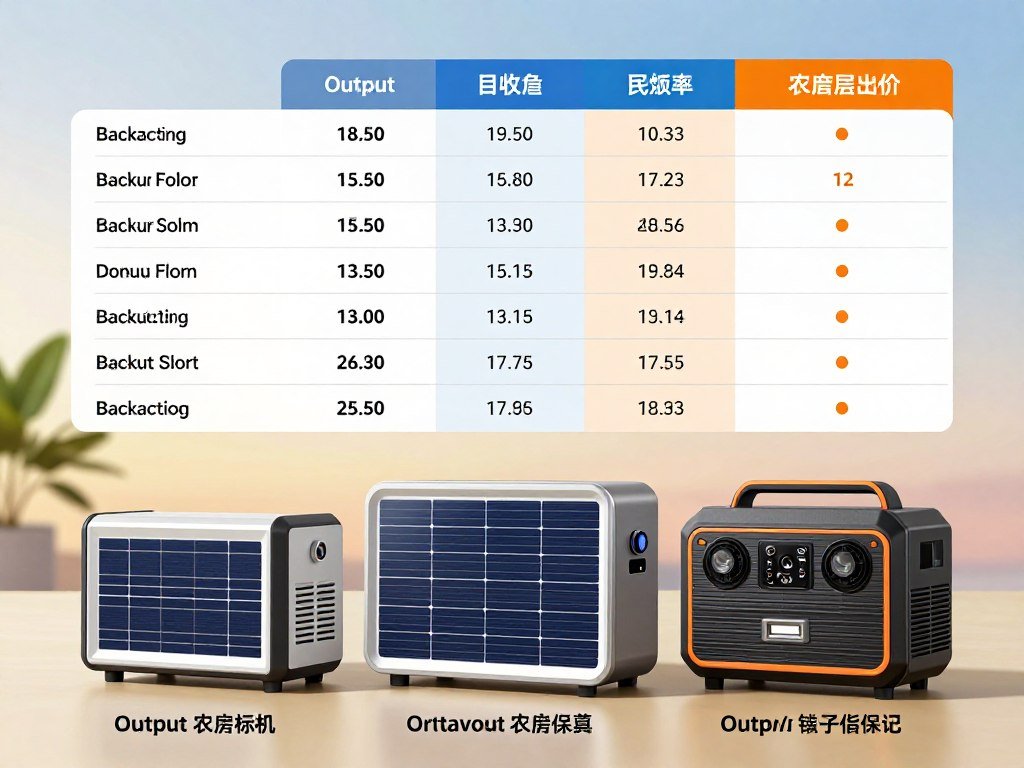
The best solar generator for one home may be too small, heavy, or costly for another. Compare the shortlist against your outage load before treating any model as a whole-home solution.
Is the EcoFlow DELTA Pro 3 the Right Whole-Home Pick?
The DELTA Pro 3 stands out when you need 120V/240V capability and substantial battery storage in a portable system. Its 4,000W continuous output can support compatible loads, but it cannot guarantee whole-house coverage.
EcoFlow lists the unit at $2,799, with 4,096 Wh capacity and 8,000W surge output. Its 120V/240V capability lets it serve compatible household loads that need either voltage.
The DELTA Pro 3’s 4,096 Wh capacity can expand to 12 kWh with extra batteries. That adds stored energy, not more output from one unit.
Two units can connect in parallel for up to 12,000W output. That option raises available power, while battery expansion mainly extends how long the system can supply loads.
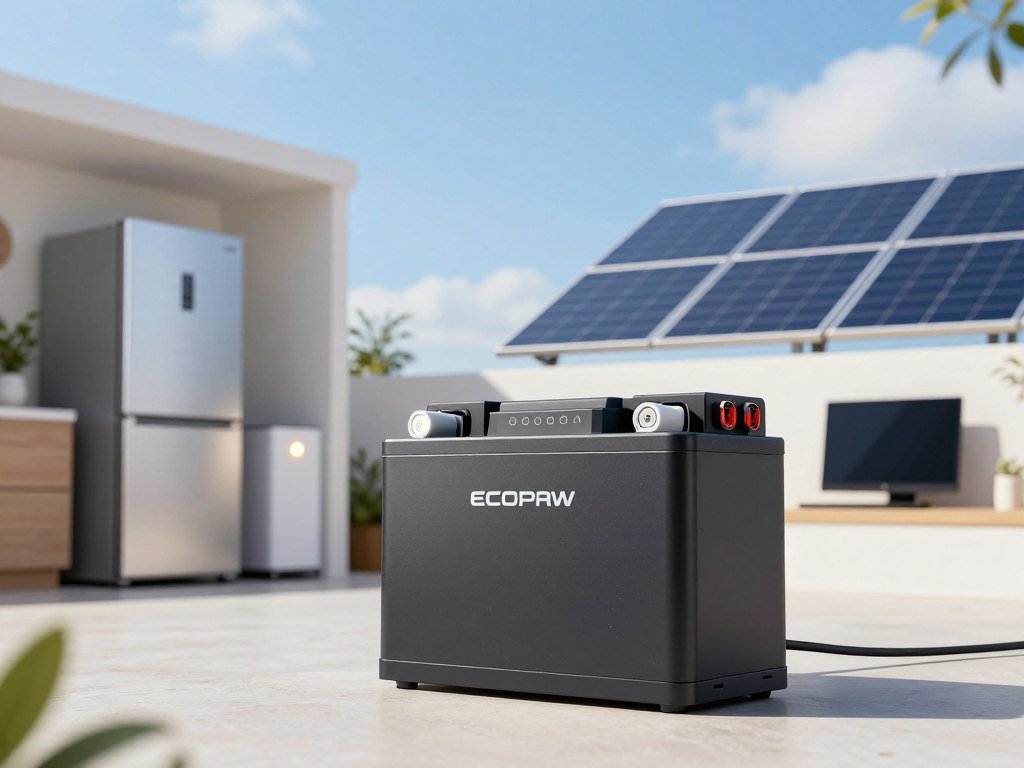
A 10 ms UPS switchover can help keep compatible equipment running during a power loss. The battery is rated for 4,000 cycles to 80% capacity, with a five-year warranty.
Two PV ports accept up to 2,600W of solar input. X-Stream charging reaches 80% in 50 minutes, and multi-charge combinations accept up to 7,000W of charging input.
EcoFlow lists X-Quiet noise as low as 30 dB, and the battery pack has an IP65 rating. Those details do not replace the need to plan for the connected loads.
Confirm that the circuits and appliances you plan to connect match the unit’s voltage and continuous-output limits.
When Is the EcoFlow DELTA Pro Ultra Worth Scaling Up To?
Choose the DELTA Pro Ultra when your backup plan calls for more output and expandable storage than a single portable unit offers. Its higher capacity suits plans with larger or longer-running loads.
The system starts with 6,144 Wh and can expand to 30 kWh. Its 7,200W output and 10,800W surge output support heavier demand than a smaller portable unit.
Those figures make it an option to investigate for higher-demand home integration and sustained loads. Large storage still does not mean unlimited runtime or automatic support for every home circuit.
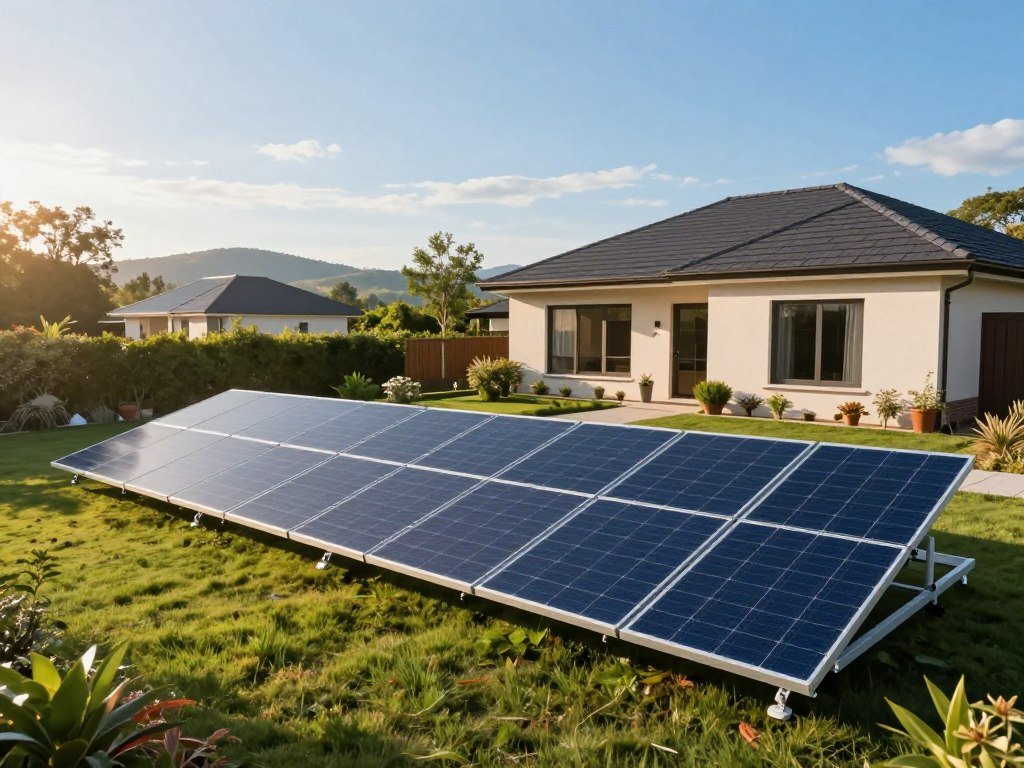
The DELTA Pro Ultra accepts up to 5,600W of solar input through dual ports. Its listed fastest full charge is 2.4 hours with the recommended solar-panel input.
That charge time depends on maximum recommended panel input. Sunlight, system setup, and active loads affect what a home backup system can deliver in practice.
A larger setup may suit selected circuits that need more output or longer support. It still needs a defined load plan, including which appliances may run together.
Match its expansion plan to the loads you actually need, rather than buying capacity without a defined use.
What Makes the Bluetti Apex 300 a Flexible Home Backup Option?
The Apex 300 is an appealing middle ground if you want modular expansion without starting with a permanently installed system. Its modular design gives you more than one way to add storage or output.
Bluetti lists the base station at $2,099, with 2,764.8 Wh capacity and 3,840W output. Its 7,680W surge output helps handle brief startup demand.
The base unit accepts up to 2,400W of solar input. It has two 120V inverter banks rated at 1,920W each, plus 30A and 50A outlets for compatible loads.
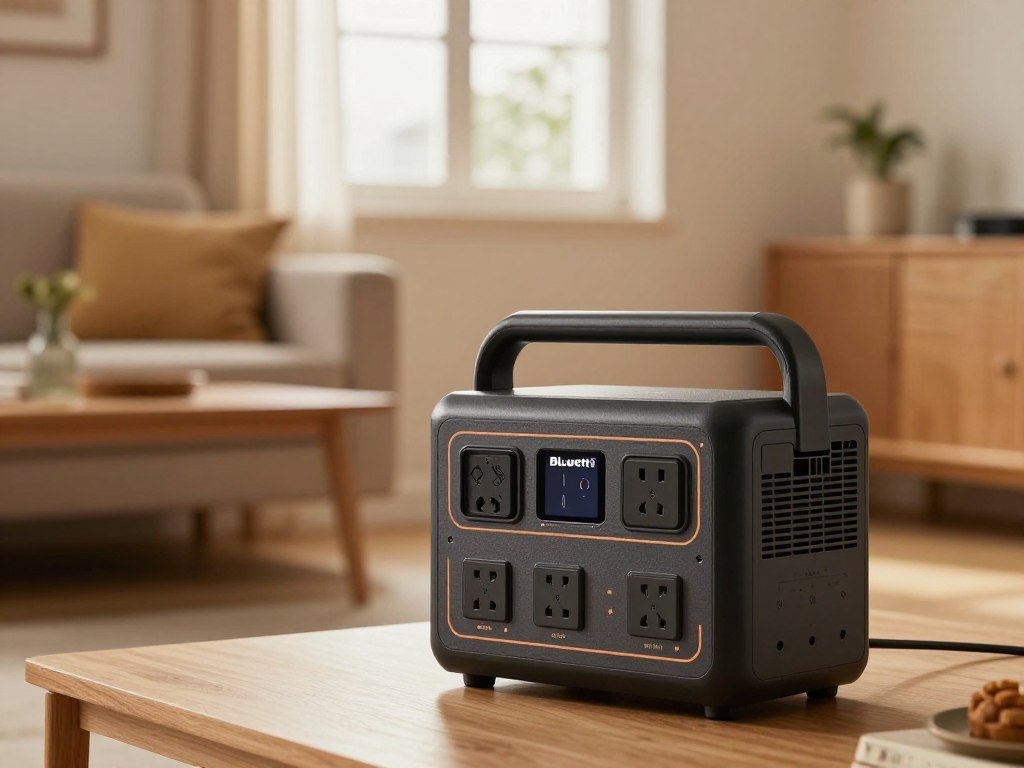
Adding batteries increases stored energy, while parallel units can add system capacity and output. The Apex 300 can take up to six extra batteries, reaching 19,353.6 Wh.
It can also parallel with up to two more Apex 300 units. With batteries added where needed, the stated maximum capacity reaches 58,060.8 Wh.
- Use the base unit by itself.
- Add up to six extra batteries.
- Parallel up to two more Apex 300 units, with batteries where needed for the stated maximum capacity.
Each expansion path serves a different need. Extra batteries build stored energy, while extra stations help form a larger system for compatible loads.
The base unit weighs 84 lb, which makes repeated carrying difficult. Treat it more like a home backup base than a station you move often.
Check where the unit will live before choosing its expansion path, since the base station alone weighs 84 lb.
How Does the EcoFlow DELTA Pro Handle Essential Circuits?
The DELTA Pro’s refrigerator test shows why a high-capacity station can be useful for a critical appliance during an outage. The 51-hour result offers a reference, not a promise for every home.
Consumer Reports lists a $2,550.20 price, claimed capacity of 3,600 Wh, and claimed output of 3,600W. A test ran a full-size 25-cubic-foot refrigerator for 51 hours and 24 minutes.
The refrigerator ran for 51 hours and 24 minutes in that test scenario. Your refrigerator, room temperature, door use, and other connected loads can change the result.
The unit supports a 30A transfer-switch connection for selected circuits. Its X-Boost feature reaches up to 4,500W, which is distinct from its listed 3,600W output.
EcoFlow lists expansion to 10.8 kWh and maximum solar input of 1,600W. The LFP battery is rated for 6,500 cycles to 50% of its original capacity.
AC charging takes 2 hours and 36 minutes. At 99 lb, the station is difficult to reposition often, so choose a place that works before an outage.
Treat its tested refrigerator runtime as a reference point, then estimate your own load and operating conditions.
Which Portable Models Are Easier to Move Around?
The Jackery Explorer 1000 V2 is easier to lift, while the Anker Solix F2000 is built to roll between locations. The right handling style depends on where you need portable power.
The Jackery weighs 23.8 lb and has 1,070 Wh capacity, 1,500W output, and 3,000W surge output. Its lower weight makes it the easier choice to carry by hand.
Jackery Explorer 1000 V2 for Lighter Loads
Jackery lists the Explorer 1000 V2 at $879, with seven ports and up to 400W solar input. A 200W panel is an option for portable solar charging.
Reported charging times are 5.5 hours from a wall outlet, 6.5 hours from solar, and 11.5 hours from a car outlet. Jackery reports enough energy to charge a laptop eight times or run a small refrigerator or powered cooler for over 15 hours.
Anker Solix F2000 for Wheeled Movement
The Anker Solix F2000 weighs 67 lb, with 2,048 Wh capacity and 2,400W output. Its 2,800W surge output and up to 1,000W solar input suit larger loads than the smaller Jackery.
Wheels and a telescoping handle make it easier to roll than lift. Its remote app controls and 12 ports, including an RV outlet, give you flexible ways to power compatible devices.
The Jackery is the easier lift, while the heavier Anker is easier to roll. Decide whether you will carry the station or roll it, because weight and handling matter as soon as an outage forces a move.
Which Models Suit Rough Outdoor Conditions?
For outdoor conditions, compare how the ports and enclosure are protected rather than treating every weather-resistant rating as equivalent. Port protection and enclosure sealing address different risks.
The Goal Zero Yeti 1500 has an IPX4 rating, while the Jackery Explorer 1500 Ultra has an IP65 rating. Neither rating means you can submerge the station or leave it exposed without checking its instructions.
Goal Zero Yeti 1500 for Port Protection
Consumer Reports lists the Yeti 1500 at $1,499.95, with claimed capacity of 1,505 Wh and claimed output of 2,000W. Outlet shields help protect its 14 outputs when they are not in use.
The Yeti accepts a combined 900W of solar input through 600W and 300W inputs. That split input can suit a panel setup with compatible connections and limits.
Jackery Explorer 1500 Ultra for Sealed Construction
The Explorer 1500 Ultra has claimed capacity of 1,536 Wh and claimed output of 1,800W. Its sealed rubber port covers and IP65 rating emphasize enclosure protection.
Jackery lists the unit at $1,369. It accepts up to 800W of solar input and weighs 38.6 lb, so consider placement before carrying it outside.
Keep the station sheltered within its stated operating limits, even when its enclosure is designed for tougher conditions.
How Do Consumer Reports-Rated Models Compare?
Consumer Reports’ 2026 coverage spans small-to-large portable stations, but the right model still depends on the load you want to support. Its test covered six stations with solar panels, priced from about $500 to more than $2,500.
The tested models weighed from 30 to nearly 100 lb. Ratings are useful context, but they do not establish one best choice for every household.
Lower-Cost Capacity for Essential Loads
The EcoFlow DELTA 3 Classic starts at $499, with 1,024 Wh capacity and 1,800W output. That lower starting price can suit essential loads when its capacity meets your needs.
| Model | Capacity | Output | Distinguishing detail |
|---|---|---|---|
| Anker Solix S2000 | 2,010 Wh | 1,500W | $980 listed price |
| Bluetti Elite 300 Compact | 3,014 Wh | 2,400W | $1,199 starting price |
| EcoFlow DELTA 3 Classic | 1,024 Wh | 1,800W | $499 starting price |
| EcoFlow DELTA 3 Plus | 1,024 Wh | 1,800W | Expands to 5 kWh |
Consumer Reports lists the Anker Solix S2000 at $980, with claimed capacity of 2,010 Wh and claimed output of 1,500W. Its lower output may suit smaller combined loads.
More Output and Storage in Compact Designs
The Bluetti Elite 300 Compact offers 3,014 Wh and 2,400W output, with a $1,199 starting price. The DELTA 3 Plus has the same claimed output as the Classic, but expands to 5 kWh.
The EcoFlow DELTA 3 Max Plus has 2,048 Wh capacity, 3,000W output, and 6,000W surge output. A ratings listing is not itself a single best-for-everyone ranking.
Compare the claimed capacity and output against your own load list before choosing by price alone.
What Does a 3,000-Watt Solar Generator Actually Run?
A 3,000W solar generator can run a combination of appliances whose simultaneous running demand stays within its continuous output. Battery capacity affects how long those appliances can run.
Continuous output measures the load supported at once, while watt-hour capacity estimates duration. A basic runtime estimate divides usable Wh by the watts drawn, before conversion losses.
Continuous Output Sets the Running Load
Check the combined running watts for appliances you plan to use together. Use their labels, since two devices with similar names can draw different power.
| Measure | What it tells you | How to use it |
|---|---|---|
| Continuous output | Combined running watts supported at once | Compare with appliances running together |
| Surge output | Brief startup demand | Check motor-driven appliances’ starting needs |
| Watt-hour capacity | Stored energy | Compare usable Wh with running watts to estimate duration |
Surge Output Covers Brief Starts
Some motor-driven appliances need a short burst of power when they start. Surge output covers brief startup demand, but it does not replace the continuous rating.
- Refrigeration appliances
- Communications equipment
- Lights
- Heating or cooking equipment
Check actual appliance labels rather than assuming every item in a group draws the same amount. Keep the combined running load within the station’s continuous output.
Check both the running and startup requirements of every motor-driven appliance before connecting it.
How Long Can a Solar Generator Keep Appliances Running?
A 4,000 Wh battery can supply a modest refrigerator load much longer than a 1,500W space heater. The load size changes runtime, even when the station can run the appliance.
A 200W refrigerator on a 4,000 Wh battery runs for roughly 20 hours before recharging, assuming no other loads and allowing for efficiency losses. Other connected devices reduce that estimate.
The estimate treats the refrigerator as drawing 200W throughout the period. Real use changes as the appliance cycles, and conversion losses reduce the usable energy.
A 3,000W solar generator with a 4,000 Wh battery can run a 1,500W space heater for less than three hours. Its high output rating means it can handle the load, not that the battery lasts longer.
Heating draws much more power than a modest refrigerator load. Other appliances running at the same time further reduce the energy available for each device.
Estimate runtime using the combined load you will actually run, not the appliance with the lowest wattage alone.
How Much Solar Input and Panel Capacity Do You Need?
A panel’s printed wattage is a best-condition rating, not a guarantee of what the station will receive throughout the day. Real panel output changes with sun, shade, angle, and temperature.
Solar input is the maximum charging power a station accepts. Panel wattage above that limit cannot make the station take more than its rated input.
Match Panel Ratings to the Station’s Input Limit
Before you connect solar panels, check four details:
- Confirm the station’s maximum solar input.
- Confirm panel voltage and connector compatibility.
- Choose a placement without shade.
- Allow for changing sunlight and other active loads.
Plan for Real Sun and Recharge Windows
A 200W portable panel produced readings of 125-145W in full sun. Recharging a station from 5% took at least 10.5 hours in those conditions.
That result shows why a 200W label does not promise a steady 200W charge. Shade, panel direction, temperature, and active station loads can cut the power available for charging.
Solar input can help replenish a station during an outage, but daily sunlight shifts. Plan around the hours when panels can receive direct sun, not just the panel’s nameplate rating.
For small solar-powered devices, direct sun and seasonal conditions also shape how much energy their panels can supply. A wireless outdoor security camera may still need charging if its solar panel cannot keep up with use.
Size the array to the station’s accepted input and your realistic sunlight window, not the panel’s headline wattage alone.
What Size Solar Generator Can Power a US Home?
Basic outage essentials can fit a far smaller output target than whole-home backup that includes central air or EV charging. In the USA, the best solar generators for home backup power depend on which loads you plan to support.
Basic survival essentials are commonly sized around 5,000-7,500W, while whole-home coverage with central air and EVs can call for 16,000-24,000W. A Level 2 EV charger alone adds a continuous 7,200-9,600W load.
Essential Loads Need Less Than Whole-Home Coverage
A sizing guide suggests 20,000W as a baseline for an average 2,000- to 3,000-square-foot home. That figure is a suggested starting point, not a promise that every appliance can run together.
| Backup scenario | Suggested output | Practical scope |
|---|---|---|
| Basic survival essentials | 5,000-7,500W | Selected essentials |
| Average 2,000- to 3,000-square-foot home baseline | 20,000W | Suggested starting baseline |
| Whole-home coverage with central air and EVs | 16,000-24,000W | High-demand coverage |
| Level 2 EV charging | 7,200-9,600W | Continuous outage load |
A 20,000W baseline falls within the broad high-demand range, but home equipment and usage still shape the final choice. Central air and EV charging can raise the combined demand sharply.
Central Air and EV Charging Change the Calculation
Before choosing a generator power house setup, list the loads that may run at once. Include a Level 2 charger if you expect to charge an EV during an outage.
- List simultaneous running loads.
- Identify startup loads.
- Estimate how long each load needs to run.
Central air may also affect household energy use and comfort plans. Smart thermostat schedules and temperature setbacks can reduce heating or cooling use, depending on household routines; check thermostat and HVAC compatibility before changing controls.
Get an electrician’s input before planning to back up permanently wired circuits.
What Are the Tradeoffs Before Buying a Solar Generator?
Solar backup is most useful when its quiet, fuel-free operation and recharge options match the outage you are preparing for. Battery backup avoids fuel storage and combustion exhaust at the point of use.
A portable station does not automatically energize a whole house or safely connect to home wiring by itself. A transfer switch isolates selected backed-up circuits from utility wiring.
When Battery Backup Fits the Outage
Battery units can run quietly and recharge from compatible panels when conditions allow. That can suit outages when you need power without running a fuel-burning machine outdoors.
When Its Limits Matter More
Stored energy is finite, and solar recharging depends on the weather. Heavy equipment can be hard to move, while the upfront cost may be high for a system sized around major loads.
Voltage and circuit fit matter too. U.S. household outlets commonly supply 120V AC, while some larger appliances and circuits use 240V.
Before buying, make these four checks:
- Identify the loads you plan to back up.
- Verify continuous output and surge output.
- Confirm 120V or 240V compatibility.
- Decide whether an electrician and transfer switch are needed.
Do not connect a station to home wiring without compatible transfer equipment and qualified installation.
Check appliance and circuit compatibility before deciding whether a portable solar setup meets your outage needs. Do not connect a station to home wiring without compatible transfer equipment and qualified installation.
Conclusion
Choose around the loads you need to protect, not the largest output figure on a product page. The best home backup is the smallest suitable system that meets your planned simultaneous loads and desired runtime.
A larger expandable unit makes sense when your backup plan calls for higher demand. A smaller station can be a better fit when you only need a few essentials.
Write down your essential appliances and their wattage labels, then compare that list with the continuous output and capacity of your preferred model.
FAQ
What will a 3000 watt solar generator run?
A 3,000W solar generator can run appliances whose combined running demand stays within 3,000W. Startup needs and battery capacity still matter. A 1,500W heater on a 4,000 Wh battery runs for less than three hours. Check the labels on each appliance, especially motors, because brief startup demand can exceed normal running watts.
Are solar generators powerful?
Yes, larger solar generators can run substantial appliances, but continuous output sets what can run at once. Surge output matters when a motor or compressor starts. Battery capacity affects how long the loads can keep running. A high output rating alone does not tell you whether the system can meet your desired runtime.
What size solar generator will power a home?
Basic survival essentials are commonly sized around 5,000-7,500W, while whole-home coverage with central air and EVs can call for 16,000-24,000W. A suggested baseline for an average 2,000- to 3,000-square-foot home is 20,000W. The right size depends on which loads run together and whether you plan to charge an EV.
What are the downsides of solar generators?
Solar generators have finite stored energy, and weather can limit solar recharging. Larger systems can be heavy, and the upfront cost can be high. Those limits may make them a poor fit for long outages with heavy loads. Check the expected running time and charging options against the outages you want to prepare for.
What is the best solar generator for home backup?
The EcoFlow DELTA Pro 3 is the leading portable whole-home-capable pick for substantial backup. Smaller units suit phones, lights, and other essential loads. The DELTA Pro Ultra is a choice to consider when you need higher output and more storage. Your circuits, appliances, and desired runtime decide which system fits.
What is the best brand for a solar generator?
EcoFlow offers several high-output options for home backup, while Jackery has models aimed at portability and rugged enclosure design. Neither brand is best for every use. Compare each model’s capacity, continuous output, surge output, weight, and solar input. Choose based on the loads and handling needs that matter in your home.
Which one is better, Jackery or EcoFlow?
EcoFlow suits higher-output and expandable home backup, while Jackery’s Explorer 1000 V2 is lighter and its Explorer 1500 Ultra emphasizes a sealed enclosure. The better fit depends on your load list and how often you move the station. Compare the specific models, since each brand sells units with different capacity and output.
Are solar backup generators worth it?
Solar backup generators can be worthwhile when stored capacity covers your essential loads and a suitable charging method can replenish the battery. They run without fuel or combustion exhaust at the point of use. They may not fit long, high-load outages if you cannot recharge or the system’s stored energy runs out.