
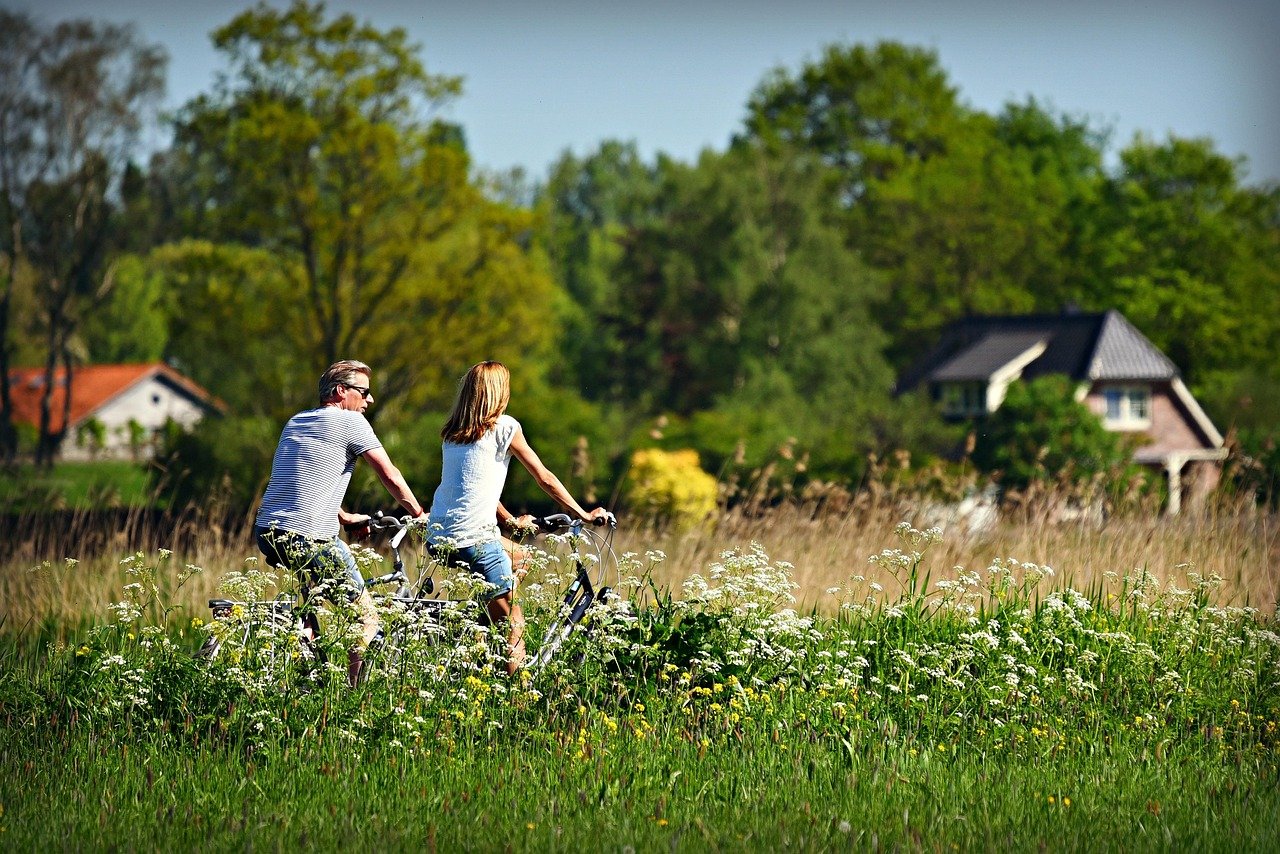
What if the fastest way to make friends in your neighborhood isn’t an app, a class, or a coffee shop, but a bicycle? It sounds almost too simple. Yet across cities, suburbs, and small towns, people keep discovering the same thing: when you ride side by side with someone, conversation flows differently. The pressure drops. The miles pass. And somewhere between the first hill and the last stop sign, a friendship takes root.
Bike friendship is exactly what it sounds like: the social bond that forms when people ride bicycles together, regularly and casually. It’s not a formal club requirement or a personality type. It’s a pattern of behavior, and it’s one of the most accessible social tools people have. This article looks at why riding together works so well, how to start, what usually goes wrong, and how to turn a few shared rides into friendships that last beyond the bike lane.
Why Two Wheels Beat Small Talk
Think about the last time you tried to get to know someone at a party. You stood face to face, forced eye contact, and searched for something to say. Now imagine the same person next to you on a flat, quiet path, both of you watching the road ahead. The silence isn’t awkward. It’s comfortable. The conversation has a natural rhythm, broken up by gear shifts, turns, and the occasional “car back.”
That shift matters more than most people realize. Research on friendship generally finds that shared activities and repeated, low-pressure contact are what build relationships. Not grand gestures, not one big night out, but small, regular moments. Cycling delivers those moments almost automatically. You’re doing something together, you’re side by side rather than staring at each other, and you’re doing it again next week because it’s fun.
There’s also a practical incentive. A study published in Transportation Research Part F in 2019 found that cyclists who ride with others report more positive experiences and stronger motivation to keep cycling. In other words, the social side doesn’t just make riding nicer. It makes people ride more. The friendship and the habit feed each other.
A Short History of Riding as a Social Act
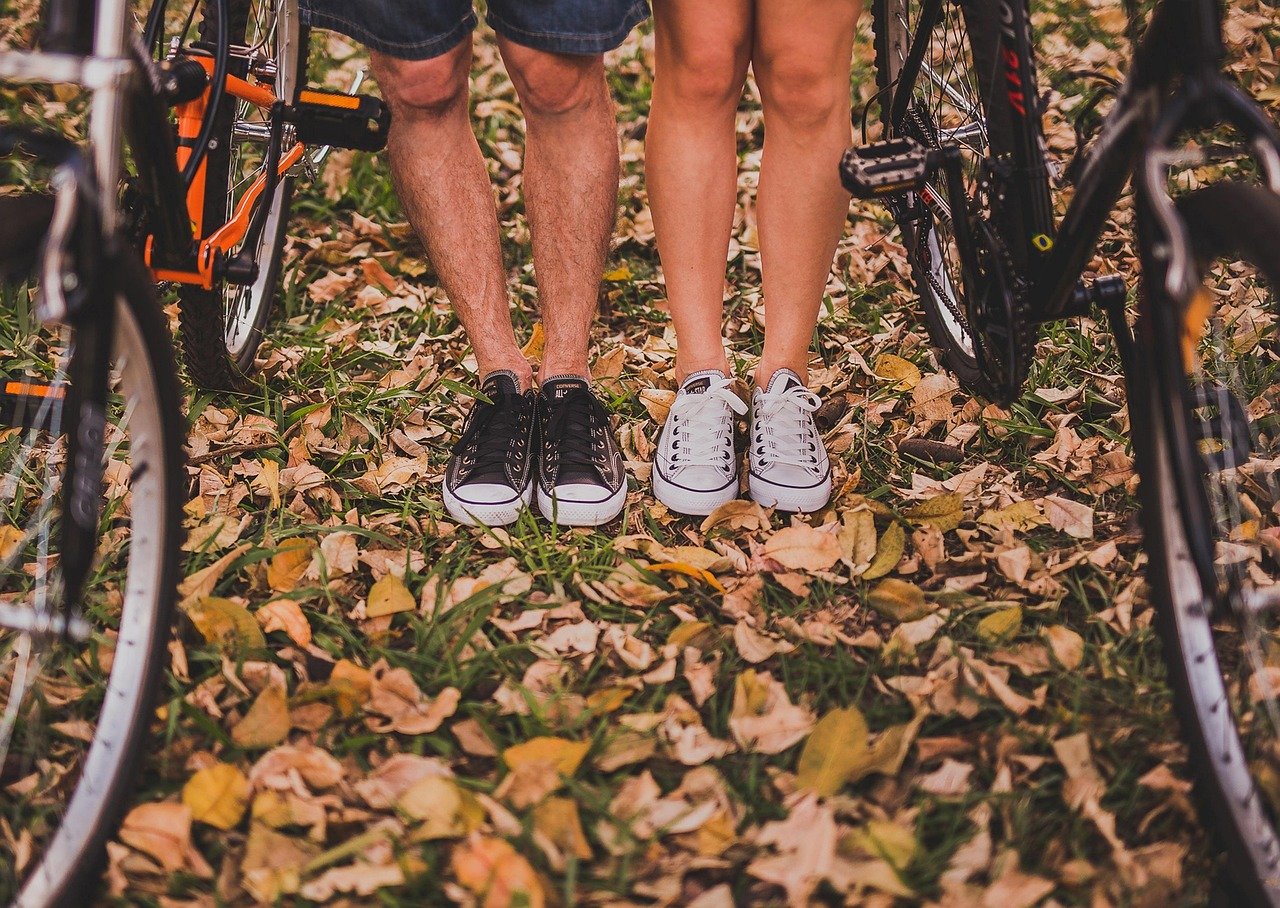
Group riding isn’t a modern wellness trend. It has been a social force for well over a century.
When the safety bicycle spread in the 1880s and 1890s, with its chain drive and two equal-sized wheels, cycling stopped being an extreme sport for daredevils and became something ordinary people could do. Women in particular took to it, and the backlash was immediate and strange. Critics claimed that riding produced a strained expression called “bicycle face.” The claim was mocked in the press at the time, and it survives today mostly as a reminder of how threatened some people felt by the sight of others moving freely.
They had reason to feel threatened. In her 1895 book The New Woman, the American reformer Frances Willard wrote that bicycling had done more to emancipate women than any single thing in the world. Exact wording varies between editions and quotation collections, so it’s worth checking the original before quoting it, but the sentiment is well documented. The bicycle wasn’t just transport. It was permission.
That thread continues. Critical Mass rides, which began in San Francisco in 1992, turned group cycling into a visible statement about who belongs on the road. Bike buses, organized group rides of children and adults traveling to school together, grew notably in the early 2020s. Different eras, different causes, same underlying mechanism: people on bikes, moving together, become a community.
What Bike Friendship Actually Looks Like in Practice
The phrase covers a wide range of arrangements. Some are loose and informal. Others have a schedule and a group chat. Here’s how the common versions compare.
| Type | Typical size | Commitment | Best for |
|---|---|---|---|
| Casual two-person rides | 2 people | None, spontaneous | Building one close friendship |
| Neighborhood ride group | 4–10 people | Weekly or biweekly | Meeting people nearby |
| Shop or club ride | 10–40 people | Fixed schedule, pace groups | Structured fitness plus socializing |
| Bike bus or family ride | Varies widely | School or seasonal calendar | Parents, kids, and whole households |
| Event or charity ride | Hundreds | One-off | A taste of group riding without long-term ties |
Most lasting bike friendships start in the first two rows. Big organized rides are great fun, but they’re crowded and fast, and you rarely get more than a few minutes with any one person. The magic happens in small, repeatable groups where the same faces show up. (Best e bike brands pick one that fits your life)
How to Start When You Don’t Know Anyone
This is the part where most people stall. They like the idea, they don’t have a riding partner, and they assume they need one before they can begin. It works the other way around.
Start with the ride you already do
If you already ride to the shop, the park, or the train station, you have a route. Now make it slightly social. Say hello to the person who locks up next to you. Ask a neighbor who owns a bike whether they actually ride it. The bar is embarrassingly low, and that’s the point.
Join a beginner-friendly group first
Search for local social rides rather than training rides. The distinction matters. A training ride is a fitness event with a pace you must hold. A social ride has a regroup point, a coffee stop, and someone willing to wait at the top of the hill. If you’re new to group riding, a step-by-step guide to riding a bike safely in traffic will do more for your confidence than any amount of enthusiasm. Reading up on the basics before you show up means you spend the ride talking instead of worrying.
Borrow before you buy
You do not need a new bike to make bike friends. Ride what you have. If you’re shopping for your first proper bike, it’s worth understanding what actually protects you before spending money, and equally worth knowing which e-bike brands fit your daily life if you’re considering power assistance. But nobody at a social ride will inspect your drivetrain. They’ll ask where you live and whether you’re coming next week.
Make the second ride happen
The single most common mistake is treating the first ride as the achievement. It isn’t. The first ride is an introduction. The friendship forms on the third or fourth ride, when people start saving you a spot and asking about your week. Put the next date in your calendar before you leave.
The Practical Stuff Nobody Warns You About
Group riding has a few friction points that catch newcomers off guard. Knowing them in advance saves a lot of awkwardness.
Pace mismatch is the number one killer. A fast rider and a slow rider who set out together will either resent each other or split up. The fix is simple and unglamorous: agree on a pace before you leave, and agree that the group regroups at every major turn. If someone is always being dropped, they stop coming, and the group quietly shrinks.
Gear gaps create quiet exclusion. Someone on a heavy commuter bike shouldn’t be expected to keep up with someone on a carbon road bike over thirty miles. Shorter routes and gentler terrain level the field. So does choosing routes by the slowest rider rather than the fastest.
Safety habits need to be shared, not assumed. Hand signals, calling out hazards, riding predictably, and knowing how to handle a guest code on a smart lock at the meetup spot all sound trivial until they aren’t. If your group meets at someone’s house or a shared garage, setting a smart lock guest code expiration so access ends when the ride does is a small, sensible habit that prevents awkward conversations later.
The group chat can die. A chat with no next date becomes a graveyard of old photos. Someone has to be the person who posts “Saturday, 9am, usual spot?” every week. That person is usually the reason the group exists at all.
Why Some Groups Last and Others Fade
The difference between a ride group that’s still going three years later and one that vanished after a month is rarely about fitness or equipment. It comes down to a handful of habits.
- A fixed time. Same day, same hour. Decisions kill momentum; routines survive it.
- A named meeting point. “The usual spot” only works once there’s a usual spot.
- A coffee stop. The ride is the excuse. The sitting down is the friendship.
- Low stakes. No leaderboards, no Strava competition within the group, no one keeping score.
- An explicit welcome. Someone’s job is to notice the new person and ride next to them for the first ten minutes.
That last one is the most underrated. Newcomers don’t leave groups because they’re unfit. They leave because nobody talked to them. A single greeting at the start line changes everything.
Bike Friendship Beyond the Ride
The strongest cycling friendships spill over. People start lending tools, sharing routes, planning weekends away, and showing up when someone’s bike gets stolen. The bicycle is the entry point, not the whole relationship.
There’s a broader lesson in that. Modern life makes it easy to be busy and hard to be around the same people repeatedly. Cycling solves both problems at once. It’s exercise, it’s transport, and it’s a standing appointment with people you like. The health angle is real too: public-health bodies treat cycling as valuable physical activity, and doing it with others makes people more likely to keep at it.
If you’re building other habits alongside your riding, the same principle applies: shared routines stick better than solo willpower. Teams that ship infrastructure reliably tend to codify their habits, much like a gitops practice where teams ship infrastructure with git as the source of truth. The mechanism is identical. Make the good behavior the default, and the group carries you when motivation dips. Cloud refactoring implementation steps that actually ship follow the same logic: small, repeatable, shared. So do hybrid cloud implementation steps that actually ship. And if you’re the security-minded type in your ride group, you’ve probably already wondered whether a YubiKey is something you really need. The answer, as with most things, is that it depends on what you’re protecting and who else is involved.
Common Mistakes That Sink New Ride Groups
A few patterns show up again and again. Avoiding them is easier than fixing them.
- Over-planning the first ride. A forty-mile loop with a strict start time scares off exactly the people you want. Start with eight miles and a bakery.
- Letting the fastest rider set the route. The group’s shape should be defined by its slowest member, at least until everyone knows each other.
- Skipping the regroup. One dropped rider equals one lost member.
- Making it a performance. The moment the group ride becomes a training session with a leaderboard, the casual riders disappear.
- Not exchanging contacts. A great ride with no follow-up is just a nice memory. Get the number, send the message.
Conclusion
Bike friendship isn’t complicated, and that’s precisely why it works. It asks for a bike you already own, a route you already know, and the willingness to show up at the same time as someone else. Everything else, the conversation, the coffee stops, the borrowed tools, the weekend plans, grows out of that simple repetition.
The history backs it up. A century and a half ago, people fought for the right to ride alongside each other, and the ones who did it together changed what was possible. Today the stakes are smaller but the reward is just as real. A standing Saturday ride won’t emancipate anyone, but it will give you a group of people who notice when you’re not there. That’s worth a lot. Pick a day, pick a spot, and invite one person. The rest tends to take care of itself.
Frequently Asked Questions
What exactly is bike friendship?
Bike friendship is the social bond that forms between people who ride bicycles together regularly. It usually develops through small, repeated group rides rather than one big event, and it often extends beyond cycling into everyday friendship.
Do I need an expensive bike to join a group ride?
No. Most social rides welcome any working bicycle. Pace and route choice matter far more than equipment. If you’re buying your first bike, focus on fit, brakes, and comfort rather than price tags or brand names.
How do I find people to ride with if I don’t know anyone?
Look for beginner-friendly social rides rather than training rides, ask at local bike shops, check community boards, and simply talk to neighbors who own bikes. Starting with one person you already know and inviting them along is often the easiest route.
What if I’m much slower than everyone else?
Say so before the ride starts. Good groups regroup at every turn and set the route by the slowest rider. If a group consistently drops you, it’s the wrong group, not a personal failing. Try a different one.
How often should a ride group meet to stay alive?
Weekly or every other week works best. A fixed day and time removes the need for constant planning. Groups that rely on ad hoc scheduling tend to fade within a few months, while routine groups last for years.
Can bike friendship work for kids and families?
Yes. Bike buses, where children and adults ride to school together in an organized group, have grown in popularity as a way to combine commuting, safety in numbers, and community. Family rides and weekend group rides work the same way: regular, low-pressure, and social.



