
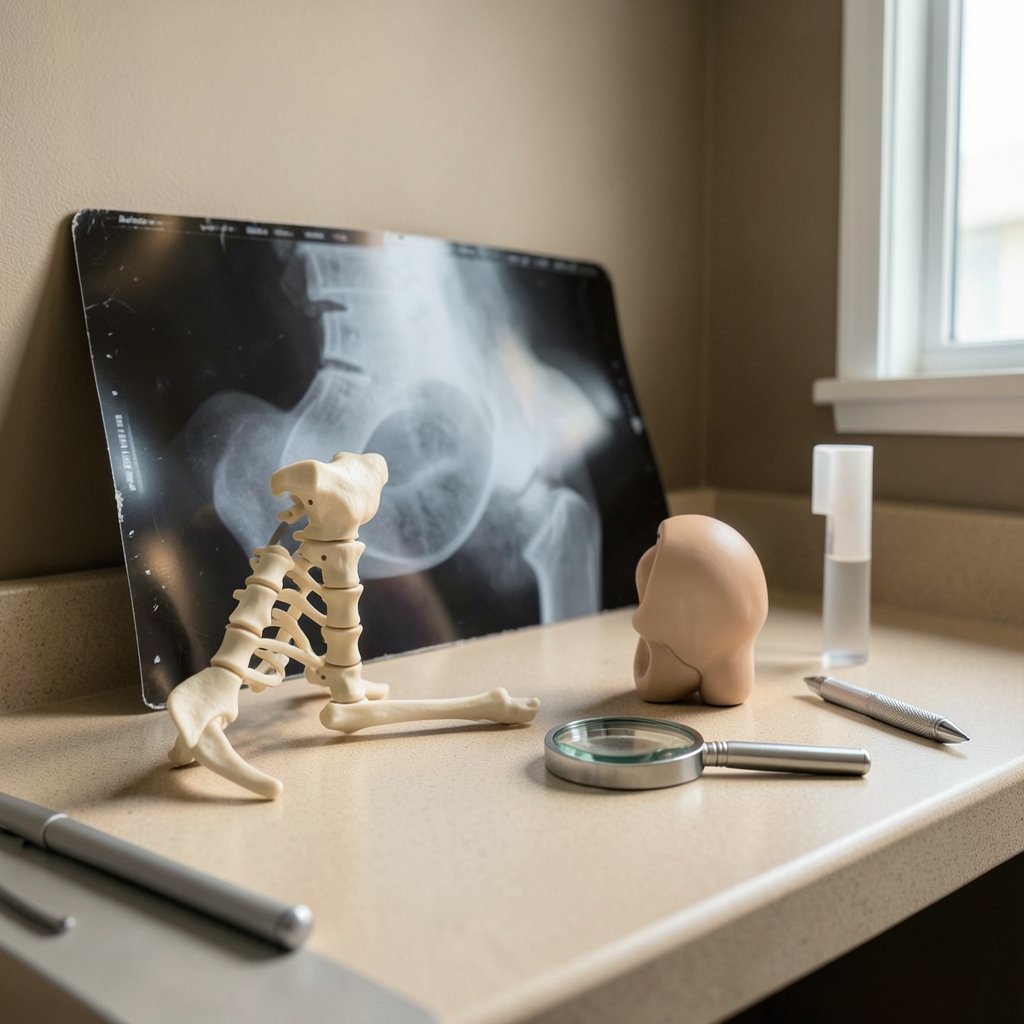
Quick Answer: What are bone spurs?
A bone spur, also called an osteophyte, is a bony growth that forms on the edge of a bone, usually at a joint or where a tendon or ligament attaches. Most bone spurs are the body’s response to long-term pressure, rubbing, or stress on a bone, and many cause no symptoms at all.
They are different from a fracture, a tumor, or a separate piece of loose bone, and they are not a disease on their own. The spur is a sign of an underlying process, most often osteoarthritis, where cartilage wears down and the joint tries to stabilize itself with extra bone. Some spurs, such as heel spurs, get blamed for pain that actually comes from inflamed tissue nearby. (Spurs vs thunder timeline from 2008 origins wembanyama era)
Before acting on a diagnosis, check the location of the spur, whether it presses on a nerve or tendon, how long symptoms have lasted, what imaging shows, and whether conservative care such as physical therapy or better footwear has already been tried.
Wincing with every step out of bed? A sharp ache in your heel or a stiff, grinding shoulder can send almost anyone searching for answers. Bone spurs are one of the most misunderstood findings in medicine, partly because they sound dramatic and partly because they often show up on an X-ray for something completely unrelated. Here is what these bony growths really are, how they form, and what actually helps when one starts causing trouble.
What a bone spur actually is

A bone spur is a small, extra outgrowth of bone that develops along the margin of a bone. Doctors call it an osteophyte, and it is not a splinter, a growth spurt, or a piece of bone that broke off. It is new bone that the body laid down over time, usually in response to mechanical stress.
Think of it like a callus on your hand. Skin thickens where it rubs, and bone does something similar where it is repeatedly loaded or irritated. The spur itself is often smooth and hard, and on an X-ray it may look like a tiny beak or a lip jutting out from the edge of a joint.
Bone spurs most often form in the spine, knees, hips, shoulders, hands, and feet, including the heel. They become more common with age and with degenerative joint disease, though exact prevalence numbers vary widely depending on the population studied and the imaging method used, so it is wise to avoid quoting a single figure.
Why the body builds extra bone
The most common driver is osteoarthritis. As cartilage breaks down, the joint becomes less stable, and the body responds by building extra bone around the edges to spread the load and shore things up. That is a repair attempt, not a malfunction, even if it ends up causing problems later.
Other forces can trigger the same response. Repeated rubbing of a tendon against bone, poor joint alignment, old injuries, and long-term heavy loading can all encourage osteophyte formation. In the spine, spurs often appear where discs have thinned and vertebrae sit closer together.
This is why bone spurs are best understood as a symptom of wear and tear rather than a standalone condition. Treating the spur without addressing the joint, posture, or loading pattern behind it rarely solves the problem.
Bone spurs by location
The same basic process produces very different experiences depending on where it happens. Here is a practical comparison.
| Location | How spurs typically behave | Common symptoms when they cause trouble |
|---|---|---|
| Spine | Form near discs and facet joints as discs thin | Stiffness, narrowed spaces, nerve irritation, numbness or pain radiating into limbs |
| Knee | Develop at joint margins in osteoarthritis | Grinding, aching, reduced range of motion |
| Hip | Grow around the socket and joint edge | Deep groin ache, stiffness, pain with rotation |
| Shoulder | Appear near the acromion and rotator cuff | Pinching, irritation of the tendon, pain when reaching overhead |
| Hand | Small bumps near finger joints | Bony knuckles, stiffness, occasional pain |
| Foot and heel | Form under the heel bone or on the top of the foot | Heel pain linked to plantar fasciitis, discomfort in tight shoes |
A key nuance: in the heel, the spur itself is often not the direct source of pain. Inflammation of the plantar fascia and surrounding tissue is usually what hurts, and the spur may simply be a marker of long-standing tension in that area. Sources differ on how directly heel spurs cause pain, so it is fair to treat this as uncertain rather than settled.
Why many bone spurs cause no symptoms at all
Here is the part that surprises people most: a large share of bone spurs are found by accident. Someone gets an X-ray after a fall, and there it is, a spur they never felt. Many produce no symptoms because they grow slowly and never press on anything sensitive.
Symptoms appear when a spur rubs against nearby tissue, narrows a space, or irritates a nerve. In the spine, that can mean pain, tingling, or numbness traveling into an arm or leg. In the shoulder, it can contribute to rotator cuff irritation. In the foot, it can accompany the sharp first-step pain of plantar fasciitis.
This is why the size of a spur on an image matters far less than what it is touching. A tiny spur in a tight space can cause more trouble than a big one sitting harmlessly on a bone edge.
How doctors tell a bone spur from other problems
Diagnosis usually starts with a history and a physical exam, then moves to imaging. X-rays are the standard way to spot osteophytes, since bone shows up clearly. When soft tissue or nerve involvement needs a closer look, MRI or CT may be used.
The tricky part is attribution. Because spurs are so common, finding one does not automatically explain a patient’s pain. A careful clinician will check whether the tender spot lines up with the spur, whether movement reproduces the symptoms, and whether nerve signs are present.
This is the same logic that applies when people read sports box scores and misread a big number as the whole story. Reading a single stat line without context leads to the wrong conclusion, just as reading a single X-ray finding without an exam does. If you follow basketball and enjoy digging into matchup data, the same discipline of checking context applies to how you read Oklahoma City Thunder vs San Antonio Spurs match player numbers. It is a useful reminder that one data point rarely tells the full tale. (Portland trail blazers vs san antonio spurs player stats)
What actually helps: conservative care first
Treatment for bone spurs is usually conservative, and that is genuinely good news. Most people improve without surgery. The goal is not to dissolve the spur, because spurs do not melt away with rest, but to reduce the stress and inflammation around it.
A sensible approach looks like this:
- Rest and modify activity. Cut back on whatever reproduces the pain, then rebuild gradually.
- Physical therapy. Strengthening the muscles around the joint improves stability and takes load off irritated tissue.
- Weight management. Less body weight means less load through knees, hips, and feet.
- Pain relievers. Over-the-counter options can calm inflammation during flare-ups.
- Shoe inserts and proper footwear. Cushioning and arch support help heel and foot spurs in particular.
- Posture and ergonomics. Especially for spinal spurs, how you sit, stand, and lift matters over years, not days.
Surgery to remove a spur is considered only when conservative care fails and symptoms are significant, such as persistent nerve compression or a spur that keeps irritating a tendon. It is the exception, not the default.
Mistakes people make with bone spurs
The most common error is assuming the spur is the whole problem. Someone sees “bone spur” on a report and focuses entirely on getting rid of it, while ignoring the joint mechanics, footwear, or training load that created it.
A second mistake is resting completely and indefinitely. Total rest can weaken the muscles that support the joint, which makes the underlying issue worse. Gentle, guided movement usually beats bed rest.
A third is chasing miracle remedies. No cream, supplement, or gadget has been shown to remove a spur. What works is reducing the stress that produced it and calming the tissue around it.
Finally, people often skip the follow-up question. If a scan shows a spur, ask what it is touching, whether it explains the symptoms, and what the non-surgical plan looks like. That single conversation prevents a lot of unnecessary worry.
Prevention: reducing the stress that builds spurs
Prevention advice here is largely advisory rather than proven, but it is low-risk and sensible. Maintaining a healthy weight, keeping good posture, wearing supportive footwear, and choosing joint-friendly exercise such as swimming or cycling can reduce the repetitive stress that leads to osteophytes.
For athletes and weekend warriors, the practical version is load management. Sudden jumps in mileage, intensity, or training volume are a classic route to tendon irritation and joint stress. Building gradually gives tissue time to adapt.
For anyone with a physical job, small adjustments add up: lifting with the legs, varying positions, using mats on hard floors, and taking micro-breaks. None of this guarantees a spur-free life, but it lowers the daily load that wear-and-tear conditions feed on.
When to see a doctor
Seek medical advice when pain persists beyond a few weeks, interferes with sleep or daily activity, or comes with numbness, tingling, weakness, or loss of range of motion. Those nerve-type symptoms deserve prompt attention, especially in the spine.
Also get checked if a joint is hot, swollen, or red, or if pain follows an injury. Those signs point to something other than a simple degenerative spur and need a proper evaluation.
Conclusion
Bone spurs are bony outgrowths that form where a bone is repeatedly stressed, most often around joints affected by osteoarthritis. They are common, frequently silent, and usually managed without surgery. The real work is not chasing the spur itself but calming the tissue around it, improving the mechanics that created it, and knowing when symptoms deserve a closer look. Understand the process, and the scary-sounding finding on an X-ray becomes a manageable, often minor part of a bigger picture.
Frequently asked questions
Do bone spurs go away on their own?
They generally do not disappear. A bone spur is solid bone, and it does not dissolve with rest or medication. What does improve is the surrounding inflammation and irritation, which is why symptoms often settle even though the spur remains visible on imaging.
Are bone spurs the same as arthritis?
No, but they are closely linked. A spur is a bony growth, while arthritis is the joint condition that often causes it. Osteoarthritis is the most common reason spurs form, because cartilage loss and joint instability prompt the body to build extra bone for support.
Can bone spurs be prevented?
There is no guaranteed way to prevent them, and prevention evidence is largely indirect. Keeping a healthy weight, maintaining good posture, wearing supportive shoes, and increasing activity gradually may reduce the repetitive stress that contributes to osteophyte formation over time.
Is heel pain always caused by a heel spur?
No. Heel spurs are common on X-rays, including in people with no heel pain at all. The pain of plantar fasciitis usually comes from inflammation of the plantar fascia and surrounding tissue, and the spur is often a marker of long-standing tension rather than the direct source of the ache.
Can a bone spur cause nerve pain?
Yes, in some cases. In the spine, a spur can narrow the space around a nerve and cause pain, numbness, or tingling that travels into an arm or leg. In the shoulder, a spur can irritate the rotator cuff. Nerve-type symptoms are a good reason to get evaluated promptly.
Does surgery cure bone spurs permanently?
Surgery can remove a troublesome spur and relieve pressure on a nerve or tendon, but it does not change the underlying joint condition that caused it. Most people do well, yet conservative care remains the first choice, and surgery is reserved for significant symptoms that do not improve otherwise.



