

What separates a burrito that holds together to the last bite from one that collapses into a pile of rice and regret? The answer rarely comes down to the ingredients themselves. It comes down to burrito craft — the small set of physical techniques that decide whether a flour tortilla becomes a sealed, portable package or a structural failure waiting to happen. Anyone who has eaten a great burrito knows the difference instantly. Fewer people can explain why.
This article breaks down the craft behind the wrap: tortilla selection and heating, ingredient layering, the fold itself, wrapping in foil, and the regional traditions that shaped all of it. It also covers the mistakes that ruin burritos most often and what actually works in practice.
What Burrito Craft Actually Means
Burrito craft is the practical skill of assembling a filled tortilla so that it stays sealed, distributes its contents evenly, and eats cleanly by hand. It sits at the intersection of food science and kitchen habit. Nothing about it is formalized. There is no certifying body for burrito rolling, no standard of identity that defines what counts as a proper burrito in the United States. The craft is passed along through taquerias, home kitchens, and a lot of trial and error.
That informal status is exactly why the craft matters. When there’s no rulebook, technique becomes the whole game. A cook who understands why a tortilla is steamed, why rice sits in the middle, and why the foil wrap is functional rather than decorative will produce a better burrito than one who simply piles ingredients and hopes.
A Quick Note on Origins and the Word Itself
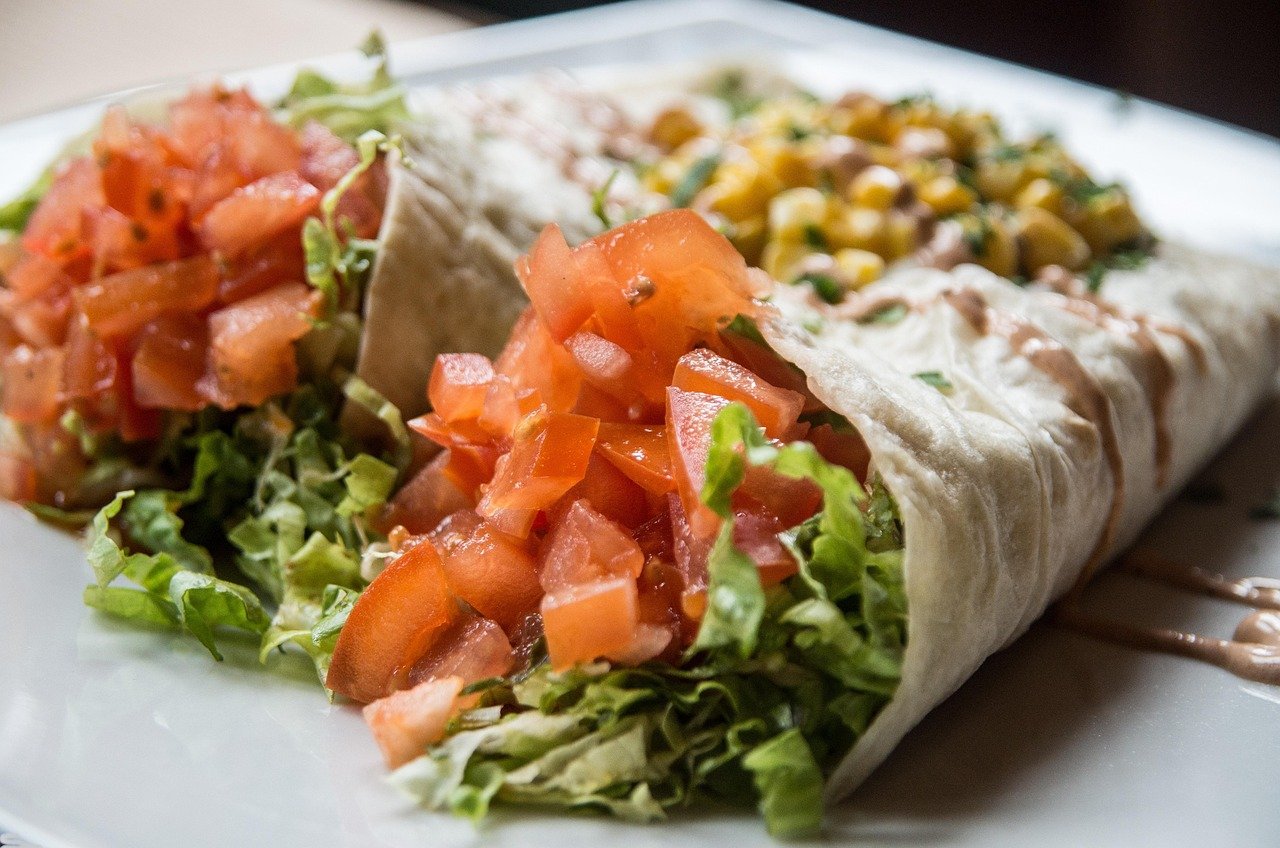
Flour tortillas are a northern Mexican tradition. Wheat grows well in Sonora and other northern states, so flour tortillas became the local staple there, while corn tortillas dominate central and southern Mexico. The regional split is old, though the exact origins are debated among food historians.
The large, foil-wrapped mission-style burrito is associated with San Francisco’s Mission District. Taquerias there, notably El Faro (founded in 1961), are often credited with popularizing the big foil-wrapped format in the 1960s and 1970s. Treat that as an origin story rather than settled fact — the “inventor” claim is contested.
The name itself likely comes from “little donkey,” with folk etymologies linking the rolled bundle to a donkey’s pack or a bedroll. Dictionaries mark the etymology as uncertain, so it’s best repeated with a shrug rather than certainty.
Regional variants differ in craft as much as in filling. Ciudad Juárez-style burritos are smaller and often flour-based. California mission burritos are large and overstuffed. The San Diego “California burrito” adds french fries. The dates of popularization are fuzzy, but the structural differences are real.
Tortilla Selection: The Foundation Nobody Thinks About
Most burrito failures start before any filling touches the tortilla.
A flour tortilla needs enough fat and gluten to stretch without tearing. Thin, dry tortillas crack at the fold line. Very thick ones can be tough and chewy. The sweet spot is a tortilla that flexes easily when warm and holds its shape when rolled.
Size matters too. A 10-inch tortilla handles a modest filling comfortably. Mission-style burritos usually need 12 to 13 inches to wrap a large volume without bursting. Trying to force a big filling into a small tortilla is one of the most common home mistakes, and no amount of technique rescues it.
Why Heating the Tortilla Is Non-Negotiable
Cold tortillas tear. Warm tortillas stretch. That single fact drives most of the craft.
Commercial taquerias use tortilla warmers or steam cabinets to keep tortillas hot and pliable during service. Home cooks can achieve the same effect with a dry skillet over medium heat, a few seconds per side, or a damp towel in a low oven. The goal is a tortilla that is hot, soft, and slightly steamy — not toasted crisp and not dried out.
This is widely taught technique rather than a formal standard, but the practical result is consistent: a warm tortilla folds without cracking, and a cracked tortilla leaks.
Layering: Where Structural Engineering Meets Lunch
Filling order is where experienced cooks separate themselves from beginners. The general craft rules that hold up in practice:
- Rice and beans near the center. Moist, heavy ingredients belong in the middle, where the wrap has the most support.
- Drier ingredients toward the edges. Grilled meat, vegetables, and cheese can sit closer to the perimeter without soaking through.
- Sauces and salsas sparingly, and never against the tortilla skin. Liquid at the edge softens the tortilla and causes blowouts.
- Cheese as a barrier layer. A layer of cheese between wet fillings and the tortilla adds structure and flavor.
These are practitioner rules of thumb, not peer-reviewed findings. But they follow basic logic: moisture migrates, gravity pulls, and a tortilla is only so strong.
Portion control is the other half of layering. Overstuffing is the single most reliable way to ruin a burrito. A filling that looks modest on the tortilla will feel generous once rolled. Cooks who consistently nail the ratio tend to fill to roughly two-thirds of the tortilla’s width, leaving a clear border for folding.
The Fold: Tuck, Roll, Tighten
The burrito fold is simple to describe and surprisingly hard to do well under pressure.
- Warm the tortilla until it is soft and steamy.
- Place the filling in a rough rectangle in the lower-middle portion, leaving a border on all sides.
- Fold the left and right sides inward, pressing them gently against the filling.
- Lift the bottom edge and tuck it over the filling, pulling back slightly to tighten.
- Roll forward with steady pressure, keeping the sides tucked as you go.
- Finish seam-side down so the wrap holds itself closed.
The tuck-and-pull in step four is the move most people miss. Tucking the bottom edge over the filling and then pulling it back toward you compresses the contents into a tight cylinder. Without that pull, the burrito stays loose, and a loose burrito falls apart mid-meal.
Tightness is a balance. Too loose and the filling shifts. Too tight and the tortilla tears or the filling bursts out the ends. The right feel is firm but not strained.
Foil: Function, Not Decoration
The heavy-duty aluminum foil wrap on a mission-style burrito is not there to look authentic. It holds heat and gives a large, overstuffed burrito the structural integrity to be eaten by hand. The foil acts as an external skeleton, keeping the tortilla compressed while the eater works through it.
This is craft practice rather than a documented standard, but anyone who has carried a foil-wrapped burrito across a parking lot understands the point. Foil also makes a clean cut possible: slicing through foil and burrito together produces the tidy cross-section that taquerias and takeout counters rely on.
At home, wrapping tightly in foil after rolling and letting the burrito rest for a minute or two helps the whole package settle. It’s a small step with an outsized effect.
Standardization and the Assembly Line
Chipotle Mexican Grill, founded in Denver in 1993, standardized the assembly-line burrito and later added the burrito bowl around 2003. That corporate history is verifiable through company filings, though exact dates are worth confirming before quoting them.
The assembly-line model is worth studying because it reveals which parts of burrito craft can be systematized. Portion scoops, pre-warmed tortillas, a fixed ingredient order, and a consistent fold can be taught to almost anyone in a short time. What the assembly line cannot fully capture is judgment: knowing when a tortilla is warm enough, when a filling is too wet, when to stop adding.
For anyone building a workflow around food — whether a home cook prepping a week of lunches or someone thinking about the economics of a food operation — the lesson transfers. Systems handle the repeatable parts; craft handles the judgment calls. If the business side of food interests you, there’s a parallel discussion in this breakdown of make money in infinite craft realistic paths that work, which treats repeatable process as the foundation rather than the finish.
Nutrition: The Numbers Depend Entirely on the Recipe
A large mission-style burrito can exceed 1,000 calories. That figure is not a fixed property of burritos; it’s a property of a particular combination of tortilla size, rice, beans, meat, cheese, sour cream, and guacamole. Values differ enormously by recipe, and any single number should be treated as one data point rather than a rule.
The practical takeaway for anyone tracking intake is to build the number from components rather than trusting a generic burrito entry. Tortilla size alone can swing the total by a few hundred calories.
Regional Craft Differences at a Glance
| Style | Typical Size | Defining Craft Feature |
|---|---|---|
| Ciudad Juárez-style | Small | Thin flour tortilla, tight roll, minimal filling |
| Mission-style (San Francisco) | Large | Heavy foil wrap, rice-heavy filling, overstuffed |
| California burrito (San Diego) | Large | French fries added, requiring careful moisture control |
| Burrito bowl | No tortilla | Same layering logic, no structural wrap needed |
The table shows why “authentic” is a contested word here. The dish has evolved across borders and regions, and each version has its own craft logic. A Juárez-style burrito and a mission burrito are not the same object made at different sizes; they are different engineering problems.
Common Mistakes and What Actually Works
The mistakes show up again and again, in home kitchens and busy taquerias alike.
Using a cold tortilla. It tears at the fold. Warm it first, every time.
Overfilling. The most common error. Fill to two-thirds of the width and leave a clear border.
Wet fillings against the tortilla. Salsa directly on the tortilla softens it into failure. Put a barrier layer down first.
Skipping the tuck. Rolling without the tuck-and-pull leaves the burrito loose.
Rolling too tight. The opposite error. It tears the tortilla and forces filling out the ends.
Not resting the wrap. A minute of rest after foil wrapping lets everything settle.
What works is unglamorous: warm tortillas, disciplined portions, deliberate layering, a firm tuck, and a tight foil wrap. None of it requires special equipment beyond a skillet and some foil.
The same principle — small, repeatable technique beats expensive gear — shows up in plenty of other crafts. Coffee brewing is a good parallel: the grinder matters, but alignment matters more, as this piece on coffee grinder burr alignment and why it matters explains. Burritos work the same way. The tortilla matters, but the fold matters more.
Practicing the Craft
Burrito craft rewards repetition. A cook who rolls ten burritos in a row will feel the difference between a warm and a cold tortilla, between a tucked and an untucked roll, in a way that reading cannot teach.
Start with a single reliable formula: one warm 12-inch flour tortilla, a modest scoop of rice, beans, protein, cheese, and a spoon of salsa kept away from the edges. Roll it with the tuck. Wrap it in foil. Cut it in half and look at the cross-section. If the layers are even and the wrap is tight, the craft is working. If the filling is bunched at one end or the tortilla has split, adjust one variable at a time.
For cooks who want to build broader kitchen confidence before tackling burritos, the step-by-step approach in this beginner’s survival walkthrough for Minecraft is a surprisingly good model: start with the basics, add one skill at a time, and don’t skip the fundamentals to get to the fun part. Burrito rolling is the same kind of skill ladder.
Conclusion
Burrito craft is not a secret. It’s a short list of physical principles applied with consistency: a warm, pliable tortilla; disciplined portions; wet ingredients kept away from the edges; a firm tuck-and-pull; and a tight foil wrap that holds everything in place. The history behind the dish is genuinely uncertain in places, and “authentic” is a word best used carefully. What isn’t uncertain is the technique. Anyone willing to practice the fold a few dozen times will notice the difference immediately, and the burritos will hold together to the last bite.
FAQ
Why do my burritos always fall apart?
The most common causes are a cold tortilla, overfilling, and skipping the tuck. Warm the tortilla until it’s soft, fill only to about two-thirds of the width, and tuck the bottom edge over the filling before pulling it back to tighten. A tight foil wrap after rolling adds external support.
Should I use a press or a skillet to warm tortillas?
A dry skillet over medium heat works well for home cooks and gives direct control. A tortilla press is for shaping dough, not warming finished tortillas. Commercial kitchens often use steam cabinets or tortilla warmers to keep a steady supply hot and pliable during service.
Is the foil wrap really necessary?
It’s functional. Heavy-duty foil holds heat and gives a large, overstuffed burrito the structural integrity to be eaten by hand. It also allows a clean cut through the whole package. For a small burrito eaten immediately, foil is optional. For a big mission-style one, it’s close to essential.
What’s the best order to layer burrito ingredients?
Put moist, heavy ingredients like rice and beans near the center. Keep drier items like grilled meat and vegetables toward the edges. Never put salsa directly against the tortilla; use cheese or another dry layer as a barrier. These are practitioner rules, not formal standards, but they hold up consistently.
Where did the burrito actually come from?
Flour tortillas are a northern Mexican tradition, and the large foil-wrapped mission-style burrito is associated with San Francisco’s Mission District, with taquerias like El Faro often credited with popularizing it in the 1960s and 1970s. The specific “inventor” claim is contested, and the word’s etymology is uncertain.
How many calories are in a burrito?
It varies enormously. A large mission-style burrito can exceed 1,000 calories, but the total depends entirely on tortilla size and fillings. Build the estimate from individual components rather than trusting a generic number, since recipe differences can swing the total by hundreds of calories.



