
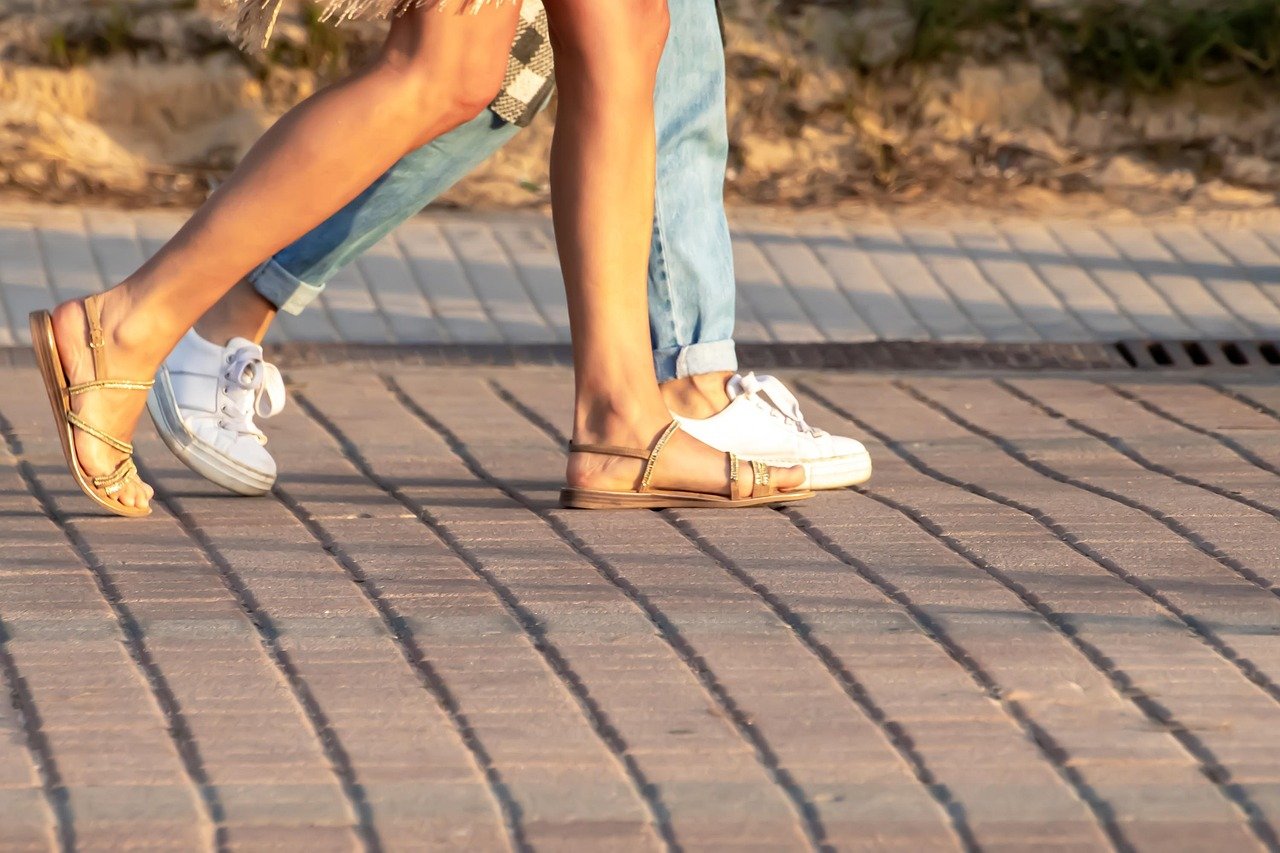
What happens to your feet when you trade closed shoes for sandals the moment the temperature climbs? Most people feel instant relief, then spend the next three weeks dealing with blisters, sore arches, or a sunburn shaped like a sandal strap. Summer shoes differ from winter shoes by more than the amount of material. They change how you walk, how much sun your skin gets, and how much protection you have when something heavy rolls off a shelf.
This guide covers what actually works, what commonly goes wrong, and how to choose summer footwear for real life rather than a vacation photo.
Why summer shoes change the way you walk
The most studied summer shoe is the humble thong flip-flop, and the research is not flattering. Biomechanics researchers have found that walking in thong-style flip-flops shortens your stride and changes ankle and knee motion compared with athletic shoes. Wearers unconsciously grip with their toes to keep the sandal on, which alters the whole chain of movement up the leg.
That finding is not proof that flip-flops destroy your knees. It is proof that your body adapts to whatever is on your feet, and the adaptation costs a little extra effort. On a ten-minute walk to the beach, that cost is nothing. On a two-hour city stroll, it adds up.
The practical takeaway: match the shoe to the distance. Thin-soled flip-flops are fine for short trips around water. They are a poor choice for long walks, driving, or anything that requires foot protection.
The four jobs summer shoes have to do
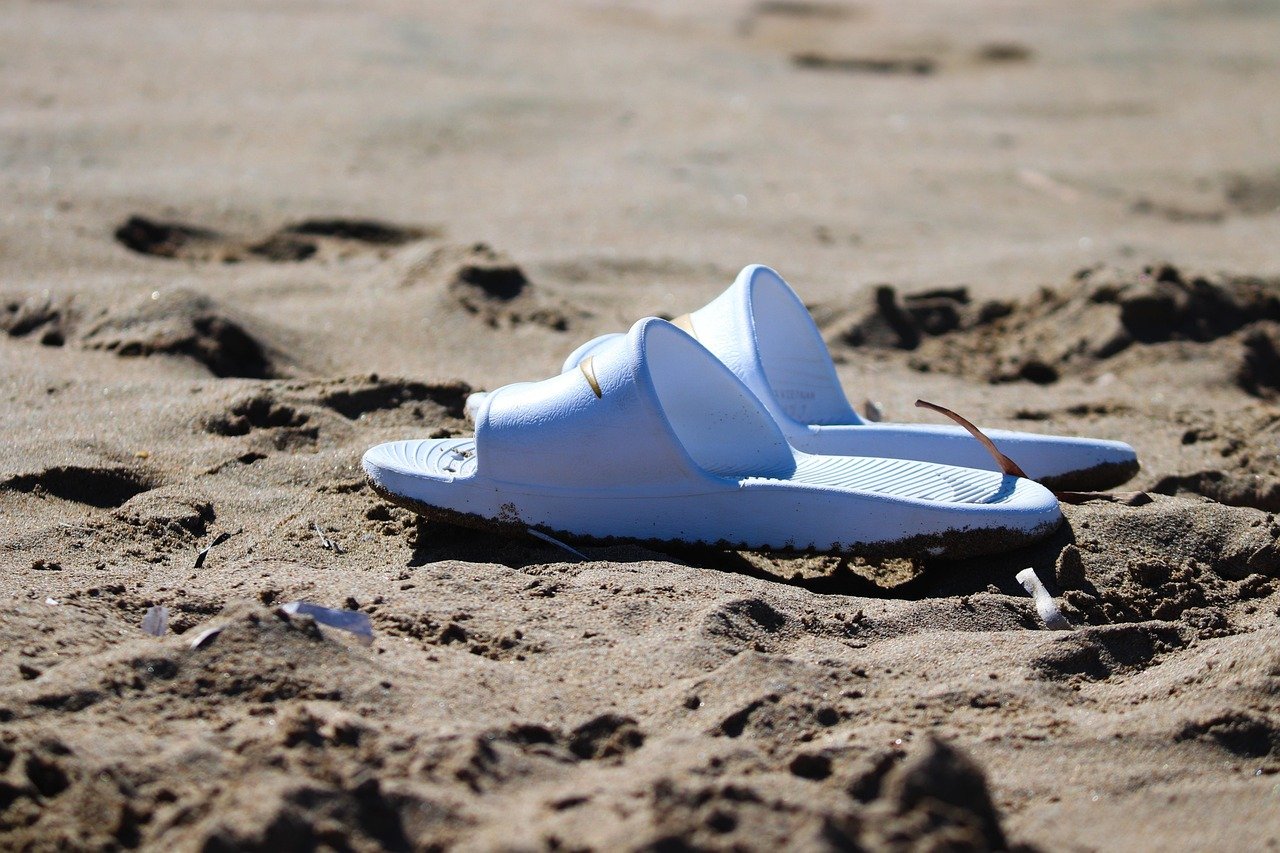
Most bad summer footwear purchases happen because the buyer only solved one problem. A shoe that breathes beautifully may offer zero grip on wet tile. A sandal with great arch support may be miserable in heat. Think of summer shoes as needing to handle four jobs at once.
| Job | What it means in practice | What fails first |
|---|---|---|
| Breathability | Air moves, sweat evaporates | Non-breathable linings, synthetic uppers |
| Protection | Toe coverage, sole thickness, grip | Thin soles, open toes near hazards |
| Support | Arch, heel stability, secure fit | Flat footbeds, loose straps |
| Sun safety | Skin coverage or sunscreen access | Uncovered feet, forgotten sunscreen |
A shoe does not need to win all four categories. It needs to win the ones that match your day. A beach sandal should win breathability and drainage. A walking shoe for a European city break should win support and protection. A garden shoe should win protection above everything else.
Materials: what actually keeps feet cool
Breathability is mostly about materials and construction, not about how many holes a shoe has. Canvas, mesh, and unlined leather all allow moisture vapor to escape. Moisture-wicking linings help move sweat away from the skin. Solid rubber or coated synthetic uppers trap heat and moisture, which is why cheap plastic sandals feel like wearing bags on your feet by mid-afternoon.
A few material notes that hold up in practice:
- Canvas is light and breathable but slow to dry and offers little structure.
- Mesh dries fast and breathes well, though it collects dust and grit.
- Leather molds to the foot and breathes if unlined, but needs care after getting wet.
- EVA foam is light and water-friendly, but compresses over time and offers limited support.
- Rubber is durable and grippy but heavy and hot.
The common mistake is buying a shoe that is breathable but not quick-drying, then wearing it through a wet morning. A canvas sneaker that soaks through at 9 a.m. will still be damp at dinner. If water is part of your summer, prioritize drainage and fast drying over everything except grip.
Blisters: the summer problem nobody plans for
Friction blisters are the single most predictable summer footwear failure. Moisture and friction are the two key causes, and summer delivers both. Sweat softens the skin, grit works its way under straps, and a new sandal rubs in exactly the spot where a strap crosses the heel.
What actually works, based on how friction blisters form:
- Break in new shoes gradually, starting with short wears.
- Keep feet dry where possible and change socks if you wear them.
- Address hot spots the moment they appear, before a blister forms.
- Choose straps that sit flat against the skin rather than edges that dig in.
- Avoid wearing wet shoes for long periods.
What does not work: ignoring a hot spot because you are on holiday and the restaurant is only twenty minutes away. Twenty minutes is plenty of time to create a blister that ruins the next four days.
If you want a deeper look at how small, well-targeted interventions beat brute force, the same logic that makes baiting beat spraying every time applies here: solve the cause, not the symptom. Treat the friction point early instead of patching the blister later.
Sun protection for feet is not optional
Feet are one of the most commonly missed areas for sunscreen. Sandals leave the top of the foot exposed for hours, and the skin there is thin and rarely conditioned to sun. Dermatology sources regularly note the top of the foot as a frequently sunburned site in summer, precisely because people cover their shoulders and forget their toes.
The fix is simple but easy to skip: apply sunscreen to the tops, sides, and soles of the feet before putting sandals on, and reapply after swimming or after several hours outside. Sunburned feet make every shoe uncomfortable, and a strap rubbing over burned skin is genuinely miserable.
Toe protection: why open shoes have a limit
Occupational safety footwear is governed by standards that specify toe-cap impact and compression protection, which is exactly the protection fashion sandals do not provide. Those standards apply to work boots, not beach shoes, but they explain the principle: an open toe is an unprotected toe.
That matters more often than people expect. Moving furniture, carrying groceries up stairs, mowing a lawn, or dropping a full water bottle all happen in summer, and they all happen in sandals. A pair of closed summer shoes with a reinforced toe is worth keeping for yard work and errands that involve lifting.
Driving in summer shoes
Loose footwear can slip off pedals, and driving-safety guidance in many places advises against driving in flip-flops or backless sandals. Rules vary by country, and enforcement varies more. The practical rule is straightforward: if the shoe can come off your foot without you untying or unbuckling anything, it is a risky choice behind the wheel. Keep a pair of closed shoes in the car if sandals are your default.
Matching summer shoes to the activity
The most useful way to buy summer shoes is to stop looking for one pair that does everything. Build a small rotation instead.
| Activity | Best choice | Avoid |
|---|---|---|
| Beach and pool | Quick-dry sandals with grip | Leather, canvas, anything absorbent |
| City walking | Cushioned walking shoes or supportive sandals | Thin flip-flops, flat ballet flats |
| Garden and DIY | Closed shoes with toe coverage | Open sandals, slip-ons |
| Driving | Closed shoes with a secure fit | Backless sandals, flip-flops |
| Office in hot weather | Breathable loafers or closed lightweight shoes | Sport sandals, open toes |
| Hiking in heat | Trail shoes with drainage and grip | Fashion sandals, smooth soles |
That table alone prevents most summer footwear regret. The pattern is consistent: the more protection and support an activity needs, the more closed the shoe should be.
Arch support and existing foot problems
Many flat summer sandals and flip-flops offer very little arch support. For people with plantar fasciitis, flat feet, or heel pain, that is a real issue rather than a minor comfort note. Podiatry sources generally suggest choosing more supportive summer shoes when a foot condition is already present.
Supportive summer options exist: sandals with contoured footbeds, closed breathable shoes with removable insoles, and walking shoes in lighter summer constructions. The trade-off is usually weight and breathability, so try shoes on late in the day when feet are at their largest, and walk on a hard surface rather than carpet.
Fit, sizing, and the swelling problem
Feet swell in heat. A shoe that fits perfectly at 8 a.m. in air conditioning can feel tight by 4 p.m. after a day outside. Buy summer shoes with a little room, especially in width, and prefer adjustable closures over fixed straps.
Two more practical points that experienced buyers learn the hard way:
- Straps should hold the foot, not squeeze it. A strap that leaves a deep mark after ten minutes will cause problems on a long day.
- Check the heel. A sandal that lets the heel slide sideways forces the toes to grip, which is the exact mechanism that makes flip-flops tiring.
If you like systems that remove guesswork and prevent problems before they start, the thinking behind a smart lock guest code that expires automatically is the same: set the limit in advance rather than fixing the mess afterward. For shoes, that means deciding the distance limit for each pair before you wear them.
Care and longevity: making summer shoes last
Summer shoes take more abuse than winter ones because they get wet, sweaty, and dirty more often. A few habits extend their life significantly.
- Rinse sandals after salt water or pool chlorine, then dry them in shade rather than direct sun.
- Let shoes dry completely between wears, and stuff them with newspaper if they are soaked.
- Clean canvas with a soft brush and mild soap, then air dry away from radiators.
- Condition leather after it gets wet, and never dry it near a heat source.
- Check tread wear at the end of each season; smooth soles are a slipping hazard on wet tile.
The most common mistake is drying wet shoes in direct sun or on a radiator. Heat warps soles, cracks leather, and shrinks synthetic straps. Shade and airflow do the job without the damage.
What to spend money on
Budget summer shoes are fine for the beach and the garden. Spend more on the pair you will walk in for hours, because that is where support, cushioning, and durable construction actually matter. A useful rule: buy cheap for occasional, wet, or dirty use, and buy well for daily wear and travel.
For readers who track how they spend their time and want to make sure the expensive pair earns its cost, tools covered in this roundup of time tracking apps that actually work for teams can help reveal how much of the week is really spent on your feet versus at a desk. It is a small data point, but it changes how much a good walking shoe is worth.
Conclusion
Summertime shoes fail for predictable reasons: too little support for the distance, too little protection for the task, too little sun care for the skin, and too much moisture trapped against the foot. None of those problems require an expensive solution. They require matching the shoe to the job.
Build a small rotation instead of hunting for one perfect pair. Keep quick-dry sandals for water, supportive shoes for long walks, closed shoes for driving and yard work, and a breathable pair for hot offices. Apply sunscreen to your feet before you put sandals on, not after you notice the burn. Break in new straps slowly and deal with hot spots immediately.
Do those things and summer footwear stops being a source of blisters, sore arches, and sunburned toes. It becomes what it should be: the easiest part of a hot day.
Frequently Asked Questions
Are flip-flops bad for your feet?
Thong-style flip-flops change your walking mechanics. Research shows wearers take shorter steps and show altered ankle and knee motion compared with athletic shoes, largely because the toes grip to keep the sandal on. That does not make them dangerous for short use around water or the beach, but they are a poor choice for long walks, driving, or anything requiring foot protection.
How do I stop getting blisters from summer sandals?
Moisture and friction cause blisters, so tackle both. Break new sandals in gradually, keep feet as dry as possible, choose straps that sit flat rather than dig in, and treat hot spots the moment they appear. Never wear wet shoes for long periods, and avoid ignoring a rubbing strap because you are in a hurry.
Do I need to put sunscreen on my feet?
Yes. The top of the foot is a commonly overlooked area for sunscreen and a frequently sunburned site in summer, because sandals leave the skin exposed for hours. Apply sunscreen to the tops, sides, and soles of your feet before putting sandals on, and reapply after swimming or several hours outdoors.
What shoes are best for walking around a city in summer?
Choose cushioned walking shoes or supportive sandals with a secure, adjustable fit and a sole thick enough to absorb impact on pavement. Avoid thin flip-flops and flat ballet flats for long days. Try shoes on late in the day, since feet swell in heat, and walk on a hard surface before buying.
Can I drive in flip-flops?
Driving-safety guidance in many places advises against loose footwear because it can slip off the pedals, and rules vary by country. The practical test is simple: if the shoe can come off your foot without untying or unbuckling anything, it is a risky choice behind the wheel. Keep a pair of closed shoes in the car.
How do I make summer shoes last longer?
Rinse sandals after salt water or chlorine, dry them in shade rather than direct sun, and let shoes air out completely between wears. Clean canvas with mild soap and a soft brush, condition leather after it gets wet, and check tread wear at the end of each season. Heat from radiators and direct sun is what destroys summer footwear fastest.



