
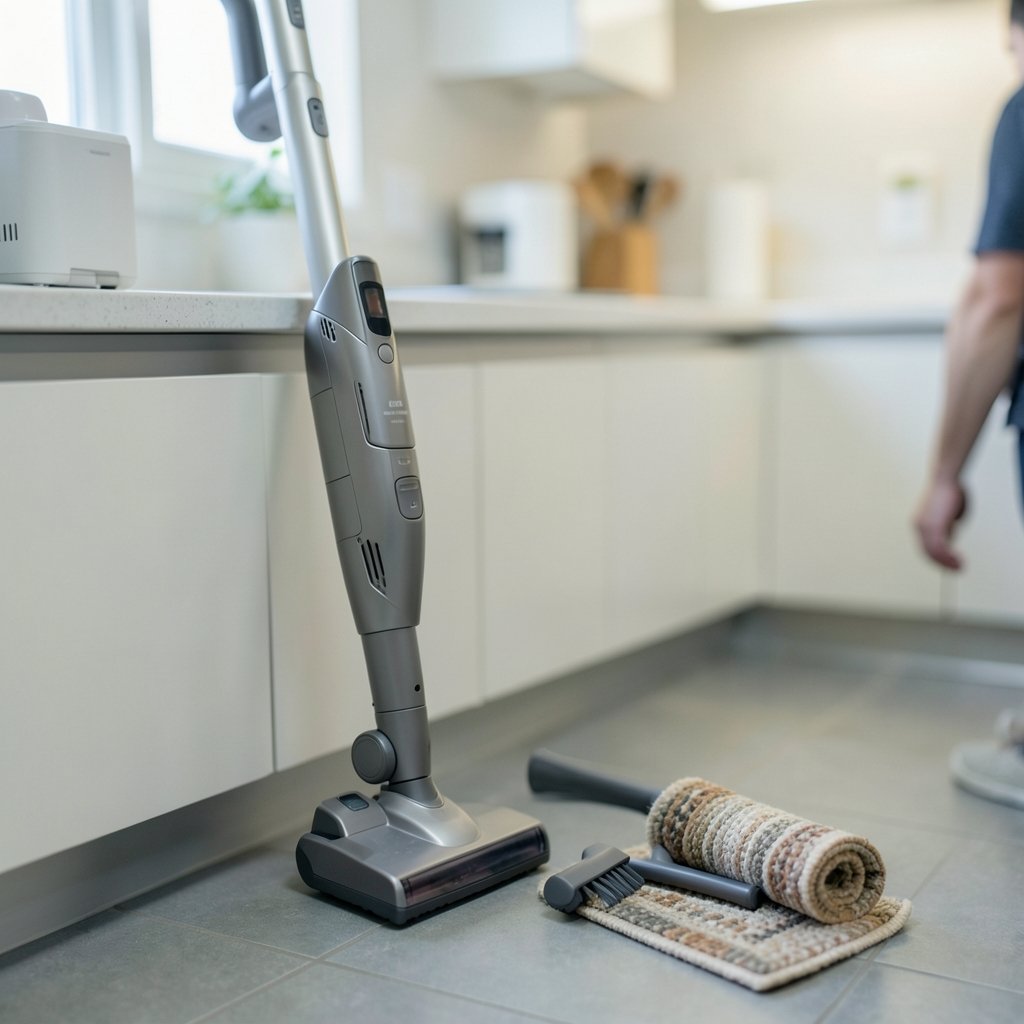
What if the cordless vacuum everyone recommends turns out to be the wrong one for your floors, your wrists, and your carpets? That happens more often than most shoppers expect. Cordless vacuums have become the default cleaning tool in many homes, yet the numbers on the box rarely tell the whole story. A model that shines in a studio apartment can fall flat in a house with three shedding pets and wall-to-wall carpet.
This guide cuts through the marketing and explains what a genuinely recommended cordless vacuum looks like for different homes. It covers how runtime is really measured, why suction ratings are tricky, which features matter, and the mistakes buyers keep making.
Why “Recommended” Lists Rarely Agree
Open three different buying guides and you will often see three different winners. That is not because one guide is wrong. It is because cordless vacuums are a bundle of trade-offs. Light weight usually means a smaller battery. Strong suction often means shorter runtime. A big dustbin adds bulk.
Most recommendation lists also lean heavily on specs that are not standardized across brands. Runtime, air watts, and even noise figures are measured differently from one manufacturer to the next. Until you know how those numbers are produced, comparing them side by side is like comparing temperatures in Fahrenheit and Celsius without checking the labels.
Runtime Claims: What the Minutes Really Mean
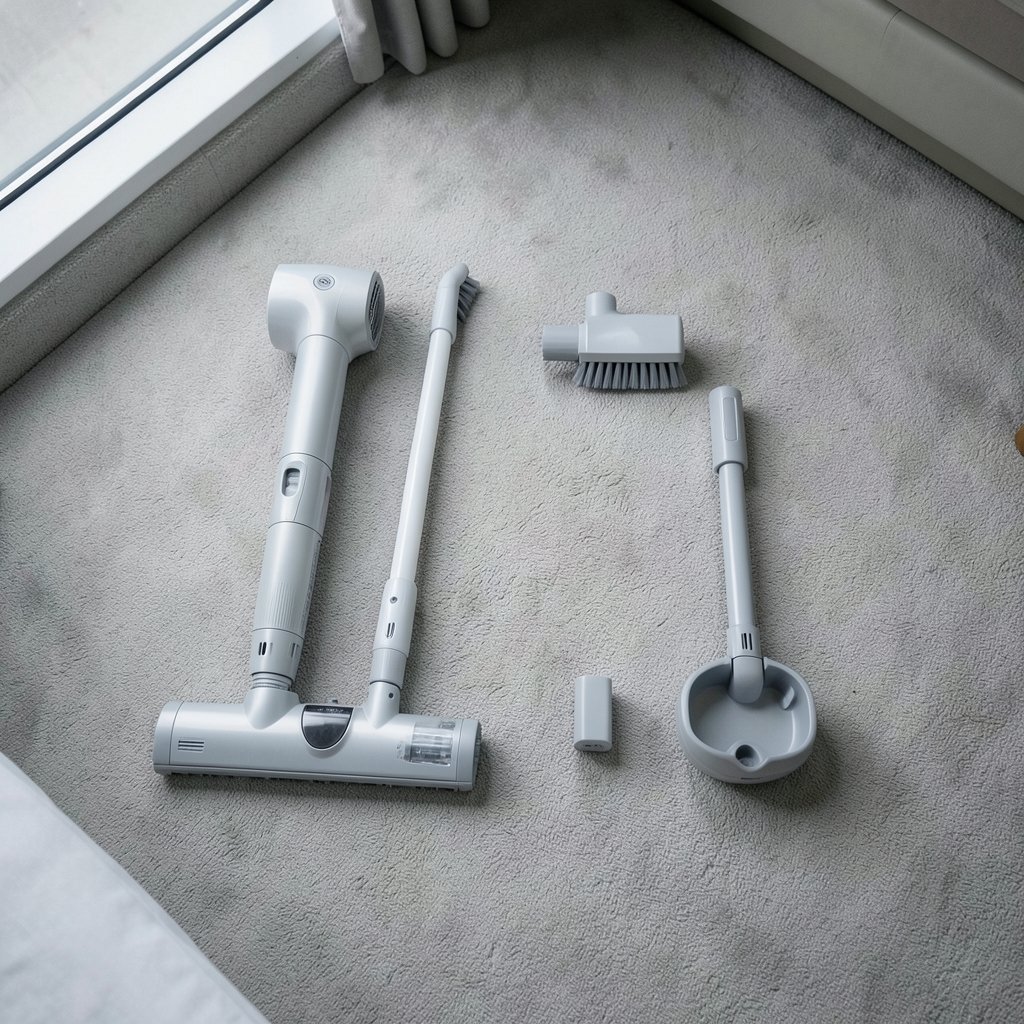
Battery runtime is the number shoppers fixate on, and it is also the most misleading. Cordless vacuum runtime is usually quoted for the lowest-power mode, often with a non-motorized floor head attached. Switch to a high-power mode and runtime typically drops by roughly half or more.
That means a vacuum advertised at 60 minutes might deliver 20 to 30 minutes of real cleaning on a boost setting. For a small flat, that is plenty. For a large home with carpets, it may not finish the job on one charge.
There is also no single shared test standard. Each brand designs its own test conditions, so quoted minutes are not directly comparable. A useful habit is to look for the fine print: which mode, which floor head, and whether a motorized brush was running.
One more wrinkle: in the EU, cordless vacuums sit outside the old energy-label system for mains-powered vacuums, so buyers get no standardized runtime or cleaning-performance figure. The practical takeaway is simple. Treat advertised runtime as a best case, then subtract a third to a half for everyday use.
Suction, Air Watts, and the Spec Sheet Trap
Air watts (AW) is a derived measure of suction power, roughly airflow multiplied by pressure. It sounds precise, but it is not a standardized, independently verified rating for cordless vacuums, and brands calculate it differently. Sealed-suction figures in pascals (Pa) have the same problem, because test conditions vary.
So what should a shopper do? Focus on how the vacuum performs on the surfaces you actually have. A machine with moderate suction and a well-designed motorized brush head often cleans carpet better than a high-air-watt model with a weak brush. If carpet is your main surface, it is worth reading dedicated guidance on the best vacuum for carpet before you commit to a cordless stick.
For hard floors and mixed homes, a vacuum-and-mop combo can be the more practical pick. Our breakdown of the best robot vacuum mop combos that actually clean the floor shows where that category earns its keep, and where a handheld cordless still wins.
Battery Health and the Real Cost of Longevity
Most cordless vacuums run on lithium-ion cells. Capacity fades with charge cycles and heat, and typical consumer guidance suggests packs keep roughly 70 to 80 percent of their capacity after several hundred full cycles. Exact figures vary by cell and by how the vacuum is used.
Two habits shorten battery life fast: storing the vacuum on the charger in a hot utility room, and running it to zero every single time. A cooler spot and topping up after use generally treat the pack better. Check the manufacturer’s data sheet if cycle life matters to you, because claims differ widely.
Warranty coverage is the other trap. Battery packs are often covered for a shorter period than the vacuum body, commonly one to two years versus two to five for the unit. Before buying, confirm the battery warranty in your region. A cheap vacuum with a one-year battery warranty can cost more over five years than a pricier model with a three-year pack.
Weight, Balance, and the Wrist Test
Cordless stick vacuums commonly weigh roughly 1.5 to 3.5 kg. That range sounds narrow, but the difference is obvious when you are cleaning cobwebs overhead or vacuuming stairs. Battery placement matters as much as total weight, because a top-heavy design strains the wrist.
A practical tip from hands-on use: hold the vacuum in the shop the way you would at home, with the wand extended, and lift it above shoulder height. If your wrist complains after ten seconds, it will complain after ten minutes of real cleaning. Heavier models are fine for floors but tiring for ceilings and curtains.
Noise is worth a thought too. Cordless vacuums typically produce around 70 to 85 dB(A) in normal use, though this varies by model and mode. In a flat with thin walls, a quieter model on a lower setting can be the difference between cleaning at night and not cleaning at all.
Filtration: What a HEPA Label Does and Does Not Promise
HEPA filters are defined by standards such as EN 1822 in Europe, and they typically capture at least 99.97 percent of particles around 0.3 micrometres. That is genuinely useful for allergy sufferers. But a vacuum marketed as HEPA may only mean the filter media meets HEPA grade, not that the whole appliance is sealed.
Air can bypass a good filter through poorly fitted seams and joints. If filtration is your priority, look for models that describe a fully sealed system, rather than a HEPA filter alone inside. Bagless cyclonic designs need regular filter cleaning. Neglect that, and suction drops noticeably within weeks.
Bagged models typically hold performance longer between filter changes, while bagless designs save on bag costs but demand maintenance. Neither wins outright. It is a trade-off between ongoing cost and ongoing chores.
Navigation and Smart Features on Cordless Models
Cordless vacuums are getting smarter, and some now borrow technology from robots. Lidar and camera navigation appear on premium sticks and on robot companions, and the differences between them matter. If you are weighing a robot helper alongside a cordless stick, this comparison of robot vacuum lidar vs camera navigation explains which system suits dark rooms, clutter, and pets.
For most cordless sticks, though, smart features are secondary. What matters more is a motorized brush that handles hair without tangling. Long hair wraps around brush rolls fast, and not every design copes. Our guide to robot vacuum long human hair that actually works covers the anti-tangle features worth looking for, and many of the same principles apply to handheld brush bars.
Matching the Vacuum to Your Home
The right recommendation depends on your floors, your pets, and your storage space. Here is a simple comparison to steer the decision.
| Home type | Priority | What to look for | What to avoid |
|---|---|---|---|
| Small flat, hard floors | Light weight, quick charging | 1.5 to 2 kg body, wall mount, 25+ min on mid power | Oversized dustbin, heavy flagship models |
| Family home, mixed floors | Runtime and versatility | Spare battery option, motorized brush, 40+ min on low | Single fixed battery, tiny bin |
| Carpet-heavy home | Deep cleaning | Strong brush roll, good sealed filtration | Weak brush heads, low airflow designs |
| Pet household | Hair handling | Anti-tangle brush, easy bin emptying | Brushes that trap hair at the ends |
| Allergy sufferer | Filtration | Sealed system, HEPA-grade media | Loose filter fit, poor gaskets |
A second battery often beats a bigger single battery. It doubles runtime without adding weight to your wrist, and it keeps the vacuum usable while one pack charges.
Common Mistakes Buyers Keep Making
A few errors show up again and again, and each one is easy to avoid with a little planning.
- Buying on quoted runtime alone. Check the mode and floor head behind the number, then discount it.
- Ignoring battery warranty terms. A short pack warranty can erase the savings of a cheaper model.
- Skipping the weight test. Lift the vacuum overhead before buying, not after.
- Forgetting filter maintenance. Bagless models lose suction fast when filters are clogged.
- Assuming HEPA means sealed. Check that the whole system is sealed, rather than the filter alone.
- Overlooking spare parts. Confirm that batteries, filters, and brushes will be available for years.
That last point deserves attention. Availability of replacement batteries, filters, and brushes varies by brand, and some regions are pushing for longer spare-parts availability through ecodesign and right-to-repair rules. Coverage for cordless vacuums specifically should be checked before you buy, because a vacuum you cannot maintain is a vacuum you will replace early.
Practical Tips That Actually Work in Daily Use
Small habits make a cordless vacuum last longer and clean better. Empty the bin after every use rather than letting dust compact. Rinse and dry foam filters monthly, and replace HEPA media on schedule. Store the vacuum in a cool, dry spot, and avoid leaving it on the charger in a hot room.
Keep the brush roll clear of hair and thread, because a wrapped brush loses pickup power quietly. If a wheel starts dragging or an error light flashes, deal with it early. Our fix-it guide on the robot vacuum wheel stuck error covers the same troubleshooting logic that applies to many powered brushes.
Finally, think about consumables before you need them. A spare filter and a spare brush roll cost little and prevent the slow decline in performance that makes people think their vacuum has worn out.
How to Read Reviews Without Getting Fooled
Reviews are useful, but only when you know what to look for. Favor reviews that state the mode and surface used, mention runtime in real rooms, and discuss filter cleaning. Be skeptical of any review that quotes a single suction figure without context, because air watts are not standardized and brands compute them differently.
Also weigh the reviewer’s home against yours. A tester in a small flat with hard floors will have a very different experience from someone with two dogs and a carpeted staircase. The most helpful reviews mention weight in the hand, noise in a real room, and how often the bin needs emptying.
Conclusion
A recommended cordless vacuum is not the one with the biggest number on the box. It is the one that matches your floors, your reach, and your maintenance habits. Runtime claims deserve a discount, air watts deserve skepticism, and HEPA labels deserve a second look at the seals. Weight and battery warranty often matter more than raw suction.
Start with your home rather than the spec sheet. Decide how long you really clean, whether you can lift the vacuum overhead, and how much filter care you will actually do. Then pick a model with a spare battery, available parts, and a brush that handles your hair and dust. Do that, and the vacuum you choose will keep earning its place in the cupboard for years.
Frequently Asked Questions
How long do cordless vacuum batteries really last?
Most packs keep roughly 70 to 80 percent of their capacity after several hundred full charge cycles, though this varies by cell and use. Heat and deep discharges speed up the decline. Storing the vacuum in a cool spot and topping up after use generally helps the pack last longer.
Is a higher air watt rating always better?
No. Air watts are a derived measure of suction power, and there is no standardized, independently verified rating for cordless vacuums. Brands calculate the figure differently, so it is a rough guide at best. A well-designed motorized brush head often matters more than a big air-watt number.
Does a HEPA filter mean the vacuum is sealed?
Not necessarily. A HEPA label may only mean the filter media meets HEPA grade, typically capturing at least 99.97 percent of particles around 0.3 micrometres. Air can still bypass the filter through loose seams. Look for models that describe a fully sealed system if filtration is your priority.
Should I choose a bagged or bagless cordless vacuum?
It depends on your priorities. Bagless cyclonic designs avoid bag costs but need regular filter cleaning, and suction drops if you neglect it. Bagged models typically hold performance longer between filter changes. Neither is universally better, so weigh ongoing cost against ongoing maintenance.
How much should a cordless vacuum weigh?
Most cordless stick vacuums weigh roughly 1.5 to 3.5 kg. Lighter models suit overhead cleaning and stairs, while heavier ones can strain the wrist. Battery placement affects balance as much as total weight, so lift the vacuum above shoulder height before buying to test how it feels.
Why is cordless vacuum runtime so hard to compare?
Because there is no single shared test standard. Runtime is usually quoted for the lowest-power mode with a non-motorized floor head, and high-power modes typically cut it by half or more. In the EU, cordless models also sit outside the old energy-label system, so no standardized figure exists.



