
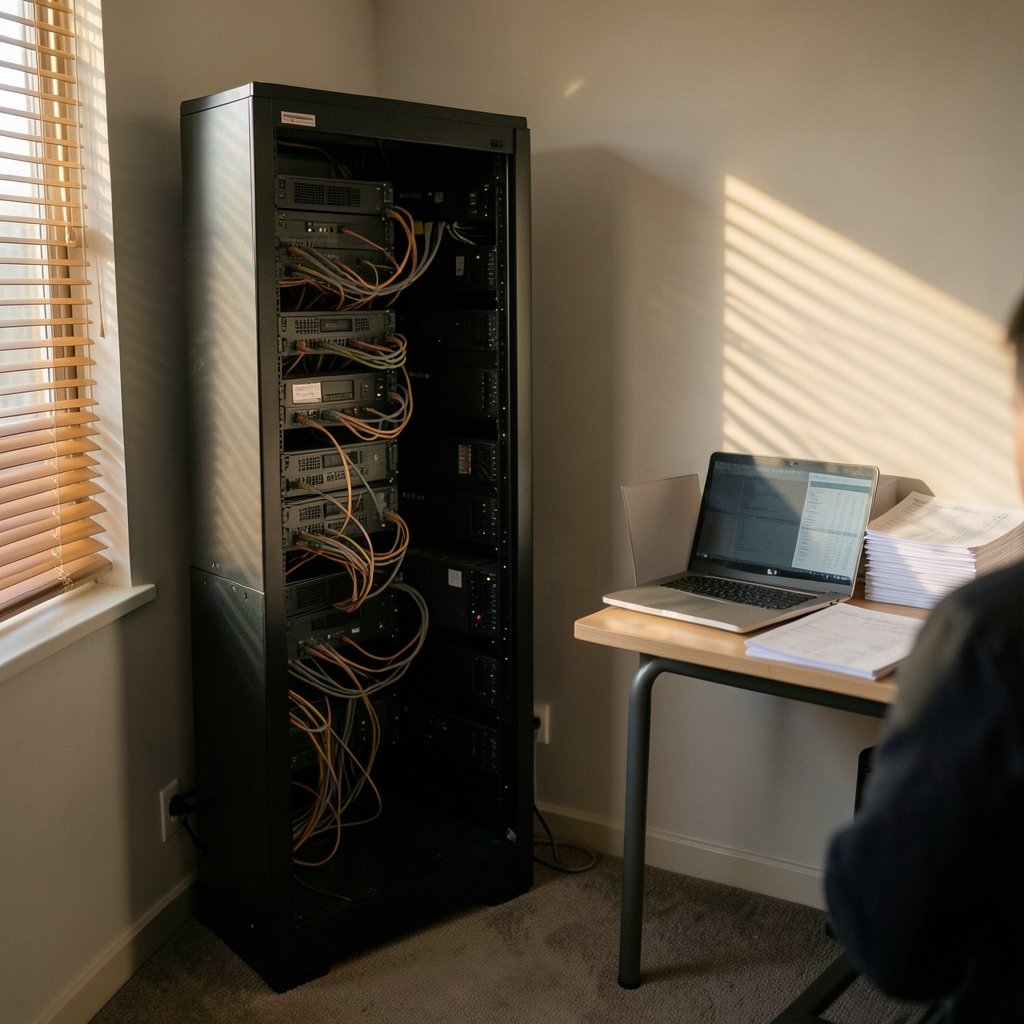
A widely cited benchmark from the FinOps Foundation puts the average share of cloud spend that organizations admit is wasted at roughly 30 percent. Read that again. Nearly a third of the money flowing to AWS, Azure, or Google Cloud each month is buying capacity nobody actually needs. The frustrating part is that this waste is rarely caused by reckless spending. It creeps in through forgotten test environments, oversized instances chosen “just to be safe,” and storage buckets that quietly accumulate snapshots for years. (Cloud computing)
Cloud cost optimization is the discipline of finding that waste, removing it safely, and building habits that stop it from returning. It is part engineering, part finance, and part culture. This guide walks through what actually works in practice, the mistakes that trip up even experienced teams, and how to keep savings from evaporating the moment everyone moves on to the next project.
Why Cloud Bills Grow Faster Than Your Business
The defining feature of cloud computing is that spending is elastic. A traditional data center purchase is a capital expense approved once and amortized over years. Cloud spend is operational, continuous, and driven by dozens of small decisions made by engineers who never see the invoice.
That structural difference explains the pattern most companies hit. Traffic doubles, so someone scales up the database. A new feature ships, so a new cluster appears. A contractor spins up a GPU instance for a weekend experiment and forgets it. Individually, none of these decisions is wrong. Collectively, they produce a bill that grows 40 percent while revenue grows 12 percent.
The fix is not austerity. It is visibility. You cannot optimize what you cannot attribute, and most organizations start with almost no attribution at all. The first real win usually comes from simply tagging resources by team, product, and environment so that every dollar on the invoice has an owner.
The FinOps Framework in Plain Terms

FinOps is the operating model that brings engineering, finance, and product together around cloud spending. The FinOps Foundation describes it in three repeating phases: Inform, Optimize, and Operate.
| Phase | What Happens | Typical First Step |
|---|---|---|
| Inform | Make spend visible and attributable | Tagging strategy and cost dashboards |
| Optimize | Reduce waste and improve rates | Rightsizing and commitment purchases |
| Operate | Make savings continuous | Budget alerts and unit-cost reporting |
Most teams start in Optimize because that is where the obvious savings live. That is also the most common mistake. Without the Inform phase, you optimize blindly, cut something a team depends on, and lose credibility for the whole program. Build the visibility layer first, even if it feels slow.
Getting Tagging Right the First Time
Tagging sounds trivial and is not. A practical approach is to enforce a small mandatory set rather than a sprawling taxonomy nobody follows:
- Owner (a team or individual, not a department)
- Environment (prod, staging, dev, sandbox)
- Product or service (the thing that generates revenue)
- Cost center (for finance reconciliation)
Enforce these at the account or subscription level using policy controls so resources cannot be created without them. Then use provider tooling to catch drift. AWS Cost Allocation Tags, Azure Resource Tags, and Google Cloud Labels all support this, and each provider’s cost management console will show untagged spend as a distinct line item. That untagged number is your first target.
Practical Tactics That Deliver Real Savings
Once visibility exists, the tactics below tend to produce the fastest, safest returns. Order matters less than consistency.
Rightsizing Workloads
Rightsizing means matching instance size to actual usage. The trap is choosing instances based on peak load that occurs twice a year. Review CPU, memory, and network metrics over a 30-day window and look for sustained utilization below 20 percent. Those workloads are candidates for downsizing.
Do this in staging first. If nothing breaks after two weeks, move to production during a low-traffic window. The savings are often 30 to 50 percent per downsized instance, and the risk is manageable when you have rollback plans.
Killing Idle and Orphaned Resources
Idle resources are the single easiest category to eliminate. Common culprits include unattached block storage volumes, old snapshots, idle load balancers, development databases left running overnight, and forgotten GPU instances. Schedule non-production environments to shut down outside working hours. A development cluster that runs 10 hours a day instead of 24 cuts its compute cost by more than half.
Choosing the Right Purchasing Model
Providers offer meaningful discounts for commitment. On-demand pricing is the most flexible and the most expensive. Reserved capacity and savings plans trade flexibility for lower rates, and spot or preemptible capacity offers deep discounts for workloads that tolerate interruption.
| Purchasing Model | Best For | Trade-off |
|---|---|---|
| On-demand | Unpredictable or short-lived workloads | Highest per-hour cost |
| Reserved / savings plans | Steady, predictable baseline usage | 1–3 year commitment |
| Spot / preemptible | Batch jobs, CI runners, stateless workers | Can be reclaimed with short notice |
The practical rule: commit only to your floor, never your ceiling. If your baseline is 40 instances and you peak at 120, commit to roughly 35 and let on-demand and spot handle the rest. Over-committing is a real and common failure mode that locks in waste for years.
Storage and Data Transfer Discipline
Storage costs accumulate silently. Lifecycle policies that move infrequently accessed data to cheaper tiers and delete old snapshots are almost always worth the setup effort. Data egress is the other quiet line item. Moving large datasets between regions or out to the internet incurs charges that surprise teams every month. Architect to keep chatty services in the same region, and cache aggressively at the edge.
Kubernetes Cost Visibility
Containerized environments are notoriously hard to attribute because many workloads share a cluster. Tools like OpenCost, a CNCF project, and commercial options such as Kubecost map pod-level usage to namespaces and teams. If you run Kubernetes at scale without per-namespace cost reporting, you are flying blind. Set this up before you attempt rightsizing, or you will resize the wrong thing.
Where Cloud Cost Optimization Usually Goes Wrong
Plenty of optimization programs save money in month one and lose it all by month six. The pattern is predictable.
Optimizing before tagging. Teams cut resources they cannot attribute, break something critical, and the program loses executive support. Visibility first, always.
Treating it as a one-time project. Cloud environments change daily. A cleanup that is not backed by automation and alerts will be undone within a quarter. The most durable wins come from guardrails: budget alerts, policy controls that block untagged resources, and scheduled shutdowns baked into infrastructure code.
Ignoring unit economics. A falling bill is not automatically good news. If spend drops 10 percent while traffic drops 30 percent, efficiency actually got worse. Track cost per transaction, per customer, or per thousand requests. That is the number that tells you whether optimization is working. This is the same logic that makes it worth comparing providers carefully when you evaluate infrastructure choices, much like weighing AWS vs Azure vs Google Cloud on total cost rather than sticker price alone.
Chasing discounts before fixing architecture. Buying a three-year commitment on an oversized, poorly designed workload locks in the waste. Fix the architecture, then commit to what remains.
Skipping the human side. Engineers respond to incentives. If a team is rewarded for shipping fast but never sees its cloud bill, waste is rational behavior from their perspective. Show teams their costs, celebrate savings, and make cost a design consideration rather than an afterthought.
Building a Repeatable Optimization Practice
The organizations that sustain savings treat cloud cost like any other engineering metric. A practical operating rhythm looks like this:
- Weekly: Review the top spend changes and any untagged resources.
- Monthly: Run a rightsizing review on the highest-cost services and check commitment coverage against actual baseline.
- Quarterly: Revisit architecture decisions, storage lifecycle policies, and unit-cost trends with product and finance in the room.
Automate what you can. Budget alerts, anomaly detection, and policy enforcement all run without human attention. The FinOps Foundation’s guidance is consistent on this point: the goal is not a heroic cleanup but a system where waste is caught automatically and savings persist.
It also helps to understand where your workloads sit relative to the broader cost landscape. Decisions about cloud storage versus local storage shape long-term spend more than most teams expect, especially for data-heavy applications. Similarly, understanding how vendors structure pricing for adjacent services, such as the cost of 1Password for security tooling, helps you see how per-seat and per-usage models compound across a growing organization.
A Realistic Savings Expectation
Organizations that build a genuine FinOps practice typically find meaningful savings in the first two quarters, most of it from idle resource elimination and rightsizing. After that, the curve flattens, and further gains come from architectural change and better commitment coverage rather than quick cleanup.
Be skeptical of anyone promising to halve your bill in a month. Some of that is possible in specific environments, particularly startups with heavy experimentation habits. But sustainable savings come from steady practice, not a single sweep. The teams that do this well report that the biggest shift is cultural: cost becomes a design input, and the question “what will this cost at scale?” gets asked before code ships rather than after the invoice arrives.
Conclusion
Cloud cost optimization is less about finding a clever trick and more about building a habit. Make spend visible, give every dollar an owner, eliminate idle resources, right-size what remains, and commit only to the baseline you are confident in. Then automate the guardrails so the savings survive the next reorg, the next product launch, and the next round of hiring.
The organizations that get this right do not treat the cloud bill as an unavoidable cost of doing business. They treat it as a signal, one that tells them exactly where their engineering is inefficient and where it is working. That reframing is worth more than any single discount.
Frequently Asked Questions
What is cloud cost optimization?
Cloud cost optimization is the ongoing practice of reducing cloud spending while maintaining or improving performance. It combines visibility into who spends what, elimination of idle and oversized resources, smarter purchasing commitments, and architectural choices that reduce waste. It is a continuous process rather than a one-time cleanup.
How much can a typical company save?
Savings vary widely by starting point. Organizations with little prior visibility often find 20 to 30 percent of spend is waste, and much of that is recoverable within two quarters through idle resource cleanup and rightsizing. Companies with mature practices see smaller but still meaningful gains, usually from better commitment coverage and architectural improvements.
What is FinOps and do I need it?
FinOps is an operating model that brings engineering, finance, and product together to manage cloud spending collaboratively. You do not need a formal team to start, but you do need the core ideas: shared ownership of cost, visibility into spend by team, and a regular review rhythm. Many organizations begin with a single part-time champion.
Should we buy reserved instances or savings plans?
Commitments are worth it for steady, predictable baseline usage, and they can reduce compute costs substantially. The key discipline is committing only to your floor, not your peak. Over-committing locks in waste for one to three years and is one of the most common and expensive mistakes in cloud cost management.
Why does our bill keep rising even after we cut costs?
Cost cuts erode without guardrails. New resources get created, environments drift back to always-on, and untagged spend creeps in. Sustainable savings require automation: budget alerts, policy controls that block untagged resources, scheduled shutdowns for non-production, and regular reviews. Without these, savings typically disappear within a quarter.
How do we measure whether optimization is working?
Track unit economics, not just the total bill. Cost per transaction, per customer, or per thousand requests tells you whether efficiency is improving. A falling bill alongside falling traffic may actually mean worse efficiency. Pair unit-cost trends with commitment coverage and the percentage of tagged spend for a complete picture.



