
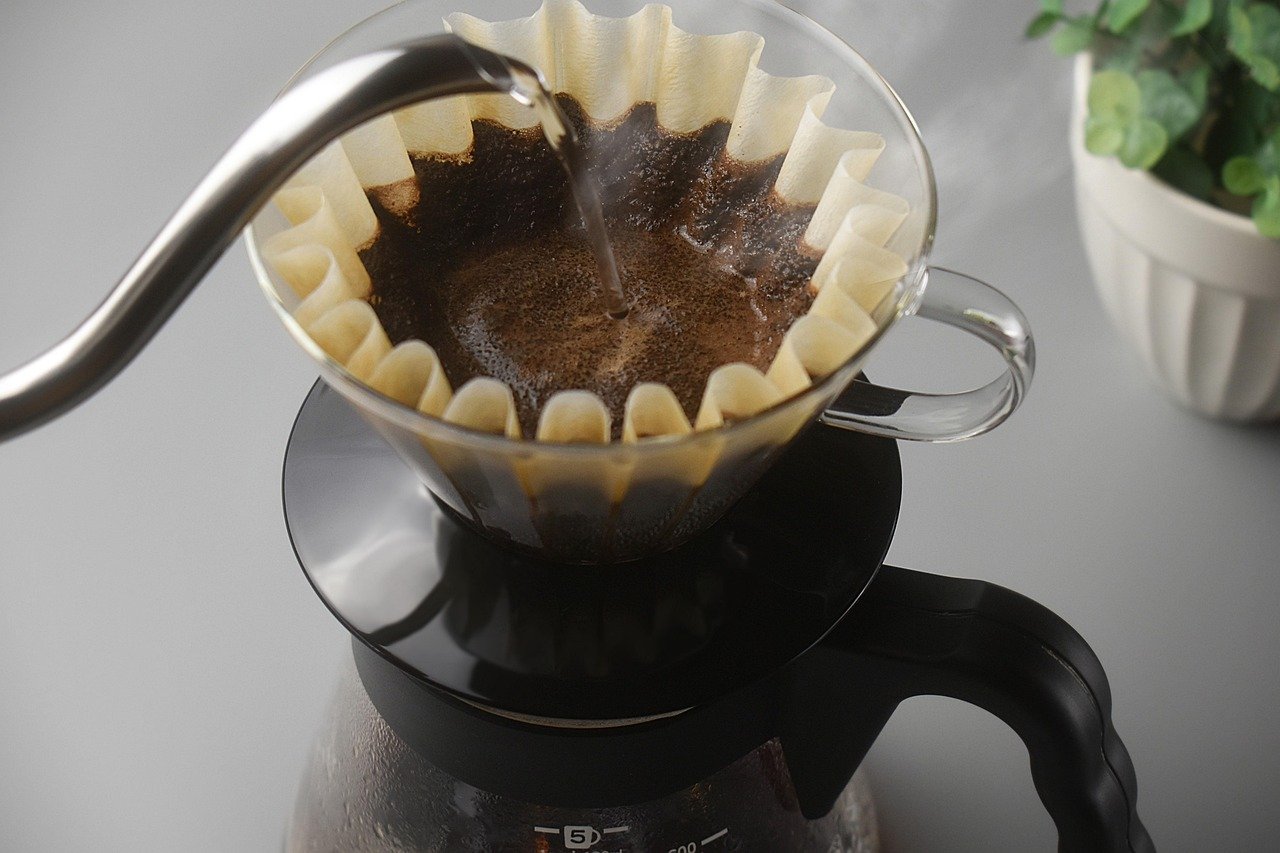
What if the most expensive part of your morning coffee isn’t the beans at all, but the paper filters you keep buying? A coffee maker with a reusable filter solves that problem in one move. It cuts ongoing costs, reduces waste, and often makes a fuller-bodied cup. But it also changes how you brew, how you clean, and how your coffee tastes. Some people love the switch. Others go back to paper within a week. (Coffee preparation)
This guide covers what a reusable filter actually does, where it works well, where it falls short, and how to get the best results from one. No hype, just the practical details that matter before you buy.
What a reusable filter actually is
A reusable filter is a permanent basket, usually made of stainless steel mesh, sometimes with a plastic frame. It drops into the brew basket of a drip coffee maker instead of a paper liner. You brew, dump the grounds, rinse the mesh, and use it again the next day. Most last for years.
The design is simple, but the details matter. Mesh count, frame material, and fit vary a lot between models. A filter that sits loosely in the basket lets water bypass the grounds entirely, which produces weak, watery coffee. A filter with too fine a mesh slows the flow and can cause the basket to overflow.
There are three common types:
| Type | Material | Best for | Main trade-off |
|---|---|---|---|
| Mesh basket | Stainless steel | Standard drip machines | Lets some sediment through |
| Gold-tone filter | Gold-plated steel | Drip machines, budget setups | Coating can wear over time |
| Cloth or cone insert | Cotton, stainless | Pour-over and cone brewers | Needs thorough rinsing |
If you already own a pour-over setup, a reusable cone filter is a natural fit. The same logic applies to the best pour over coffee maker setups, many of which ship with a permanent filter included.
How a reusable filter changes the taste of your coffee
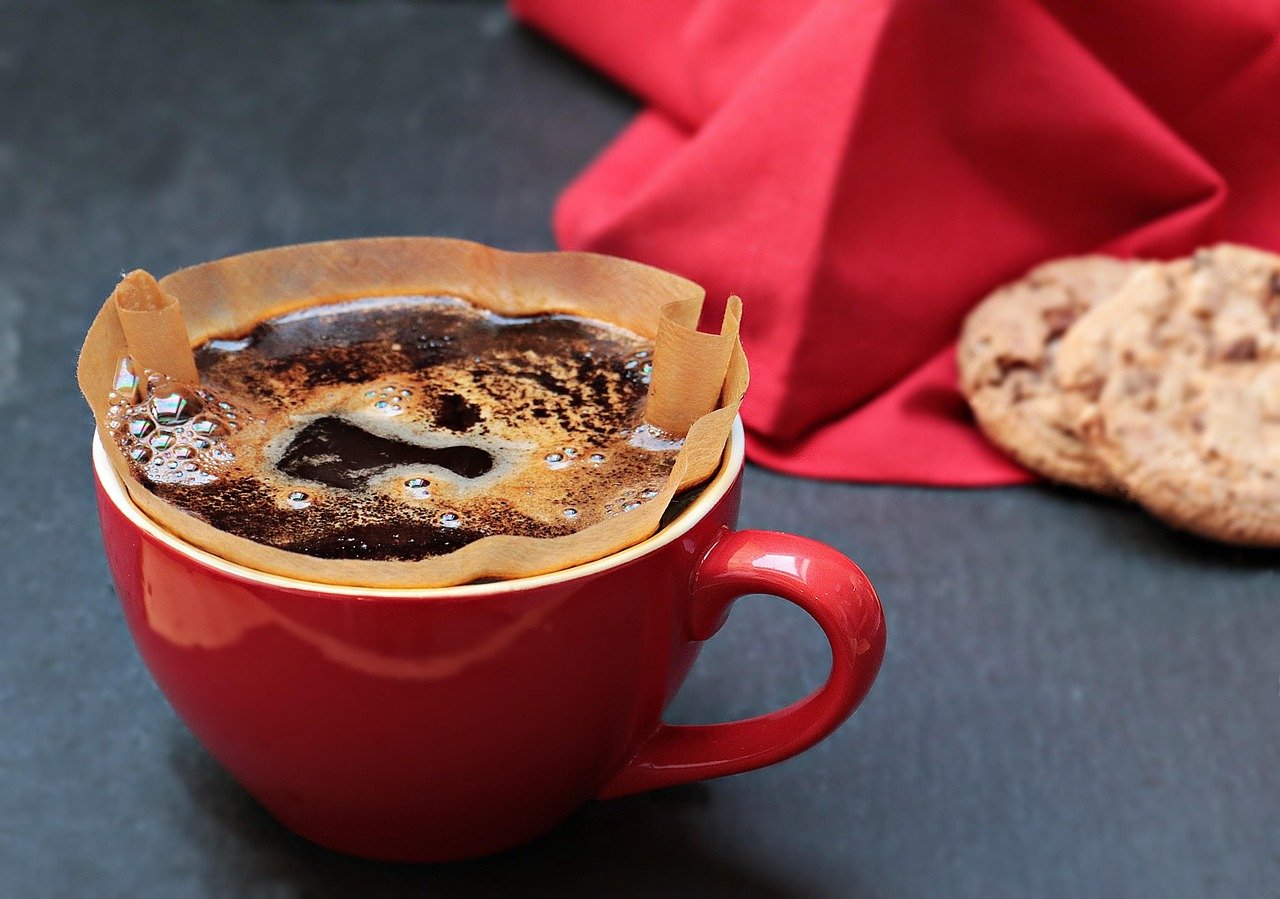
This is the part most buyers underestimate. Paper traps coffee oils and fine particles. Metal mesh lets both through. The result is a cup with more body, more texture, and often more aroma. Some drinkers describe it as “rounder.” Others call it muddier.
A few practical observations from everyday use:
- Sediment settles at the bottom of the cup. With a standard mesh filter, expect a thin layer of fine grounds. It’s harmless and many people don’t notice it. If it bothers you, a finer mesh or a cloth insert helps.
- The last sip is the strongest. Because fines keep extracting, the bottom of the mug can taste more intense. Swirl the cup before drinking.
- Oils go stale faster. Paper filters some of the oils out, which can extend how long brewed coffee stays drinkable. With metal mesh, drink it fresh.
- Grind size matters more. Too fine a grind clogs the mesh and slows the drip. Too coarse and the water runs straight through. A medium grind is usually the sweet spot.
If you’re chasing a specific flavor profile, the beans and the grind will move the needle more than the filter material. A good starting point is the best coffee beans for espresso if you like a stronger, more concentrated cup, or a medium roast for filter brewing.
The real cost comparison: paper vs. reusable
The math is straightforward. A pack of 200 paper filters costs a few dollars and lasts a couple of months. A reusable filter costs more upfront, usually between ten and thirty dollars, and then costs nothing. Over two or three years, the reusable option wins on price by a wide margin. It also keeps hundreds of paper filters out of the trash.
But cost isn’t the only factor. Paper filters are convenient, consistent, and compostable in many cases. Reusable filters need rinsing after every brew and a deeper clean every week or two. If you’re the type who leaves the basket sitting until the next morning, paper is more forgiving.
Matching the filter to your machine
Not every reusable filter fits every coffee maker. This is the most common mistake buyers make. A filter that’s slightly too small lets water sneak around the edges, and the coffee tastes thin. A filter that’s too tall can stop the lid from closing properly. (Caffeine: How much is too much? (Mayo Clinic))
Before buying, check three things:
- The basket dimensions. Measure the inside width and depth of your brew basket.
- The machine model. Many manufacturers sell a matching permanent filter as an accessory.
- The lid clearance. Some machines have a spray head that sits low and needs a shorter filter.
Single-serve machines are a different story. Keurig-style brewers use pods, not baskets, so a reusable filter there means a refillable K-Cup. Those work, but they hold less coffee and need a finer grind. If that’s your setup, the best k cup coffee maker options and refillable pod accessories are worth comparing before you commit.
For standard drip machines, the best keurig coffee maker comparison isn’t relevant, but the same principle applies: match the accessory to the exact model rather than the brand alone.
Grind, ratio, and temperature: getting the brew right
A reusable filter rewards good brewing habits and punishes sloppy ones. Three variables do most of the work.
Grind size. Medium is the default for drip. If your coffee tastes bitter and the flow is slow, go coarser. If it tastes sour and weak, go finer. A burr grinder gives you more control than a blade grinder, and the best coffee grinder for espresso guide covers the difference in detail.
Ratio. A common starting point is one to two tablespoons of ground coffee per six ounces of water. Adjust from there. With a metal filter, a slightly higher dose compensates for the faster flow.
Water temperature. Most drip machines aim for the range of 195 to 205 degrees Fahrenheit. Cheaper machines often run cooler, which under-extracts the coffee and makes it taste flat. If your coffee always tastes weak no matter what you change, temperature may be the culprit.
One more tip that rarely gets mentioned: preheat the mesh filter with hot water before brewing. It removes any manufacturing residue and warms the basket so the first drops of coffee don’t cool instantly.
Cleaning: the habit that makes or breaks a reusable filter
A dirty mesh filter ruins coffee faster than almost anything else. Old oils go rancid, and the next brew picks up that flavor. The fix is simple but it has to be consistent.
- After every brew: dump the grounds, rinse the mesh under hot water, and shake it dry.
- Once a week: scrub gently with a soft brush and a little dish soap. Avoid abrasive pads, which scratch the mesh and create places for residue to hide.
- Once a month: soak in a mix of hot water and baking soda, or use a coffee-specific cleaning tablet. This dissolves the oils that rinsing leaves behind.
Never put a mesh filter in the dishwasher unless the manufacturer says it’s safe. High heat and harsh detergent can warp the frame or strip a gold-tone coating. Check the manual for your specific model; care instructions vary widely between brands.
Where reusable filters fall short
It’s worth being honest about the downsides. A reusable filter isn’t a universal upgrade.
- Sediment in the cup. Some people never get used to it.
- Inconsistent results. Paper is uniform every time. Mesh depends on grind, dose, and flow.
- More cleaning. It’s a daily task, not an occasional one.
- Fit issues. Generic filters often don’t seat properly in a specific machine.
- Not ideal for very fine grinds. Espresso-fine coffee will clog most mesh baskets.
For anyone who wants maximum clarity in the cup and zero fuss, paper still wins. For anyone who wants body, lower waste, and lower long-term cost, reusable is the better call.
Who should make the switch
The switch makes the most sense for people who brew daily, drink their coffee within twenty minutes of brewing, and don’t mind a thirty-second rinse. It also suits anyone trying to cut household waste or stop buying filters on repeat.
It makes less sense for occasional brewers, people who grind very fine, or anyone who wants the same cup every single morning with no variables. There’s no wrong answer here. It comes down to what you value more: consistency or character.
One underrated benefit: a reusable filter pairs well with a good bean subscription and a decent grinder. Once you stop buying filters, that money can go toward better coffee. The best coffee guide is a reasonable place to start if you’re rebuilding your setup from scratch.
Conclusion
A coffee maker with a reusable filter is a small change with a surprisingly large effect. It shifts the cost curve, cuts waste, and changes the flavor of your daily cup in ways you’ll notice immediately. The catch is that it demands a little more attention: the right grind, the right fit, and a rinse after every brew.
Buy the filter that matches your machine exactly. Start with a medium grind and adjust from there. Clean it more often than you think you need to. Do those three things and the reusable filter earns its place on the counter. Skip them and you’ll be reaching for paper again by the end of the month.
Frequently asked questions
Do reusable coffee filters really save money?
Yes, over time. The upfront cost is higher than a pack of paper filters, but a reusable filter typically lasts for years with basic care. After the first few months, the savings compound, and you stop adding filters to your shopping list entirely.
Does coffee taste different with a reusable filter?
It usually does. Metal mesh lets more oils and fine particles into the cup, which gives the coffee more body and texture. Some drinkers notice a slight sediment at the bottom of the mug. Paper filters produce a cleaner, lighter cup by trapping those elements.
Can I use a reusable filter with any drip coffee maker?
Not always. Fit is the deciding factor. The filter has to sit flush in the brew basket so water doesn’t bypass the grounds. Measure your basket or check whether the manufacturer sells a matching permanent filter for your model before buying a generic one.
How often should I clean a reusable coffee filter?
Rinse it after every brew and give it a deeper scrub with mild soap once a week. Soak it monthly to remove built-up oils. Skip the dishwasher unless the manual says otherwise, since heat and detergent can damage the mesh or coating.
Will a reusable filter make my coffee gritty?
It can, especially with a coarser mesh or a fine grind. A higher mesh count reduces sediment, and a slightly coarser grind helps too. Some fines will always settle at the bottom of the cup, which is normal and harmless.
Is a reusable filter better for the environment?
Generally, yes. One metal filter replaces hundreds of paper ones over its lifetime, which means less paper waste and fewer purchases. The benefit grows the longer you use it, and proper cleaning keeps it in service for years rather than months.
For daily brewers, that’s the whole case in one sentence. Buy once, rinse often, and let the cup speak for itself.
