
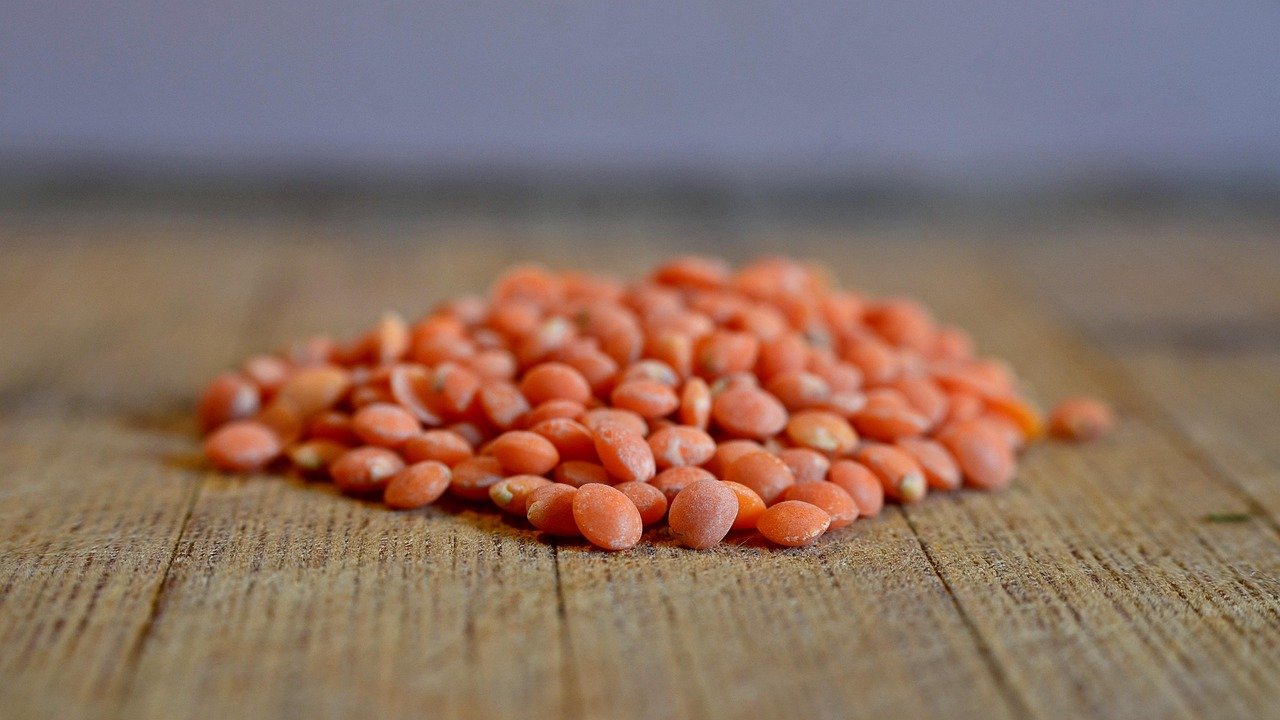
Ever watched a pot of lentils turn to mush while the ones on your plate stay stubbornly crunchy? Lentils have a reputation for being foolproof, but anyone who has cooked them knows better. The difference between a silky dal and a gritty salad topper usually comes down to a few small decisions: which lentil you bought, how much water goes in, and when the salt hits the pot. This guide walks through all of it, from picking through the bag to storing leftovers safely.
First, Know Which Lentil You’re Holding
Not all lentils behave the same way, and the single biggest mistake home cooks make is treating them as interchangeable. A red split lentil and a French green lentil are practically different ingredients. (Lentil)
| Type | Texture when cooked | Typical cook time | Best for |
|---|---|---|---|
| Red split | Soft, breaks down completely | 10–15 minutes | Dal, soups, purees |
| Yellow split | Soft, mushy | 15–20 minutes | Stews, thick soups |
| Brown | Tender but holds shape | 20–25 minutes | Everyday soups, casseroles |
| Green (whole) | Firm, peppery | 25–30 minutes | Salads, grain bowls |
| French green (du Puy) | Very firm, keeps bite | 25–30 minutes | Salads, side dishes |
| Black (beluga) | Firm, glossy | 20–25 minutes | Salads, elegant sides |
These are ranges, not laws. Older lentils from the back of the pantry take longer because they have dried out further, and cooking at high altitude stretches times too. If your lentils are more than a year old, add five minutes and check early anyway.
It also helps to know what you’re actually cooking. Lentils are a legume, not a grain, belonging to the Fabaceae family. That distinction matters if you’re cooking for someone with allergies or following a specific diet plan, since legumes and grains get labeled differently on packaging. (Air purifier cooking smells actually clears air)
Do You Need to Soak Lentils?
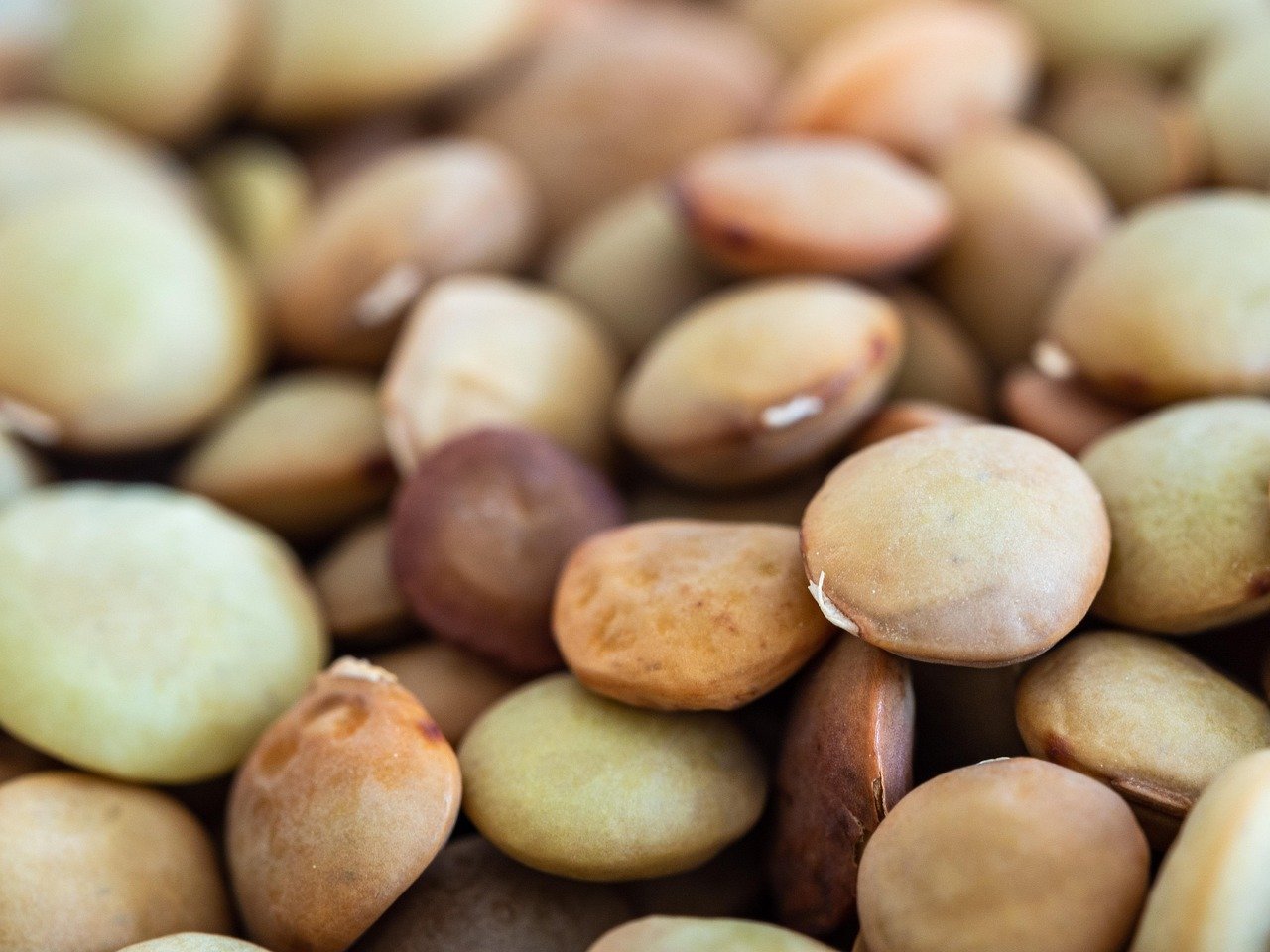
Short answer: no. This is where lentils differ from dried beans, which genuinely benefit from an overnight soak. Common lentils, whether brown, green, or red, cook straight from dry in a pot of simmering water. Red split lentils are ready in the time it takes to make rice.
That said, there are two situations where a soak helps. First, if you want the absolute smoothest texture for a puree, a one-hour soak in warm water can shave a few minutes off the cook. Second, some cooks soak to reduce cooking time on busy weeknights. Neither is required, and skipping the soak will not ruin anything.
What you should always do is rinse and pick over the lentils. Pour them into a bowl, cover with water, and swirl with your fingers. Debris and small stones sink or stand out. Skim off anything shriveled or discolored, drain, and rinse once more under running water. This takes two minutes and saves you from a nasty surprise at dinner.
The Basic Stovetop Method
Here is the workflow that works reliably, regardless of variety.
- Rinse and pick over the lentils as described above.
- Use the right ratio. Go with about 3 parts water to 1 part lentils for soft, porridge-like results, or 2:1 for firmer lentils that hold their shape. For salads, lean toward the lower end.
- Bring to a boil, then reduce. Add lentils to the water, bring it to a rolling boil, then drop the heat to a gentle simmer.
- Skim the foam. A grayish foam rises in the first few minutes. Skim it off with a spoon for cleaner flavor.
- Simmer partly covered. Stir occasionally so nothing sticks to the bottom. Add hot water if the pot looks dry before the lentils are tender.
- Salt near the end. The old debate about whether salt toughens lentils is genuinely unsettled, but salting in the last five minutes is the safe middle ground. It seasons them without risking firm skins.
- Taste, don’t time. Start checking at the low end of the range. A lentil is done when it squishes easily between your fingers but still has a little bite if you want it intact.
One practical note: keep the pot at a true simmer, not a hard boil. Bubbling too aggressively batters the lentils against each other and turns firm varieties mushy before they’re fully cooked through.
The Acid Rule That Trips People Up
Here’s the mistake that catches even experienced cooks: adding tomatoes, vinegar, or lemon juice too early. Acid slows down the softening process, so lentils cooked in a tomato-heavy sauce can stay firm far longer than expected. If you want your lentils to break down into a thick, creamy base, hold the acidic ingredients until the lentils are nearly tender, then stir them in.
Flip the logic for salads. If you’re making a lentil salad with a lemony dressing, cooking the lentils plain and dressing them afterward gives you the firm texture you want. Adding acid to the cooking water is a reliable way to keep lentils al dente, which is useful when you plan to toss them with other ingredients later.
Pressure Cooking and Other Shortcuts
An electric or stovetop pressure cooker cuts lentil cooking dramatically. Split lentils often finish in about 5–10 minutes under pressure, while whole varieties take longer. Exact times vary by device and lentil type, so check your manual the first time and note what works for your machine. Never fill a pressure cooker past its maximum line, since lentils foam and can clog the vent.
Other shortcuts worth knowing:
- Cook a big batch and freeze. Cooked lentils freeze well in portioned bags for up to three months.
- Use broth instead of water. It adds flavor with zero extra effort.
- Add aromatics at the start. A halved onion, a bay leaf, or a few garlic cloves simmered with the lentils infuse the whole pot. Fish them out before serving.
- Skip the fancy equipment. A heavy-bottomed pot with a lid is all you need.
What Lentils Actually Give You
Beyond convenience, lentils earn their place in a weekly rotation. Cooked lentils deliver roughly 9 grams of protein and 8 grams of fiber per 100 grams, at about 116 calories, according to nutrient values in the USDA FoodData Central database. Those numbers shift slightly depending on variety and preparation, but the broad picture holds: lentils are a fiber-dense plant protein that keeps you full.
For a deeper look at how lentils fit into a balanced diet alongside beans, peas, and soy, the Harvard T.H. Chan School of Public Health’s Nutrition Source page on legumes explains their role in long-term health. If you want to look up specific nutrient values for a recipe you’re building, the USDA National Agricultural Library’s Food and Nutrition Information Center is a public-sector hub with reliable food and nutrition references.
Common Mistakes and How to Fix Them
Lentils turned to mush. You probably used a soft variety like red split when you wanted firm lentils for a salad, or you simmered too hard. Use French green or beluga lentils for salads, and keep the heat low.
Lentils still crunchy after 40 minutes. Old lentils are the usual culprit. If they’re more than a year or two past purchase, they may never soften properly. Buy fresher ones and store them in an airtight container away from heat.
Bland flavor. Lentils absorb salt quietly, so under-salting is common. Taste both the cooking water and the lentils. It should taste mildly seasoned.
Sticking and scorching. Too little water plus too little stirring equals a burnt bottom. Keep the lentils just covered and stir every few minutes.
Foam boiling over. A too-small pot is the cause. Use a pot at least three times the volume of the dry lentils.
Storing Cooked Lentils Safely
Cooked lentils are a moist, protein-rich food, which makes them friendly to bacteria if left out. Refrigerate them within about two hours of cooking, according to the USDA Food Safety and Inspection Service’s guidance on refrigeration and food safety. Store them in a shallow container so they cool quickly, keep them refrigerated for three to five days, and reheat to steaming before eating.
If your kitchen routine involves clearing out the fridge regularly, it’s worth knowing how to clear browser cache and cookies too, since recipe sites and grocery apps store plenty of data you may want to reset. And if you’ve ever wondered what a cookie on a website actually does when you’re saving recipes to a digital collection, the short version is that it remembers your session so your saved list doesn’t vanish.
Serving Ideas That Go Beyond Soup
Lentils are flexible enough to anchor breakfast, lunch, and dinner. Toss warm French lentils with olive oil, mustard, and herbs for a side that beats potato salad. Simmer red lentils with ginger, turmeric, and coconut milk for a fast dal. Fold cooked brown lentils into pasta sauce for extra protein, or press them into patties with breadcrumbs for burgers. They also work cold: a lentil and grain bowl with roasted vegetables holds up well for packed lunches.
For anyone tracking how their devices and apps handle stored data while browsing recipe collections, the mechanics of browser third-party cookie partitioning explain why some saved preferences behave differently across sites. It’s a small detail, but it explains a lot of confusing login behavior on cooking and shopping platforms.
Conclusion
Cooking lentils well is less about technique and more about matching the right lentil to the job. Rinse them, pick them over, simmer gently with the right water ratio, and salt near the end. Keep acid out of the pot until the lentils are nearly done, and taste rather than trusting the clock. Once those habits are in place, lentils become one of the cheapest, fastest, and most forgiving things you can cook, whether you’re making a weeknight dal or a make-ahead salad that improves by lunchtime the next day.
Frequently Asked Questions
Do you have to soak lentils before cooking?
No. Common brown, green, and red lentils cook straight from dry. Soaking is optional and mainly useful if you want an extra-smooth puree or a slightly shorter cook time.
How much water do lentils need?
Use about 3 parts water to 1 part lentils for soft, breaking-down results, or 2:1 for firmer lentils that hold their shape in salads. Keep them just covered while simmering and add hot water if the pot runs dry.
Why are my lentils still hard after cooking?
The most likely reason is age. Older dried lentils lose moisture and may never soften properly, no matter how long they simmer. Hard water and acidic ingredients added early can also slow softening.
Can you overcook lentils?
Yes, easily. Soft varieties like red split lentils fall apart within a minute or two of being done. Check them early and often, especially if you plan to toss them with other ingredients.
Are lentils a grain or a legume?
Lentils are legumes, part of the Fabaceae family, along with beans, peas, and peanuts. That distinction matters for allergen labeling and for anyone following a diet that separates grains from legumes. (Legumes and Pulses)
How long do cooked lentils last in the fridge?
About three to five days when stored in a sealed container and refrigerated promptly, ideally within two hours of cooking. Reheat them until steaming before serving.
With those answers in hand, the last thing worth saying is that lentils reward repetition. The first pot may need a little tasting and adjusting; the fifth becomes second nature, and you’ll stop measuring water and start judging by eye and feel. Keep a jar of firm green lentils for salads and a bag of red split for soups and dal, and you’ll always have a fast, filling meal within reach. That reliability, more than any single trick, is why lentils have stayed in kitchens for thousands of years.



