
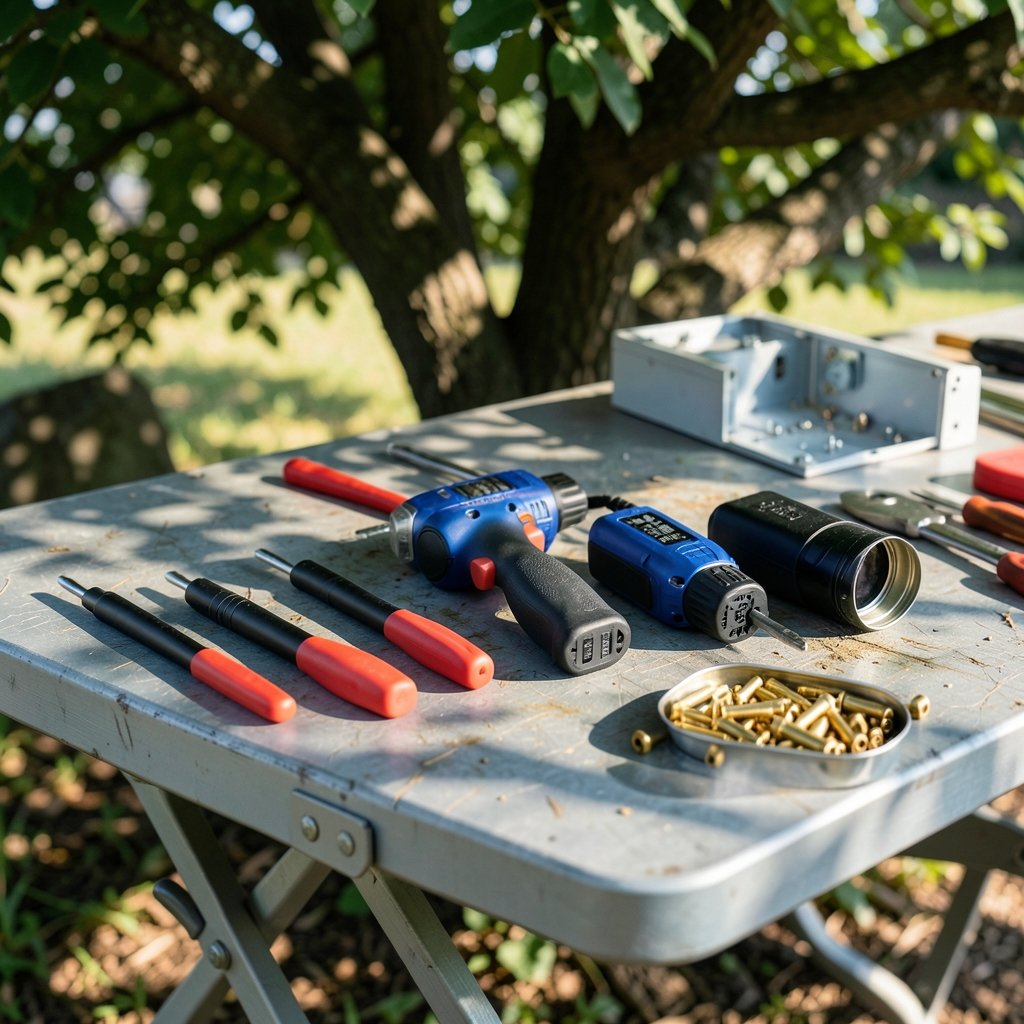
What if the tool that saves your wrists, your patience, and your weekend is the smallest one in the drawer? Electric screwdrivers are the unsung heroes of flat-pack furniture, cabinet hinges, and the endless little repairs that pile up around a home. But walk into a hardware store and you will meet a wall of near-identical tools with wildly different price tags. Some spin fast and stall on the first stubborn screw. Others cost more than a decent drill. This guide cuts through the noise so you can match the tool to the job, spot inflated specs, and spend money where it counts.
What Counts as an Electric Screwdriver?
The category is broader than most shoppers expect. Cordless electric screwdrivers split into two main form factors, and confusing them is the single most common buying mistake.
The first is the stick driver, sometimes called an inline or pen-style driver. These typically run on 3.6 to 4 volts and are built for light assembly: flat-pack furniture, electrical faceplates, laptop screws, and small repairs. They are small, light, and often fit in a kitchen drawer. Most use a 1/4-inch hex bit holder rather than a chuck.
The second is the drill-driver, usually 12 volts and up, with an adjustable clutch and a keyless chuck (commonly 10 mm or 3/8-inch) that accepts round-shank bits as well as hex bits. These blur the line between screwdriver and drill, and they handle heavier work: decking screws, shelf brackets, and drilling pilot holes.
Knowing which camp you belong in settles half the buying decision before you compare a single spec.
The Spec That Sells Tools but Rarely Tells the Truth
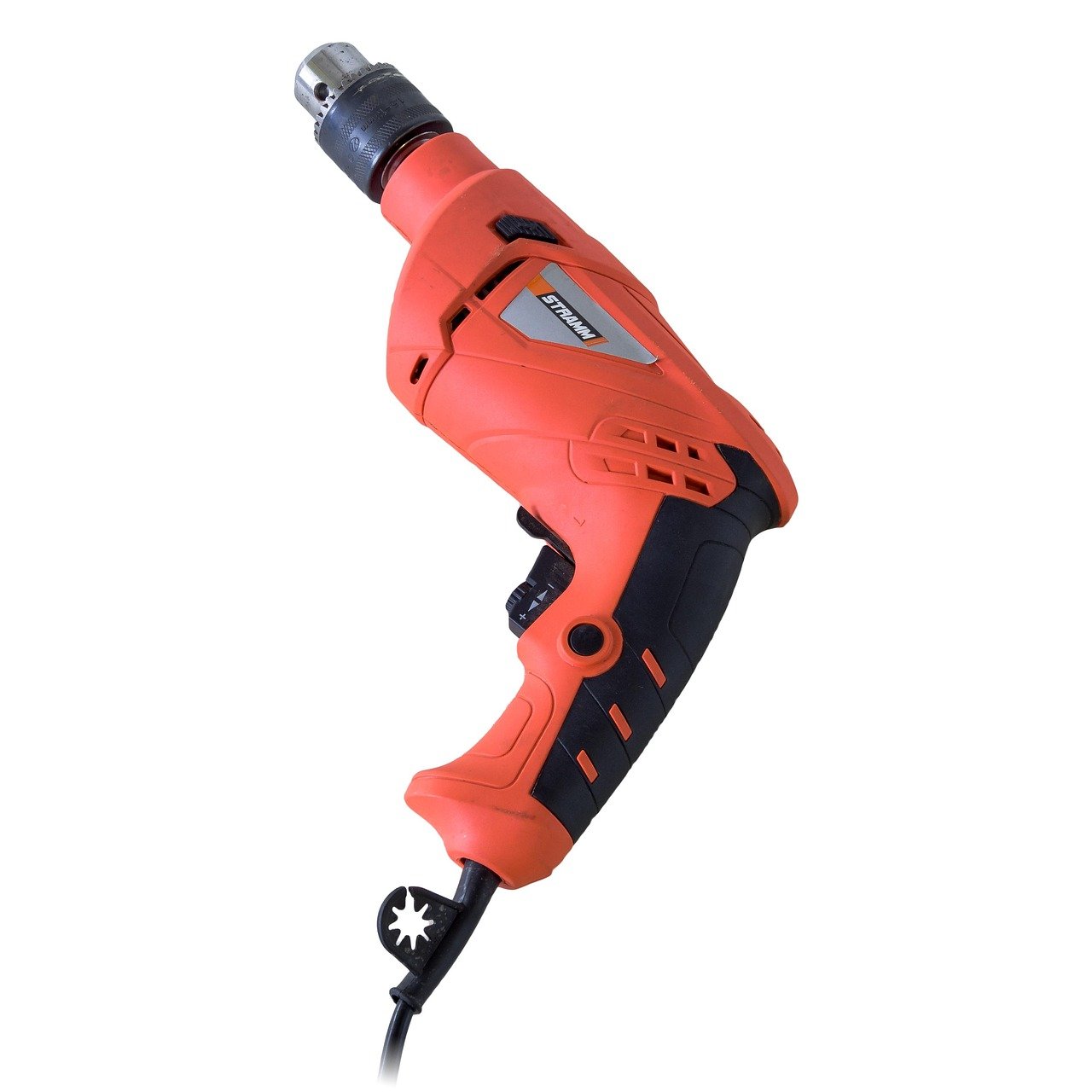
Torque is the headline number on every box, and it is also the most misleading. Manufacturers quote maximum torque, but the torque a tool actually delivers under load is lower. Worse, torque figures are not standardized across brands, so comparing two numbers side by side is closer to guesswork than science.
Still, rough ranges help set expectations. For furniture assembly and light DIY, a 3.6 V stick driver typically delivers roughly 3 to 5 Nm. A 12 V drill-driver commonly reaches 20 to 30+ Nm or more. Treat these as ranges, not standards, and do not assume a higher number automatically means a better tool for your task.
There is a practical angle here. If you mostly drive small screws into softwood or assemble flat-pack furniture, a modest stick driver is genuinely enough. Buying a high-torque tool for delicate work can actually backfire, because too much power strips screw heads and cracks brittle material. Match the torque to the material, not to the marketing.
Voltage Labels: Read Them Carefully
Voltage labels deserve their own warning. A pack marketed as “12 V max” may not deliver 12 volts nominal under load, and some labels are driven as much by marketing as by engineering. The practical takeaway: do not buy on voltage alone. Look at the whole package, including battery capacity, clutch quality, and how the tool feels in your hand.
Voltage does tell you something useful about the class of tool, though. Stick drivers in the 3.6 to 4 V range are light-duty by design. Tools at 12 V and above are built for sustained work and heavier fasteners. Choose the class first, then compare within it.
Clutch or No Clutch? The Feature That Prevents Damage
An adjustable torque clutch is the feature that separates a thoughtful tool from a frustrating one. The clutch disengages at a set torque, so the driver stops spinning before it strips a screw head or splits a board. It is common on drill-drivers and rare on stick drivers, which is one reason drill-drivers suit mixed tasks better.
If you plan to work with soft materials, delicate assemblies, or anything where over-tightening is expensive, a clutch is worth paying for. If your work is limited to small screws that bottom out naturally, a clutchless stick driver is fine and simpler to use.
Chuck Versus Bit Holder
Chucks and bit holders serve different jobs. A keyless chuck grips round-shank drill bits and accepts a wide range of accessories, which makes drill-drivers versatile. A 1/4-inch hex bit holder is faster to swap and ideal for screwdriving, but it will not hold a standard drill bit. If you want one tool to drill and drive, the chuck wins. If you want speed and simplicity for screws only, the hex holder is quicker.
Battery Chemistry and the Rules That Affect You
Nearly all modern cordless drivers use lithium-ion cells. Older NiCd and NiMH packs have largely been phased out. Li-ion packs self-discharge slowly and have no memory effect, which means you can leave one charged for weeks without harm. They do degrade with age and heat, so storing a driver in a hot garage or a car trunk shortens battery life noticeably.
If you are buying in the EU, battery rules now affect both purchase and disposal. The EU Batteries Regulation (Regulation (EU) 2023/1542) came into force in August 2023 and applies in stages, setting requirements on battery removability, recycling, and labelling. Check whether the battery is user-removable and whether the brand offers a take-back scheme, because those details matter at end of life. The staged timeline means the exact compliance date you should check depends on when you are buying, so confirm the current stage before you rely on it.
A practical habit: buy tools whose batteries are removable and shared across a brand’s range. A common battery platform lets one pack serve several tools and keeps an otherwise healthy driver out of the bin when a cell finally dies.
Warranty, Repairability, and the Fine Print
Warranty terms vary widely, and the gap between tool and battery coverage catches people out. Many brands offer multi-year warranties on the tool body but noticeably shorter coverage on batteries, which are the parts most likely to fail first. Repairability and spare-part availability also differ by region and change over time, so check before you commit to a brand.
Before paying, confirm three things: how long the tool is covered, how long the battery is covered, and whether spare parts and replacement batteries are actually sold where you live. A cheap tool with no battery supply is a disposable tool, whatever the box promises.
How to Judge Build Quality in the Aisle
Specs only get you so far. In practice, a few hands-on checks reveal more than any spec sheet.
- Hold it as if you were working. Grip matters more than grams. A driver that feels unbalanced or slippery will tire your hand on a long assembly job.
- Test the trigger for control. A good trigger offers fine speed control at low pressure. If the tool jumps straight to full speed, delicate screws become a gamble.
- Check the bit holder for wobble. A loose holder rounds screw heads fast. Give it a gentle wiggle.
- Try a bit change. If swapping bits is fiddly, you will avoid doing it, and the tool will sit unused.
- Look at the light. A built-in LED seems like a gimmick until you are working inside a dark cabinet. It is genuinely useful.
Common mistakes buyers make: paying for torque they will never use, skipping the clutch to save a few dollars, and buying into a battery platform with only one tool in the range. Another frequent error is assuming a bigger tool is always better. For a drawer full of small repairs, a compact stick driver gets reached for far more often than a heavy drill-driver.
Matching the Tool to the Job
The table below summarizes the practical split between the two main types.
| Feature | Stick driver (3.6–4 V) | Drill-driver (12 V+) |
|---|---|---|
| Typical torque | Roughly 3–5 Nm | Roughly 20–30+ Nm |
| Best for | Flat-pack furniture, small repairs, electronics | Decking, brackets, pilot holes, mixed tasks |
| Bit holding | 1/4-inch hex holder | Keyless chuck plus hex bits |
| Clutch | Rare | Common and adjustable |
| Weight and size | Very light, drawer-friendly | Heavier, more capable |
| Price band | Lower | Higher |
If your work sits somewhere in between, a compact 12 V drill-driver with a clutch is the safer all-rounder. If you already own a drill and only want speed for screws, a stick driver is the better second tool. Readers weighing a broader electronics purchase alongside tools often find the same logic applies: match the spec to the real job, not the biggest number. That principle runs through this practical buying guide to the best android phones for photography, where camera specs matter far less than how the phone handles in real light.
Safety Basics Worth Repeating
Power tools deserve respect, even small ones. Eye protection is not optional when driving screws overhead or into material that can splinter. Use the correct bit size for the screw head; an undersized bit cambers out and damages both screw and material. Over-torquing can strip heads, crack plastic, or split timber, which is exactly what a clutch prevents.
Public safety bodies publish general power-tool guidance, and the core advice is consistent: keep the work steady, keep your hands clear of the bit line, and disconnect the battery before changing accessories. The IEC 62841 series covers safety requirements for hand-held motor-operated tools, so a tool built to that standard gives you a baseline of assurance. None of this is exotic, but skipping it is how small jobs turn into hospital trips.
Where Electric Screwdrivers Fit in a Wider Setup
A screwdriver rarely lives alone. If you are building out a workspace, think about the whole kit rather than one tool at a time. A sensible desk setup often starts with a display decision, and this guide to choosing a tablet worth buying for beginners and everyday use makes the same point about matching capability to actual habits. Seating matters too, and these notes on budget gaming chairs worth buying without regret show how small comfort details beat headline features. If you type more than you drive screws, a gaming keyboard buying checklist to verify before you pay is a useful parallel exercise in reading past spec sheets.
Conclusion
The best electric screwdriver is not the one with the biggest torque number or the longest feature list. It is the one that matches your actual work. Decide first whether you need a light stick driver or a clutch-equipped drill-driver. Then check the details that matter in daily use: trigger control, bit holder quality, battery removability, and honest warranty coverage.
Ignore inflated torque claims and vague voltage labels. Pay for a clutch if you work with delicate material. Stay on a battery platform that will still supply packs in a few years. And handle the tool before you buy it if you possibly can, because balance and grip tell you more than any box ever will. Get those basics right and a modest, well-chosen driver will earn its place in the drawer for years.
Frequently Asked Questions
What torque do I need for assembling furniture?
For flat-pack furniture and light DIY, a stick driver delivering roughly 3 to 5 Nm is typically enough. A 12 V drill-driver with 20 to 30+ Nm gives you headroom for heavier fasteners. Because torque figures are not standardized across brands, treat these as ranges and prioritize a clutch for control rather than chasing the highest number.
Can a 3.6 V screwdriver handle real work?
It can handle light assembly and small repairs, which is most household screwdriving. It is not the right tool for decking screws, long fasteners, or drilling. If your jobs regularly involve heavier material, step up to a 12 V drill-driver instead of pushing a small driver past its limits.
Do I need an adjustable clutch?
If you work with softwood, plastic, or delicate assemblies, yes. A clutch disengages at a set torque and prevents stripped screw heads and cracked material. If your work is limited to small screws that bottom out naturally, a clutchless stick driver is simpler and perfectly adequate.
What does “12 V max” actually mean?
Voltage labels can be marketing-driven, and a pack rated “12 V max” may not deliver 12 volts nominal under load. Do not choose a tool on voltage alone. Compare battery capacity, clutch quality, and how the tool feels in your hand, and treat the voltage label as a rough indicator of tool class rather than a precise measure.
Should I worry about battery rules when buying in the EU?
Yes, if you are buying in the EU. The EU Batteries Regulation (Regulation (EU) 2023/1542) came into force in August 2023 and applies in stages, covering removability, recycling, and labelling. Check whether the battery is user-removable and whether the brand runs a take-back scheme, and confirm the current compliance stage at the time of purchase.
How long should an electric screwdriver last?
There is no fixed lifespan, but battery age and heat are the usual limits. Lithium-ion packs degrade over time, especially when stored hot, so a cool, dry drawer beats a sun-baked garage. Choosing a tool with removable, widely available batteries is the surest way to extend its working life, since a failed cell need not retire the whole tool.



