
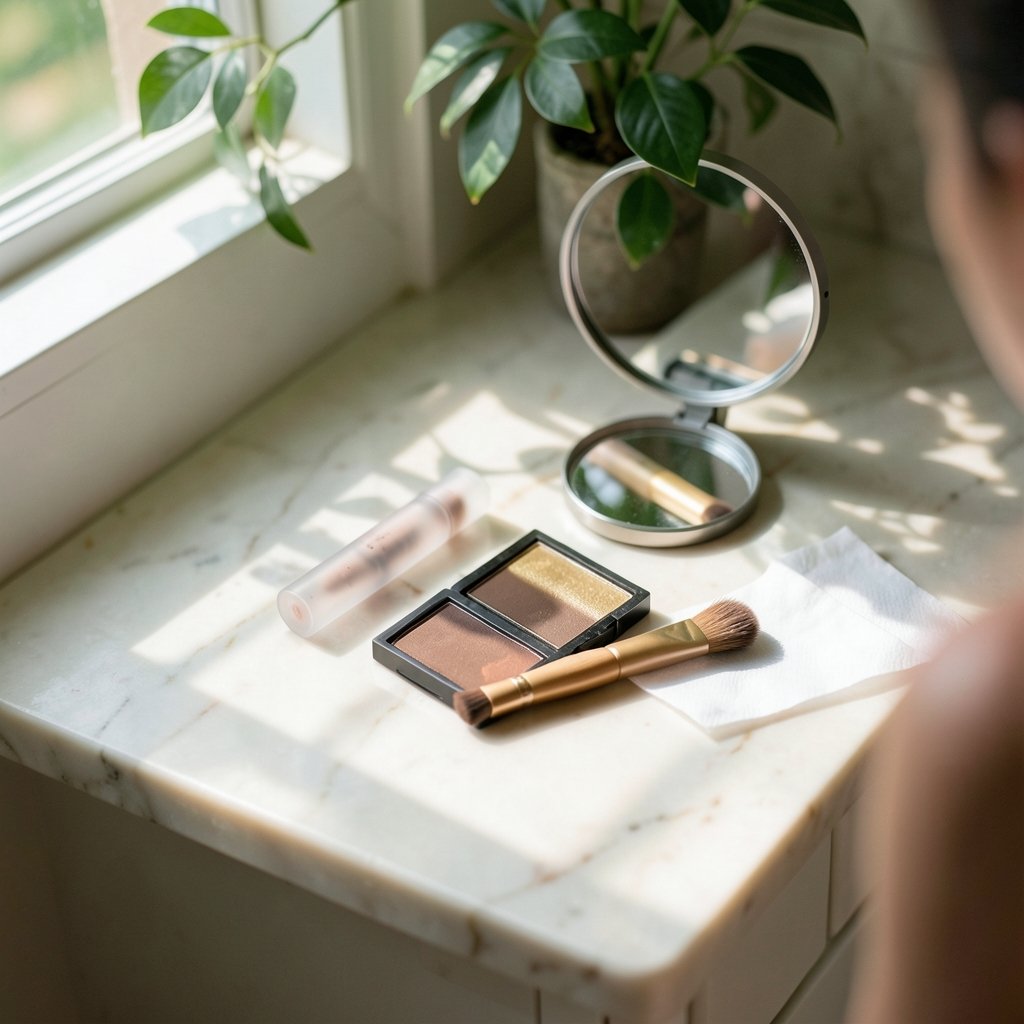
Does eyeshadow really need its own separate base, or is eye primer just another product the beauty industry convinced us to buy? Anyone who has watched a carefully blended look turn into a creasy, faded mess by lunchtime has probably asked that question. The answer is more interesting than a simple yes or no, because eye primer is a real category with real chemistry behind it, but it is not a magic trick, and it does not work the same way for everyone.
This article breaks down what eye primer is, how the formulas work, who benefits most, how to apply it so it actually performs, and where the honest limits of the product lie. No hype, no miracle claims, just a clear look at the evidence and the practical experience of people who use the stuff regularly.
What eye primer actually is
Eye primer is a cosmetic base applied to the eyelids before eyeshadow. Its job is to create a surface that eyeshadow can grip, so color shows up more vividly and stays put longer. That is the entire premise. It is not skincare, it is not treatment, and it is not a legally defined product category in the way that, say, sunscreen is. In the United States, cosmetic claims fall under the Federal Food, Drug, and Cosmetic Act and the Fair Packaging and Labeling Act, and “primer” is simply a marketing term within that framework. In the European Union, cosmetics are governed by Regulation (EC) No 1223/2009, which requires an ingredient list and a safety assessment, but again, “primer” is not a regulated class of product.
That matters because it means the words on the package, like long-wear and crease-proof, are claims rather than standardized test results. Two primers can both say “24-hour wear” and behave completely differently on the same pair of eyelids. Performance depends on skin type, how oily the lids are, the formula of the eyeshadow layered on top, and even the climate. Anyone shopping for a primer should treat the front of the box as advertising and the ingredient list as the actual information.
How the formulas work
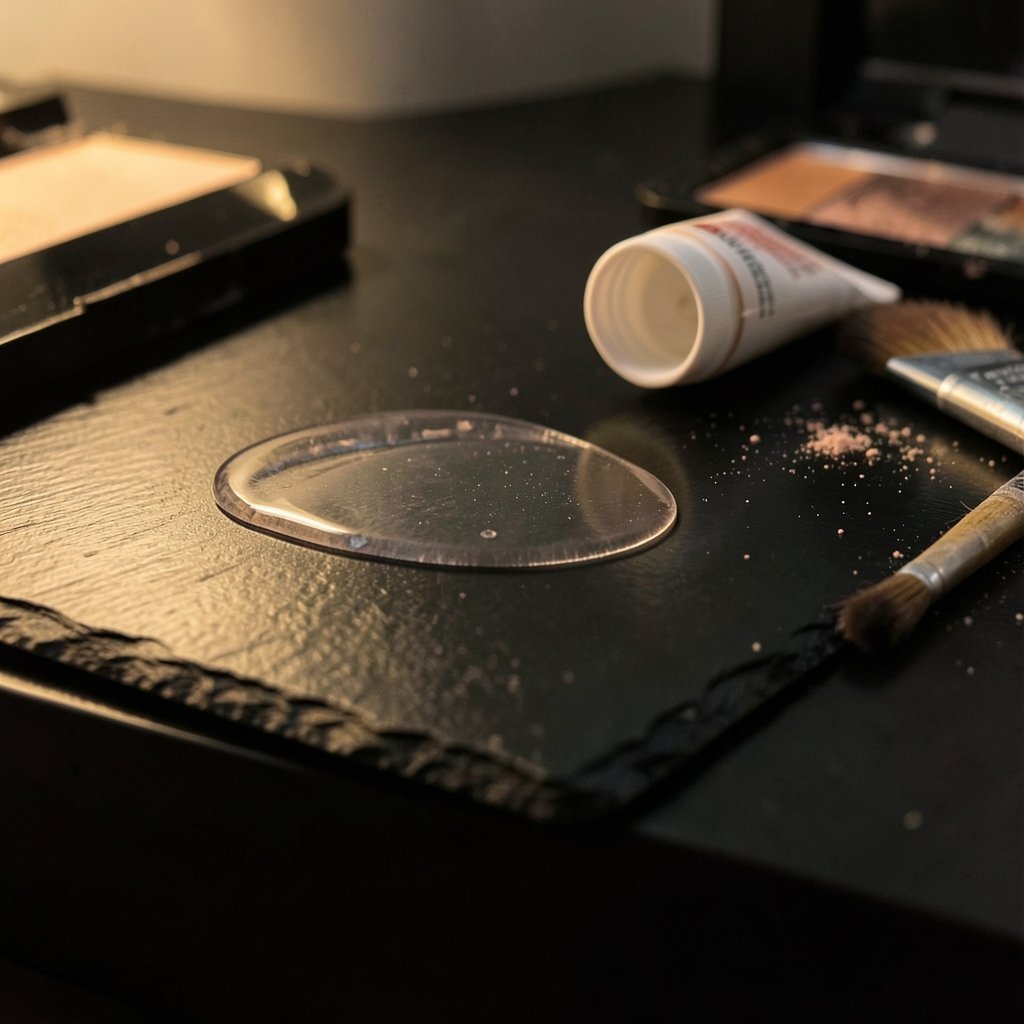
Most eye primers rely on silicones such as dimethicone and cyclopentasiloxane. These ingredients form a thin, smooth film on the skin that is slightly tacky, which gives powder shadows something to cling to instead of sitting loose on top of natural skin oils. Many formulas also include talc, mica, or silica for texture and oil absorption, plus waxes or polymers that add hold.
The logic is straightforward. Eyelid skin is thin, and it folds every time a person blinks, which happens thousands of times a day. Natural oils from the skin and from surrounding products migrate across that surface. A primer creates a buffer: it absorbs some oil, smooths the texture so powder applies evenly, and gives the shadow a base that resists the mechanical folding that causes creasing. It is closer to double-sided tape than to skincare.
What primers generally do not do is change the underlying skin. They do not shrink pores, treat dryness, or improve eyelid health. If the lids are flaky or irritated, a primer can actually make things look worse by catching on dry patches. That is why the prep step matters as much as the product itself.
Who benefits most, and who can skip it
The honest answer is that eye primer delivers the biggest payoff for people with oily eyelids, hooded or deeply creased lids, and anyone who wears shadow for long stretches, like a full workday or an evening event. For someone with dry, smooth lids who reapplies makeup at lunch anyway, the difference between primed and unprimed eyes may be subtle enough that the extra step is not worth it.
| Situation | Likely benefit from eye primer |
|---|---|
| Oily eyelids, shadow creases within hours | High |
| Hooded or deeply folded lids | High |
| Long wear needed, 8 hours or more | High |
| Dry, smooth lids, short wear time | Low to moderate |
| Shimmer or loose pigment shadows | Moderate to high |
| Cream shadows only | Low, since creams already grip |
There is a practical parallel worth noting: people with oily skin often spend a lot of energy finding a face primer that controls shine, and the same logic applies to the eye area. If finding the best primer for oily skin is a project for the face, the eyelids deserve the same scrutiny, because lid oiliness is usually a separate issue from cheek oiliness.
How to apply it so it works
Application is where most people go wrong, and it is not complicated. A few habits make a real difference.
- Start with clean, dry lids. Any leftover moisturizer or oil residue undermines the whole point of the primer.
- Use a very small amount, roughly the size of a grain of rice for both eyes. More product means more slip, and slip is the enemy of hold.
- Tap it on with a fingertip or a small brush and let it set for 30 to 60 seconds before adding shadow. Most primers need that moment to turn from wet to tacky.
- Avoid the waterline and the inner margin of the eye. Eye-area products belong on the lid and below the brow, not inside the lash line.
- Layer thin. A heavy primer layer can pill or ball up under powder, which looks worse than no primer at all.
A common mistake is treating primer like concealer and blending it out across the whole eye area. It should sit only where shadow will go. Another frequent error is skipping it on the lower lash line, where smudging tends to happen first. A tiny amount there can make a surprising difference.
The honest limits of the evidence
Here is where a balanced view matters. There is limited peer-reviewed clinical research specifically on eye primers. Most of the performance data come from manufacturer testing or from consumer reviews, not from independent dermatological studies. That does not mean primers do not work, because the ingredient chemistry is well understood and plenty of users see clear results. It means that claims should be read with appropriate skepticism, and that personal testing is the only reliable way to know what works on a specific pair of eyelids.
There is also a safety dimension. Cosmetic products for the eye area should be patch tested first, and anyone prone to styes, irritation, or sensitive skin should be cautious with new formulas. Shared makeup, expired products, and applicators that touch the eye directly all raise the risk of irritation or infection. Replacing eye products regularly and keeping brushes clean is basic hygiene, not paranoia.
Primer versus concealer versus setting powder
People often confuse these three, and they do different jobs. A quick comparison helps.
| Product | Main job | Where it goes |
|---|---|---|
| Eye primer | Grips shadow, controls oil, smooths texture | Bare lid, before shadow |
| Concealer | Covers discoloration and veins | Over primer or bare skin, thinner layers |
| Setting powder | Locks makeup, reduces shine | Over shadow or concealer, light dusting |
Using all three in the wrong order is a classic mistake. Primer goes first, on bare skin. Concealer comes next if needed. Shadow follows. Powder finishes. Reversing that order, or putting primer over concealer, tends to produce a patchy result because the primer cannot bond to skin through another product.
Cream shadows, glitter, and other special cases
Cream eyeshadows already contain ingredients that help them adhere, so a primer is often optional. Where primer earns its keep is with loose pigments, glitters, and highly pigmented pressed shadows, which need a tacky base to stay in place and to show their true color. Without a base, glitter tends to migrate, and loose pigment can look patchy.
Another special case is anyone who uses eyeshadow as eyeliner or smudges shadow along the lower lash line. That area is prone to smearing, and a thin layer of primer underneath makes a visible difference. The same principle applies to people who live in humid climates, where makeup tends to slide regardless of formula quality.
Ingredients worth knowing
Reading the back of the box is more useful than reading the front. A few ingredient families show up again and again.
Silicones like dimethicone create the smoothing, tacky film that makes shadow cling. Silica and talc absorb oil and improve texture. Mica adds slip and a subtle luminosity. Waxes and film-formers add durability. Some formulas include vitamin E or panthenol for comfort, though these are supporting ingredients rather than the reason the product works.
Anyone who prefers silicone-free cosmetics should know that silicone-free primers exist, but they often rely on different film-formers and may behave differently under powder. There is no universally “better” formula, only formulas that suit a given skin type and shadow type.
Practical buying and testing advice
A few habits separate people who get good results from primer from those who give up on it.
Test a primer for a full day before committing to a full-size purchase. Apply it to one eye only and compare at the end of the day. That single test answers more than any review can. Store the tube away from heat, keep the cap clean, and replace it according to the package guidance, since eye-area products have a shorter safe life than most people assume. If a primer starts to separate, smell different, or sting, it is time to let it go.
It also helps to think about the whole routine rather than the product in isolation. A primer cannot rescue a shadow that is a poor match for the skin type, and it cannot compensate for a heavy, oily moisturizer underneath. Getting the basics right, like clean lids and thin layers, does more for wear time than switching brands.
For anyone who enjoys understanding the mechanics behind everyday products, the same curiosity that makes primer interesting applies elsewhere. The logic of base layers, adhesion, and surface texture shows up in plenty of ordinary things, and a plain-English look at how simple rules build complex systems, like a prime number plain english guide with real examples, is a surprisingly good reminder that small foundational details often determine the final result.
Conclusion
Eye primer is a real, useful product with a clear purpose: it creates a surface that helps eyeshadow adhere, show its color, and resist creasing. It works best for oily lids, hooded eyes, long wear times, and tricky textures like glitter and loose pigment. It is not essential for everyone, and the marketing language around it deserves some skepticism, since terms like long-wear and crease-proof are claims rather than standardized measurements. The practical path is simple: start with clean, dry lids, use a tiny amount, let it set, and test it on one eye before trusting it with a whole look. Done that way, eye primer earns its place in the routine. Done carelessly, it becomes one more product sitting unused in a drawer.
Frequently asked questions
Is eye primer the same as face primer?
No. Face primer is formulated for larger areas, different oil levels, and often a smoother finish under foundation. Eye primer is typically more tacky and more concentrated, because it needs to grip powder on a small, constantly folding surface. Using face primer on the lids is a common shortcut, but it usually does not hold shadow as well and can feel heavy.
Can eye primer cause irritation?
It can, especially for people with sensitive skin or a history of styes. Eye-area products should be patch tested on the inner forearm first, kept away from the waterline, and replaced according to package guidance. If a product stings, itches, or causes redness, it should be discontinued rather than pushed through.
Does eye primer work under cream eyeshadow?
Less dramatically than under powder. Cream shadows already contain ingredients that help them adhere, so a primer adds less value. Where primer helps is with cream-to-powder formulas and with layering powder over cream, which benefits from a tacky base underneath.
How much primer should be used?
Very little. Roughly a grain of rice for both eyes is enough for most people. A thin layer grips better than a thick one, which can pill, ball up, or make shadow slide. Letting it set for about a minute before adding shadow is the step most people skip.
Can eye primer be used on the lower lash line?
Yes, and it is one of the more useful applications. A small amount along the lower lash line helps prevent smudging and keeps shadow from migrating. Keep it below the lash line rather than inside the eye margin, and use less product there than on the lid.
Is expensive eye primer better than drugstore options?
Not necessarily. Price tends to reflect branding, packaging, and marketing rather than measurable performance. The ingredient list is a better guide than the price tag, and a one-eye comparison test over a full day reveals more than any review. Many people find that a mid-priced primer performs as well as a luxury one on their own lids.



