
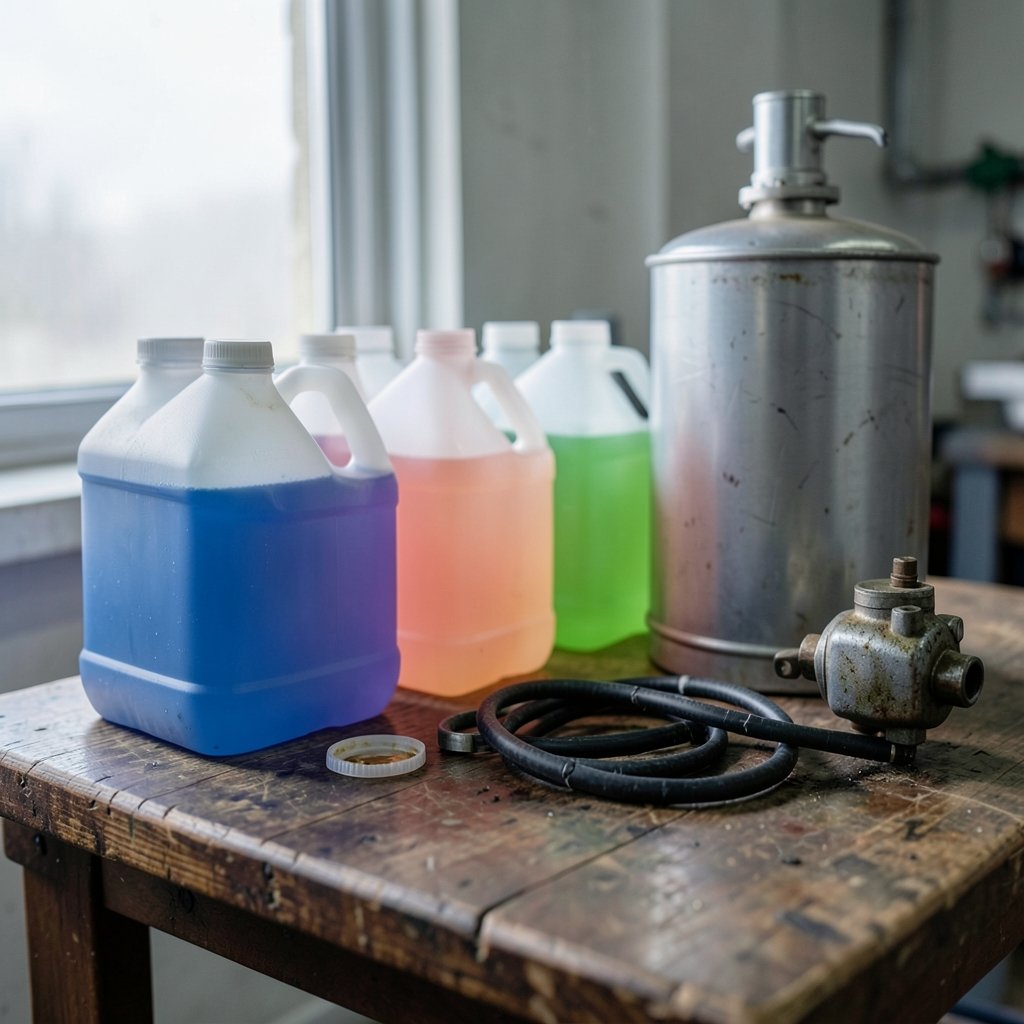
What happens if you pour the wrong coolant into a BMW? Sometimes nothing. Sometimes you end up with a clogged heater core, a sludged cooling system, or a repair bill that makes you wince. The frustrating part is that the answer to “which coolant does my BMW need?” is not one simple fluid. It depends on the model, the engine, and the year the car was built.
This guide walks through what actually matters: how to find the correct spec for your car, why color is a trap, how to mix and top up properly, and which habits separate owners who avoid cooling-system headaches from those who don’t.
Why BMW Coolant Is Not a One-Fluid Answer
Many people assume there is a single “BMW coolant” and that any bottle with the roundel on it will do. In practice, BMW has specified different coolants across model generations. Older BMWs from roughly the 1990s and 2000s commonly used a BMW-branded blue coolant, often described as a G48-type formula that contains silicates. Many newer models use a different formulation entirely.
BMW has never published one universal specification that covers every car it has ever built. The correct fluid depends on the model, the engine, and the model year. That is why the single most reliable source is not a forum thread or a parts-counter guess. It is the owner’s manual for your specific vehicle, or the label on the coolant reservoir cap.
If you are also weighing running costs and ownership details for a particular model, it helps to understand the broader picture. For example, shoppers comparing performance sedans often look at BMW M3 lease deals while also checking what routine maintenance like coolant service involves. The two decisions are more connected than they look.
Where to Find the Correct Spec for Your Car
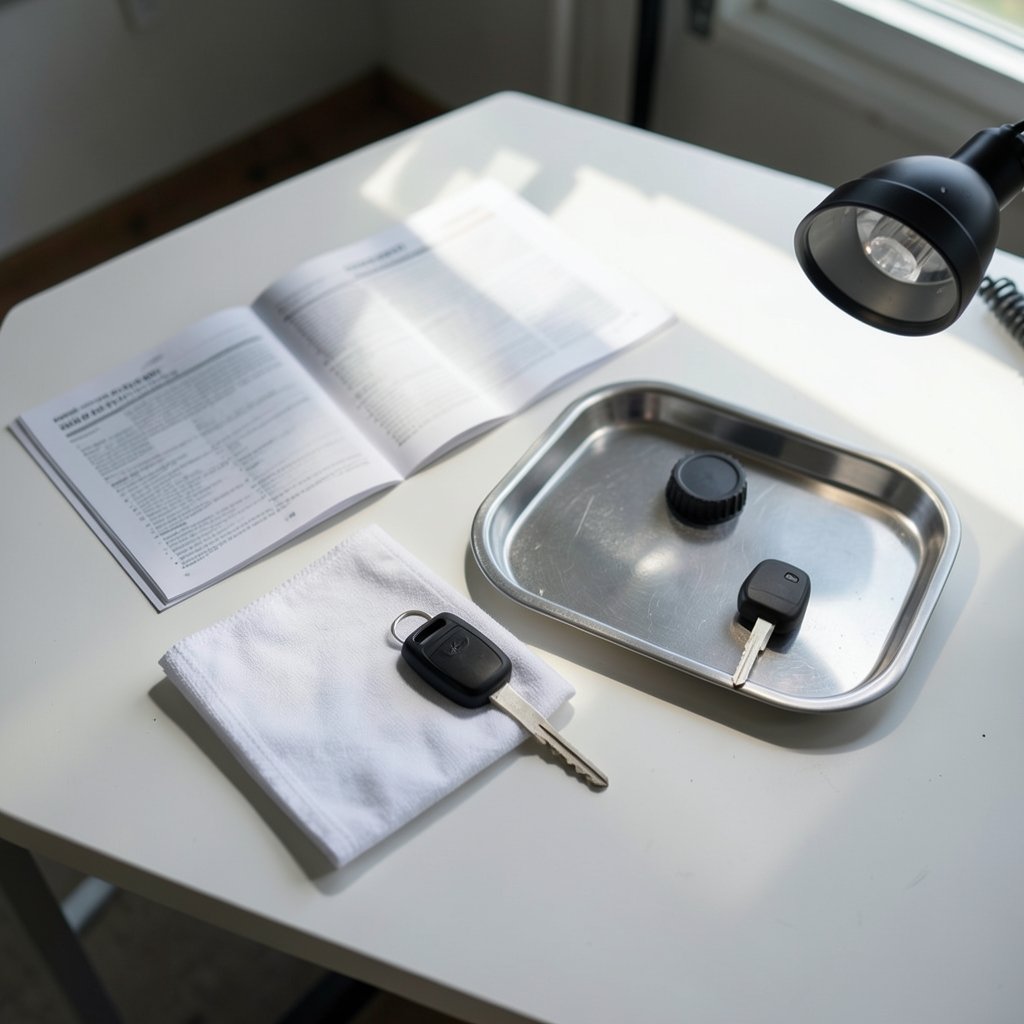
The good news is that the information exists. You just have to look in the right place. Here is the order of checking that works in practice.
- Read the owner’s manual. BMW manuals list the approved coolant specification, often with a BMW part number. For the classic blue coolant, one commonly referenced number is 82 14 1 467 704. Part numbers and approved specs vary by model year and region, so confirm against your own manual rather than a number you saw online.
- Check the coolant reservoir cap. Many caps carry a marking or part reference that points to the correct fluid.
- Ask a dealer parts department with your VIN. Give them the vehicle identification number and they can pull the exact spec for your build.
- Consult BMW’s technical information where available. BMW distributes official technical data through its Technical Information System, though access is often paid or restricted.
A common mistake is trusting a universal “fits all BMWs” bottle at a big-box store. It may be fine for some models and wrong for yours. Another mistake is assuming that because a coolant is expensive or German-branded, it must be correct. Price and origin tell you nothing about chemistry.
Concentrate vs. Pre-Mixed: What BMW Actually Specifies
BMW coolant is typically sold as a concentrate that must be mixed with water, commonly at a 50/50 ratio using distilled or deionized water. The mixing ratio, and whether a pre-mixed product is acceptable, is stated in the owner’s manual for your model.
Why does this matter? Because getting the ratio wrong changes the fluid’s freeze point and its ability to protect against corrosion. Too little antifreeze and the mixture can freeze in cold weather, expanding and cracking components. Too much and heat transfer suffers. Tap water sounds harmless, but the minerals in it can contribute to scale and deposits over time. Distilled water costs a couple of dollars and removes that variable entirely.
In practice, the simplest routine is to buy concentrate, mix it 50/50 with distilled water in a clean jug, and label the jug. That way top-ups are consistent and you always know what is going into the system.
Why Color Is a Trap
Coolant dyes are cosmetic. They vary by brand and formulation, and the same color can indicate completely different chemistry depending on who made it. A green fluid from one manufacturer and a green fluid from another may be chemically incompatible.
The practical rule is simple: use the specification, not the color. If you cannot confirm the spec of a bottle, do not pour it into your BMW. This one habit prevents most of the problems described in the next section.
What Happens When You Mix Incompatible Coolants
Mixing incompatible coolant types can cause real damage. The typical outcomes are silicate dropout, where solid particles fall out of suspension, and gelling, where the fluid thickens into a sludge. Either one can block narrow passages such as the heater core, reduce flow through the radiator, and stress the water pump.
This is exactly why BMW and independent technicians advise against topping up with an unknown coolant. If you are stranded and the level is low, the safer short-term move is to top up with distilled water to get home, then have the system checked and corrected. A slightly diluted mixture is far less harmful than a chemical reaction inside your engine.
If you are already dealing with a neglected car and wondering how other fluids have fared, the same discipline applies elsewhere in the vehicle. A methodical approach to checking transmission fluid without guessing reflects the same principle: confirm the spec before you pour.
Coolant Loss: What It Usually Means
Low coolant or a dropping level is rarely random. In most cases it points to a leak somewhere in the system. Common culprits include hoses, the expansion tank, the water pump, and in more serious cases a head gasket.
BMW cooling systems are known for plastic components, particularly expansion tanks and thermostat housings, that become brittle with age. A hairline crack that seeps when hot and seals when cold can be maddening to diagnose. Telltale signs include a faint sweet smell after driving, white residue around joints and hose clamps, and a level that creeps down over weeks rather than all at once.
A pressure test is the standard way to find these leaks. It is quick, and most shops charge little for it. Guessing by replacing parts one at a time is the expensive route.
Service Intervals and the “Lifetime Coolant” Debate
Coolant service intervals are generally tied to mileage or time, and many modern BMWs use Condition Based Service monitoring that feeds into the maintenance schedule. Exact intervals differ by model and market, so check your own schedule rather than assuming.
There is a genuine disagreement worth flagging. Some BMW documentation has described coolant as long-life or lifetime fluid. Many independent technicians disagree and recommend periodic replacement anyway. The reasoning on the independent side is that corrosion inhibitors deplete over time, and a fluid that no longer protects is not doing its job even if it still looks fine.
The balanced position is this: follow the manufacturer’s schedule as a minimum, and treat periodic replacement as cheap insurance on an older car with plastic cooling components. A coolant change costs a fraction of a radiator, water pump, or heater core job. Owners who plan to keep a car past 100,000 miles usually come around to this view.
A Practical Checklist for Topping Up
When the level is low and you need to act, a short checklist keeps you out of trouble.
- Let the engine cool completely. Never open a pressurized coolant cap on a hot engine. Scalding coolant can spray out.
- Confirm the spec from the manual or cap before buying anything.
- Mix concentrate with distilled water at the ratio your manual states.
- Top up to the marked line on the expansion tank, not to the brim.
- Watch the level over the next few weeks. A level that keeps dropping means a leak, not a topping-up problem.
- Record what you added and when. Future you, or the next owner, will thank you.
How Coolant Fits Into the Wider Ownership Picture
Cooling-system care is one of those maintenance items that rarely gets attention until something fails. That is a shame, because it is one of the cheapest things to stay ahead of. The same is true of understanding the car you own. Knowing who stands behind the brand, and how it is structured, is part of informed ownership. Owners curious about corporate background often start with who owns BMW group and then dig into who owns BMW for the fuller history.
If you are shopping rather than maintaining, the same logic applies to the deal you sign. Families comparing SUVs often weigh BMW X5 lease deals against the smaller BMW X3 lease deals, and a sensible question to ask is what the scheduled maintenance includes, coolant service among them. A lease that covers fluid changes can be worth more than a slightly lower monthly payment.
Common Mistakes That Cost Real Money
A few errors show up again and again.
Topping up with whatever is on the shelf. This is the big one. If the bottle does not match your spec, leave it alone.
Using tap water. Minerals accumulate. Distilled water is the correct choice and costs almost nothing.
Ignoring a slow leak. A seeping expansion tank becomes a cracked one. Fixing it early is cheaper.
Assuming color equals chemistry. It does not. Read the label.
Skipping the pressure test. If the level drops repeatedly, test rather than guess.
Opening the cap hot. This is a safety issue first and a mechanical one second.
None of these require special tools to avoid. They require a little patience and a glance at the manual.
Conclusion
Coolant fluid for a BMW is not a single product but a specification that changes with model, engine, and year. The reliable path is straightforward: read your owner’s manual or check the reservoir cap, buy the correct concentrate, mix it 50/50 with distilled water, and never top up with an unknown fluid just because it is the right color. Watch the level for slow leaks, take the “lifetime coolant” claim with a grain of salt on an aging car, and treat a coolant change as inexpensive insurance rather than an upsell. Do those things and the cooling system quietly does its job, which is exactly what you want from it.
Frequently Asked Questions
Can I use any coolant in my BMW?
No. BMW has specified different coolants across model generations, and the correct one depends on your model, engine, and year. Using the wrong chemistry can cause silicate dropout or gelling, which can clog the heater core and damage the water pump. Always confirm the specification in your owner’s manual or on the reservoir cap before buying.
Is BMW coolant blue, and does the color tell me what to use?
Older BMWs commonly used a blue coolant often described as a G48-type formula containing silicates, and many newer models use a different formulation. But color is not a reliable identifier. Dyes vary by brand and formulation, and the same color can mean different chemistry across manufacturers. Use the specification, not the color.
Do I need to mix BMW coolant with water?
BMW coolant is typically sold as a concentrate that must be mixed with water, commonly 50/50 with distilled or deionized water. Your owner’s manual states the correct ratio and whether a pre-mixed product is acceptable for your model. Avoid tap water, since its minerals can contribute to deposits over time.
What happens if I mix two different coolants?
Mixing incompatible types can cause silicate dropout or gelling. The result can be blocked passages, reduced flow through the radiator, and extra strain on the water pump. If you are low on coolant and only have an unknown fluid, topping up with distilled water to get home is the safer choice, then have the system checked.
Is BMW coolant really lifetime fluid?
There is genuine disagreement here. Some BMW documentation has described coolant as long-life, while many independent technicians recommend periodic replacement because corrosion inhibitors deplete over time. A reasonable approach is to follow the manufacturer’s schedule as a minimum and treat periodic replacement as inexpensive insurance on an older car.
Why does my BMW keep losing coolant?
A dropping level usually means a leak rather than a topping-up problem. Common sources include hoses, the expansion tank, the water pump, and in serious cases a head gasket. BMW cooling systems are known for plastic components that become brittle with age. A pressure test is the standard way to find the leak instead of replacing parts by guesswork.



