
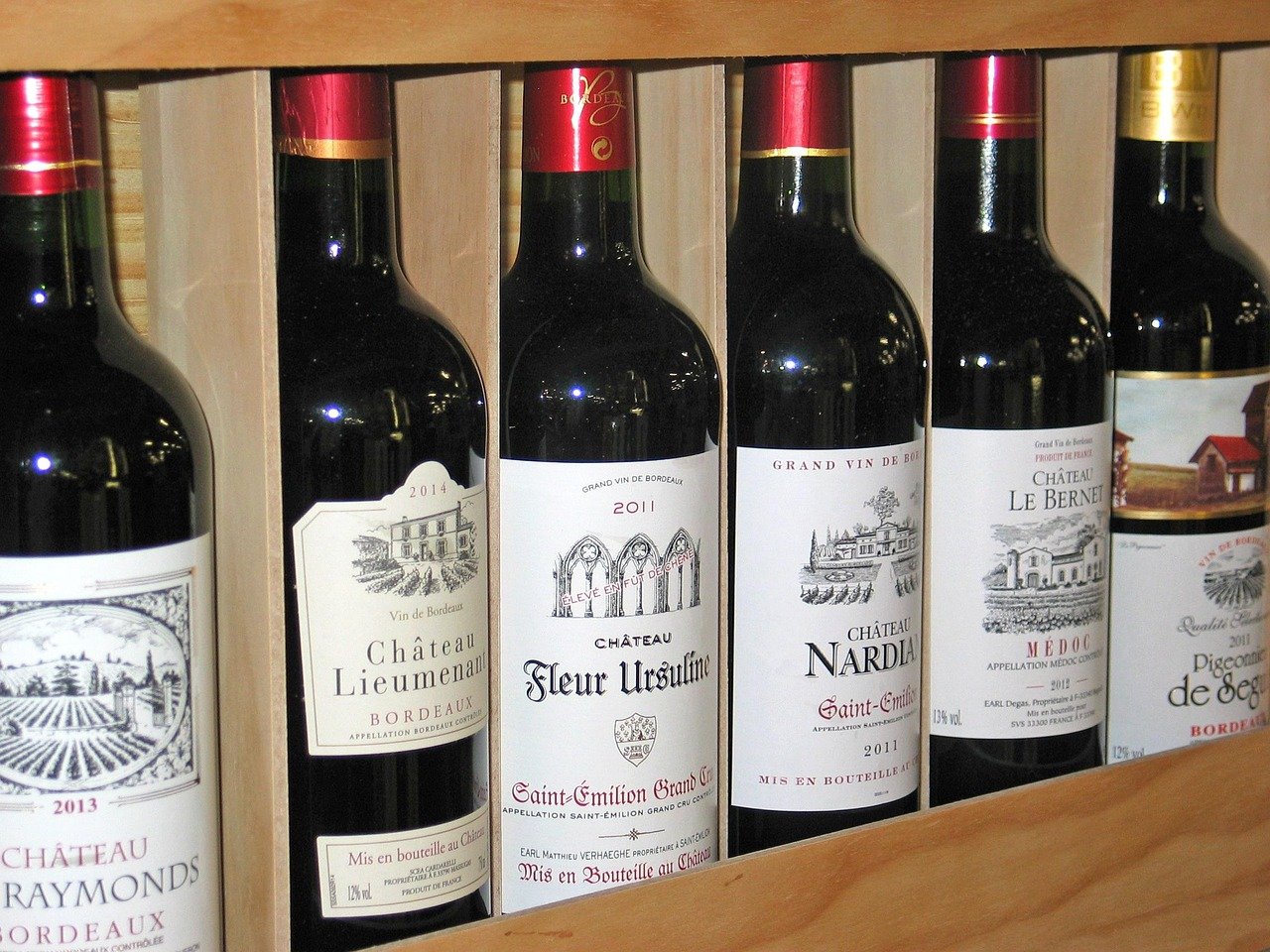
What if the most confusing word on a French wine bottle turned out to be the most useful one? Look at any shelf of French wine and you will see the same handful of terms repeated: appellation, cru, château, domaine, millésime. They look like decoration. They are actually a compact legal code, and once you can read it, the bottle stops being a mystery and starts being a set of predictable choices about style, place and price.
Why French Wine Labels Feel Like a Different Language
French wine is regulated more tightly than almost any other food product in Europe. The rules do not exist to confuse shoppers. They exist to protect the link between a wine and the specific patch of ground it came from. That link is the whole idea behind the French system, and it explains why a bottle from one hillside can cost three times as much as a bottle made from the same grape variety a few kilometres away.
The practical consequence for a buyer is simple. On a French bottle, the place name usually matters more than the grape name. Many labels never mention the grape at all. Instead they name a village, a valley or a region, and the reader is expected to know what that place tastes like. That expectation is the single biggest hurdle for newcomers, and it is also the reason French wine rewards a little study more than most.
The Four-Tier Quality System, Explained Plainly
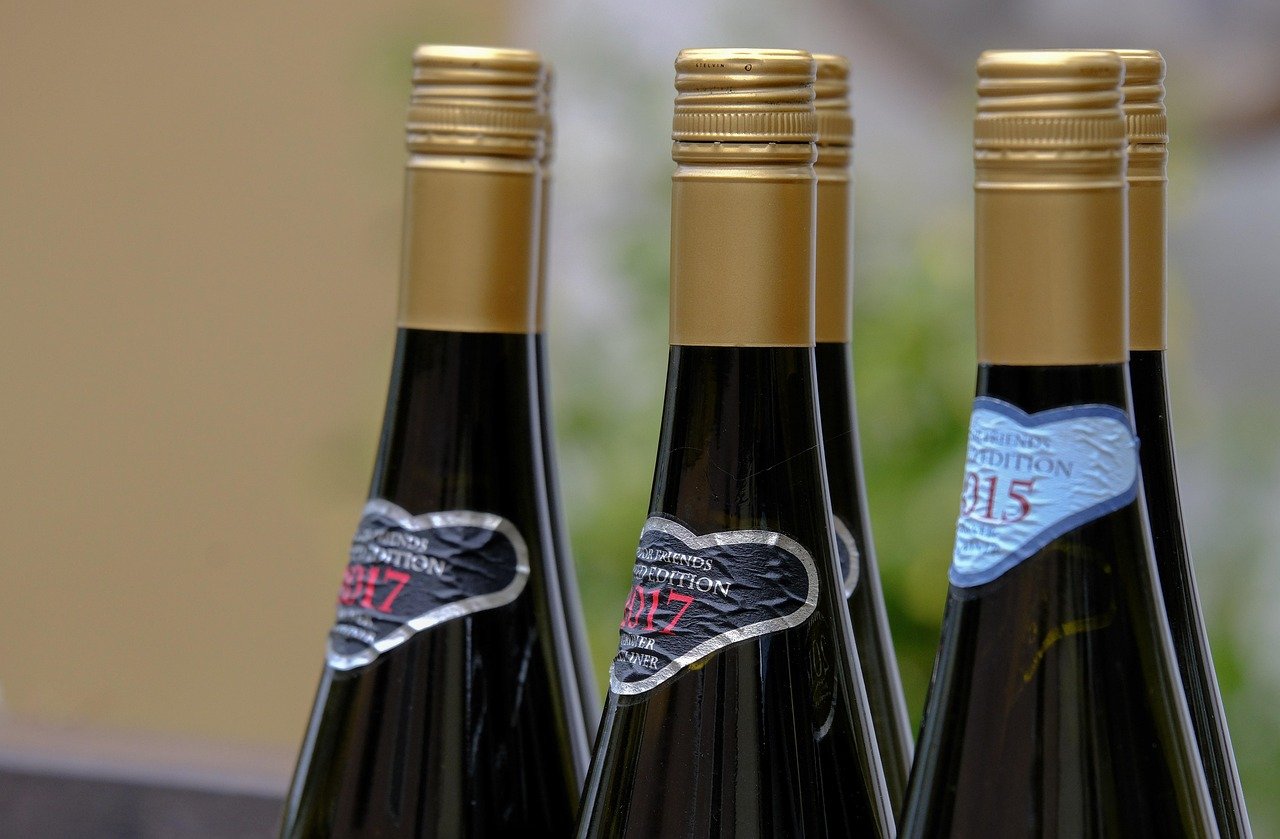
French wine is sorted into categories that signal how strict the production rules are. The top tier is Appellation d’Origine Contrôlée, usually shortened to AOC and increasingly written as AOP (Appellation d’Origine Protégée) to match European terminology. An AOC wine must come from a defined area, follow approved grape varieties, meet minimum alcohol levels, and respect rules on planting density and yields. Every one of those rules is designed to keep quality consistent and to stop producers elsewhere from borrowing a famous name.
Below that sits IGP, or Indication Géographique Protégée, a category that is geographically defined but far more flexible on grape choice and winemaking method. Then comes Vin de France, the basic tier, which can be blended from grapes grown anywhere in the country and often carries the grape name on the front. A fourth, older designation for traditional sweet wines exists in some regions, but most shoppers will only ever meet the first three.
| Tier | What it guarantees | Typical use |
|---|---|---|
| AOC / AOP | Defined place, strict rules, approved grapes | Most famous regional wines |
| IGP | A named region, looser rules | Everyday bottles, experimental styles |
| Vin de France | Country of origin only | Value blends, varietal labelling |
| Sweet wine designation | Traditional production method | Specific sweet styles |
The useful takeaway is not that higher tiers taste better. They do not, automatically. The tier tells you how tightly the wine is tied to a place. An IGP from a good producer can beat a lazy AOC every time, and experienced buyers know it.
The Regions That Actually Shape What You Taste
France produces wine across almost the whole country, but a handful of regions dominate both volume and reputation.
Bordeaux, in the southwest, is built on blends. Red wines usually combine Cabernet Sauvignon, Merlot and Cabernet Franc, while whites rely on Sauvignon Blanc and Sémillon. The region is divided by the Garonne and Dordogne rivers, and that geography matters: gravel soils suit Cabernet, clay suits Merlot. Bordeaux is also where the most famous classification system in the world was born in 1855, when merchants ranked the leading châteaux for the Paris exhibition. That ranking still shapes prices today, even though it was drawn up for a completely different market.
Burgundy, further east, works the opposite way. It is a region of small parcels, and the hierarchy runs from regional wines up through village wines to premiers crus and grands crus. Burgundy is where the idea of terroir is pushed hardest, and where a few hundred metres of slope can change the price of a bottle dramatically. The region’s two main grapes are Pinot Noir and Chardonnay.
Champagne is the coldest major region and the only place allowed to use that name for sparkling wine. Its wines are blends of base wines, often from several years, and the region’s rules on ageing and method are among the strictest in France.
The Rhône Valley splits into north and south. The north is steep and produces Syrah-based wines; the south is broader and warmer, with Grenache-led blends. Loire Valley wines are lighter and often higher in acidity, ranging from Muscadet near the coast to Sauvignon Blanc in the centre and Cabernet Franc further inland. Alsace sits on the German border and labels its wines by grape variety, which makes it unusually easy to navigate for newcomers.
Vintages, Ageing and the Words That Signal Style
The year on the label, the millésime, is the year the grapes were harvested. In cool regions like Burgundy and Champagne, the year matters enormously because weather swings sharply. In warm regions with consistent sun, the vintage difference is smaller. A weak vintage from a great producer often beats a strong vintage from a careless one, so treat the year as one clue among several rather than a verdict.
Ageing language is often misread. Mis en bouteille au château means the wine was bottled at the estate, which is a genuine signal of control over the final product. Vieilles vignes, or old vines, has no legal definition in most of France, so it is a marketing phrase rather than a guarantee. Cru means “growth” and signals a ranked vineyard or estate, but the ranking systems differ from region to region and cannot be compared across them.
Dryness is another common confusion. Most French table wine is dry, but the word sec on a label means something specific and does not always mean bone dry. Sparkling wines labelled brut are dry, while demi-sec is noticeably sweet. Sweet wines from Sauternes or the Loire carry their own designations and are meant to be sipped slowly, not poured like a dinner white.
What Actually Works When You Are Standing in the Shop
Practical experience with French wine tends to produce the same lessons, repeated by almost everyone who sticks with it.
Start with the producer, not the region. A named grower who bottles their own wine has staked a reputation on that bottle. Big negociant brands are consistent but rarely exciting. Look for the phrase indicating estate bottling and treat it as a mild positive.
Buy by style, not by fame. If you like crisp whites, head for the Loire or Chablis rather than paying a premium for a famous name in a style you do not enjoy. If you like bold reds, the southern Rhône delivers far more value than Bordeaux at the same price.
Ignore the temptation to age everything. Most wine sold today, French or otherwise, is made to be drunk within a few years. Only a small share of bottles improves with a decade in a cellar, and guessing which ones is a skill built over years.
Watch out for the common mistakes. Shoppers routinely assume a higher tier means better quality, assume an old vintage means a better bottle, and assume a famous region guarantees a good wine. All three assumptions fail regularly. The reliable approach is to learn two or three producers you trust in each style and buy from them repeatedly.
If you are building language skills alongside your wine knowledge, the vocabulary overlaps more than you might expect. The same words for numbers, measures and everyday purchases show up on labels and in shops, which is why guides to how to say money in French, including slang and currency rules, turn out to be surprisingly useful when you are reading a price tag in a cave. Video platforms can help too, and a look at what the French video platform Dailymotion actually offers today will turn up plenty of producer interviews and tasting clips in French. For anyone starting from scratch, a realistic roadmap from zero to conversational French makes the label vocabulary far less intimidating.
How to Taste Like You Mean It
Tasting is mostly attention, not talent. Pour a small amount, look at the colour against a white background, then swirl and smell before you sip. Smell is where most of the information lives. Ask yourself simple questions: is it fruity, floral, earthy, or smoky? Does it smell like fresh fruit or cooked fruit? Fresh fruit usually suggests a younger wine.
On the palate, notice acidity first. High acidity makes your mouth water and keeps a wine lively with food. Then look for tannin, the drying sensation on your gums, which comes mostly from red grape skins. Finally, check the finish, meaning how long the flavour lingers after you swallow. A long finish is generally a sign of concentration.
Food pairing follows a few reliable rules. Acidic wines cut through rich food. Sweet wines handle spicy food better than dry ones, because alcohol amplifies heat. High-tannin reds clash with delicate fish but work with fatty meat. These are guidelines, not laws, and the best pairing is the one you actually enjoy.
Serving and Storage Without the Ceremony
Serve white wines cooler than reds, but not ice cold. A white pulled straight from the fridge loses most of its aroma, so give it ten minutes on the counter. Reds are often served too warm; a red at room temperature in a heated room tastes flat and alcoholic. Slightly below room temperature is closer to right.
Storage is simpler than the equipment market suggests. Wine dislikes three things: heat, light and vibration. A dark cupboard away from a radiator will outperform an expensive rack in a sunny kitchen. Bottles with natural cork should lie on their side so the cork stays moist. Screw caps do not need this, which is one reason they have become common even on serious wines.
Once opened, most bottles stay drinkable for two to four days if you re-cork them and put them in the fridge, including reds. The cold slows the chemical changes that turn wine flat and sour.
Conclusion
French wine is less about memorising famous names and more about learning a small, consistent set of signals. The place on the label tells you the rules the wine had to follow. The producer tells you how seriously those rules were taken. The vintage and the ageing language tell you what to expect in the glass. Get those three things right and the rest, from the region’s reputation to the price tag, becomes background noise rather than a decision-maker. Start with one region you enjoy, learn three producers, and let the map grow from there.
Frequently Asked Questions
What does AOC mean on a French wine bottle?
AOC stands for Appellation d’Origine Contrôlée. It is the top tier of French wine classification and means the wine comes from a defined geographic area and was made under strict rules covering grape varieties, yields, minimum alcohol and viticultural practice. The same category is increasingly labelled AOP to align with European terminology.
Is French wine always better than wine from other countries?
No. The classification system measures how tightly a wine is tied to a place, not how good it tastes. France has excellent producers and mediocre ones, just like every wine country. A well-made wine from elsewhere can easily outperform a careless French bottle, and the tier on the label is only one clue among several.
What is the difference between Bordeaux and Burgundy wine?
Bordeaux, in the southwest, is known for blends, typically Cabernet Sauvignon and Merlot for reds and Sauvignon Blanc and Sémillon for whites. Burgundy, in the east, focuses on single-variety wines from Pinot Noir and Chardonnay and is organised around small vineyard parcels ranked from regional level up to grand cru. Bordeaux is generally about blending; Burgundy is about site.
Does the vintage year on French wine really matter?
It matters more in cool regions such as Burgundy and Champagne, where weather varies sharply from year to year, and less in consistently warm regions. The producer usually matters more than the year. A skilled grower in a difficult vintage often makes better wine than a careless one in a celebrated year.
How long can you keep an opened bottle of French wine?
Most opened bottles stay drinkable for two to four days if you re-cork them and refrigerate them, including reds. Cold slows the oxidation that makes wine taste flat and sour. Sparkling wine loses its bubbles much faster and is best finished within a day or two even with a proper stopper.
What does “mis en bouteille au château” mean?
It means the wine was bottled at the estate where it was made, rather than sold in bulk to a merchant who bottled it elsewhere. It signals that the producer controlled the wine all the way to the finished bottle. The phrase is a mild positive indicator of quality, though it is not a guarantee on its own.



